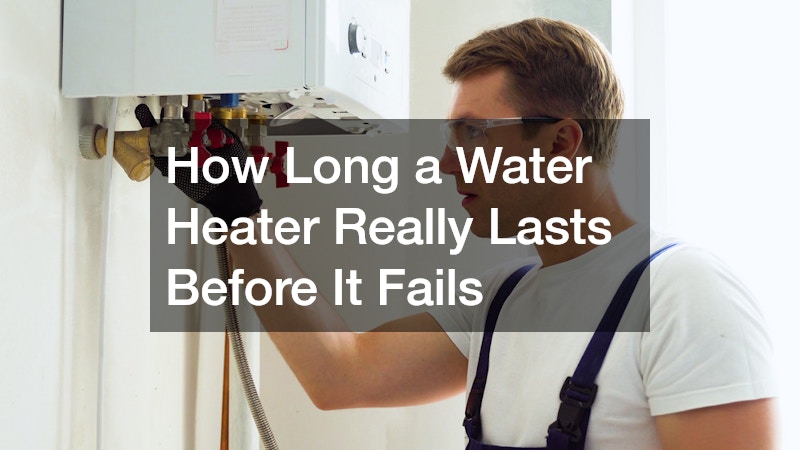
A water heater rarely fails at a convenient time, which is why so many homeowners want to know exactly how long theirs will last before they are stuck with a cold shower or a flooded utility closet. The truth is that lifespan depends heavily on the type of unit, the water running through it, and how well it has been maintained over the years. Understanding the warning signs and realistic timelines can help you plan a replacement on your own schedule instead of reacting to an emergency.
This guide breaks down what actually determines a water heater’s lifespan and what you can do to get the most out of yours.
Average Lifespan of Traditional Tank Water Heaters
Most conventional tank-style water heaters last between 8 and 12 years, though the exact number depends on the manufacturer, installation quality, and how hard the incoming water is in your area. Units installed in homes with high mineral content tend to wear out faster because sediment builds up inside the tank and forces the heating element to work harder. Once a tank passes the decade mark, the risk of leaks and structural rust increases significantly, even if the unit still seems to function normally.
Homeowners often assume a water heater will simply stop producing hot water when it fails, but many units fail by leaking, which can cause serious water damage to floors and walls. Checking the manufacture date on the data plate is a simple way to estimate how much life is left in the unit.
- Standard gas tank heaters typically last 8 to 10 years
- Electric tank heaters often last slightly longer, around 10 to 12 years
- Tanks installed in areas with hard water may fail several years earlier
- A rusty or discolored tank exterior often signals internal corrosion
Lifespan Differences With On-Demand Systems
A tankless water heater generally lasts significantly longer than a traditional tank model, often reaching 15 to 20 years with proper care. Because these units heat water on demand rather than storing it, there is no tank to corrode or accumulate sediment in the same way, which is a major reason they hold up so well over time. That said, they are not maintenance-free, and skipping regular descaling can shorten their working life considerably, especially in homes with hard water.
Many homeowners choose to upgrade to a tankless water heater specifically because of this extended lifespan, along with the space savings and energy efficiency that come with an on-demand system. The higher upfront cost is often offset over time by fewer replacements and lower monthly utility bills. Still, it is worth budgeting for annual flushing to keep mineral buildup from affecting performance.
Common Warning Signs That Signal a Failing Unit
Water heaters rarely fail without warning, and learning to recognize the early symptoms can save you from a sudden loss of hot water or a messy leak. Strange noises, inconsistent water temperature, and discolored water are among the most reliable indicators that something is wrong inside the tank. Catching these signs early often means the difference between a simple fix and a full replacement.
- Rumbling or popping sounds caused by hardened sediment at the tank bottom
- Water that looks rusty or has a metallic smell coming from the hot tap
- Lukewarm water even when the thermostat is set correctly
- Moisture or pooling water around the base of the unit
- A pilot light that frequently goes out on gas models
Fixing the Issue Versus Buying a New Unit

Not every problem means you need a brand new unit, and in many cases a targeted water heater repair can add several more years of reliable service. Replacing a faulty thermostat, heating element, or pressure relief valve is often far cheaper than installing a new system, especially if the tank itself is still in good structural condition. A qualified technician can pressure test the tank and check for internal corrosion before recommending a repair.
The general rule of thumb is that if the unit is under six years old and the tank is not leaking, repair is usually the smarter financial choice. Once a water heater passes the eight or nine year mark, it becomes harder to justify spending money on repairs that only delay an inevitable replacement. Weighing the cost of the fix against the remaining expected lifespan will help you make a confident decision.
How Water Quality and Household Habits Affect Longevity
The water flowing into your home plays a bigger role in water heater lifespan than most people realize. Hard water loaded with calcium and magnesium accelerates sediment buildup, which insulates the heating element and forces it to work overtime, shortening the unit’s usable life. Homes on well water or those connected to a septic system often experience these mineral issues more intensely, and staying on top of related maintenance tasks, including scheduling septic pumping at recommended intervals, helps keep the entire plumbing system functioning smoothly.
Daily habits also matter more than many homeowners expect. Running the water heater at a lower thermostat setting, flushing the tank annually, and avoiding overloading the system with back-to-back showers or laundry cycles can meaningfully extend its service life. Small adjustments in how a household uses hot water often add years to a unit that might otherwise fail early.
- Install a water softener if your home has notably hard water
- Flush sediment from the tank at least once a year
- Keep the thermostat around 120 degrees to reduce strain
- Inspect the anode rod every two to three years and replace it when corroded
Conclusion
Knowing the realistic lifespan of your water heater, along with the warning signs that precede failure, puts you in control instead of leaving you to deal with a surprise breakdown. Whether you have a traditional tank or a tankless water heater, regular maintenance and prompt attention to small issues can add meaningful years to its performance. When in doubt, have a professional inspect the unit so you can decide with confidence whether a repair or a full replacement is the right next step.