
A sudden change in the taste or smell of your well water can be unsettling, especially when nothing about your routine has changed. One day the water tastes normal, and the next it smells like rotten eggs, tastes metallic, or looks slightly cloudy. These changes are rarely random, and they almost always point to something specific happening underground or within your home’s water system. Understanding the most common causes can help you figure out whether this is a minor fix or a sign of a bigger problem worth investigating right away.
Rotten Egg Odor and Sulfur Bacteria
A strong sulfur or rotten egg smell is one of the most common well water complaints, and it usually comes from hydrogen sulfide gas produced by naturally occurring bacteria in the soil or plumbing system. These bacteria thrive in low-oxygen environments, which means they often multiply inside water heaters, especially ones with a magnesium anode rod. The smell can be worse in hot water only, which is a strong clue that your water heater is the source rather than the well itself.
If the odor is present in both hot and cold water, the bacteria are likely living somewhere in the well or plumbing system rather than just the tank. Shock chlorination can often resolve this temporarily, but recurring odor problems may mean the bacteria have a persistent source of nutrients, such as organic matter that has worked its way into the well casing.
- Rotten egg smell only in hot water usually points to the water heater anode rod
- Smell in all faucets suggests bacteria present in the well or plumbing
- Shock chlorination is a common first step to treat sulfur bacteria
- Persistent odor after treatment may require a deeper inspection of the well
Metallic Taste From Iron and Manganese
A metallic or bitter taste in well water is frequently caused by dissolved iron or manganese, both of which occur naturally in groundwater depending on the local geology. These minerals aren’t typically dangerous at low levels, but they can affect taste, stain fixtures, and leave a reddish or black residue in sinks and toilets. If the taste has changed suddenly, it may mean mineral concentrations have shifted due to changes in the water table or nearby ground disturbance.
Iron and manganese levels can fluctuate seasonally, particularly after heavy rain or drought, since both conditions change how water moves through underground rock and soil layers. A water test is the only reliable way to confirm whether these minerals are behind the change, since taste alone can be misleading. Treatment options range from simple filtration to more advanced oxidation systems, depending on concentration levels.
- Reddish-brown staining often points to iron
- Black staining is typically linked to manganese
- Mineral levels can shift after heavy rain, drought, or nearby construction
- Water testing is the most accurate way to confirm the cause
Cloudy or Gritty Water and Sediment Issues
If your water suddenly looks cloudy, gritty, or has visible particles, sediment disturbance is likely to blame. This can happen after heavy rainfall, nearby excavation, or shifts in the aquifer that stir up fine soil particles. In some cases, a well pump that has started to fail or has shifted position within the casing can also pull in more sediment than usual.
A noticeable increase in grit or cloudiness is worth taking seriously, since it can indicate wear on well components or changes in water flow patterns underground. If flushing your faucets doesn’t clear the issue within a day or two, it may be time to have a professional inspect the well pump and casing for damage. Many well pump companies offer diagnostic visits that can quickly determine whether the pump, screen, or casing is contributing to the problem.
- Cloudiness after rain often clears on its own within a day or two
- Persistent grit may indicate pump wear or casing damage
- A shifted or aging pump can pull in more sediment than normal
- Professional diagnostics can pinpoint whether the pump is the source
Chemical or Chlorine-Like Smells From Nearby Contamination
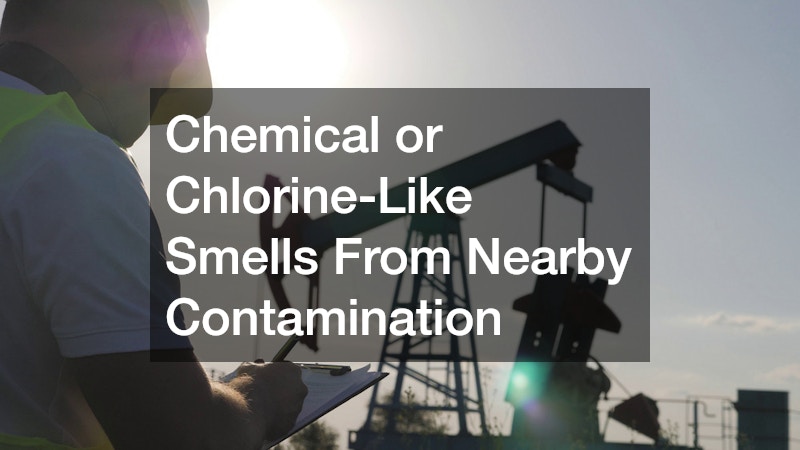
A chemical, chlorine, or gasoline-like smell in well water is one of the more concerning changes, since it can point to contamination from outside sources rather than natural mineral content. Runoff from agricultural chemicals, road salt, or nearby fuel storage can seep into groundwater, especially in wells that are shallow or poorly sealed. This type of smell should never be ignored, since it may indicate a health risk rather than just an aesthetic issue.
If you notice this kind of odor, it’s worth checking whether any new construction, chemical storage, or land use changes have occurred near your property recently. A certified lab test can identify specific contaminants and confirm whether the water is safe to drink in the meantime. In more serious cases, homeowners sometimes discover their existing well is too shallow or poorly positioned relative to a contamination source, which can eventually lead to a conversation about new well drilling in a safer location.
- Chemical odors may indicate agricultural or fuel-related contamination
- Shallow wells are more vulnerable to surface contamination
- Lab testing is the only reliable way to identify specific chemicals
- Relocating or redrilling a well may be necessary in severe cases
Septic System Problems Affecting Well Water Quality
If your well is located near a septic system, a sudden change in taste or smell could mean waste water is finding its way into your groundwater supply. This is more common in older properties where the septic tank and well were installed before modern setback distance requirements. Signs of this type of contamination include a sewage-like odor, cloudy water, or a noticeable increase in bacteria on water test results.
Routine septic pumping plays a bigger role in water safety than many homeowners realize, since a tank that is allowed to overflow or back up increases the risk of waste reaching nearby groundwater. Scheduling septic pumping every three to five years, depending on household size and tank capacity, helps prevent this kind of cross-contamination. If you notice a sewage smell along with gastrointestinal symptoms after drinking the water, it’s important to stop use immediately and have both the well and septic system inspected.
- Older properties may not meet current septic-to-well distance standards
- Sewage odor combined with cloudy water is a red flag for cross-contamination
- Regular septic pumping reduces the risk of tank overflow and groundwater contamination
- Bacterial water testing can confirm septic-related contamination
A sudden change in your well water’s taste or smell is your system’s way of signaling that something has shifted, whether it’s bacteria in the plumbing, natural mineral fluctuation, or a more serious contamination issue. The right next step depends on identifying the specific cause, which usually starts with a water test and a look at recent changes around your property. Don’t wait for the problem to worsen or for symptoms to appear before taking action, since early investigation is almost always easier and less costly than dealing with a larger contamination issue later.