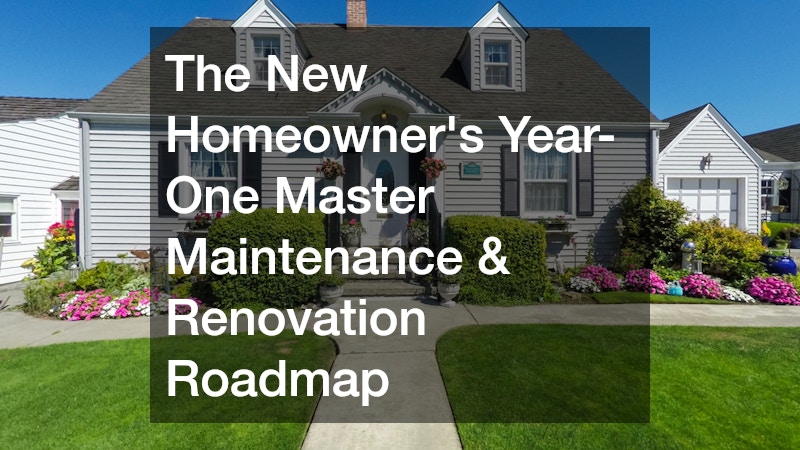
Buying a first home represents one of the most significant financial and personal milestones a person can achieve. The moment the keys are handed over, excitement often mixes with a daunting sense of ongoing responsibility. A residential property demands constant attention, care, and strategic investment to preserve its structural stability and steadily increase its financial market value over time. Without a clear plan, new owners can easily feel overwhelmed by competing priorities, unexpected repair bills, and endless lists of prospective aesthetic updates. Spreading out tasks across a realistic twelve-month timeline prevents emotional burnout and helps budget household resources far more effectively.
The secret to successful long-term property ownership lies in creating a structured schedule for the first year. Rather than attempting to remodel every room simultaneously or spending money on cosmetic features while ignoring essential underlying mechanical systems, smart buyers follow a phased strategy. This organized approach focuses initial energy on structural safety, weatherproofing, and water diversion before moving on to efficiency upgrades, outdoor enhancement, and major interior remodeling projects. By pacing these improvements logically, homeowners protect their initial capital purchase, prevent minor leaks from becoming catastrophic structural disasters, and steadily transform a standard house into a personalized, highly functional sanctuary.
Navigating the first year requires understanding how different construction trades interact with one another during sequential renovations. Scheduling repairs in the wrong order can easily result in ruined finishes and wasted funds. For example, installing fresh drywall, high-end trim, or custom hardwood flooring before addressing foundation movement or water intrusion will only lead to future structural damage and repeated expenses. Taking time to carefully assess the property condition right after moving in allows owners to make rational decisions based on true urgency, total cost, and overall long-term returns. Early planning ensures that urgent safety needs take precedence over cosmetic updates, establishing a stable baseline for all future home improvements.
Securing the Foundation and Ground Mechanics
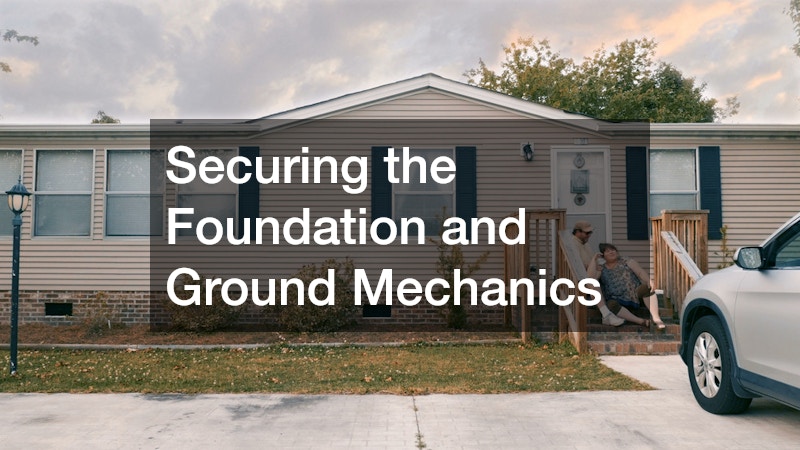
The immediate focus during the first two months of occupancy must always center on the physical structural integrity of the house. Everything built above relies completely on a secure, stable base. Small cracks in basement walls, sticking interior doors, uneven flooring, or standing water pooling near exterior walls can indicate ongoing soil settlement issues that require immediate expert evaluation. Ignoring early warning signs allows minor structural shifts to escalate into massive, costly failures, potentially ruining future interior updates. Early intervention prevents framing distortion, interior drywall cracking, and severe plumbing dislocations throughout the entire building structure.
When structural movement or shifting expansive soil threatens the long-term stability of a property, hiring qualified structural engineers and specialty contractors to assess the damage becomes essential. Professional contractors specializing in foundation repairs can stabilize sinking concrete footings, seal intrusive moisture entry points, and install steel piering systems to restore proper balance. Addressing baseline issues right away ensures that any subsequent renovations remain secure and undamaged for decades. Property owners who secure their foundation early create a reliable canvas for all future updates, avoiding the heartbreaking situation of watching fresh paint, tile, or custom woodwork crack due to active structural movement.
In addition to structural stability, proper moisture management around the base of the home is critical during this initial phase. Poor soil grading, broken downspouts, and improper surface drainage cause water to collect around basement walls, increasing hydrostatic pressure and accelerating concrete breakdown. Correcting exterior soil slopes, directing runoff away from the footings, and sealing surface cracks will complement major structural stabilization work. Taking these aggressive protective steps during months one and two guarantees that the home provides a safe, dry, and reliable environment before secondary aesthetic projects begin.
Protecting the Roof and Rainwater Drainage
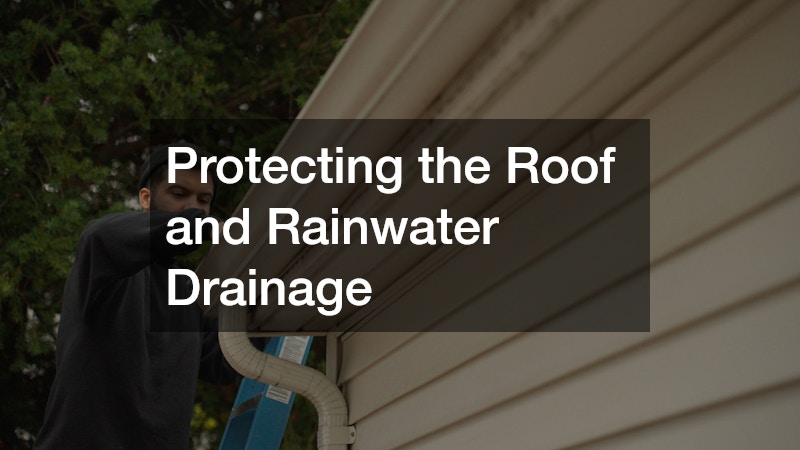
Once the base of the building is verified as completely stable, attention must immediately turn upward to the roof and rainwater collection system. A compromised roof is one of the quickest ways for water to infiltrate a building envelope, causing hidden wood rot, ruined attic insulation, toxic mold growth, and damaged interior ceilings. Inspecting shingles, flashing, vent pipes, and chimney masonry right after moving in allows homeowners to spot missing materials, curling edges, or small punctures before major storms hit. Addressing minor roof leaks instantly protects every interior asset underneath.
Homeowners who notice missing shingles, deteriorated flashing around chimneys, or subtle interior ceiling spots should promptly schedule professional roof repair services to secure the overhead structure. Expert roofing technicians can pinpoint difficult leaks, replace damaged components, and extend the total lifespan of existing shingles without requiring a full roof replacement right away. Prompt attention to minor roof damage prevents water from seeping into wall cavities where it can compromise structural framing and electrical safety. Keeping the roof watertight is the single most effective way to protect all future interior renovation investments.
Equally vital to roof health is an efficient, properly functioning water management system designed to transport heavy rainfall safely away from the house structure. Aging, sagging, or leaking gutters allow heavy rainwater to pool along fascia boards, leading to rotted wood trim and foundation damage below. Replacing worn sectional troughs with custom-fitted seamless gutters ensures continuous, leak-free water flow off the roof edge. These custom-built continuous channels eliminate leaking seams where leaves and debris typically collect, preserving fascia boards, exterior siding, and perimeter landscaping. Combining a tight roof structure with proper rainwater drainage guarantees total top-down weather defense.
Upgrading Exterior Siding and Climate Systems
With the roof and foundation fully stabilized, months three through five offer an ideal operational window to focus on exterior envelope protection and internal climate control efficiency. Exterior walls are constantly exposed to driving rain, harsh solar UV rays, freezing winter temperatures, and pest activity. Cracks, rot, or warping in old siding allow moisture to penetrate wall cavities, leading to hidden decay, structural weakening, and significant energy loss. Inspecting wall claddings ensures the home maintains an airtight seal that regulates interior humidity and reduces monthly utility expenditures.
If exterior wall materials are severely decayed, cracked, or thermally inefficient, investing in professional siding installation transforms both energy efficiency and curb appeal. Modern fiber cement, engineered vinyl, and composite siding materials offer superior insulation values, fire resistance, and long-term protection against wind-driven rain. Proper installation includes high-performance weather barriers that allow internal moisture vapor to escape while blocking exterior liquid water from entering. Refreshing exterior walls not only revitalizes property appearance but also establishes a durable protective shield that preserves internal framing and lowers monthly climate control expenses over time.
While reinforcing the exterior walls, attention should also turn toward the internal heating and cooling equipment that maintains daily indoor comfort. Heating and cooling systems work continuously to keep interior temperatures stable, but neglected mechanical units consume excessive electricity and fail prematurely during extreme weather. Partnering with certified technicians for comprehensive HVAC maintenance services optimizes system performance, improves indoor air quality, and prevents sudden mechanical breakdowns during peak summer or winter months. Routine maintenance involves cleaning condenser coils, replacing filters, checking refrigerant charge levels, and testing safety switches, ensuring that the system operates at maximum efficiency year-round.
Enhancing Lawn Health and Outdoor Living Spaces
As internal environmental systems and exterior walls are secured, attention during months five through seven naturally transitions to outdoor living spaces and landscape health. A neglected yard negatively impacts property value and can attract unwanted pests, while a well-maintained outdoor area extends usable living space into the fresh air. Establishing strong lawn biology, clearing overgrown vegetation, and defining functional outdoor gathering zones allows homeowners to fully enjoy their outdoor property during pleasant weather.
Maintaining a thick, green lawn requires far more than just weekly mowing; it demands proper fertilization, weed control, soil aeration, and seasonal pest management. Engaging a professional lawn care service ensures that grass receives tailored nutrient treatments, core aeration, and soil conditioning specific to regional climate conditions. Healthy turf grass develops deep root systems that prevent soil erosion around driveways and footings while improving water absorption during heavy rainstorms. A vibrant, well-manicured lawn creates a welcoming backdrop for outdoor gatherings and dramatically enhances overall property curb appeal.
Alongside a healthy lawn, creating a stable, functional outdoor living platform allows family and guests to comfortably relax outside. Constructing or restoring an outdoor patio creates a dedicated footprint for dining tables, lounge furniture, outdoor kitchens, and fire features. Premium pavers, natural stone, or stamped concrete surfaces provide low-maintenance outdoor floor space that resists weathering and ground movement. Establishing a well-designed outdoor gathering area effectively expands functional living space beyond the home walls, providing an inviting retreat for relaxation, weekend entertainment, and family activities.
Illuminating Hardscapes and Landscape Design

During months seven through nine, home improvement focus can shift toward functional outdoor aesthetics, perimeter security, and evening ambiance. A beautifully landscaped yard and custom patio lose much of their charm after sunset if the space remains dark, shadowy, and uninviting. Strategic illumination highlights architectural features, guides walkways safely, deters potential trespassers, and extends outdoor usable hours long after dusk. Thoughtful exterior lighting blends functional utility with visual appeal, transforming dark yards into striking evening scenes.
Designing a low-voltage outdoor illumination system requires careful planning regarding fixture placement, color temperature, wire routing, and transformer capacity. Working with an experienced landscape lighting company ensures that high-quality LED fixtures are placed correctly to illuminate pathways, feature trees, architectural columns, and stone walls. Professional designers use subtle techniques like uplighting, moonlighting, and silhouetting to create visual depth without installing harsh, blinding spotlights. Integrated timers and smart controllers allow automated operation, enhancing perimeter security while maintaining optimal energy efficiency throughout the night.
Properly executed lighting systems also increase property safety by clearly illuminating steps, elevation changes, and dark perimeter zones around the yard. Well-lit entries and walkways prevent trips and falls, offering peace of mind for family members and visiting guests returning home late at night. Highlighting specimen trees, flower beds, and hardscape transforms ordinary yards into luxurious evening retreats, maximizing the practical usability of outdoor spaces through every season of the year.
Transforming Kitchens and Bathrooms
As the end of the first year approaches and exterior weatherproofing, mechanical systems, and outdoor living areas are fully operational, internal living spaces take center stage. Months nine through eleven are ideal for undertaking major indoor remodels that improve daily convenience, increase storage capacity, and showcase personal design tastes. Interior projects completed at this stage benefit from the fact that the building envelope is completely secure, preventing unexpected water leaks or structural shifts from damaging brand-new interior finishes.
The kitchen remains the true heart of the home, serving as a primary hub for meal preparation, family conversations, and entertaining guests. Working with an expert kitchen contractor allows homeowners to optimize cabinet layouts, upgrade countertops, install high-efficiency appliances, and integrate modern task lighting fixtures. Professional trade management ensures that complex plumbing, electrical, and gas connections are installed safely and according to current building codes. A thoughtfully renovated kitchen dramatically improves daily functionality while delivering some of the highest financial returns of any interior home improvement project.
Following or alongside kitchen updates, modernizing functional hygiene spaces provides immediate personal comfort and luxury. Investing in professional bathroom remodeling converts outdated, cramped spaces into spa-like sanctuaries featuring custom tile showers, modern vanities, water-saving fixtures, and improved mechanical ventilation. Proper waterproofing membranes installed beneath shower tile prevent hidden moisture intrusion into floor joists and surrounding wall framing. Updating plumbing fixtures and finishes enhances daily routines, reduces water consumption, and completes the internal transformation of the residence before the end of year one.
Maintaining Long-Term Home Value
Completing the first year of homeownership with a structured roadmap transforms what could have been a chaotic process into a series of manageable, deeply satisfying achievements. By prioritizing structural security, top-down weatherproofing, energy efficiency, exterior living, and targeted interior updates, property owners build sustainable equity and guard against unexpected emergency repair costs. This methodical approach ensures that every dollar spent directly enhances daily living comfort, safety, and long-term resale value.
As the second year begins, homeowners can confidently shift from major foundational upgrades to routine preventative checks and minor seasonal enhancements. Maintaining a regular review schedule, keeping organized digital service records, and nurturing relationships with reliable local tradespeople keeps the property in peak condition for years to come. Thoughtful care and planned investment ensure that the house remains a safe, beautiful, and valuable asset for the entire lifetime of ownership.