Spotting a trail of ants in your kitchen or bathroom can be frustrating, especially when you keep a clean house. Ants rarely show up by accident. In most cases, they come inside because they have found something they need, such as food, water, or a safe place to nest. Weather changes, landscaping that touches the house, and small gaps in the foundation can all make it easier for them to get in. Once a few scouts find a resource, they leave a scent trail that leads the rest of the colony straight to it.
Understanding why ants are drawn to your home is the first step toward stopping them. When the problem persists, an experienced ant exterminator can identify the species and resolve the infestation at its source.
Ants Are Searching for Food
The most common reason ants come indoors is simple: they are hungry. Worker ants spend their days foraging for food to bring back to the colony, and homes offer a steady supply. Sugary spills, crumbs under appliances, unsealed pantry items, fruit on the counter, and pet food bowls are all appealing targets. Different species prefer different foods. Some are drawn to sweets, while others seek out proteins and greasy residue from cooking. Even tiny amounts of food can be enough to attract a trail, since ants only need a small reward to keep coming back. Garbage cans without tight lids and recycling bins with sticky soda cans can also draw ants inside, particularly when these containers are stored near entry points.
Moisture Draws Them Indoors
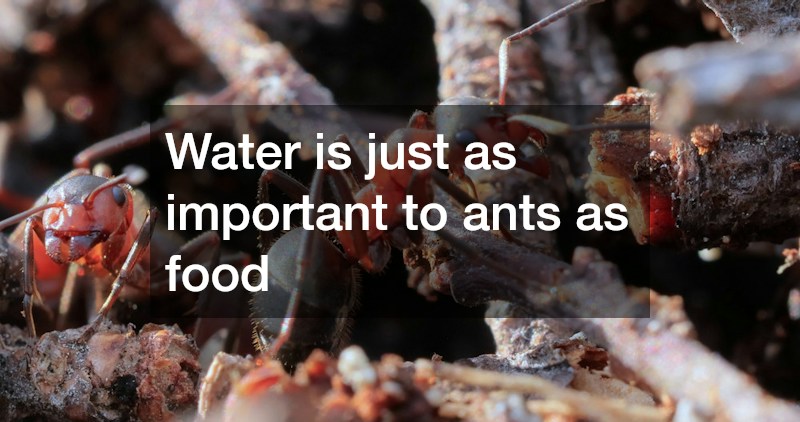
Water is just as important to ants as food, which is why infestations often appear in kitchens, bathrooms, and laundry rooms. Leaky faucets, dripping pipes under sinks, condensation around windows, and damp basements all provide a reliable water source. During hot, dry weather, ants may move indoors specifically in search of moisture when outdoor sources dry up. Some species are also attracted to wood that has been softened by water damage. Carpenter ants, for example, often nest in areas where leaks have weakened framing, window sills, or roof decking. If you notice ants gathering in the same damp area repeatedly, it may point to a plumbing issue or moisture problem that needs attention.
How Does Weather Affect Ant Activity?
Changes in the weather play a major role in when ants appear indoors. Heavy rain can flood underground nests, forcing colonies to move to higher, drier ground, which sometimes means inside your walls or under your floors. Extended heat and drought can push ants indoors in search of water and cooler temperatures. In spring, colonies become more active as they emerge from winter and begin expanding, which is why many homeowners notice ants for the first time each year during this season. As temperatures fall in autumn, some species look for warm shelter to survive the colder months. Paying attention to these seasonal patterns can help homeowners anticipate ant activity and take preventive steps before trails appear.
Easy Access Through Gaps and Landscaping
Ants are small enough to fit through the tiniest openings. Cracks in the foundation, gaps around windows and doors, spaces where pipes and wires enter the house, and damaged weatherstripping all serve as entryways. Landscaping can make access even easier. Tree branches and shrubs that touch the roof or siding create natural bridges, allowing ants to bypass the ground entirely. Mulch piled against the foundation holds moisture and provides cover for colonies nesting close to the house. Firewood stacked near exterior walls can also harbor ants. Trimming vegetation, keeping mulch pulled back from the foundation, and sealing visible gaps can reduce the number of easy routes ants use to reach your living spaces.
Scent Trails Keep Them Coming Back
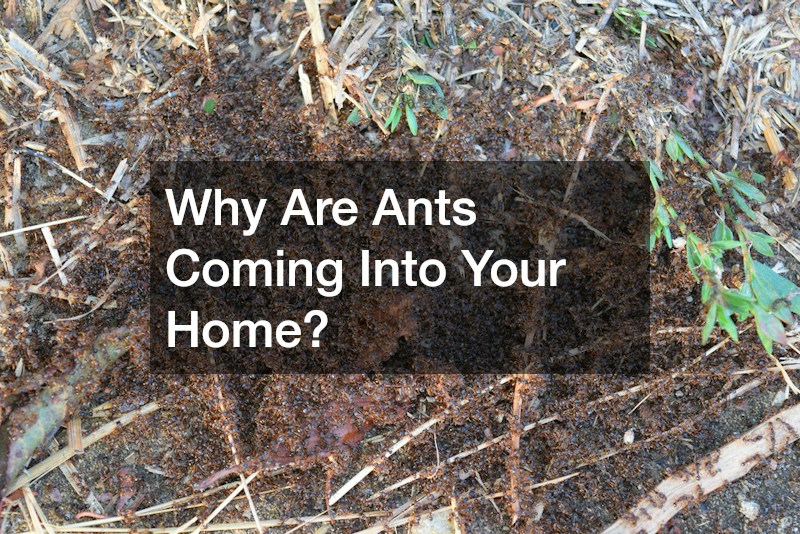
Once a scout ant finds food or water, it heads back to the colony, leaving behind a chemical scent trail called a pheromone. Other workers follow that trail to the source, reinforcing it with their own scent as they go. This is why a single ant sighting can turn into a steady line within a short time. Wiping up the ants you see without removing the trail often allows new ants to follow the same route. Cleaning surfaces with soapy water or a vinegar solution helps erase these markers. However, removing the trail only solves part of the problem. As long as the colony remains nearby and resources are available, ants will keep searching for new ways inside.
Different Species, Different Problems
Not all ants are the same, and the species involved affects both the cause and the solution. Odorous house ants are attracted to sweets and often move indoors after rain. Pavement ants nest under sidewalks and driveways and enter through slab cracks. Carpenter ants excavate damp wood and can cause structural damage over time. Pharaoh ants are especially difficult because spraying them can cause colonies to split into multiple new colonies, making the problem worse. Because each type behaves differently, using the wrong approach can waste time and money. Correct identification is essential for choosing a treatment method that actually works rather than simply scattering the ants.
When to Call for Professional Help
If ants keep returning despite cleaning, sealing, and store-bought baits, the colony may be large, hidden in walls, or composed of a species that requires specialized treatment. A professional ant exterminator can inspect your home, identify the species, locate nesting sites, and determine exactly how the ants are getting inside. They can then apply targeted treatments designed to eliminate the colony rather than just the visible workers. Professionals can also recommend repairs and preventive measures to reduce the risk of future infestations. This is especially important if you suspect carpenter ants, since delayed treatment can lead to costly structural repairs.
Keeping Ants Out for Good
Ants come into homes for food, water, shelter, and relief from changing weather, and they use small gaps and overhanging plants to find their way inside. By keeping food sealed, fixing leaks, trimming vegetation, and closing entry points, homeowners can make their property far less appealing. Removing scent trails helps break the cycle of repeat visits. When infestations continue despite these efforts, contacting a trusted ant exterminator provides a reliable solution that addresses the root of the problem. With prevention and prompt action, you can keep your home comfortable and free from unwanted ant invaders all year long.