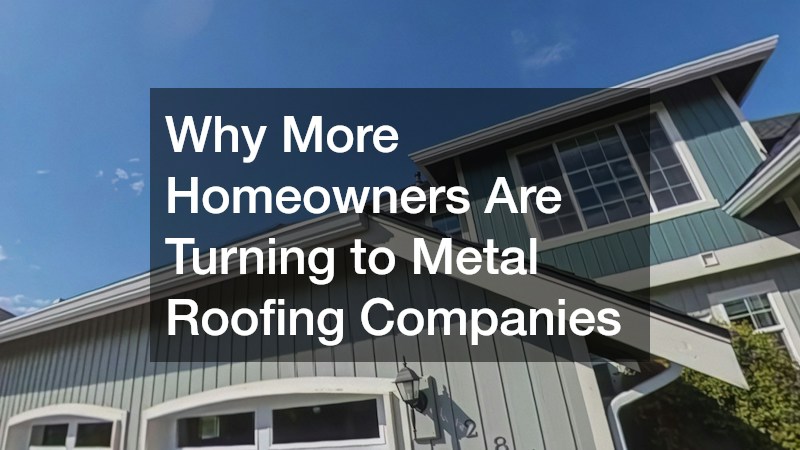
Homeowners want roofing systems that offer reliable protection, attractive designs, and lasting value. As property owners explore alternatives to traditional asphalt shingles, metal roofing has become an appealing option. Its durability, design flexibility, and potential energy efficiency benefits make it worth considering for roof replacements and new construction. Understanding these advantages can help homeowners determine whether metal roofing suits their property, budget, and long-term goals.
The Growing Appeal of Metal Roofing
Metal roofing has gained attention because it combines practical performance with a variety of design options. Available in different colors, finishes, and profiles, it can complement modern homes, traditional properties, and many other architectural styles.
Homeowners can choose from standing seam panels, metal shingles, and other configurations based on their preferences and roofing requirements. These options make it possible to achieve a distinctive appearance without sacrificing essential protective features.
Another advantage is versatility. Different metal materials offer different characteristics, allowing homeowners to compare options based on their property’s needs and environmental conditions. Researching these differences before making a decision can help prevent unnecessary expenses and ensure the selected roofing system meets expectations.
Metal roofing companies can explain available materials, installation methods, and product features. Their guidance can help homeowners evaluate suitable options and understand which systems align with their property’s structure and appearance.
Durability and Weather Protection
A roof must withstand sunlight, rain, wind, and temperature changes throughout the year. Metal roofing is valued for its strength and ability to provide dependable protection when properly selected and installed.
Quality metal roofing systems can resist several common forms of weather-related wear. However, performance depends on the material, protective coatings, fastening methods, and installation quality. Appropriate underlayment and properly installed flashing also help protect vulnerable areas from moisture intrusion.
Local weather conditions should influence material selection. Homes exposed to strong winds, heavy rainfall, or intense sunlight may benefit from products designed to handle those challenges. Homeowners should ask contractors about applicable building codes and product ratings before choosing a system.
Although metal roofing is durable, it is not immune to damage. Periodic inspections can help identify loose fasteners, damaged flashing, and other concerns before they develop into more significant problems. Proper installation and maintenance remain essential to achieving dependable performance.
Energy Efficiency and Long-Term Value
Energy efficiency is another reason homeowners consider metal roofing. Some products feature reflective finishes that reduce the amount of solar heat absorbed by the roof. Depending on the climate, insulation, ventilation, and selected materials, this feature may help reduce cooling demands during warmer months.
Results vary between properties, so homeowners should avoid assuming that a metal roof will automatically lower energy bills. Proper attic insulation, ventilation, and other building features also influence indoor comfort and energy consumption.
Long-term value is equally important when comparing roofing materials. Metal roofing may cost more initially than certain alternatives, but its durability and potential for a long service life can make it an appealing investment. Reduced replacement frequency may offset some of the initial expense over time.
The overall cost depends on the roof’s size, complexity, material selection, labor, and any necessary repairs. Homeowners should compare detailed estimates and consider warranty coverage, maintenance requirements, and expected performance instead of choosing based solely on the lowest price.
Design Flexibility and Maintenance Benefits
Modern metal roofing offers a variety of styles that allow homeowners to coordinate their roofs with siding, exterior trim, and other architectural features. Standing seam panels can create a clean, contemporary appearance, while metal shingles offer a more traditional look.
Color and finish selections also influence the property’s overall appearance. Homeowners should review product samples and manufacturer recommendations to determine which options best suit their homes and environmental conditions.
Metal roofing can also simplify certain maintenance responsibilities. However, it should not be considered maintenance-free. Regular inspections help identify debris buildup, damaged components, deteriorating finishes, and other issues that could affect performance.
Homeowners should follow manufacturer recommendations for cleaning, inspections, and repairs. Understanding these requirements before installation can help protect the roof and preserve applicable warranty coverage.
Choosing the Right Roofing Professional
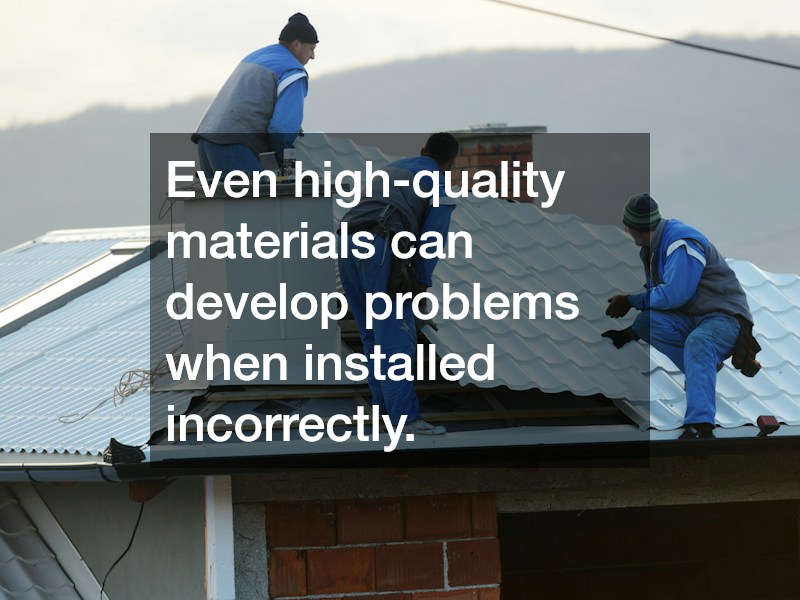
Even high-quality materials can develop problems when installed incorrectly. Choosing a qualified contractor is therefore essential to getting the expected benefits from a metal roofing system.
Homeowners should review licensing requirements, insurance coverage, customer references, and examples of previous projects. Asking about experience with the specific roofing system under consideration can help establish whether a contractor understands its installation requirements.
Written estimates should identify the proposed materials, preparation work, labor, project timeline, and warranty terms. Homeowners should also clarify whether the price includes removing old roofing, replacing damaged decking, installing underlayment, and addressing flashing around chimneys and other roof openings.
Metal roofing companies should be prepared to explain their recommendations and answer questions about the installation process. Comparing detailed proposals makes it easier to evaluate contractors and understand what each estimate includes.
Metal roofing appeals to homeowners because it offers durability, design flexibility, potential energy efficiency benefits, and long-term value. Its suitability depends on the property’s requirements, local climate, budget, and installation quality. By researching materials, comparing estimates, and selecting a qualified contractor, homeowners can make informed decisions and choose a roofing system that provides reliable protection while complementing their home’s appearance.