Key takeaways
- A professional landscaper can handle plant selection, spacing, drainage, and heavy installation work, and help you avoid costly mistakes.
- Compare at least three pros, and check their licenses, insurance, references, and past privacy projects.
- Come to the first consultation with photos of the views you want blocked, a rough budget, and your property survey.
- The best privacy designs often combine evergreen plants with fences, pergolas, screens, or berms.
- Check local fence rules, permits, HOA requirements, and property lines, and confirm someone calls 811 before digging.
- Get detailed written estimates and a contract, avoid paying in full upfront, and consider early fall for planting.
- Water new plants carefully during the first year, use mulch, and ask about warranties and maintenance plans.
Your backyard should feel like a private retreat, not a stage for the neighbors. But as homes are built closer together and second-story windows look down into yards, many homeowners feel like they’re always being watched. Privacy landscaping uses plants, fences, screens, and other features to create a space where you can relax, grill, or let the kids play without feeling on display.
While some privacy projects are simple weekend jobs, larger ones often benefit from a professional’s help. A good landscaper knows which plants grow well in your area, how to work with slopes and drainage, and how to blend privacy features so they look natural instead of like a wall. They can also help you avoid costly mistakes, like planting trees that grow too big or building a fence on the wrong side of the property line.
If you’ve never hired a landscaper before, the process can feel unclear. This guide walks you through what to expect, from the first phone call to the final walk-through, so you can plan with confidence and get the private outdoor space you want.
1. Why Hire a Pro for Privacy Landscaping?
Planting a few shrubs along a fence might seem easy, but privacy landscaping involves more than it looks. Plants need the right spacing, sunlight, and soil to grow into a full screen. Fences and walls must meet local codes and be built to handle wind and weather. Drainage, slopes, and underground utilities can all affect where things can go.
A professional landscaper or landscape designer brings experience with all of these details. They can recommend plants that grow quickly but won’t outgrow the space, design layers of greenery that look good year-round, and handle heavy work like digging, grading, and installing large trees or hardscape. Many also offer warranties on plants and labor, which gives you peace of mind if something fails.
Working with a pro is also a great way to learn how to plan a yard transformation the right way. Instead of guessing and fixing mistakes later, you get a clear design, a realistic budget, and a step-by-step plan. Even if you decide to do some of the work yourself, a professional design can save you time and money.
- Privacy landscaping involves plants, codes, drainage, and utilities.
- Pros recommend the right plants and handle heavy installation work.
- A professional plan can prevent costly mistakes down the road.
2. Finding and Vetting the Right Landscaper
Not all landscaping companies offer the same services. Some focus on lawn care and mowing, while others specialize in design, planting, or hardscaping like patios and walls. For a privacy project, look for a company with experience in landscape design and installation, or hire a landscape designer to create the plan and a contractor to build it.
Start by asking neighbors, friends, and local garden centers for recommendations. Look at online reviews and photo galleries of past projects, paying attention to whether the company has done privacy screens or fencing similar to what you want. Aim to talk with at least three companies so you can compare ideas and prices.
Before hiring anyone, check that they’re licensed if your state requires it and that they carry liability insurance and workers’ compensation. This protects you if someone gets hurt or your property is damaged. Ask for references from recent clients and follow up with a quick call. Certifications from groups like the National Association of Landscape Professionals can also be a good sign of training and professionalism.
- Choose a company with design and installation experience.
- Get recommendations and compare at least three pros.
- Verify licenses, insurance, and references before hiring.
3. The First Consultation and Site Visit
Most landscaping projects begin with a consultation. Some companies offer this for free, while design-focused firms may charge a fee, often between $100 and $500, which is sometimes credited toward the project if you hire them. The visit usually takes about an hour.
During the site visit, the pro will walk your yard with you, take measurements, and look at sun and shade patterns, soil, slopes, drainage, and existing trees. They’ll ask questions like: Where do you feel most exposed? Which views do you want to block, such as a neighbor’s deck or a busy street? Which views do you want to keep? How do you use the yard, and how much upkeep are you willing to do?
To get the most out of this meeting, come prepared. Stand in your favorite outdoor spots and note where you feel watched. Take photos from your patio, kitchen window, and second-floor rooms. Gather pictures of styles you like, have a rough budget in mind, and bring a copy of your property survey if you have one. The more information you share, the better the design will fit your needs.
- Expect a site visit that may be free or cost a small design fee.
- The pro will study sun, soil, drainage, and problem views.
- Bring photos, a budget, and your property survey.
4. Design Options: Plants, Fences, Screens, and Hardscape
After the visit, your landscaper will usually present a design. This might be a simple sketch or a detailed plan with 3D drawings and a plant list. Expect a mix of options, since the best privacy designs often combine several layers.
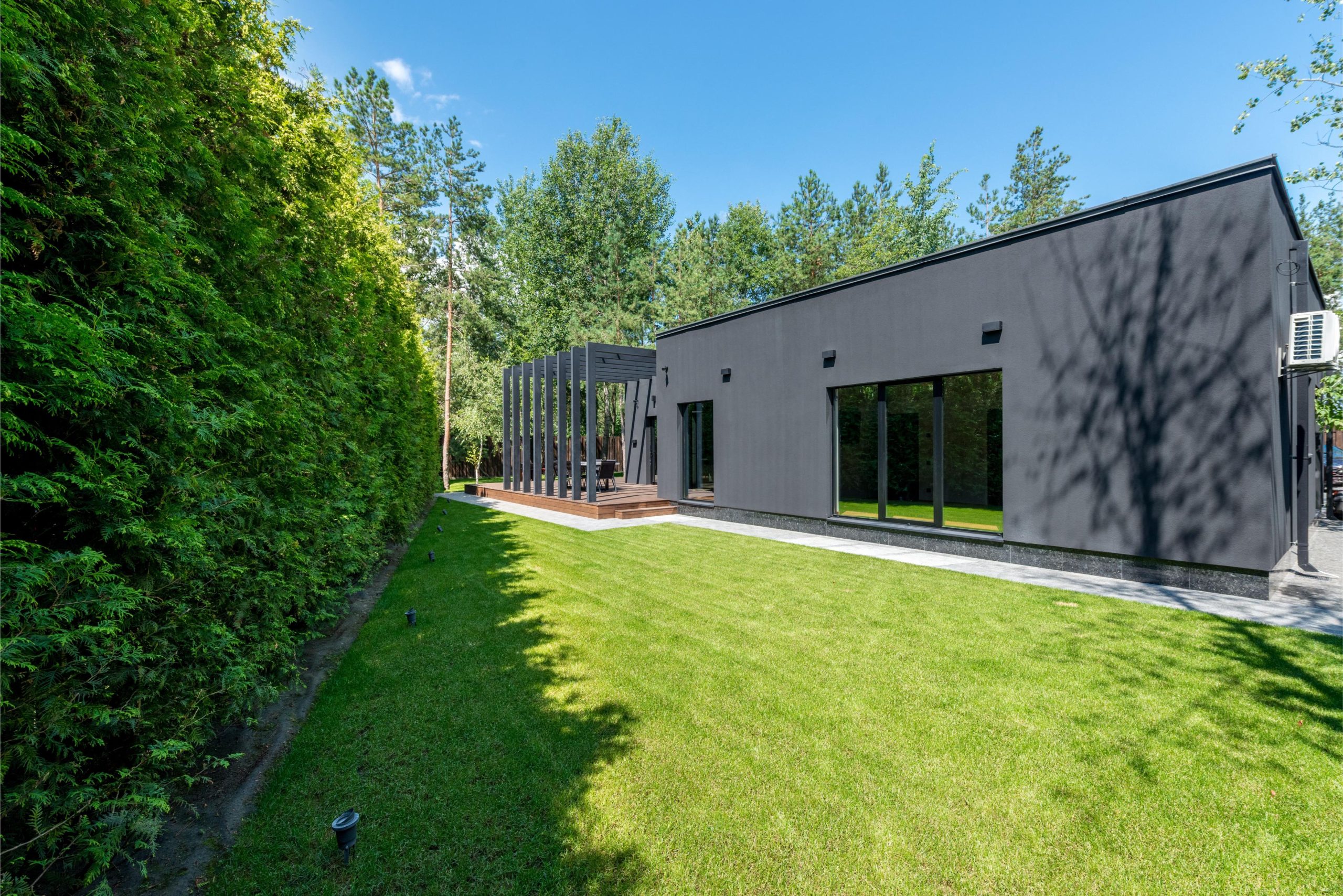
Living screens are one of the most popular choices. Evergreen trees and shrubs, like arborvitae, holly, cypress, or cherry laurel, provide year-round cover. Your pro will choose varieties suited to your climate and space, since some grow 3 feet wide while others spread 15 feet or more. Mixing different plant types, instead of planting one long row of the same tree, looks more natural and protects you if one variety gets a disease.
Built features give instant privacy. Options include wood, vinyl, or composite fences, decorative panels, lattice with climbing vines, pergolas with shade cloth or curtains, and tall planters. Hardscape elements like low stone walls or berms, which are raised mounds of soil, can add height and help plants look more established. A good design blends these elements so your yard feels private and inviting, not closed in.
- Expect a design plan that may include sketches or 3D drawings.
- Evergreen plants offer year-round screening if sized correctly.
- Fences, pergolas, and berms add instant privacy and structure.
5. Rules, Permits, HOAs, Property Lines, and 811
Privacy features often come with rules. Many cities limit fence height, commonly to around 6 feet in backyards and less in front yards, and some require permits for fences, walls, or structures like pergolas. A good landscaper will know local codes or help you find out, but it’s still your home, so ask who will handle permits and inspections.
If you live in a neighborhood with a homeowners association, check its rules before finalizing the design. HOAs may control fence materials, colors, heights, and even which plants are allowed. Many require you to submit plans and get approval before work begins, which can add a few weeks to your timeline.
Know exactly where your property line is. Building a fence or planting trees on a neighbor’s land can lead to disputes and costly removal. If you’re unsure, a licensed surveyor can mark the boundary. Before any digging, someone must call 811, the free national call-before-you-dig number, so utility companies can mark buried lines. Confirm in writing whether you or your landscaper will make that call.
- Check local fence height limits and permit requirements.
- Get HOA approval before work starts.
- Confirm property lines and make sure someone calls 811 before digging.
6. Estimates, Budget, and Contracts
Privacy landscaping costs vary widely depending on the size of your yard, the materials you choose, and where you live. As a rough idea, a row of small evergreen shrubs might cost a few hundred to a couple thousand dollars installed, while larger trees, which give faster privacy, can cost several hundred dollars each. Professionally installed privacy fences often run from about $20 to $60 or more per linear foot, depending on the material. Get local quotes, since prices change by region.
A detailed estimate should break down costs for design, plants, materials, labor, delivery, removal of old plants or debris, and any permits. Compare estimates line by line, not just by the total. A low bid might use smaller plants, skip soil preparation, or leave out cleanup. If the full project is beyond your budget, ask your pro to split it into phases, such as installing the most important screening first and adding plants or features later.
Always get a written contract before work starts. It should include the scope of work, a plant list with sizes, materials, a timeline, a payment schedule, cleanup details, and warranty terms. Avoid paying the full amount upfront. A deposit of 10 to 30 percent with the rest due at milestones or completion is common.
- Costs vary by yard size, materials, and region, so get local quotes.
- Compare detailed estimates line by line and consider phasing.
- Get a written contract and avoid paying everything upfront.
7. Timing and What Happens on Installation Day
Timing matters for both your schedule and your plants. Many homeowners wonder about the best time of year to remodel a house or yard, and for privacy plantings, early fall is often ideal in much of the U.S. Warm soil and cooler air help roots grow before winter, so plants are stronger by spring. Spring is the next best choice. Summer planting is possible but requires extra watering. Fences and hardscape can often be built most of the year, as long as the ground isn’t frozen or soaked.
Landscapers get busy in spring, so booking your consultation in late winter or early fall can help you get on the schedule sooner. Small projects may take a day or two, while larger ones with fencing, grading, and many plants can take one to three weeks. Weather delays are common, so build in some flexibility.
On installation day, expect a crew, trucks, and possibly equipment like mini excavators or skid steers. Clear the work area of patio furniture, toys, and vehicles, and keep pets inside. Make sure the crew can access a water spigot and the yard gate. At the end of the job, do a final walk-through with the project lead to check plant placement, cleanup, and any changes before making your final payment.
- Early fall is often the best time to plant privacy screens.
- Book early, since spring is landscapers’ busiest season.
- Clear the work area and do a final walk-through before paying in full.
8. Aftercare, Watering, and Maintenance Plans
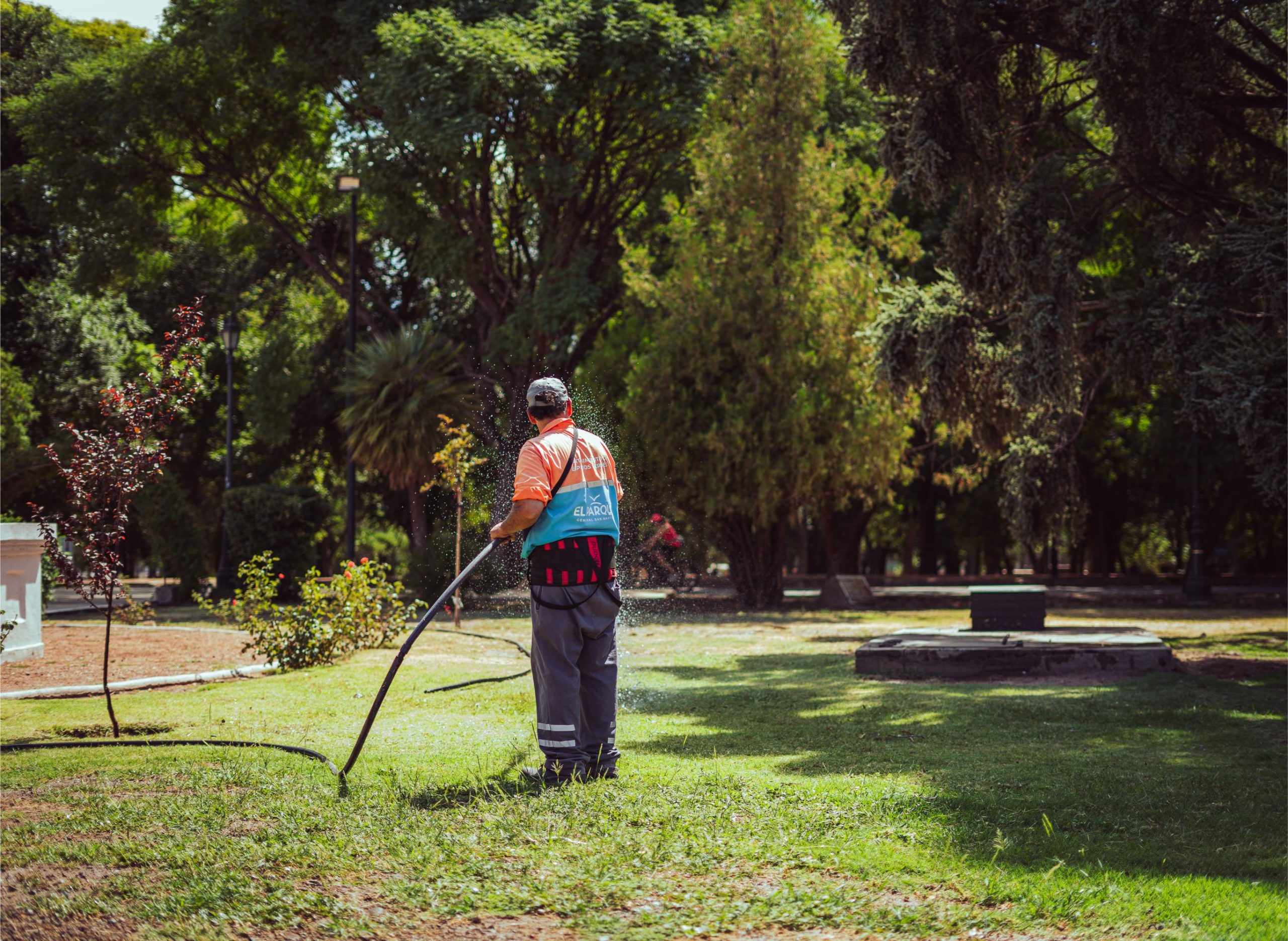
The work doesn’t end when the crew drives away. New plants need extra care during their first year while their roots settle in. Your landscaper should give you clear watering instructions. In general, new trees and shrubs need deep watering a few times a week at first, then less often as they become established. A drip irrigation line or soaker hose on a timer makes this much easier.
Mulch is another key part of aftercare. A 2- to 3-inch layer around plants helps hold in moisture and keeps weeds down. Keep mulch a few inches away from trunks and stems to prevent rot. Watch for yellowing leaves, browning tips, or wilting, and contact your landscaper quickly if something looks wrong, especially while plants are still under warranty.
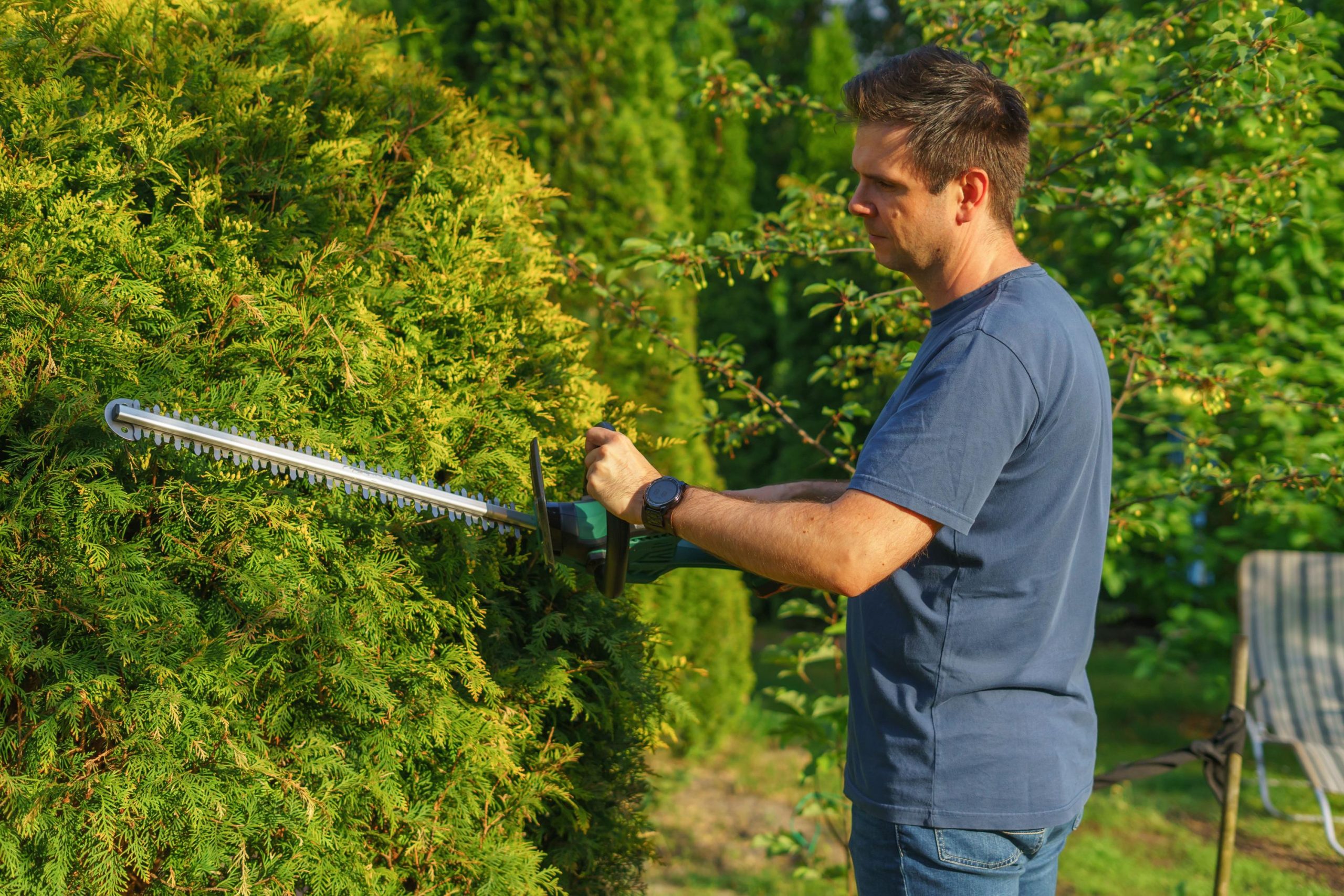
Ask about long-term care, too. Many companies offer maintenance plans that include pruning, fertilizing, mulching, and seasonal checkups. Fast-growing hedges may need trimming once or twice a year to stay full and tidy. Wood fences usually need sealing or staining every few years. Planning for this upkeep helps your privacy screen look great for years.
- Follow watering instructions closely during the first year.
- Use mulch and watch for signs of plant stress.
- Ask about warranties and ongoing maintenance plans.
9. Questions to Ask and Red Flags to Avoid
Asking the right questions helps you choose the best pro and avoid surprises. Before signing, ask: How long will it take for the plants to provide real privacy? What size will each plant be at installation and when fully grown? Who will be on-site each day, and who should I contact with questions? Do you use subcontractors? What does your warranty cover, and for how long?
Also ask about plant choices. Are any of the recommended plants invasive in your area? Are they safe for pets and children? How much water and pruning will they need? A good landscaper will answer clearly and won’t push you toward options that don’t fit your goals or budget.
Watch for red flags. Be cautious of anyone who asks for full payment upfront, won’t provide a written contract, can’t show proof of insurance, or pressures you to decide on the spot. Very low bids can mean shortcuts, like skipping soil preparation or using undersized plants. Door-to-door offers after storms deserve extra caution. Trust your instincts. If something feels off, keep looking.
- Ask about timelines, mature plant sizes, warranties, and subcontractors.
- Confirm plants are non-invasive, pet-safe, and fit your upkeep level.
- Avoid pros who demand full payment upfront or skip written contracts.
Conclusion
Creating a private backyard is one of the best ways to make your home feel more peaceful and comfortable. Working with a professional landscaper helps you get it right the first time. From the first site visit to the final walk-through, a good pro will guide you through design choices, local rules, budgeting, and installation.
Knowing what to expect makes the process smoother. Do your homework when choosing a landscaper, come prepared to your consultation, check permits and property lines, and get everything in writing. Plan your project around the right season, and stay on top of watering and care during that important first year.
With the right plan and the right partner, your yard can become a private retreat that feels like a true escape. Start by noting the views you want to block, gather a few ideas, and reach out to local pros for consultations. Before long, you’ll be relaxing in a backyard that feels like it belongs only to you.