Your roof serves as one of the most important barriers between your home and the elements. From heavy rainfall and strong winds to freezing temperatures and intense sunlight, changing weather conditions can gradually weaken roofing materials and compromise your home’s structural integrity. Choosing durable roofing materials and maintaining them properly can significantly reduce the likelihood of weather-related damage.
Slate roofing is widely recognized for its exceptional durability, natural beauty and resistance to harsh environmental conditions. However, even the strongest roofing materials require professional installation and regular maintenance to perform effectively.
Experienced slate roof contractors understand the unique characteristics of natural stone roofing and use specialized techniques to protect homes against environmental threats.
Ensuring Proper Installation for Maximum Weather Resistance
Proper installation is the foundation of a weather-resistant roofing system. Although slate is naturally durable, incorrect installation techniques can create vulnerabilities that allow moisture, wind, and temperature fluctuations to damage the roof. Professional roofing specialists understand how to position and secure individual slate tiles to create a reliable protective barrier.
One important aspect of installation involves establishing the correct overlap between slate tiles. This overlapping arrangement directs rainwater downward toward gutters and prevents moisture from reaching the underlying roof structure. When tiles are improperly positioned, water can penetrate gaps and eventually cause damage to wooden decking, insulation,n and interior ceilings.
Roofing professionals also carefully select appropriate fastening materials. Copper and stainless steel nails are commonly used because they resist corrosion and provide dependable attachment over extended periods. Using unsuitable fasteners can lead to premature deterioration, allowing slate tiles to loosen or shift during severe weather.
Another critical consideration involves installing flashing around vulnerable roof areas. Chimneys, skylights, valleys and ventilation openings require carefully fitted metal components to prevent water infiltration. Professional installers ensure these transitions remain properly sealed while allowing water to flow away from sensitive areas.
Roof pitch and structural support also influence installation requirements. Slate is considerably heavier than many conventional roofing materials, making it essential to evaluate whether the supporting structure can safely accommodate its weight. Proper structural assessment helps prevent sagging, movement and other problems that could compromise weather protection.
Preventing Water Damage Through Inspections and Repairs
Water infiltration represents one of the most common threats to residential roofing systems. Even minor openings can allow moisture to enter a home, potentially leading to wood deterioration, damaged insulation, mold growth and costly interior repairs.
Regular inspections help identify developing problems before they become serious. Professional slate roof contractors examine roofing surfaces for cracked, broken, missing or displaced tiles that could expose vulnerable materials underneath.
Slate tiles can occasionally develop damage from falling branches, severe stor, ms or physical impacts. Although individual tiles are extremely durable, they may crack when subjected to concentrated pressure. Prompt replacement helps restore the protective barrier and prevents water from entering through exposed areas.
Roofing specialists also inspect flashing, valleys, and other locations where water naturally accumulates or changes direction. These areas experience considerable moisture exposure and may deteriorate faster than surrounding roofing materials. Identifying corrosion, separation,n or improper drainage allows professionals to recommend targeted repairs.
Gutters and downspouts are equally important components of effective water management. When debris blocks drainage pathways, rainwater can overflow and collect near roof edges, exterior walls, or foundations. Routine cleaning helps maintain proper drainage and reduces unnecessary moisture exposure.
Professional inspections may also reveal problems that are difficult to recognize from ground level. Small fractures, deteriorating fasteners,s and subtle tile movement can remain unnoticed until significant damage develops.
Strengthening Roof Protection Against Wind and Storms
Strong winds and severe storms can place considerable stress on residential roofs. Wind pressure may loosen roofing materials, while airborne debris can strike exposed surfaces and cause unexpected damage. Maintaining a secure roofing system is essential for reducing these risks.
Slate roofing offers several advantages in challenging weather conditions. Its natural density and weight contribute to its stability when tiles are installed and fastened correctly. However, improper installation or deteriorating attachments can increase the likelihood of individual tiles becoming displaced during storms.
Professional roofing specialists evaluate fastening systems and examine tiles for signs of movement. Loose components can be repaired or replaced before strong winds create additional problems. This preventive approach helps maintain the roof’s overall stability.
Storm preparation also involves examining vulnerable roof transitions. Ridge details, flashing and perimeter areas may experience increased exposure to wind-driven rain. Ensuring these components remain properly secured reduces opportunities for moisture penetration.
After severe weather, professional inspections become particularly valuable. Storm damage is not always immediately visible, and small fractures or displaced tiles may develop into larger problems when left untreated.
Homeowners should avoid walking directly on slate roofs to investigate potential damage. Slate can crack under concentrated weight, and navigating steep roofing surfaces presents significant safety hazards. Qualified professionals use appropriate access methods and equipment to evaluate roofing conditions.
Protecting Roofing Materials From Temperature Changes
Seasonal temperature fluctuations create another challenge for residential roofing systems. Roofing materials repeatedly expand and contract as temperatures rise and fall, potentially affecting fasteners, flashing and surrounding structural components.
Natural slate performs well under a wide range of environmental conditions. Its dense composition and low water absorption make high-quality slate particularly resistant to moisture-related deterioration. Nevertheless, the performance of the entire roofing system depends on more than the stone itself.
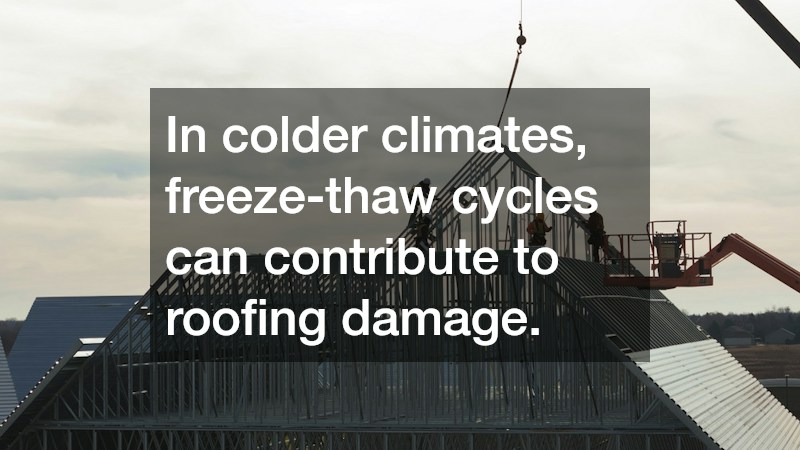
In colder climates, freeze-thaw cycles can contribute to roofing damage. Water entering existing cracks or vulnerable joints may freeze and expand, increasing stress on affected materials. Maintaining intact tiles and effective drainage helps minimize these concerns.
Professional roofing specialists also examine flashing and other metal components that respond differently to temperature changes. Appropriate installation techniques accommodate movement while maintaining effective weather protection.
Ventilation is another important consideration. Proper attic ventilation helps manage heat and moisture accumulation beneath the roofing system. Excessive moisture can contribute to condensation, while inadequate ventilation may create unfavorable conditions for roof decking and insulation.
In warmer climates, prolonged sunlight and elevated temperatures place additional demands on roofing assemblies. Although slate itself offers excellent resistance to ultraviolet exposure, underlying materials and roof accessories still require periodic evaluation.
Working with experienced slate roof contractors helps homeowners identify vulnerabilities, address developing problems and maintain effective protection against changing weather conditions. Through professional inspections, timely repairs and preventive maintenance, homeowners can preserve their roofs while reducing the risk of expensive structural damage.
Investing in professional roofing care ultimately supports the longevity, appearance and reliability of your home. With proper attention, a well-maintained slate roof can provide dependable weather protection for generations.