The discovery of severe water damage in a residence is a traumatic experience that demands a swift, disciplined, and highly organized response to prevent the total loss of the structure. Whether the cause is a catastrophic plumbing failure, a natural disaster, or a long-term hidden leak, the presence of standing water initiates a destructive chemical and biological process that compromises building materials within minutes. Beyond the visible saturation of carpets and drywall, moisture quickly migrates into structural cavities, wicking up through wall studs and soaking into subflooring where it can remain trapped for weeks. A successful recovery is not merely about drying the surfaces one can see; it requires a systematic approach to moisture mapping, decontamination, and structural stabilization. By following a professional remediation protocol, homeowners can mitigate the risk of permanent structural decay and ensure that their living environment is returned to a safe, healthy, and habitable condition.
Prioritizing Immediate Safety and Site Evaluation
The initial moments following a major water intrusion are the most critical for ensuring the safety of the occupants and the long-term viability of the restoration project. Before entering an affected area, it is imperative to secure the site by disabling the electrical supply to prevent lethal shocks and turning off the main water valve to halt any ongoing flooding. A preliminary assessment must also account for structural vulnerabilities, as saturated ceilings can collapse without warning and weakened floors may not support the weight of furniture or people. Once the environment is stabilized, a detailed inspection using thermal imaging and moisture meters is necessary to determine the full perimeter of the migration, as water often travels far beyond the point of origin through floor joists and wall tracks.
Navigating the complexities of a major flood event requires a high level of technical expertise to avoid overlooked hazards like contaminated category three water or “black water” from sewage backups. Engaging a professional for local water damage restoration ensures that the site is evaluated using industrial-grade diagnostics to identify hidden pockets of moisture that standard visual inspections miss. These experts categorize the water loss and determine the appropriate drying class, which is essential for developing a customized plan that addresses both the immediate extraction needs and the necessary decontamination protocols for the specific materials involved.
Securing the Property Against Further Loss
Once the interior safety is established, the focus must shift to protecting the home from secondary damage caused by external elements or lingering structural weaknesses. If the water damage was precipitated by a storm or a failure in the building envelope, immediate temporary repairs are required to prevent additional water from entering the structure during the drying process. This often involves the installation of heavy-duty tarps over compromised roof sections or the boarding up of broken windows and doors. Failing to secure the exterior allows the interior environment to remain at the mercy of the weather, which can lead to a cycle of re-saturation that makes professional drying efforts completely ineffective.
In many cases of severe water intrusion, the root cause is found at the highest point of the structure, necessitating an expert evaluation of the shingles, flashing, and underlayment. Consulting with a reputable roofing contractor is a vital step in the recovery process, as they can provide emergency “dry-in” services to halt active leaks immediately. Their role is to ensure that the roof is structurally sound and watertight before the interior restoration teams begin the expensive process of replacing drywall, insulation, and flooring. By sealing the home from the top down, you create a controlled environment where dehumidification equipment can operate at peak efficiency.
Implementing Professional Water Extraction Techniques
The most critical phase of the physical recovery process is the rapid removal of standing water to prevent it from seeping deeper into the foundation and structural pillars. Every hour that liquid remains in contact with organic materials like wood, paper-faced drywall, and carpet padding, the risk of permanent warping and microbial growth increases exponentially. Simply using household shop vacuums or towels is often insufficient for severe losses, as these methods cannot reach the moisture trapped within the fibers of a carpet or the pores of a concrete slab. Professional extraction involves the use of high-powered, truck-mounted vacuum systems and submersible pumps that can move hundreds of gallons of water in a fraction of the time required by consumer-grade equipment.
To achieve a thorough result that prevents the need for total demolition, technicians utilize weighted extraction tools that compress carpet and padding to pull moisture from the very bottom of the floor assembly. By hiring a professional water restoration service, homeowners benefit from industrial suction technology that removes the bulk of the liquid before it has a chance to wick up the walls. This aggressive approach to liquid removal is the only way to significantly shorten the subsequent drying time and save expensive materials that would otherwise have to be discarded. Once the liquid is gone, the focus can shift to the more nuanced task of evaporating the residual moisture trapped within the building’s infrastructure.
Managing Comprehensive Structural Drying Processes
After the standing water has been removed, the environment remains saturated with high levels of humidity and “bound” moisture that is held within the porous cells of the home’s framing. If this moisture is not evaporated and vented out of the house, it will lead to secondary damage such as the “heaving” of hardwood floors, the sagging of ceiling joists, and the corrosion of metal fasteners. This stage of the recovery requires a scientifically calculated balance of airflow, temperature control, and dehumidification to pull moisture out of the materials and into the air where it can be mechanically removed. Professionals monitor these conditions daily, adjusting the placement of equipment based on psychrometric readings to ensure the home reaches its “dry standard” as quickly as possible.
The complexity of this process often requires a massive deployment of specialized equipment, including low-grain refrigerant dehumidifiers and high-velocity air movers. Partnering with established water restoration companies ensures that the drying plan is managed by technicians who understand how to create a “drying chamber” within the affected rooms. These experts use moisture mapping to track the progress of the evaporation, ensuring that even the hidden studs behind the cabinets are completely dry before any reconstruction begins. This level of precision is vital for preventing long-term structural issues and ensuring that new finishes are not applied over damp surfaces, which would lead to premature failure and rot.
Evaluating Options for Damaged Material Disposal
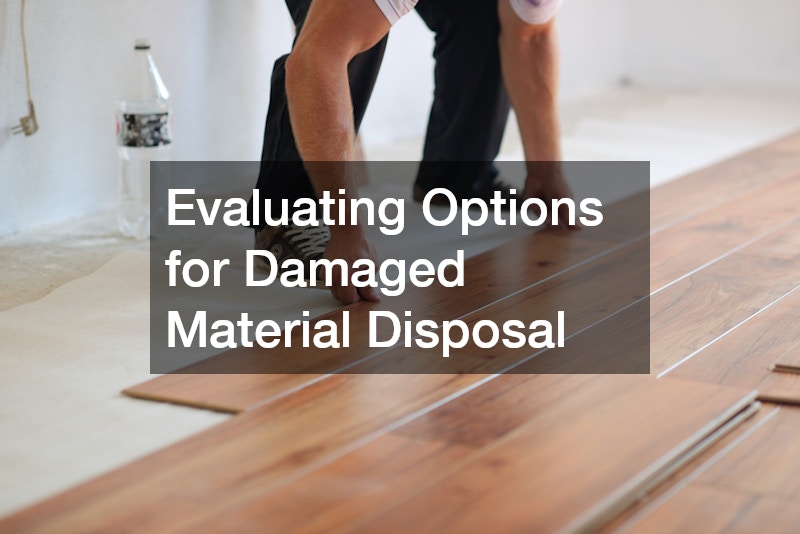
In the aftermath of severe flooding, not every item or building material can be salvaged, and a difficult “keep versus toss” evaluation must be performed. Porous materials that have been submerged in unsanitary water, such as insulation, particle board, and certain types of upholstery, often pose a health risk and lose their structural integrity, making replacement a safer and more cost-effective option than cleaning. Properly identifying which components are non-restorable is a key part of the demolition phase, as leaving contaminated materials behind can compromise the entire project and lead to persistent odors or health problems for the occupants.
While much of the focus is on the walls and floors, the home’s mechanical systems must also be scrutinized to determine if they were compromised by the water or the debris it carried. When water enters the drainage or supply lines, it can lead to clogs or the failure of sensitive valves and seals. Seeking out plumber repair services during the cleanup phase allows for a professional assessment of the fixtures and pipes that may have been shifted or damaged by the flood. These experts can help determine which plumbing components can be flushed and sanitized and which must be cut out and replaced to ensure the home’s waste and water systems are safe for future use.
Addressing Potential Mold and Microbial Contamination
The most persistent threat following a water intrusion is the rapid colonization of mold, which can begin to grow on damp organic surfaces in as little as twenty-four to forty-eight hours. Microscopic spores thrive in the humid, dark pockets created behind baseboards, under cabinets, and inside wall cavities, often remaining invisible until the infestation has become a significant health hazard. If the drying process is delayed or incomplete, these colonies will continue to expand, releasing allergens and mycotoxins into the air that can cause respiratory issues and long-term illness for the inhabitants. Addressing this biological risk requires a combination of antimicrobial treatments and physical removal of the affected substrates to ensure the home is truly sanitized.
When an infestation is suspected or visible, it is vital to employ containment strategies that prevent the spread of spores to unaffected areas of the house. Engaging a certified mold removal company is the safest way to handle the remediation, as these specialists utilize negative air pressure machines and HEPA filtration to scrub the air during the cleaning process. They follow strict industry protocols for the safe disposal of contaminated drywall and insulation, applying professional-grade biocides to the remaining structural framing to prevent any future regrowth. This specialized intervention is the only way to guarantee that the home is not just dry, but biologically safe for reconstruction and re-occupancy.
Navigating the Complex Insurance Claims Process

Managing the financial recovery after a disaster is often as daunting as the physical cleanup, requiring meticulous documentation and constant communication with adjusters. Insurance policies for water damage are notoriously complex, with specific clauses that distinguish between sudden bursts, gradual leaks, and external flooding. To maximize the likelihood of a fair settlement, homeowners must maintain a detailed log of all damaged items, take extensive photographs of the scene before demolition begins, and keep every receipt from the initial emergency services. This paper trail serves as the empirical evidence needed to prove the extent of the loss and the necessity of the restoration steps taken to mitigate further damage.
In cases where the damage was caused by wind, hail, or falling debris that compromised the building envelope, the claim will often involve a separate assessment of the exterior surfaces. Working with a dedicated residential roofing company can provide a significant advantage, as these professionals are experienced in providing the detailed line-item estimates and forensic evidence that adjusters require for roof-related claims. They can help identify “hidden” damage, such as bruised shingles or compromised underlayment, ensuring that the insurance payout covers the full cost of a permanent, high-quality repair rather than a temporary patch. This professional advocacy ensures that your exterior protection is restored to its pre-loss condition without unnecessary out-of-pocket expenses.
Coordinating Major Structural Reconstruction Efforts
When the source of the water damage originated from a roof failure or an attic leak, the reconstruction must prioritize the long-term stability of the home’s overhead protection. Utilizing local roofing contractors for this phase ensures that the structural repairs to the rafters and decking are integrated seamlessly with the new exterior shingles. These local experts are familiar with the specific weather stresses and building codes of the area, ensuring that the rebuilt roof system is actually more resilient than the one it replaced. By focusing on a high-quality structural rebuild, you ensure that the home is not only aesthetically restored but also fortified against the environmental factors that led to the initial failure.
Restoring Interior Finishes and Aesthetic Details
When the damage involves the upper levels of the home, the restoration of the ceilings and attic spaces is a primary concern for long-term durability. It is often necessary to coordinate with a specialized roofing company to ensure that any interior ceiling repairs are supported by a perfectly sealed and ventilated attic structure. This collaboration prevents the trapped heat or moisture that can lead to the peeling of new paint or the sagging of fresh drywall. By finishing the interior with an eye toward how it interacts with the exterior shell, homeowners can ensure that their aesthetic investments remain beautiful and intact for years to come.
Preventing Future Recurrence Through Proactive Maintenance
A critical part of this preventative strategy is the periodic inspection of the home’s main service lines and hidden connections where slow leaks often go unnoticed. Scheduling regular visits from local plumbers allows for the professional testing of water pressure and the inspection of drains, ensuring that the system is operating within safe parameters. These experts can recommend upgrades to modern, more resilient materials and identify signs of pipe fatigue that the average homeowner might miss. Investing in this routine professional oversight is the most effective way to gain peace of mind and avoid the emotional and financial toll of another major restoration project.
Recovering from severe water damage is an intensive journey that tests a homeowner’s patience and resolve, but a disciplined approach ensures a successful outcome. From the initial moments of securing the site with local water damage restoration experts to the final application of paint, every step must be executed with technical precision to protect the home’s structural and biological integrity. By prioritizing professional extraction and drying, navigating the insurance process with the help of a residential roofing company, and addressing potential mold risks early, you create a foundation for a safe and durable rebuild. The lessons learned during a major water loss often lead to a more resilient home, as owners implement better maintenance habits and seek the expertise of local plumbers to prevent future incidents. Ultimately, the goal is to transform a scene of devastation back into a place of comfort and security, ensuring that the restored structure is even better equipped to withstand the elements than it was before the crisis. While the process is undoubtedly challenging, the result is a home that is truly restored, from the foundation to the rafters.