Routine septic system maintenance is one of the most commonly overlooked responsibilities of property ownership. Because septic systems operate underground and out of sight, problems often go unnoticed until they become disruptive, expensive, or hazardous. Unfortunately, by the time visible symptoms appear, significant damage may already be done. Skipping regular septic care can compromise system performance, endanger health, and lead to costly repairs or full system replacement. Understanding the risks associated with neglect is essential for protecting your property, your finances, and your community.
What Happens If You Don’t Regularly Pump Your Septic Tank?
When a septic tank is not pumped on a regular schedule, solid waste accumulates beyond safe levels. As the tank fills, untreated wastewater has nowhere to go and may back up into the home or overflow into the drain field. This overflow can surface in yards, seep into nearby soil, or contaminate local waterways. Beyond the unpleasant odors and visible mess, septic overflow poses serious environmental risks. Nutrients and bacteria released into the ground can damage soil quality, harm vegetation, and pollute nearby wells, streams, or lakes. Once contamination occurs, remediation is often complex and expensive.
A septic system is designed to function efficiently when waste levels are properly managed. Without routine pumping, excessive solids can clog pipes, damage baffles, and overwhelm the drain field. Over time, these conditions place constant stress on system components, accelerating wear and reducing overall lifespan. Premature system failure is a common outcome of neglected maintenance. Replacing a drain field or entire septic system is far more costly than preventive care, making regular servicing one of the most effective ways to protect your long-term investment.
Ignoring routine septic care often leads to avoidable financial consequences. Minor issues that could be addressed early—such as partial blockages or developing leaks—can escalate into major repairs when left untreated. Emergency service calls, property cleanup, and system replacements quickly add up. In addition to direct repair costs, homeowners may face secondary expenses such as water damage restoration, landscaping repairs, or temporary relocation if the system fails catastrophically. Preventive maintenance is significantly less expensive than reacting to emergencies.
How Does a Neglected Septic System Affect Health?
One of the most serious consequences of septic neglect is water contamination. When wastewater escapes the system untreated, harmful bacteria, nitrates, and chemicals can infiltrate groundwater sources. This is particularly concerning for properties that rely on private wells for drinking water. Contaminated water can pose health risks ranging from gastrointestinal illness to long-term exposure concerns. In many cases, water testing and filtration become necessary once contamination is detected, adding further expense and inconvenience.
A failing septic system creates ideal conditions for pathogens to spread. Standing wastewater and saturated soil can harbor bacteria, viruses, and parasites that thrive in unsanitary environments. These pathogens may be transmitted through direct contact, contaminated surfaces, or airborne exposure during cleanup. Children, elderly individuals, and those with compromised immune systems are especially vulnerable. Preventing these conditions through routine care significantly reduces the risk of disease transmission.
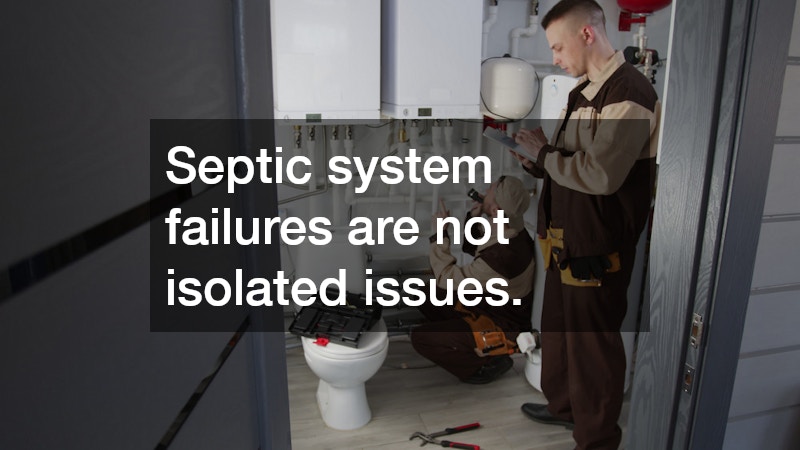
Septic system failures are not isolated issues. When wastewater enters shared waterways or drainage systems, it can affect neighboring properties and entire communities. Local water quality may decline, recreational areas can become unsafe, and public health advisories may be issued. In rural or semi-rural areas where septic systems are common, widespread neglect can create regional environmental and health challenges. Responsible maintenance is not only a personal obligation but a community safeguard.
Can Septic System Failures Be Prevented?
Routine inspections are a critical component of septic system care. Professional evaluations can identify early signs of trouble, such as sludge buildup, damaged components, or drainage issues, before they escalate into failures. Inspections also help determine appropriate pumping intervals based on system size, household usage, and tank condition. Working with a qualified septic pumping company ensures these assessments are thorough and accurate, supporting proactive maintenance rather than reactive repairs.
Homeowner habits play a significant role in septic system health. Avoiding the disposal of non-biodegradable items, grease, harsh chemicals, and excessive food waste helps prevent clogs and bacterial imbalance within the tank. Water conservation is equally important. Reducing excessive water usage prevents overloading the system and allows proper separation and treatment of waste. Simple practices, such as spreading out laundry loads and fixing leaks promptly, can make a meaningful difference.
While daily habits matter, professional servicing is essential for long-term system reliability. Trained technicians have the equipment and expertise to safely remove accumulated waste, inspect components, and recommend corrective actions when needed. Partnering with an experienced septic pumping company provides peace of mind that maintenance is handled correctly and in compliance with local regulations. Professional care not only protects the system but also reduces the likelihood of emergencies and unexpected expenses.
Routine septic care is a critical but often underestimated aspect of property maintenance. Skipping regular pumping and inspections exposes homeowners to serious risks, including environmental contamination, health hazards, and costly system failures. What begins as a hidden issue underground can quickly escalate into a visible and disruptive problem.
By prioritizing inspections, practicing responsible waste management, and working with qualified professionals, homeowners can prevent most septic-related failures. Proactive maintenance protects not only your property and finances but also the health of your household and surrounding community. Addressing septic care before problems arise is the most effective way to avoid the hidden risks of neglect.