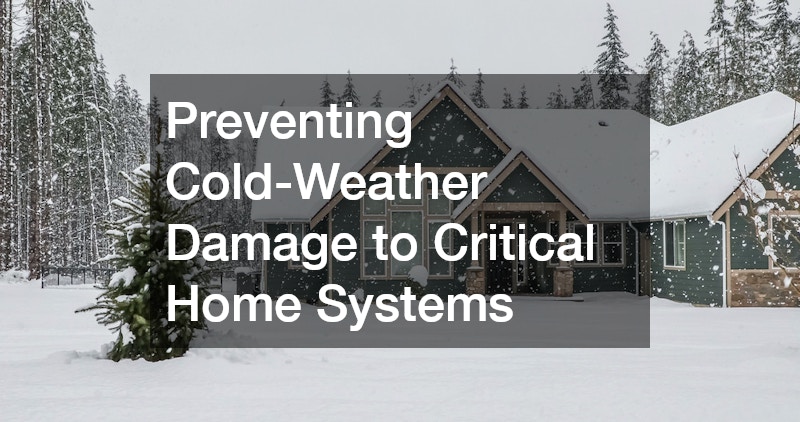
Cold weather places unique and often underestimated stress on a home. Freezing temperatures, moisture intrusion, and sudden storms can push aging systems past their limits, leading to costly repairs and safety risks. Many winter-related problems don’t appear overnight; they build quietly until a system fails at the worst possible time. Understanding how winter affects your home allows you to take preventative steps before damage occurs.
What makes cold-weather damage especially challenging is how interconnected home systems are. A small issue—like a draft, a minor leak, or inconsistent heating—can quickly cascade into larger problems when temperatures stay below freezing. Pipes freeze faster in poorly heated spaces, electrical components struggle under moisture exposure, and structural materials weaken with repeated freeze-thaw cycles. These issues often remain hidden until visible damage or complete system failure occurs.
Homeowners are often reactive rather than proactive during winter, addressing problems only after they disrupt daily life. Unfortunately, emergency repairs during cold weather are typically more expensive, harder to schedule, and more invasive than preventative maintenance performed ahead of time. Winter conditions also limit repair options, increasing downtime and discomfort.
This guide is designed to help homeowners shift from reaction to prevention. By explaining where cold-weather risks originate and outlining specific, practical steps to reduce them, you’ll be better equipped to protect your home before winter takes its toll. With preparation and awareness, winter becomes far less stressful—and far more manageable.
How Freezing Temperatures Stress Your Home
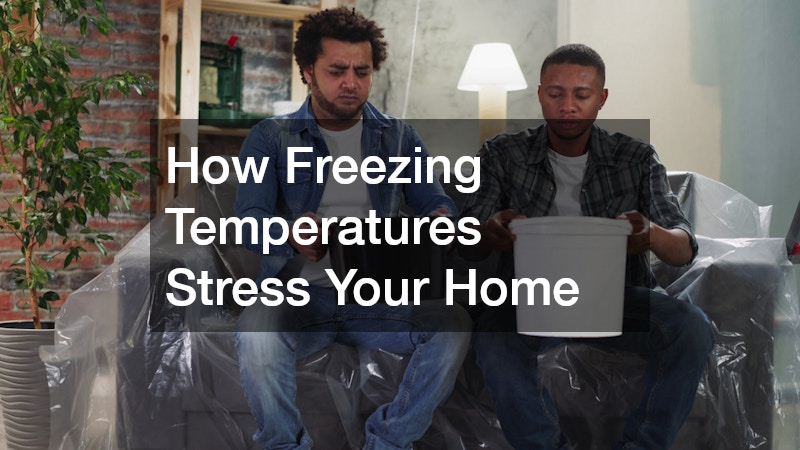
Cold weather affects homes through expansion, contraction, and moisture movement. Materials like metal, wood, and plastic all respond differently to temperature changes, creating stress at joints, seals, and connection points. Over time, this stress leads to cracks, leaks, and mechanical failures that may not be immediately visible but worsen with repeated exposure to cold.
Wind-driven cold compounds the issue by forcing air into small gaps in the building envelope. This not only increases heating costs but also creates cold pockets that can freeze pipes or damage structural components. As warm air escapes and cold air enters, condensation can form inside walls, further accelerating wear. Homes with deferred maintenance are especially vulnerable because small weaknesses become failure points during extreme weather.
Homeowners should pay close attention to subtle changes during winter, such as new drafts, unusual noises, or inconsistent heating. These are often early indicators that a system is under strain. Addressing these signs early can prevent cascading failures across multiple systems and reduce the likelihood of unexpected, costly repairs.
Keeping Heating Equipment Reliable Through Winter
Your heating system works harder in winter than at any other time of year. Reduced airflow, worn components, or dirty filters can significantly reduce efficiency, forcing the system to run longer and increasing wear. This not only raises energy bills but also shortens the lifespan of the equipment.
A seasonal inspection should include checking burners, blowers, and safety controls. Uneven heating, short cycling, or unfamiliar noises often signal internal issues that worsen in cold weather. Ignoring these signs can lead to complete breakdowns during peak demand.
In some homes, declining performance is a sign that furnace replacement is becoming unavoidable. Older units struggle to maintain output in extreme cold, especially if repairs have been deferred. Addressing replacement proactively avoids emergency installations during winter storms.
Working with a reputable HVAC company before winter sets in allows homeowners to identify risks early. Scheduled maintenance helps ensure safe operation, consistent heat, and fewer surprises when temperatures drop below freezing.
Preventing Frozen Pipes and Water Damage
Water systems are among the most vulnerable during cold weather. Pipes running through exterior walls, attics, or unheated spaces can freeze quickly during prolonged cold snaps. Once frozen, internal pressure builds until the pipe bursts, often causing extensive water damage.
Homeowners should start by identifying high-risk pipe locations and adding insulation where possible. Maintaining a consistent indoor temperature, even when away, helps reduce freezing risk. Letting faucets drip slightly during extreme cold can also relieve pressure within pipes.
Knowing where shutoff valves are located is critical for minimizing damage if a pipe does fail. A fast response can mean the difference between minor cleanup and major restoration. Routine plumbing inspections help identify corrosion, weak joints, or outdated materials before winter exposes them.
In older homes, upgrading pipe insulation or rerouting exposed lines may be a worthwhile long-term investment. Preventative work is far less costly than repairing structural damage caused by burst pipes.
Protecting Electrical Systems During Winter Storms
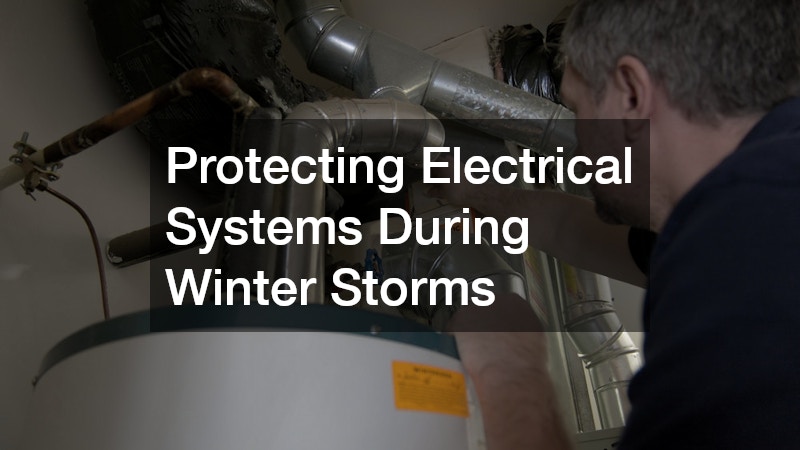
Winter storms introduce moisture, ice, and heavy winds that can compromise electrical systems. Exterior connections and aging wiring are particularly susceptible to damage when water infiltrates enclosures or freezes around components. Even minor exposure can cause shorts, corrosion, or fire hazards.
Homeowners should monitor warning signs such as flickering lights, tripped breakers, or outlets that feel warm to the touch. These symptoms often indicate underlying issues that worsen under cold, damp conditions. Addressing them early improves safety and reliability.
When problems arise, professional electrical services are essential to ensure repairs meet safety standards. Temporary fixes or DIY solutions can create long-term hazards, especially during winter when systems are under additional stress.
In regions prone to wildfires or heavy storms, winter is also a time to evaluate broader utility fire mitigation planning. Clearing vegetation, maintaining service clearances, and updating aging equipment reduces risks that extend beyond the home itself.
Reducing Heat Loss Through the Home Exterior
A home’s exterior plays a critical role in winter comfort and energy efficiency. Small gaps around openings allow warm air to escape while drawing cold air inside, forcing heating systems to work harder. These leaks often worsen in winter as materials contract.
Homeowners should inspect seals, caulking, and frames for visible gaps or cracking. Drafts near openings are a clear sign that air sealing needs attention. Temporary measures like weatherstripping can provide short-term relief, but permanent fixes deliver better long-term results.
Proper window installation is one of the most effective ways to reduce heat loss. Poorly installed or aging windows allow significant air infiltration, undermining insulation elsewhere in the home. Upgrading or correcting installation issues improves comfort immediately.
Beyond comfort, reducing heat loss protects other systems. Stable indoor temperatures lower the risk of frozen pipes and reduce strain on heating equipment throughout the winter season.
Managing Moisture and Cold Below Living Areas
Unconditioned spaces beneath the home often become problem areas in winter. Cold air infiltration and moisture accumulation combine to create damp, chilly conditions that affect floors above. Over time, this can lead to rot, mold growth, and structural deterioration.
Homeowners should check for standing water, condensation, or musty odors in these areas. Insulation alone is rarely sufficient if moisture is not controlled. Addressing both temperature and humidity is key to long-term protection.
A professional crawlspace encapsulation service creates a sealed, insulated environment that stabilizes conditions year-round. This approach reduces moisture intrusion and improves overall energy efficiency. It also helps protect plumbing and ductwork located in these spaces.
By managing lower-level conditions, homeowners improve indoor air quality and reduce heating costs. Winter is often when these benefits become most noticeable.
Maintaining Reliable Hot Water During Cold Months
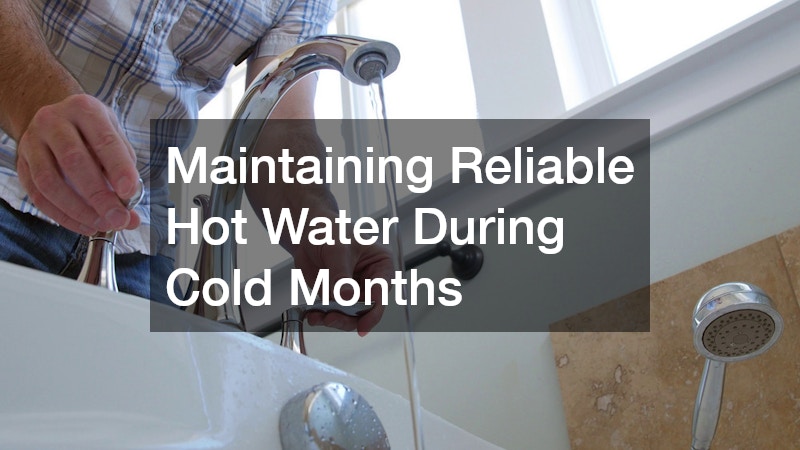
Cold weather increases demand for hot water systems. Incoming water is colder, requiring more energy to reach desired temperatures. At the same time, sediment buildup and aging components reduce system efficiency.
Homeowners should flush tanks periodically and check temperature settings to ensure optimal performance. Insulating exposed pipes connected to the system helps maintain consistent temperatures and reduces heat loss. Small steps like these can significantly extend system lifespan.
Warning signs such as inconsistent water temperature, unusual noises, or visible corrosion suggest deeper issues. In many cases, water heater replacement becomes the most cost-effective solution before a winter failure occurs.
Preventative attention reduces the likelihood of leaks or pressure-related failures during freezing conditions. Reliable hot water is not just a comfort issue—it’s essential for daily household function.
Keeping Entry Systems Functional in Cold Weather
Doors and access points are often overlooked in winter preparation. Temperature changes affect alignment, lubrication, and material flexibility, leading to sticking, gaps, or mechanical strain. These issues compromise both convenience and security, especially when components are already worn. Repeated freezing and thawing can also weaken fasteners and hinges over time.
Homeowners should lubricate moving parts and inspect seals before cold weather arrives. Changes in operation, such as increased resistance or unusual sounds, often indicate developing problems. Drafts around entry points are another warning sign that seals are failing and allowing cold air intrusion. Addressing these issues early prevents complete failure during extreme temperatures.
For attached garages, residential garage door repairs may be necessary if components contract or lose alignment in cold temperatures. Malfunctioning doors allow cold air into adjacent living spaces, increasing heating demand. They can also pose safety risks if automatic systems fail unexpectedly.
Maintaining these systems improves energy efficiency and ensures safe, reliable access throughout winter. Small maintenance tasks, such as tightening hardware or replacing worn seals, can prevent much larger repair bills later and reduce daily frustration during the cold season.
Protecting the Home’s Upper Surfaces From Winter Damage
The top of the home takes the brunt of winter weather. Snow accumulation, ice formation, and freeze-thaw cycles place heavy stress on surfaces and underlying structures. Poor drainage and insulation exacerbate these effects by allowing moisture to linger and refreeze repeatedly, increasing the risk of deterioration.
Homeowners should watch for uneven snow melt, icicles, or water stains indoors. These signs often indicate trapped heat or moisture problems that worsen over time. Ice dams, in particular, can force water beneath surface materials and into interior spaces. Clearing debris from drainage paths helps prevent ice buildup and reduces unnecessary weight on upper surfaces.
Timely roof repairs address damaged shingles, flashing issues, or weak spots before winter intensifies them. Delaying repairs allows small problems to turn into leaks and interior damage that are far more expensive to resolve during cold weather.
Proper attic insulation and ventilation also play a role in preventing winter-related deterioration. By maintaining consistent temperatures and allowing moisture to escape, these measures protect both the structure and the systems beneath it throughout the season.
Building a Practical Winter Maintenance Plan
Preventing cold-weather damage requires coordination across multiple systems. A structured maintenance plan helps homeowners prioritize tasks and avoid last-minute emergencies. Not every improvement needs to happen at once, but awareness is essential for making informed decisions before winter conditions intensify.
Start by identifying systems most vulnerable in your climate and home design. Older homes, poorly insulated areas, and previously repaired systems often need extra attention. Schedule professional inspections early and handle basic maintenance tasks before temperatures drop, when access and repair options are less limited. Keep a checklist to track seasonal responsibilities and note any issues that should be addressed in the spring.
Budgeting for preventative work often saves money compared to emergency repairs. Winter failures tend to be more disruptive, expensive, and difficult to schedule due to high demand and harsh conditions. Planning keeps costs predictable, reduces stress, and allows homeowners to address problems on their own timeline rather than in crisis mode.
Preventing cold-weather damage is less about reacting to emergencies and more about understanding how winter stress accumulates over time. Freezing temperatures, moisture, and heavy demand don’t usually cause immediate failure on their own—they expose weaknesses that already exist. When those weaknesses go unaddressed, small problems escalate quickly, often at the most inconvenient moment. Preparation shifts the balance back in the homeowner’s favor.
A well-maintained home performs more predictably in winter. Heating systems run more efficiently, water systems remain stable, and structural components better withstand seasonal stress. Just as importantly, proactive care reduces safety risks tied to electrical issues, water damage, and structural deterioration. These benefits extend beyond winter, improving year-round comfort and long-term property value.
Cold-weather preparation doesn’t require tackling everything at once. It starts with awareness, followed by prioritizing the most vulnerable systems in your home. Regular inspections, timely maintenance, and strategic upgrades create layers of protection that compound over time. Each step reduces strain on other systems, making the entire home more resilient.
Winter will always test a home, but it doesn’t have to overwhelm it. By taking a preventative approach, homeowners gain control, reduce unexpected costs, and maintain peace of mind throughout the coldest months of the year.