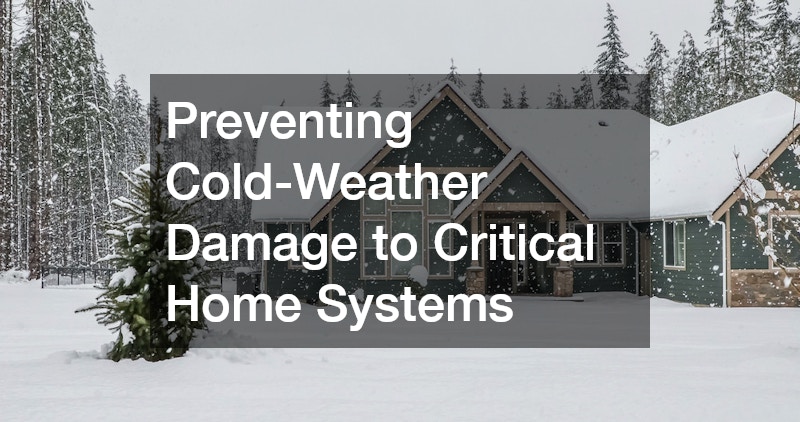
Owning a home comes with a steady stream of responsibilities, and the most expensive problems often start as small, easily overlooked issues. A slow drip, a minor draft, or a patch of soggy ground can quietly grow into a major disruption if left unchecked. The good news is that many of these situations are preventable with consistent attention and a practical approach to upkeep.
Smart home care is less about tackling massive projects and more about building habits that help you spot changes early. When you understand how different systems behave under normal conditions, it becomes much easier to recognize when something is off. This awareness allows you to act before damage spreads, saving money and reducing stress. You’ll learn what to watch for, which tasks are safe to handle on your own, and how to make informed decisions that keep your home running smoothly year after year.
Know When a Small Leak Is Becoming a Big Problem

Water-related issues rarely announce themselves loudly at first. Instead, they show up as subtle changes that are easy to dismiss during a busy week. Learning to recognize early warning signs helps you act before damage escalates and before you’re forced to call emergency plumbers for urgent fixes.
Watch for clues such as unexplained increases in utility bills, damp cabinet interiors, or musty odors that linger even after cleaning. These signs often indicate slow leaks behind walls or under fixtures. Left untreated, they can weaken structural materials and encourage mold growth.
Actionable steps homeowners can take include:
- Checking under sinks and around fixtures once a week
- Listening for running water when no taps are open
- Monitoring ceilings and walls for discoloration
Catching these problems early allows you to address them on your schedule, often with simple repairs, rather than dealing with costly after-hours service calls.
Protect Pipes With Simple Monthly Maintenance Habits
Blockages and buildup don’t happen overnight. They form slowly as everyday residue coats the inside of drain lines, narrowing the passage and restricting water flow over time. This gradual process often goes unnoticed until a sink backs up or a foul odor appears, signaling that the problem has already progressed. Regular pipe cleaning interrupts this cycle by removing early buildup before it hardens or traps additional debris. When drains remain clear, water moves freely, reducing pressure on joints and connections and lowering the risk of leaks that can damage floors, cabinets, and walls.
A smart routine starts with awareness and quick response. Noticing how long water takes to drain after washing dishes or showering can reveal early trouble long before a full clog forms. Grease, soap residue, food particles, and hair are the most common contributors, especially in kitchens and bathrooms where daily use is highest. Simple habits, such as wiping plates before rinsing and using drain strainers, limit what enters the system. Addressing minor slowdowns right away—rather than waiting for standing water—keeps drains functioning properly and helps homeowners avoid disruptive and costly repairs later on.
Helpful DIY habits include:
- Flushing drains with hot water weekly
- Using strainers to catch debris before it enters drains
- Avoiding harsh chemicals that can degrade materials over time
Consistent attention prevents pressure buildup and reduces strain on connected systems, extending their lifespan and minimizing surprise failures.
Manage Water Flow to Extend System Lifespan
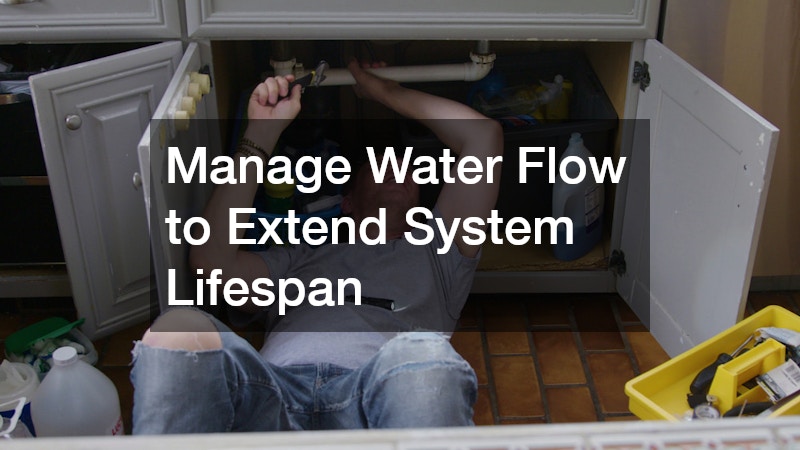
Understanding how water moves through your home is key to preventing long-term damage. When plumbing components are under constant stress from high pressure or inconsistent use, wear accelerates and weak points form.
Simple tests can reveal potential issues before they become expensive. For example, attaching a pressure gauge to an outdoor spigot helps determine whether flow levels fall within a safe range. Excess pressure can strain connections and cause hidden leaks, while low pressure may signal developing obstructions.
Homeowners should also:
- Pay attention to changes in water flow during routine use
- Address rattling or vibrating sounds promptly
- Schedule periodic inspections after noticeable changes
By keeping plumbing conditions stable, you reduce the likelihood of sudden failures and create a more predictable maintenance schedule.
Prevent Septic System Failures Before They Start
Homes that rely on on-site waste systems require a different approach to maintenance because these systems depend on balance and regular care to function properly. Neglecting routine septic tank pumping allows solid waste to build up inside the tank, reducing its capacity and interfering with the natural breakdown process. As solids accumulate, they can move into the drain field, clogging soil pores and preventing proper absorption. This not only increases the risk of backups inside the home but also raises the chance of soil contamination that can affect nearby landscaping and water sources.
Problems with these systems often develop quietly and progress over time. Early warning signs may include drains that empty more slowly than usual, gurgling sounds in plumbing fixtures, or persistent odors outdoors near the tank or drain field. Because these symptoms can seem minor at first, they are easy to ignore until wastewater surfaces in places it shouldn’t, such as low drains or yard areas. At that stage, repairs are often extensive, expensive, and disruptive to daily life. Preventive care centers on reducing overall system strain by spacing out water use, being mindful of what goes down drains, and monitoring performance regularly. Consistent attention helps preserve system efficiency and prevents small issues from turning into major failures.
Smart habits include:
- Spacing out water-heavy activities throughout the week
- Avoiding disposal of grease, wipes, or non-degradable items
- Keeping detailed records of service intervals
Staying consistent with maintenance helps protect surrounding soil, prevents environmental issues, and keeps your household running without interruption.
Maintain Reliable Water Access in Rural Homes
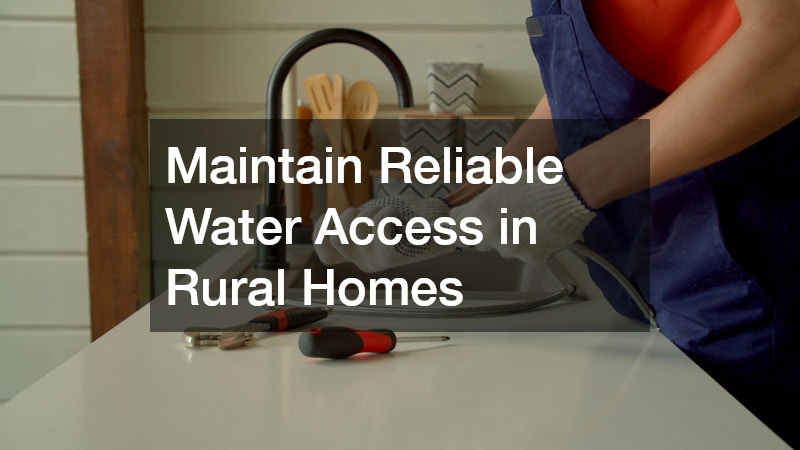
Properties that draw water from private sources require extra vigilance. Changes in clarity, taste, or pressure can indicate deeper issues that warrant professional input from a water well contractor.
Homeowners can track system health by paying attention to subtle shifts in daily use. Sediment in fixtures or inconsistent flow may signal mechanical wear or contamination concerns. Early evaluation often prevents larger disruptions that affect the entire household.
Helpful preventive actions include:
- Scheduling routine quality testing
- Keeping access points clear and protected
- Monitoring pump cycling patterns
By staying observant and addressing concerns early, you preserve reliable access and avoid emergency repairs that can leave your home without water for extended periods.
Reduce Fire and Flood Risks From Aging Equipment
Older systems often fail without warning, especially when they are pushed beyond their intended lifespan or subjected to years of mineral buildup and fluctuating demand. As components wear down, efficiency drops and internal pressure increases, making sudden breakdowns more likely. Planning ahead for water heater installation allows homeowners to stay in control rather than reacting to an unexpected failure that can leave them without hot water or cause leaks that damage floors, walls, and surrounding storage areas. A proactive approach also reduces the chance of water damage spreading before the issue is noticed.
Recognizing early warning signs is key to avoiding last-minute decisions. Inconsistent water temperatures, rumbling or popping noises, and visible corrosion around the tank or connections often signal that internal parts are deteriorating. These symptoms rarely improve on their own and typically worsen with continued use. Addressing them early provides time to research energy-efficient options, budget appropriately, and schedule replacement at a convenient time. By acting before a complete failure occurs, homeowners can minimize disruption, improve reliability, and extend the overall safety and performance of their home’s systems.
To reduce risk:
- Set appropriate temperature levels to minimize strain
- Inspect surrounding areas for moisture or rust
- Plan replacements before failure occurs
Proactive upgrades protect both safety and comfort while reducing the likelihood of costly emergency damage.
Strengthen Your Home’s Envelope to Avoid Interior Damage

Openings in a home’s exterior are common entry points for moisture and air leaks. Regular inspection of each window helps prevent gradual deterioration that can lead to rot, drafts, and higher energy costs.
Even small gaps or worn seals can allow water intrusion during heavy storms. Over time, this moisture compromises surrounding materials and invites pests. Addressing issues early preserves interior finishes and structural integrity.
Effective DIY checks include:
- Inspecting seals and frames seasonally
- Looking for condensation between panes
- Resealing minor gaps as soon as they appear
These simple steps reduce long-term repair needs and help maintain a comfortable indoor environment year-round.
Avoid Drainage Problems by Managing Your Property’s Terrain
Water naturally follows the path of least resistance, and when outdoor areas are not properly maintained, runoff can be unintentionally directed toward a home instead of away from it. Strategic land clearing helps preserve natural drainage patterns by removing obstacles that alter how water moves across the property. Without this attention, soil can erode unevenly, creating channels that funnel rainwater toward foundations. Over time, repeated exposure to excess moisture weakens exterior materials and increases the likelihood of cracks, shifting, and long-term structural stress.
Overgrown vegetation, fallen branches, and accumulated debris act like dams, trapping moisture and blocking natural flow paths. When water lingers near the home, it saturates surrounding soil and increases hydrostatic pressure against exterior walls. This added pressure makes it easier for moisture to seep into lower levels, including crawl spaces and basements, where it can cause dampness, mold growth, and material deterioration. Keeping outdoor areas clear allows water to drain efficiently, protecting both the landscape and the home from preventable moisture-related damage.
Preventive measures include:
- Keeping slopes clear and graded away from the home
- Removing debris that blocks natural channels
- Monitoring changes after heavy rainfall
Maintaining clear pathways for water protects both your yard and your home’s foundation from gradual damage.
Improve Soil Health to Protect Foundations and Utilities
Healthy soil absorbs and distributes moisture more effectively than compacted or depleted ground. Thoughtful lawn fertilizing supports balanced growth, which helps regulate runoff and stabilize surrounding areas.
Poor soil conditions often lead to uneven absorption, causing water to collect in unwanted places. Over time, this imbalance affects underground components and nearby structures.
Homeowners can improve conditions by:
- Testing soil to determine nutrient needs
- Applying treatments during appropriate seasons
- Avoiding over-application that leads to runoff
Consistent care promotes stronger root systems and more predictable water movement, reducing stress on nearby infrastructure.
Plan Upgrades That Reduce Long-Term Repair Risks
Large projects are opportunities to correct recurring issues and improve access to critical systems that may otherwise remain hidden behind walls or under flooring. Strategic home remodeling gives homeowners the chance to address outdated materials, poor layouts, or hard-to-reach components that contribute to repeated maintenance problems. By opening up spaces during renovations, it becomes easier to reinforce weak areas, improve access for future repairs, and resolve issues that might not be practical to fix during smaller, isolated projects.
Upgrades that enhance layout, ventilation, or material quality often lead to fewer maintenance demands over time. Improved airflow helps regulate moisture, while durable materials resist wear and reduce the need for frequent repairs. Thoughtful planning plays a key role in these outcomes, as rushed decisions can introduce new challenges such as restricted access or incompatible systems. When improvements are made with long-term performance in mind, remodeling becomes more than a cosmetic upgrade—it becomes a proactive step toward a safer, more reliable home.
Consider focusing on:
- Improving access to shutoff points and service areas
- Choosing materials designed for longevity
- Coordinating upgrades to minimize disruption
Well-planned improvements serve as long-term investments, lowering the likelihood of future emergencies and costly repairs.
Preventing expensive home emergencies isn’t about constant worry or complicated routines and maintenance. It’s about awareness, consistency, and knowing when to act. Most serious problems begin with small, manageable signs that are easy to overlook during daily life. By paying attention to subtle changes—such as unusual sounds, slow drains, or minor drafts—and building simple maintenance habits, homeowners can intervene early. These small, regular efforts help stop minor concerns from escalating into major disruptions that demand immediate, costly repairs and create unnecessary stress.
The strategies outlined in this article emphasize practical steps that fit naturally into everyday life rather than overwhelming to-do lists. When these habits are paired with thoughtful planning and timely professional support, they work together to create a safer and more reliable living environment. Over time, this proactive approach reduces uncertainty, protects the home’s value, and minimizes unexpected expenses. Instead of reacting to emergencies as they arise, homeowners gain confidence in their ability to manage their space, allowing them to enjoy their home with greater peace of mind and long-term stability.