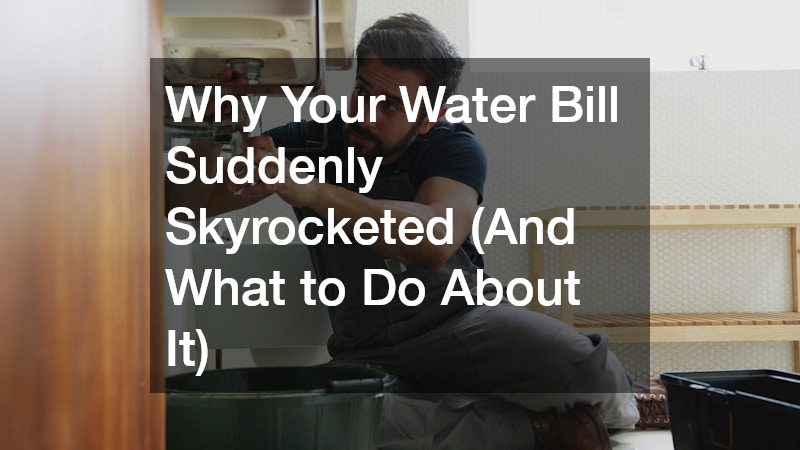
Opening your monthly utility statement should not feel like a jump-scare in a horror movie. For most homeowners, water costs remain relatively static, fluctuating only slightly with the change of seasons or the addition of a new houseguest. However, when that total leaps from a manageable double-digit figure to a staggering triple-digit surprise, panic is a natural response. Before you assume the city has made a clerical error, it is time to put on your detective hat. A sudden spike in water usage is almost always a symptom of a hidden issue within your home’s plumbing infrastructure.
Understanding where the water is going is the first step toward reclaiming your budget and protecting your property from long-term damage.
The most common culprit for a climbing bill is often the quietest: the running toilet. It seems harmless enough, but a toilet that fails to seal properly can waste hundreds of gallons of water every single day. Usually, this is caused by a worn-out flapper valve that no longer creates a watertight seal, allowing water to constantly trickle from the tank into the bowl. You can test this easily by dropping a few beads of food coloring into the tank and waiting twenty minutes without flushing. If the water in the bowl changes color, you have found your leak. While a flapper replacement is a simple and inexpensive DIY fix, ignoring it can add significant costs to your monthly statement.
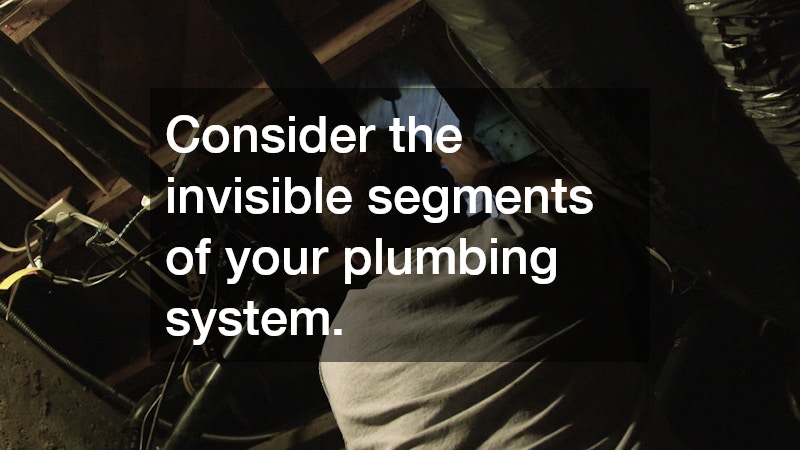
Beyond the bathroom, you must consider the invisible segments of your plumbing system. Most people check their faucets and showerheads for drips, but they forget about the appliances that work behind the scenes. A malfunctioning water softener or an aging water heater can develop internal leaks that are difficult to spot. If your water heater is over a decade old, check the area around the base for dampness or rust. Even a small pinhole leak in a supply line can lead to thousands of gallons of wasted water over a billing cycle. Similarly, if you have an automatic irrigation system, a broken sprinkler head or a cracked underground pipe can bleed the system dry without you ever seeing a puddle on the surface.
One of the more serious reasons for a dramatic price hike involves the main water line or the pipes buried beneath your home’s foundation. If your home is built on a concrete slab, a pipe failure underneath that concrete can be catastrophic. This is known as a slab leak, and it is particularly insidious because the water is absorbed by the ground or trapped under the house. You might notice warm spots on your floor, a musty odor, or the sound of rushing water even when all your taps are closed. When you suspect this type of deep-seated plumbing failure, searching for a local slab leak repair company is the most responsible course of action. Professionals use specialized acoustic equipment and thermal imaging to pinpoint the exact location of the break without tearing up your entire floor.
If you have inspected your toilets, faucets, and appliances and still cannot find the source of the waste, it is time to perform a meter test. Locate your water meter, which is typically found in a box near the street or in the basement. Ensure that every single water-consuming device in your home is turned off, including ice makers and dishwashers. Look at the leak indicator on the meter dial; it is often a small red or silver triangle or a digital readout. If that dial is spinning while no water is being used, you have a confirmed leak somewhere in your line. This test confirms that the issue is mechanical rather than a billing error from the utility provider.
The financial impact of a leak is only the tip of the iceberg. Persistent water intrusion can lead to structural rot, warped flooring, and the growth of hazardous mold. In the case of foundation leaks, the constant flow of water can eventually wash away the soil supporting your home, leading to cracks in the walls and ceiling. Addressing the problem immediately is not just about lowering your bill; it is about preserving the equity and safety of your home. Many homeowners make the mistake of waiting until the next billing cycle to see if the “glitch” resolves itself, but plumbing issues are rarely self-correcting.
Once the repair is complete, you may be able to recoup some of your losses. Many municipal water departments offer a “leak adjustment” credit for customers who can provide proof of repair, such as a receipt from a licensed plumber. While they won’t always cover the entire overage, they often credit back a portion of the sewer charges or the excess water fees. It never hurts to call your provider and ask about their policy regarding accidental water loss.
Moving forward, the best defense against a skyrocketing bill is proactive monitoring. Consider installing a smart water monitor on your main line. These devices sync to your smartphone and can alert you the moment they detect an unusual flow pattern, even shutting off the water automatically if a major pipe bursts. While the initial investment in technology or professional inspections might seem high, it pales in comparison to the cost of an undetected leak. By staying vigilant and acting quickly at the first sign of trouble, you can ensure that your water bill remains a predictable, boring part of your monthly routine.