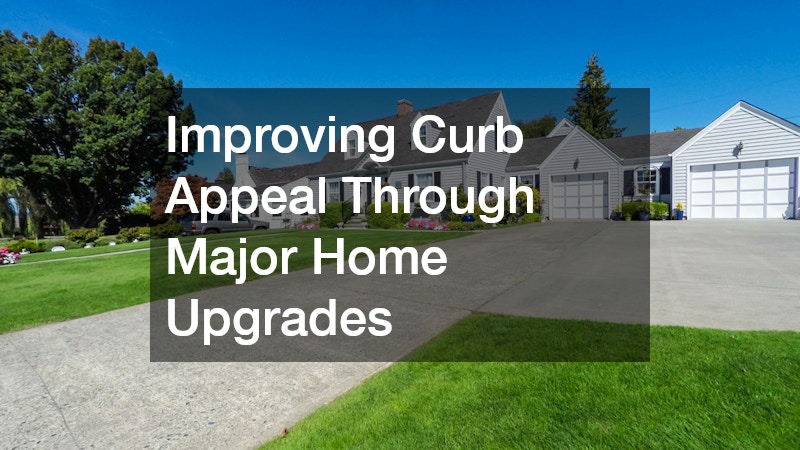
Curb appeal plays a major role in how a home is perceived at first glance, influencing everything from neighborhood pride to resale value. Whether someone is visiting for the first time or considering purchasing a property, the exterior creates an immediate impression that can either invite interest or discourage it. While landscaping and paint color often get the most attention, true curb appeal comes from multiple coordinated upgrades working together.
Improving a home’s exterior is not just about aesthetics—it’s about function, protection, and long-term value. Structural integrity, drainage systems, roofing, siding, and outdoor living spaces all contribute to how polished and well-maintained a property appears. When these elements are neglected or mismatched, even a beautiful home can feel unfinished or outdated.
This guide explores the most impactful exterior upgrades homeowners can make. From planning large-scale renovations to enhancing small but important details, each section focuses on actionable steps that improve both appearance and performance.
Building a Strong Foundation for Exterior Projects
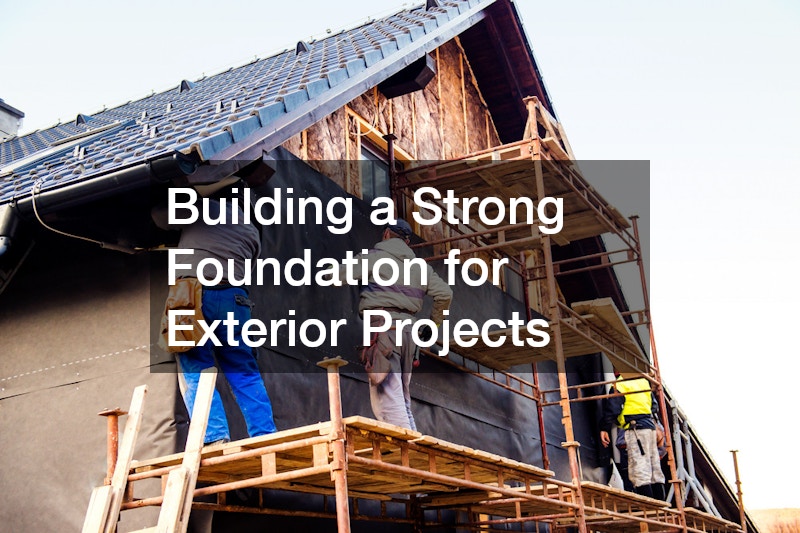
Successful curb appeal improvements often begin long before any visible changes are made. The planning phase determines whether a project will feel cohesive or disjointed once completed. Homeowners should start by identifying their long-term goals: improved resale value, better functionality, or a full visual transformation. Taking time at this stage helps prevent rushed decisions that can lead to mismatched materials, unnecessary expenses, or incomplete upgrades that fail to elevate the property as a whole.
Working with experienced professionals is one of the most important decisions in this stage. Choosing reliable home builders ensures that structural upgrades and design improvements are aligned with the overall vision. They help coordinate timelines, manage permits, and ensure that each phase of the project supports the next. In addition, they can anticipate potential construction challenges early, such as drainage issues, foundation limitations, or outdated framing, which may otherwise delay progress later in the project.
When customization becomes a priority, collaborating with custom home builders can help homeowners refine details that reflect personal style while maintaining structural integrity. These specialists are especially useful when blending modern upgrades with existing architectural features. They can also suggest design enhancements homeowners may not initially consider, such as improved window placement, adjustments to exterior symmetry, or material combinations that elevate curb appeal without compromising durability.
Beyond hiring professionals, successful planning also involves researching material options and understanding how each decision affects long-term maintenance. For example, choosing low-maintenance finishes may reduce upkeep costs, while higher-end materials may require a higher upfront investment but deliver greater longevity and visual impact. Homeowners should also consider seasonal weather patterns in their region to ensure exterior improvements remain resilient year-round.
Key planning considerations include:
- Establishing a clear budget range before design work begins
- Reviewing zoning laws or neighborhood restrictions
- Identifying which exterior elements need immediate attention
- Creating a phased timeline for major upgrades
- Ensuring consistency in architectural style across all improvements
- Evaluating long-term maintenance requirements for selected materials
- Coordinating with professionals early to avoid scheduling delays
A strong planning foundation reduces costly mistakes and ensures that every improvement contributes meaningfully to the home’s overall curb appeal.
Structural Improvements That Support Exterior Transformation
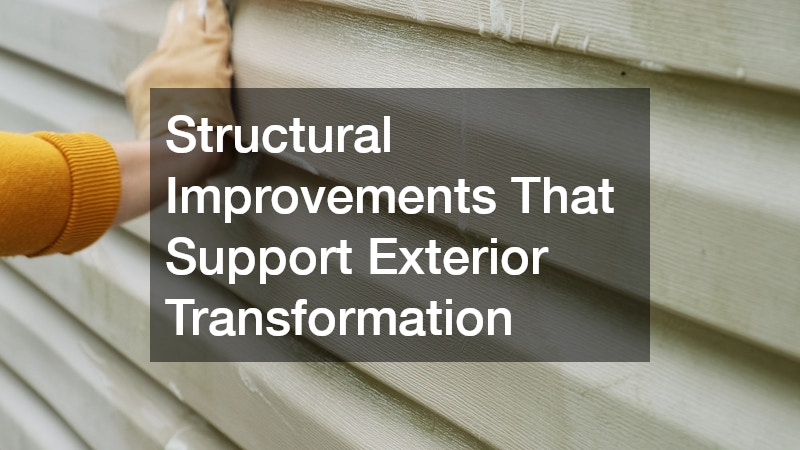
Once planning is complete, attention should shift toward the structural components that protect and support the home. These upgrades are not always visually dramatic at first, but they are essential for long-term durability and appearance. In fact, structural improvements often determine whether exterior upgrades will hold up over time or require costly repairs. Addressing these foundational systems early ensures that every cosmetic enhancement rests on a stable and reliable base.
Large-scale custom home construction projects often begin with an evaluation of the existing structure to determine whether modifications or reinforcements are needed. This process ensures that any exterior enhancements are built on a stable foundation, preventing future issues that could damage aesthetic improvements. During this phase, professionals may assess load-bearing walls, foundation settling, moisture intrusion points, and framing alignment. Even small structural weaknesses can become major concerns once heavier materials or new exterior finishes are added.
Roofing is another critical area. Hiring experienced roof installers ensures that materials are properly fitted and sealed, which directly impacts both appearance and performance. A poorly installed roof can lead to uneven lines, water damage, and premature aging of the entire exterior. In addition, properly installed roofing systems improve ventilation and energy efficiency, reducing long-term utility costs and extending the lifespan of other exterior components.
Homeowners should also consider how structural upgrades interact with future design choices. For example, reinforcing framing may be necessary before adding heavier siding materials or expanding rooflines. Planning these details in advance prevents unnecessary reconstruction later in the project.
Practical steps for this stage include:
- Inspecting the home’s structural frame for wear or damage
- Coordinating construction phases to avoid overlapping disruptions
- Ensuring roofing systems meet current weather resistance standards
- Verifying contractor licensing and insurance coverage
- Planning upgrades that support long-term energy efficiency
- Identifying areas where reinforcement is needed before exterior installation
- Scheduling inspections before and after major structural work
When structural integrity is prioritized, all future exterior improvements are more durable and visually consistent. This stage sets the tone for everything that follows.
Exterior Surface Upgrades That Refresh Visual Appeal
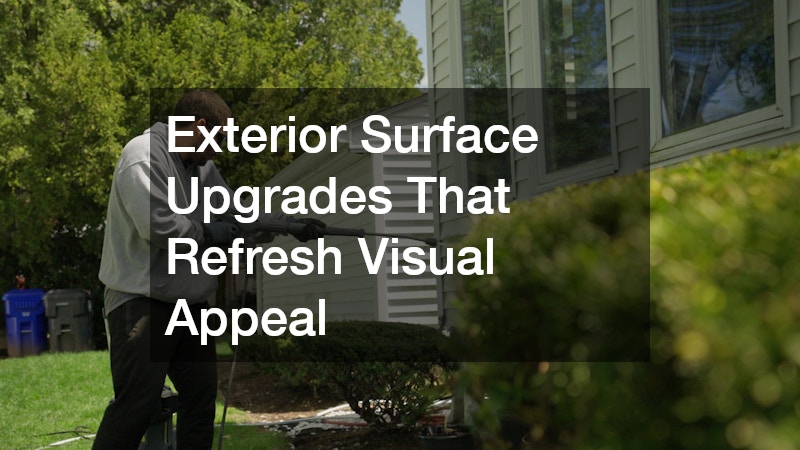
The most noticeable changes in curb appeal often come from updating exterior surfaces. Roofing and siding play a major role in shaping how modern, clean, and well-maintained a home appears from the street. These elements cover the largest visible portions of a house, meaning even subtle updates can dramatically shift first impressions. When surfaces look cohesive and well-kept, the entire property feels more valuable and inviting.
If a roof is aging, discolored, or damaged, roof replacement can dramatically improve both appearance and functionality. A new roof instantly refreshes the home’s silhouette and can significantly increase perceived value. It also provides better protection against weather conditions, reducing long-term maintenance costs. Beyond aesthetics, modern roofing systems often include improved ventilation layers and reflective materials that help regulate indoor temperatures more efficiently. This makes roof replacement one of the highest-impact exterior upgrades both visually and functionally.
Siding is equally important. Working with a skilled siding contractor ensures that exterior walls are updated with materials that improve insulation, durability, and visual harmony. New siding can completely transform a home’s style, making it appear more modern, cohesive, or architecturally refined. Contractors can also help homeowners select profiles and finishes that complement the roofline, window trim, and landscaping, creating a unified design.
When planning surface upgrades, it is also important to consider how materials age over time. Some finishes fade faster in direct sunlight, while others require less maintenance but cost more initially. Factoring in climate conditions and long-term upkeep helps ensure the investment remains visually appealing for years.
Consider these improvement strategies:
- Match roofing and siding colors for a unified exterior palette
- Choose materials that balance durability with design preference
- Replace worn or faded surfaces rather than patching inconsistencies
- Use texture variations to add depth to flat exterior walls
- Prioritize energy-efficient materials to reduce utility costs
- Select finishes that complement architectural style and surrounding homes
- Plan upgrades together to avoid mismatched transitions between materials
When roofing and siding are updated together, the home often appears newly built rather than renovated, which significantly improves curb appeal.
Functional Outdoor Enhancements That Add Usability
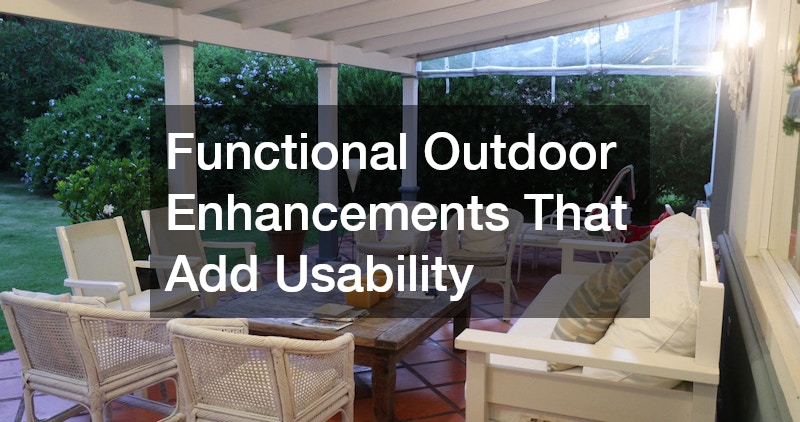
Curb appeal is not only about how a home looks but also how its exterior spaces function. Outdoor systems that manage water and expand living areas contribute significantly to both appearance and practicality. When these systems are thoughtfully designed, they improve everyday usability while also protecting the property’s long-term condition. A well-balanced exterior blends beauty with performance, ensuring the home is both inviting and resilient.
A properly installed gutter system is essential for protecting the home’s foundation, landscaping, and exterior surfaces. Without effective drainage, water can pool around the property, leading to erosion, staining, and structural damage. Clean, well-maintained gutters also help the home appear cared for and structurally sound. In addition to routine cleaning, homeowners should check for proper slope alignment and secure attachment points to ensure water flows efficiently during heavy rainfall. Upgraded gutter guards can also reduce debris buildup and minimize maintenance requirements year-round.
Outdoor living spaces are another major value booster. Working with a professional deck builder allows homeowners to create functional extensions of indoor living areas. A well-designed deck adds usable square footage and provides an inviting space for relaxation and entertainment. Beyond aesthetics, decks can be tailored to specific needs, such as dining areas, fire pit zones, or multi-level entertainment layouts, to enhance flow and usability.
To further improve functionality, homeowners should think about how outdoor spaces connect to the rest of the property. Smooth transitions between indoor rooms and exterior decks create a more natural living experience. Adding shade structures or partial coverings can also extend usability across different seasons and weather conditions.
Ways to improve functionality include:
- Ensuring drainage systems direct water away from the foundation
- Cleaning and inspecting gutters seasonally to prevent blockages
- Designing decks that complement the home’s architecture
- Choosing weather-resistant materials for outdoor structures
- Incorporating lighting and seating for increased usability
- Adding protective coverings or pergolas for seasonal comfort
- Creating seamless transitions between indoor and outdoor spaces
When water management and outdoor design are integrated effectively, the home becomes both more attractive and more functional.
Landscaping Improvements That Complete the Exterior Look
The final layer of curb appeal comes from the landscape surrounding the home. Even the most upgraded exterior can appear unfinished if trees and vegetation are not properly maintained. Landscaping acts as the frame around the home, guiding the eye toward architectural details and reinforcing the overall design style. When neglected, however, it can overwhelm even high-quality exterior renovations and reduce the visual impact of other upgrades.
In some cases, tree removal is necessary to eliminate hazards, improve sunlight exposure, or clear space for structural upgrades. Overgrown or damaged trees can negatively affect both safety and appearance, making removal an important part of larger exterior projects. Trees that lean toward the home, have extensive root damage, or drop excessive debris can also create ongoing maintenance challenges. Removing them strategically opens up space, improves sightlines, and allows other exterior improvements to stand out more clearly.
However, not all trees need to be removed. Regular tree trimming helps maintain shape, encourages healthy growth, and prevents branches from interfering with roofing, siding, or utility lines. Well-maintained trees frame a home beautifully and enhance its overall presence. Proper trimming also improves airflow around the property and reduces the risk of storm-related damage, helping protect both the home and the surrounding landscaping.
Homeowners should also consider how plant placement and lawn maintenance contribute to curb appeal. Overgrown shrubs or uneven grass lines can make a property feel neglected, while clean edges and balanced greenery create a polished, intentional look. Seasonal adjustments, such as refreshing mulch beds or planting complementary flowers, can further enhance visual appeal without requiring major investment.
Landscaping improvement tips include:
- Removing trees that pose structural or safety risks
- Trimming branches that block architectural features
- Maintaining consistent shaping for visual balance
- Clearing debris to improve lawn presentation
- Coordinating landscaping with exterior renovation timing
- Refreshing mulch and garden beds seasonally for color and contrast
- Aligning plant placement with walkways and focal points
When vegetation is properly managed, it highlights the home’s best features rather than distracting from them.
Improving curb appeal requires more than surface-level changes. It involves a coordinated approach that blends structure, materials, functionality, and landscaping into a cohesive design. When each component is carefully planned and executed, the result is a home that feels welcoming, well-maintained, and visually balanced. True curb appeal comes from harmony—when the roofline, siding, outdoor spaces, and surrounding greenery all work together rather than competing for attention. Even small inconsistencies in color, texture, or maintenance can disrupt the overall effect, which is why thoughtful planning and phased execution are so important.
By investing in thoughtful upgrades and maintaining consistency across all exterior elements, homeowners can significantly enhance both the beauty and long-term value of their property. Regular upkeep also plays a key role in preserving these improvements, ensuring that the home continues to look polished year after year. With the right combination of strategic upgrades and ongoing maintenance, any property can achieve a lasting, high-impact transformation that stands out in its neighborhood.