Your home is one of the largest financial investments you will ever make, which is why protecting it should be an ongoing priority throughout the year. Seasonal weather changes place constant stress on roofing systems, plumbing, exterior surfaces, HVAC equipment, and outdoor living spaces. Heat, moisture, snow, wind, and fluctuating temperatures can slowly wear down materials and create costly problems when maintenance is ignored.
Many homeowners wait until visible damage appears before addressing issues, but by that point repairs are often more expensive and disruptive. A smarter approach involves completing preventive upgrades and inspections before seasonal conditions become severe. Regular maintenance not only helps avoid emergencies but also improves energy efficiency, boosts curb appeal, and extends the lifespan of essential home systems.
From improving drainage and protecting roofing materials to maintaining cooling systems and upgrading outdoor areas, strategic seasonal improvements can preserve property value while making your home safer and more comfortable. Understanding which projects deserve attention during different times of the year allows homeowners to plan ahead, budget wisely, and avoid unnecessary stress.
This guide explores practical seasonal upgrades that help protect your investment year-round while reducing long-term repair costs and improving overall property performance.
Prepare Exterior Surfaces Before Harsh Weather Arrives
Exterior surfaces are constantly exposed to rain, snow, sunlight, humidity, and fluctuating temperatures. Over time, this exposure weakens siding, trim, paint, and hardscape materials. Small cracks or worn finishes may seem harmless initially, but they often allow moisture intrusion that leads to structural deterioration.
One of the best ways to protect exterior materials is by scheduling routine inspections before major seasonal changes. Spring and fall are ideal times to evaluate your home’s outer surfaces for signs of wear and damage.
Common warning signs include:
- Peeling or bubbling paint
- Soft or warped wood trim
- Cracked siding panels
- Mold or mildew growth
- Water stains near windows
- Uneven concrete or asphalt surfaces
Addressing these issues early can prevent larger structural problems later. Professional painting contractors can help homeowners identify vulnerable areas and apply weather-resistant coatings that shield surfaces from moisture and UV damage. High-quality exterior paint acts as a protective barrier, helping siding and trim resist seasonal expansion and contraction caused by temperature fluctuations.
Exterior painting projects also improve curb appeal while extending the lifespan of underlying materials. Waiting too long to repaint surfaces often allows moisture to penetrate deeper into wood and siding, leading to rot and more expensive repairs.
Driveways and paved surfaces also deserve seasonal attention. Water infiltration combined with freeze-thaw cycles can quickly expand small cracks into major structural damage. Investing in asphalt driveway paving improvements before winter weather arrives helps maintain proper drainage and prevents potholes from forming.
To improve the durability of exterior surfaces:
- Seal cracks before temperatures drop
- Clean gutters regularly to prevent overflow
- Trim nearby trees to reduce moisture buildup
- Pressure wash surfaces to remove debris and mildew
- Inspect walkways and driveways after heavy storms
Proactive maintenance protects both the appearance and functionality of your property while helping you avoid large-scale restoration costs later.
Strengthen Roofing Systems Before Storm Season
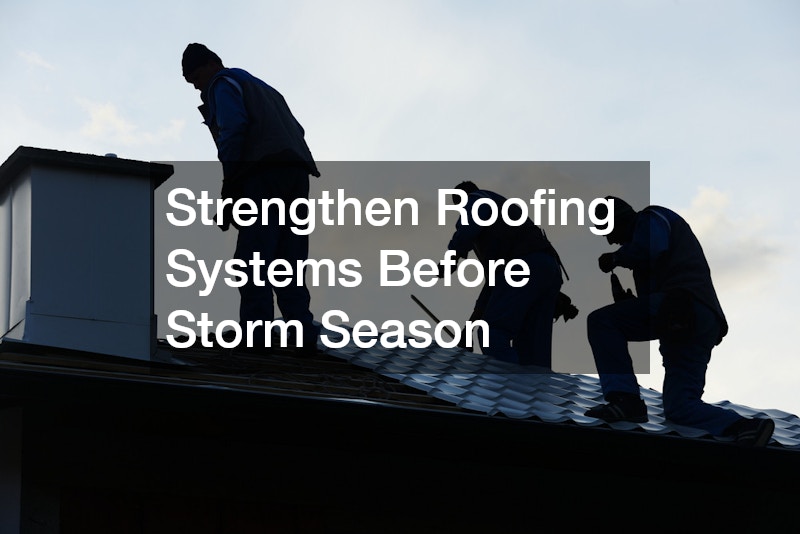
Your roof serves as the first line of defense against weather-related damage, making seasonal inspections essential for long-term property protection. Roofing systems endure constant exposure to rain, snow, hail, heat, and wind, which gradually weakens materials over time.
Many homeowners fail to notice roof problems until leaks appear inside the home, but hidden damage can develop long before visible warning signs emerge. Seasonal roof inspections help identify issues early and allow homeowners to schedule repairs before severe weather creates larger complications.
Important areas to inspect include:
- Missing or curling shingles
- Damaged flashing around vents and chimneys
- Sagging roof sections
- Granule loss on shingles
- Moisture stains in attic spaces
- Blocked roof drainage systems
Experienced roofers can assess the condition of roofing materials and determine whether repairs or replacement solutions are more appropriate. In some cases, patching isolated damage is sufficient. However, older roofs with widespread wear may require more extensive upgrades to maintain structural integrity.
Delaying necessary roofing installation projects can create significant risks during storm season. Water infiltration often spreads quickly beneath damaged shingles, affecting insulation, framing, drywall, and electrical systems. Replacing aging roofing systems before leaks occur is usually more cost-effective than managing extensive interior repairs later.
Homeowners should also understand the importance of proper attic ventilation. Poor airflow allows heat and moisture to accumulate beneath the roof surface, accelerating material deterioration and increasing energy costs. Seasonal ventilation checks help prevent:
- Ice dams during winter
- Mold growth in attic spaces
- Excessive summer heat buildup
- Premature shingle deterioration
When selecting roofing professionals, homeowners should look for:
- Proper licensing and insurance
- Manufacturer certifications
- Written warranties
- Detailed inspection reports
- Strong local references
Routine roofing maintenance can significantly extend the lifespan of your home’s protective systems while helping you avoid emergency repairs during extreme weather events.
Keep Indoor Comfort Systems Running Efficiently Year-Round
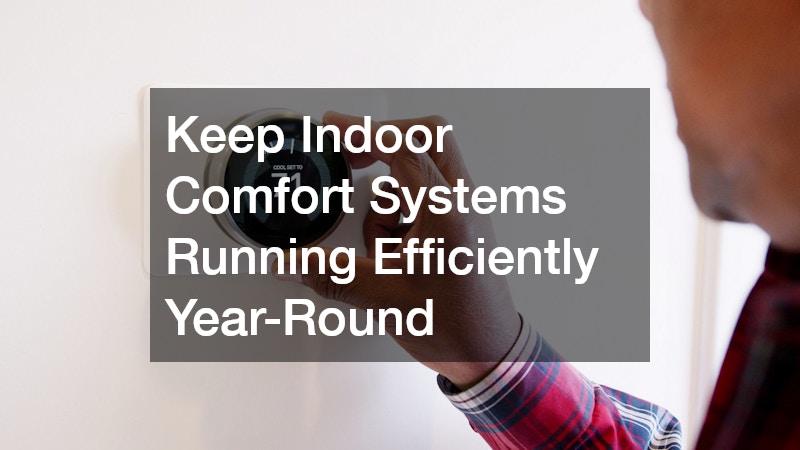
Heating and cooling systems work harder during seasonal temperature extremes, making preventive maintenance critical for both comfort and efficiency. Neglected HVAC systems often consume more energy, experience frequent breakdowns, and develop expensive repair issues over time.
A seasonal maintenance schedule helps homeowners keep indoor comfort systems operating reliably throughout the year. Spring and fall are especially important times to inspect HVAC equipment before heavy seasonal usage begins.
Key maintenance tasks include:
- Replacing air filters regularly
- Cleaning vents and registers
- Checking refrigerant levels
- Inspecting thermostat performance
- Clearing debris around outdoor units
- Examining ductwork for leaks
Routine ac services help identify minor performance issues before they become serious mechanical failures. Even small inefficiencies can place additional strain on compressors and motors, shortening equipment lifespan and increasing monthly utility bills.
Common signs that cooling systems may require professional attention include:
- Uneven room temperatures
- Weak airflow
- Strange noises during operation
- Higher-than-normal energy bills
- Excess indoor humidity
- Frequent cycling on and off
Working with a trusted local hvac company allows homeowners to establish ongoing maintenance plans that improve system reliability year-round. Professional inspections can reveal hidden issues that homeowners may overlook, including worn electrical components, clogged drain lines, and airflow restrictions.
Preventive HVAC care provides several long-term benefits:
- Lower utility costs
- Improved indoor air quality
- Extended equipment lifespan
- Fewer emergency breakdowns
- More consistent indoor comfort
- Reduced repair expenses
Homeowners can also improve HVAC efficiency by making small seasonal adjustments throughout the year. These include:
- Sealing gaps around windows and doors
- Installing programmable thermostats
- Using ceiling fans to improve air circulation
- Adding insulation in attic spaces
- Keeping vents unobstructed by furniture
Consistent seasonal maintenance helps maximize comfort while protecting one of the home’s most important mechanical systems.
Protect Plumbing Systems From Seasonal Damage
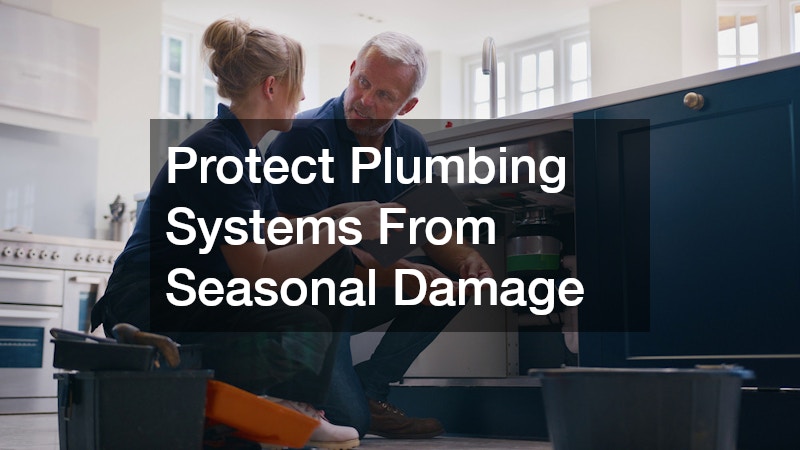
Plumbing systems are highly vulnerable to seasonal temperature changes, especially during colder months when freezing conditions threaten exposed pipes. Even minor plumbing issues can escalate quickly if homeowners fail to identify problems early.
Frozen pipes remain one of the most expensive winter-related home repair issues. As water freezes inside pipes, pressure builds and may eventually cause pipes to burst. This often results in flooding, structural damage, and costly restoration work.
Homeowners can reduce winter plumbing risks by:
- Insulating exposed pipes
- Sealing exterior wall gaps
- Disconnecting outdoor hoses
- Maintaining stable indoor temperatures
- Allowing faucets to drip during severe cold
In addition to freeze protection, seasonal inspections help homeowners identify smaller plumbing concerns before they become emergencies. A local plumber can evaluate the condition of pipes, fixtures, drains, and water heaters while identifying hidden leaks or pressure problems.
Warning signs homeowners should never ignore include:
- Slow drains
- Water stains on walls or ceilings
- Low water pressure
- Unexpected increases in water bills
- Unusual pipe noises
- Damp flooring near fixtures
Small leaks often remain hidden for months before becoming visible. During that time, moisture may damage flooring, drywall, insulation, and structural framing. Preventive inspections help minimize these risks while improving water efficiency throughout the home.
Older plumbing fixtures may also benefit from seasonal upgrades. Replacing outdated fixtures with modern water-efficient models can reduce utility costs while improving overall functionality.
Helpful preventive plumbing measures include:
- Flushing water heaters annually
- Testing sump pumps before storm season
- Cleaning drain lines periodically
- Monitoring appliance water connections
- Inspecting shut-off valves regularly
Proactive plumbing maintenance not only prevents water damage but also helps homeowners avoid the stress and expense of emergency repairs during severe weather conditions.
Improve Ventilation and Moisture Control Around the Roofline
Many homeowners overlook the importance of roofline ventilation until moisture problems become severe. Proper airflow plays a major role in protecting attic spaces, roofing materials, insulation, and structural framing from seasonal humidity and temperature extremes.
Without adequate ventilation, warm moist air becomes trapped inside attic spaces. Over time, this moisture buildup can contribute to mold growth, wood rot, insulation damage, and reduced energy efficiency.
Homeowners should regularly inspect roofline components for signs of ventilation issues, including:
- Peeling paint near eaves
- Condensation inside attic spaces
- Mold or mildew odors
- Excessive attic heat during summer
- Visible moisture stains
- Pest activity near roof edges
One important upgrade that helps improve airflow is professional soffit installation. Properly ventilated soffits allow fresh air to circulate through attic spaces while helping regulate temperature and moisture levels year-round.
Improved ventilation offers several benefits:
- Reduced risk of mold growth
- Better indoor temperature control
- Lower cooling costs
- Longer roof lifespan
- Protection against moisture damage
- Improved attic air circulation
Homeowners should also inspect fascia boards, gutters, and roof edges seasonally to ensure water drains properly away from the structure. Clogged gutters or damaged trim can trap moisture near rooflines and accelerate structural deterioration.
To improve roofline protection:
- Clean gutters at least twice annually
- Trim overhanging tree branches
- Inspect attic insulation regularly
- Repair damaged vent covers promptly
- Watch for signs of animal intrusion
Moisture control is especially important in regions with heavy snowfall or high humidity levels. Seasonal maintenance helps homeowners protect vulnerable structural areas before damage becomes extensive.
Upgrade Outdoor Living Spaces for Durability and Functionality
Outdoor living spaces have become increasingly valuable for homeowners seeking additional entertainment and relaxation areas. However, outdoor environments face constant exposure to weather, making durability and proper planning essential for long-term performance.
Seasonal upgrades can improve the usability, appearance, and resilience of patios, decks, and backyard gathering areas. Materials selected for outdoor spaces should withstand moisture, UV exposure, temperature fluctuations, and heavy foot traffic.
Popular seasonal improvement strategies include:
- Installing weather-resistant surfaces
- Adding shade structures
- Improving drainage systems
- Upgrading outdoor lighting
- Incorporating durable seating materials
- Creating covered entertainment areas
Outdoor kitchens have become especially popular because they expand functional living space while increasing property appeal. These areas allow homeowners to cook, entertain, and gather outdoors more comfortably throughout the year.
When designing exterior entertainment areas, homeowners should focus on:
- Weather-resistant countertops
- Proper appliance ventilation
- Adequate lighting
- Durable flooring materials
- Convenient utility access
- Functional traffic flow
Professional outdoor kitchen installations require careful planning to ensure safety, efficiency, and long-term durability. Plumbing, electrical systems, ventilation, and drainage must all be considered during the design process.
Homeowners should also think about seasonal protection measures for outdoor features, including:
- Protective covers for appliances
- Drainage systems that prevent standing water
- Slip-resistant walking surfaces
- Wind-resistant structures
- Proper storage solutions
Well-designed outdoor spaces provide more than aesthetic value. They improve property functionality while creating enjoyable gathering areas that enhance daily living and increase resale appeal.
Build a Seasonal Maintenance Plan That Prevents Expensive Repairs
One of the most effective ways to protect a home’s long-term value is by creating a structured seasonal maintenance plan. Organized preventive care allows homeowners to address smaller concerns before they evolve into major repair projects.
Rather than reacting to emergencies, homeowners can divide maintenance responsibilities throughout the year to reduce stress and improve budgeting.
A practical seasonal maintenance schedule may include:
Spring Tasks
- Inspect roofing and gutters after winter
- Check exterior surfaces for moisture damage
- Service cooling systems before summer heat
- Examine driveways and walkways for cracks
- Test outdoor plumbing fixtures
Summer Tasks
- Clean and inspect outdoor entertainment spaces
- Evaluate attic ventilation performance
- Trim landscaping away from siding and roofing
- Inspect windows and door seals
- Monitor irrigation systems for leaks
Fall Tasks
- Prepare plumbing systems for colder weather
- Clear leaves and debris from gutters
- Inspect insulation levels
- Schedule furnace and heating inspections
- Seal exterior cracks before winter
Winter Tasks
- Monitor pipes during freezing temperatures
- Watch for ice dam formation
- Check indoor humidity levels
- Inspect ceilings for moisture stains
- Maintain safe attic ventilation
Budgeting for seasonal improvements also helps homeowners manage expenses more effectively. Emergency repairs are often far more expensive than preventive upgrades because they may involve additional structural damage, temporary housing, or restoration services.
Helpful budgeting strategies include:
- Setting aside annual maintenance funds
- Prioritizing projects by urgency
- Scheduling inspections proactively
- Tracking maintenance records
- Planning larger upgrades gradually
Maintaining documentation of inspections, repairs, and upgrades can also improve resale value by demonstrating responsible property care to future buyers.
Preventive maintenance is not simply about avoiding repairs. It is about preserving the overall integrity, efficiency, comfort, and value of your home over time.
Seasonal home upgrades play a vital role in protecting your property’s long-term value and preventing costly repair issues. Every season brings different challenges that can gradually affect roofing systems, exterior surfaces, plumbing, ventilation, HVAC equipment, and outdoor spaces. By staying proactive and addressing small problems early, homeowners can avoid larger structural concerns while improving energy efficiency and overall comfort.
Routine inspections, preventive maintenance, and carefully planned upgrades help extend the lifespan of essential home systems and reduce unexpected expenses. Whether improving drainage, maintaining ventilation, preparing for temperature extremes, or enhancing outdoor living areas, each improvement contributes to a safer and more resilient home.
Protecting your investment requires consistent attention throughout the year. Homeowners who develop seasonal maintenance habits are often better prepared for changing weather conditions and more successful at preserving their property’s appearance, functionality, and value for years to come.