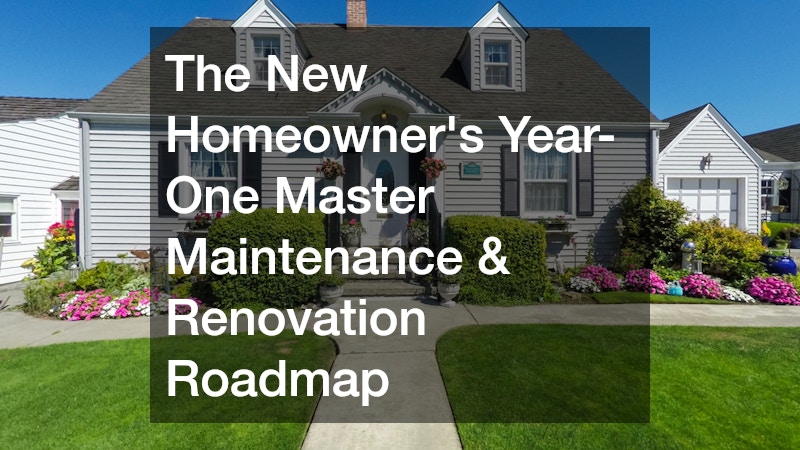
The decision to transform your living space involves a delicate balance of financial investment, emotional energy, and precise timing. Homeowners often weigh the immediate desire for functional improvements against the practical realities of construction logistics, weather patterns, and contractor availability. While the itch to renovate can strike at any moment, executing a project at the wrong time of year can lead to extended deadlines, inflated costs, and unnecessary stress. By aligning your grand design goals with the optimal calendar windows, you can minimize daily disruptions and maximize the long-term value of your investment.
Planning a comprehensive remodel requires a deep dive into both your personal calendar and the broader factors influencing the construction industry. Many people mistakenly assume that summer is the universal sweet spot for all home projects, leading to a massive rush that leaves top-tier professionals booked solid and building materials at peak pricing. Conversely, the off-peak months often hold hidden advantages, offering eager labor forces and more flexible scheduling windows. A well-timed renovation strategy looks at the house as a complex ecosystem, addressing foundational and protective needs before diving into purely aesthetic enhancements.
Scheduling Interior Projects During Less Disruptive Seasons

When the weather outside turns cold, the focus of the home improvement industry naturally shifts indoors, making the late fall and winter months the prime window for interior upgrades. Undertaking a significant indoor transformation during this period allows you to take advantage of the post-summer slowdown when contractors look to fill their winter slates. Because outdoor construction grinds to a halt in many regions, skilled tradespeople are highly available, leading to competitive bids and faster project completion times. Managing the day-to-day progress of the workers also becomes much easier since you are likely spending more time inside.
Focusing on indoor wet spaces during the colder months is particularly smart because these projects do not rely on dry exterior conditions to succeed. For instance, tackling a comprehensive bathroom remodeling project in January or February means your contractor can work continuously without weather delays. While losing access to a primary bathroom is always an inconvenience, doing so during a historically slow social season means you are less likely to host overnight guests. Furthermore, suppliers often clear out inventory during winter clearances, allowing you to secure premium materials at a fraction of their peak-season cost.
Planning Paint Updates When Conditions Are Most Favorable
Applying a fresh coat of paint might seem like a simple weekend task, but the success of the application is deeply dependent on ambient temperature and humidity levels. For interior painting, late spring and early autumn offer the absolute best environmental conditions because you can comfortably open windows for ventilation. If you are looking at exterior painting, the constraints become even tighter, requiring a string of consecutive dry days where the temperature stays within a specific range. Proper drying times are essential for a durable finish, and forcing a project during a humid summer stretch can lead to peeling.
Securing the right professionals for this meticulous work requires looking at the calendar through the lens of industry demand. Engaging professional home painters during their transitional shoulder seasons—typically late April or October—ensures that your project receives undivided attention before the frantic summer rush begins. During these specific windows, the mild, dry air allows paint to adhere beautifully and dry at the ideal rate, preventing the structural integrity of the pigment from compromising. By tracking local weather trends and coordinating with your painting crew in advance, you can avoid premium rates.
Timing Major Renovations Around Household Needs

Major structural overhauls of core living spaces demand a high level of coordination because they fundamentally alter the daily rhythm of your household for weeks at a time. When planning a massive overhaul of the central hub of your home, you must look beyond the weather forecast and analyze your family’s lifestyle, school schedules, and vacation plans. For many families, the late spring or early summer serves as the optimal window because children are out of school, daylight hours are extended, and cooking outside becomes a viable alternative. Aligning a major tear-out with a family vacation can also spare you from the loudest demolition phases.
Because the kitchen is the most complicated room to renovate, selecting and securing top-tier kitchen remodelers requires a long lead time and strategic calendar placement. The smartest homeowners begin the design and material ordering phase up to six months before a single hammer is swung, aiming for a spring start date when shipping lines are reliable. Working with these specialized professionals during the spring also ensures that your project wraps up well before the hectic holiday hosting season begins. This proactive approach gives the design team ample time to secure permits and execute the installation with precision.
Addressing Plumbing Upgrades Before Problems Arise
Maintaining the hidden infrastructure of your home is a critical aspect of homeownership that is all too easy to ignore until a catastrophic failure forces your hand. Waiting for a pipe to burst guarantees that you will pay premium emergency rates and face a frantic scramble to find anyone available. Proactive replacement of aging galvanized pipes, outdated water heaters, or failing main valves should ideally be scheduled during the mild spring or early autumn months when demand for emergency repairs is low. By taking control of the timeline, you can methodically research options and schedule water shutdowns at convenient times.
When orchestrating a comprehensive repiping project, establishing a relationship with a reliable local plumbing contractor is your first step toward success. Scheduling this diagnostic and preventative work during their slower shoulder seasons means the technicians can take the time to thoroughly inspect your entire system without rushing off to an emergency call. This deliberate approach allows for a clean, code-compliant installation of modern lines, ensuring your home’s water pressure remains optimal for decades to come. Furthermore, upgrading your plumbing infrastructure ahead of time ensures that future cosmetic remodels won’t have to be torn out later.
Starting Outdoor Projects During Ideal Weather Conditions

Outdoor luxury additions require significant earthmoving, concrete pouring, and specialized engineering, all of which are entirely at the mercy of the elements. Attempting to excavate a backyard during the rainy spring season can turn your pristine lawn into a destructive sea of mud, trapping heavy machinery. Conversely, trying to pour concrete or cure specialized shells in the blistering heat of mid-summer can cause materials to dry too quickly, leading to structural micro-cracks. The ideal window for heavy backyard construction sits squarely in the dry, stable days of early autumn, when the ground is firm enough to support heavy equipment.
If your dream is to spend your summer lounging by a private oasis, you need to initiate contact with specialized pool installations experts nearly a year in advance, aiming to break ground in the fall. Starting the physical excavation process in September or October ensures that all heavy structural work, plumbing routing, and concrete pouring are wrapped up before the ground freezes. The winter months can then be used for the settling of the ground, electrical tie-ins, and perimeter decking installation, leaving the early spring open for final plastering. This strategic timeline guarantees that your new outdoor feature is ready when warm weather arrives.
Evaluating Roof Conditions Before Seasonal Changes
The roof is your home’s primary shield against the elements, making its structural integrity paramount to the preservation of everything underneath it. Homeowners should make it a habit to inspect their roofing systems twice a year, specifically in the mild weeks of spring and the clear days of early autumn. Catching curled shingles, compromised flashing, or failing valley seals during these calm periods allows you to address vulnerabilities before extreme winter stresses or summer thunderstorm downpours expose them. Waiting until an active leak is dripping through your living room ceiling means you will be dealing with structural wood rot.
When a full replacement becomes necessary, timing the project correctly requires balancing material properties with contractor availability. Coordinating with an experienced local roofer during the late spring or early autumn ensures that the asphalt shingles can properly seal under moderate temperatures. Shingles installed in freezing temperatures can become brittle and fail to adhere, while those laid down in extreme summer heat can be easily damaged by the boots of the crew. By booking your replacement during the clear weeks of autumn, you ensure a rapid, high-quality installation that secures your home’s thermal envelope.
Completing Exterior Improvements When Temperatures Are Moderate
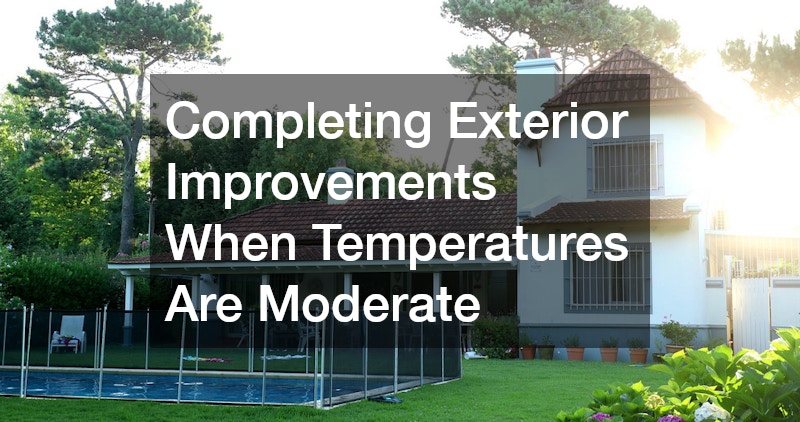
The exterior cladding of your home dictates both its energy efficiency and its aesthetic identity, making any update to this outer layer a significant undertaking. Whether you are opting for modern fiber cement, traditional wood, or durable vinyl, the installation process requires removing the old protective barrier and exposing the raw sheathing. Because of this temporary vulnerability, executing this work during periods of volatile weather introduces significant risks of moisture entrapment and subsequent structural rot. The perfect climate for this type of exterior work is characterized by dry, predictable days with consistent, moderate temperatures.
Engaging professional siding contractors during the late summer or early autumn window provides the ideal balance of optimal weather and material stability. Vinyl materials, in particular, expand and contract significantly based on temperature; installing them in extreme cold can cause cracks, while extreme heat can lead to buckling later. Working with experienced crews during a moderate weather window ensures that expansion gaps are cut precisely and panels are nailed with the perfect amount of play. This careful timing results in a beautiful, wind-resistant outer shell that dramatically reduces your seasonal utility costs.
Upgrading Protective Features Before Severe Weather Arrives
Investing in high-performance protective features for your home is an essential strategy for anyone living in regions prone to intense seasonal storms, high winds, or tropical systems. Waiting until a major storm system is actively spinning in the ocean before trying to secure your property is a recipe for panic, long backorders, and ultimate vulnerability. The absolute best time to evaluate and upgrade your home’s impact resistance is during the quiet winter and early spring months, long before the official storm seasons begin. Taking care of these upgrades during the off-season ensures that custom elements can be built to your exact specifications.
When sourcing specialized impact-resistant products, finalizing your order with a certified hurricane window installer in February or March positions you ahead of the massive summer demand spike. These advanced multi-layered glass and reinforced frame systems require precision manufacturing and careful installation to ensure they meet strict regional wind-borne debris codes. By completing the installation during the dry, temperate spring months, you avoid exposing your home’s interior to sudden downpours during the window swap process. Once installed, these advanced architectural features provide year-round benefits and absolute peace of mind.
Replacing Entry Systems During Convenient Project Windows
The entry points of your home, particularly large vehicular access points, represent a significant intersection of home security, thermal efficiency, and architectural style. Because these large openings are critical to securing your property, replacing them requires a swift, focused installation window where the interior isn’t left exposed for days on end. Scheduling these swaps during the late spring or early autumn prevents massive drafts from destabilizing your home’s indoor climate control systems during the transition. Furthermore, the specialized lubricants, tracks, and electronic tension springs utilized in modern automated entry systems operate best when installed under moderate conditions.
Connecting with reputable garage door companies during their transitional spring or autumn seasons allows you to explore the latest insulated models and smart openers without rushed timelines. These professionals can precisely measure your opening, assess the structural integrity of your header jams, and complete the physical teardown and installation within a single working day. Opting for high-thermal-efficiency doors during a moderate season ensures that your attached spaces are fully sealed and insulated before harsh winter winds or summer heatwaves arrive. This simple, well-timed upgrade dramatically alters the visual face of your property.
Coordinating Landscape Improvements With Seasonal Maintenance
The living landscape surrounding your home requires a fundamentally different timing strategy than structural renovations, as it is dictated entirely by biological growth cycles and soil conditions. Planting new trees, installing expansive turf areas, or redesigning flower beds in the heat of summer puts immense stress on young root systems, often resulting in high plant mortality rates. The ideal window for comprehensive landscape overhauls is actually early autumn, as the warm soil encourages rapid root development while the cool air prevents foliage from drying out. This gives new plantings several months to establish a healthy foundation before entering winter dormancy.
To support this new living investment, integrating automated irrigation infrastructure during the excavation phase is highly recommended. Consulting with professional lawn sprinkler system services in the late summer allows them to map out your property’s specific hydrologic zones and design a trenching layout that minimizes disruption to your existing turf. Installing these smart irrigation networks just before the autumn planting cycle ensures that your new trees, shrubs, and grass receive precise, automated hydration during their critical establishment phase. By aligning your planting schedules with the natural rhythms of the earth, you create a self-sustaining environment.
Navigating the complex world of home remodeling ultimately comes down to a blend of foresight, patience, and a deep respect for the seasons. While it can be tempting to rush into a project the moment inspiration strikes, taking the time to analyze how weather patterns, material traits, and contractor workflows interact will always yield a superior result. By spreading your renovations throughout the calendar year—tackling interior upgrades in the quiet winter, exterior updates in the moderate shoulder seasons, and structural changes when your family lifestyle permits—you reduce the inherent friction of construction. This methodical, strategic approach protects your financial investment, respects the craft of the specialized tradespeople working on your property, and ensures that the final transformation of your house is a source of pride and comfort for decades to come.