Long-term home improvement planning is one of the most effective ways to protect a property’s value and livability. Instead of reacting to issues as they arise, a structured approach allows homeowners to anticipate needs, spread out costs, and make upgrades that work together over time. This creates a home that not only looks better but functions more efficiently year after year.
Many homeowners make the mistake of treating upgrades as isolated projects—fixing a roof here, updating a kitchen there, replacing a system only when it fails. While this approach may feel manageable in the short term, it often leads to higher costs, rushed decisions, and inconsistent results. A strategic plan, on the other hand, helps align projects in a logical order so each improvement supports the next.
A strong long-term plan considers everything from structural integrity to comfort systems, aesthetics, and functionality. It also helps homeowners prepare financially by breaking large investments into manageable phases. With the right roadmap, you can prioritize what matters most today while still building toward your long-term vision for the home.
The following sections break down how to approach major areas of your home step by step, offering practical strategies to help you plan smarter, avoid costly mistakes, and maximize long-term value.
Evaluating Exterior Structure and Property Boundaries
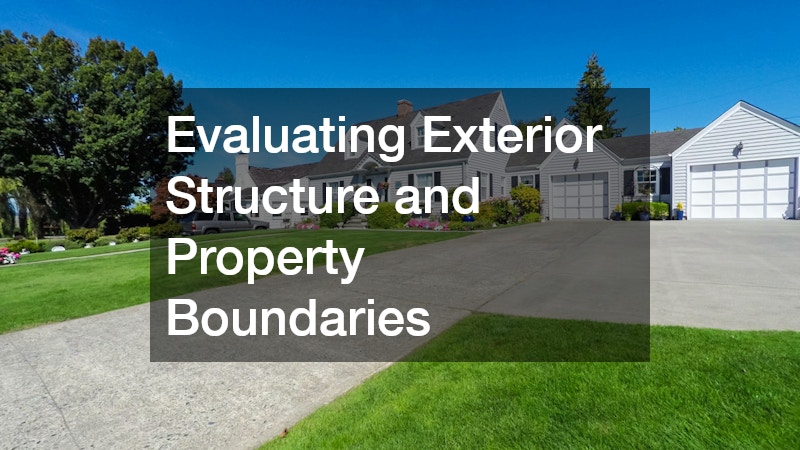
A home’s exterior is its first line of defense against weather, wear, and time. Planning improvements here should always start with a thorough evaluation of structural integrity and long-term durability needs. Small issues on the exterior often signal larger problems that may develop if left unaddressed, especially when seasonal weather shifts accelerate deterioration or when minor leaks go unnoticed for extended periods. Over time, these issues can affect insulation, framing, and even interior finishes if left unaddressed.
Key steps for evaluation include:
- Inspecting shingles, flashing, and drainage systems for wear or leaks
- Checking siding, trim, and paint for moisture damage or deterioration
- Reviewing property boundaries for security and structural stability
For roofing concerns, working with roofers early in the planning process helps identify whether repairs or full replacement will be needed in the next 5–10 years. This prevents emergency situations that often come with higher costs and limited contractor availability, while also allowing homeowners to budget appropriately and schedule work during optimal weather conditions.
At the same time, outdoor boundaries play a major role in both function and appearance. Coordinating with fence builders allows homeowners to plan fencing upgrades that align with landscaping, privacy goals, and long-term maintenance expectations. This ensures the entire property perimeter works structurally and visually as a whole, rather than being addressed in isolated, reactive projects.
Strategic tips:
- Schedule biannual exterior inspections
- Prioritize water damage prevention over cosmetic upgrades
- Align fencing and roofing timelines with seasonal conditions
- Plan replacements before failure occurs, not after
- Keep a written log of exterior maintenance findings for future reference
- Consider long-term material durability when comparing repair vs replacement options
By addressing structural exterior needs early, homeowners create a stable foundation for all future improvements, reduce unexpected repair costs, and extend the overall lifespan of the property’s most critical protective systems.
Planning Multi-Room Interior Transformations
Interior upgrades often represent the most noticeable improvements in daily living. However, without a coordinated plan, renovations can become disjointed and inefficient. A long-term approach ensures that changes across different rooms work together in both design and function, while also reducing wasted time, duplicate labor, and unexpected cost overruns. When multiple rooms are updated without a unified strategy, homeowners often end up revisiting completed areas to address inconsistencies or accommodate later design choices.
Start by identifying:
- Rooms with outdated layouts or inefficient use of space
- Areas with recurring maintenance issues
- Spaces that no longer match lifestyle needs
- High-traffic zones that require durability upgrades over aesthetics
A home renovation contractor can help map out a phased plan that prioritizes structural updates first, followed by cosmetic enhancements. This ensures that foundational work supports future design decisions and prevents rework caused by sequencing mistakes, such as installing finishes before correcting layout or electrical issues. Contractors can also help estimate timelines and coordinate trades so that work flows logically from one phase to the next.
For larger transformations, home remodeling projects should be planned with a whole-home perspective rather than a room-by-room mindset. This prevents issues like inconsistent flooring transitions, mismatched design themes, or redundant construction work. It also allows homeowners to make smarter material choices by purchasing in bulk or selecting finishes that maintain consistency throughout the house.
Practical planning strategies:
- Renovate in logical zones (kitchen/living areas first, bedrooms later)
- Bundle related projects to reduce labor overlap
- Ensure electrical and plumbing updates are completed before finishing
- Establish a 3–7 year interior upgrade timeline
- Plan temporary living adjustments during major renovation phases
- Standardize materials and finishes to maintain design continuity
A well-structured interior plan helps homeowners avoid repeated disruptions while maximizing long-term comfort, functionality, and overall property value.
Building Long-Term Climate Control Efficiency
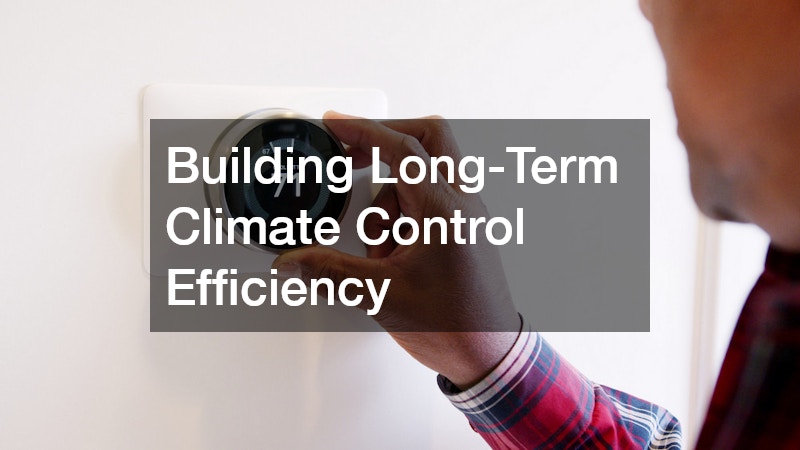
Heating and cooling systems are among the most critical components of a home’s infrastructure. Planning upgrades in this area requires careful attention to efficiency, system lifespan, and energy usage trends over time. Because these systems directly affect comfort and monthly utility costs, small inefficiencies can compound significantly if left unaddressed for years. Proactive planning helps homeowners avoid sudden breakdowns, especially during extreme seasonal temperatures when demand on systems is highest and repair costs can increase.
An HVAC contractor can perform a system assessment to determine whether improvements, repairs, or full replacement will be needed within the next planning cycle. This evaluation typically includes load calculations, airflow testing, and equipment condition reviews. By identifying weak points early, homeowners can budget more effectively and avoid emergency replacements, which often offer limited scheduling flexibility and higher installation costs.
Long-term HVAC planning should include:
- Evaluating system age and performance trends
- Monitoring energy bills for efficiency changes
- Inspecting ductwork for airflow issues or leaks
- Scheduling seasonal maintenance consistently
- Tracking humidity levels and indoor air quality over time
To improve long-term efficiency:
- Upgrade insulation before replacing systems
- Consider zoning systems for larger homes
- Replace filters and components on a regular schedule
- Plan replacements before major efficiency drops occur
- Use programmable or smart thermostats to reduce unnecessary runtime
- Seal windows and doors to prevent conditioned air loss
By integrating HVAC planning into the broader home strategy, homeowners can reduce energy costs, extend system lifespan, maintain consistent indoor comfort year-round, and improve overall home energy performance.
Maintaining Reliable Water and Pipe Systems
Plumbing systems are often overlooked until problems arise, but proactive planning can prevent costly water damage and disruptions. A long-term approach focuses on system health, material lifespan, and early detection of issues.
Working with plumbing services professionals allows homeowners to evaluate pipe conditions, water pressure, and fixture performance before major problems occur.
Key indicators of future plumbing needs:
- Frequent leaks or repairs
- Low or inconsistent water pressure
- Discolored water or sediment buildup
- Aging pipe materials, such as galvanized steel
Long-term planning tips:
- Schedule periodic full-system inspections
- Replace outdated pipes in stages rather than all at once
- Upgrade fixtures for efficiency and water savings
- Map plumbing access points for future renovations
By maintaining a proactive plumbing strategy, homeowners can avoid emergency repairs and extend the lifespan of their entire water system.
Exterior Finishes and Protective Maintenance
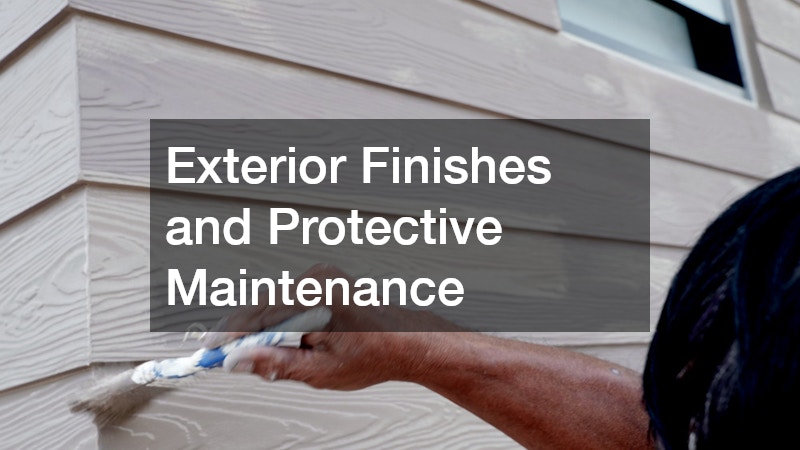
Exterior surfaces do more than improve curb appeal—they also protect the structure from weather and environmental damage. Strategically planning paint and finish upgrades ensures the home remains protected over time.
Painters play a key role in maintaining both aesthetics and durability. High-quality exterior coatings can extend the lifespan of siding and trim while preventing moisture intrusion and surface degradation.
Best practices include:
- Establishing a repaint cycle every 5–10 years, depending on the climate
- Using weather-resistant and UV-protective coatings
- Addressing surface damage immediately to prevent spreading
- Coordinating painting schedules with other exterior upgrades
Additional considerations:
- Choose neutral, timeless colors for long-term appeal
- Inspect surfaces annually for cracking or fading
- Combine painting projects with other exterior maintenance work
By treating painting as a protective investment rather than a cosmetic upgrade, homeowners can significantly extend the lifespan of exterior materials.
Expanding Outdoor Living and Functional Spaces
Outdoor areas are increasingly viewed as extensions of indoor living spaces. Planning these upgrades strategically ensures they remain functional, durable, and aligned with the property’s long-term goals.
A deck contractor can help design and build outdoor structures that withstand weather conditions while enhancing usability. Thoughtful deck planning considers traffic flow, sun exposure, and intended usage patterns.
At the same time, kitchen contractors can support outdoor cooking or entertainment upgrades by integrating functional prep areas, storage, and appliance layouts.
Planning considerations:
- Define how outdoor space will be used (entertaining, relaxing, dining)
- Select materials based on durability and maintenance needs
- Plan electrical and lighting needs in advance
- Ensure outdoor layouts connect naturally with interior spaces
Key benefits of coordinated planning:
- Increased property value
- Improved lifestyle functionality
- Reduced need for future redesigns
- Better integration between indoor and outdoor living
Well-designed outdoor spaces become long-term assets when planned correctly from the beginning.
Garage Functionality and Entry System Planning
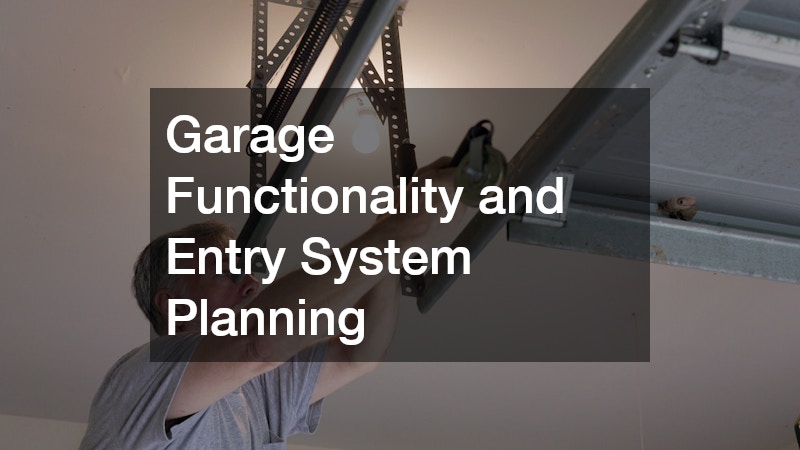
Garages are often one of the most used yet underplanned areas of a home. Over time, entry systems, insulation, and mechanical components require updates to maintain security and efficiency.
A garage door contractor can assess system performance, safety features, and insulation quality. Planning replacements before failure helps avoid unexpected access issues and costly emergency repairs.
Long-term planning strategies:
- Inspect garage door systems annually
- Upgrade insulation for energy efficiency improvements
- Replace worn mechanical components before breakdown
- Consider smart access systems for convenience and security
Additional considerations:
- Ensure garage upgrades align with the overall home energy strategy
- Evaluate sealing systems to prevent air leakage
- Plan upgrades alongside exterior renovation cycles
By treating the garage as part of the home’s core infrastructure, homeowners can improve both functionality and long-term performance.
Financial Planning and Project Scheduling Strategy
A successful long-term home improvement plan depends heavily on financial structure and timing. Without proper scheduling, even well-designed projects can become overwhelming or financially stressful.
Effective strategies include:
- Breaking large projects into phased investments
- Prioritizing urgent structural needs over cosmetic upgrades
- Creating a 5–10 year improvement roadmap
- Setting annual budgets for ongoing maintenance and upgrades
Tips for smoother execution:
- Bundle projects that require similar labor or materials
- Avoid overlapping major renovations
- Track estimated vs actual costs for future planning
- Maintain a reserve fund for unexpected repairs
A structured financial approach allows homeowners to maintain steady progress without sacrificing quality or stability.
Coordinating Long-Term Design and Property Aesthetics
A cohesive property design requires more than individual upgrades—it requires consistency across all exterior and interior elements. Planning aesthetics early ensures long-term visual harmony.
Fence builders play an important role in establishing property boundaries that complement the home’s overall design. Materials, height, and style should align with both landscaping and structural features.
Design planning considerations:
- Maintain consistent material themes across exterior elements
- Choose long-lasting, low-maintenance materials when possible
- Align fencing design with architectural style
- Plan landscaping alongside structural improvements
Strategic coordination benefits:
- Improved curb appeal
- Higher resale value
- Reduced need for redesign in the future
- Stronger visual continuity across property features
A unified design approach ensures that all upgrades contribute to a single, cohesive long-term vision.
Integrating All Systems Into a Unified Plan
The most effective home improvement strategies treat the home as a connected system rather than separate projects. Each upgrade—structural, mechanical, or aesthetic—should support the overall long-term plan.
Key integration principles:
- Align all upgrades with a master timeline
- Prioritize foundational systems before cosmetic work
- Coordinate contractors to avoid scheduling conflicts
- Continuously reassess priorities as the home evolves
Additional best practices:
- Keep a running inventory of all home systems and their condition
- Update the improvement plan annually
- Reevaluate goals based on lifestyle changes
- Ensure each project contributes to long-term value and efficiency
A unified approach reduces redundancy, lowers costs over time, and ensures that every improvement contributes to a more functional, durable, and valuable home.
A well-planned home improvement strategy is not about completing projects quickly—it’s about completing them wisely. By taking a long-term view, homeowners can avoid unnecessary expenses, reduce disruption, and build a home that becomes more efficient and comfortable over time.
When upgrades are coordinated rather than reactive, each improvement strengthens the next. This creates a home that not only meets current needs but continues to perform well for decades.