
Nobody wants to spend a weekend afternoon thinking about gutters, drains, or roof shingles, but skipping these small tasks is exactly how homeowners end up with five-figure repair bills. The good news is that most of the disasters that drain savings accounts start as tiny, inexpensive problems that go unnoticed for months or years. This guide walks through the preventative maintenance tasks that offer the biggest return on a small investment of time and money, so you can protect your home without breaking the bank. By the end, you will have a practical checklist you can start using this month.
Catching Roof Problems Before They Become Emergencies
Your roof is your home’s first line of defense against weather, and it is also one of the most expensive systems to replace if neglected. A simple twice-a-year inspection can catch cracked flashing, curling shingles, or granule loss long before water finds its way into your attic. Many homeowners wait until they see a stain on the ceiling, but by then the damage often extends into insulation, drywall, and framing. Scheduling a walk-around after major storms is one of the cheapest insurance policies you can give your home.
Working with experienced roofing contractors for an annual checkup typically costs far less than the deductible on a homeowners insurance claim. These professionals know exactly where leaks tend to originate, such as around chimneys, skylights, and vent pipes, and can spot early warning signs an untrained eye would miss. If a problem is found, prompt roof repair is almost always a fraction of the cost of replacing an entire roof deck after prolonged water intrusion. Think of small repairs as a subscription fee for avoiding a much larger bill later.
- Check for missing, curled, or cracked shingles after storms
- Look for daylight or water stains in the attic
- Inspect flashing around chimneys and vents annually
- Clear debris that traps moisture against roofing material
- Schedule a professional inspection every one to two years
Keeping Water Moving Away From Your Foundation

Clogged gutters are one of the most underestimated causes of foundation and basement damage. When water cannot flow freely off the roof and away from the house, it pools near the foundation and slowly erodes the soil that keeps your home stable. Over time this leads to cracked foundations, wet basements, and even structural shifting that costs tens of thousands of dollars to correct. Cleaning gutters twice a year, in spring and fall, is a small chore that prevents a massive headache.
If climbing a ladder is not something you are comfortable doing, hiring one of the many gutter companies in your area for a seasonal cleaning is a modest expense compared to foundation repair. Many of these companies also offer gutter guard installation, which reduces how often manual cleaning is needed. Pairing gutter maintenance with a downspout check ensures water is actually being directed several feet away from your home rather than dumping right at the base of the foundation.
- Clean gutters at least twice per year
- Check downspouts extend water away from the foundation
- Look for sagging or pulling-away gutter sections
- Consider gutter guards to reduce debris buildup
- Inspect for rust or leaks at seams and joints
Simple Heating System Habits That Extend Its Life
A furnace or heat pump that runs efficiently not only saves on monthly utility bills but also avoids the emergency replacement costs that come from a system pushed too hard for too long. Replacing air filters every one to three months is one of the simplest and cheapest maintenance tasks a homeowner can do, yet it is frequently forgotten. Households with pets or allergy sufferers should check filters monthly, since pet dander and dust accumulate faster and clog the mesh sooner than in a typical home.
A clogged filter forces the system to work harder, which shortens its lifespan and increases the chance of a costly breakdown during the coldest week of winter. This extra strain also drives up energy consumption, sometimes by 5 to 15 percent, turning a $15 filter into a much larger utility bill. Keeping a stack of filters on hand and setting a recurring phone reminder makes this habit almost effortless to maintain year-round.
An annual tune-up from a licensed heating contractor is a small yearly expense—typically $75 to $200 depending on your region—that can add years of reliable operation to your system. During this visit, technicians clean components like burners and blower assemblies, check refrigerant or gas levels, tighten electrical connections, and identify worn parts before they fail completely.
Catching a failing igniter or a cracked heat exchanger early can mean the difference between a minor repair costing under $150 and a full system replacement running $4,000 or more in the middle of winter. A cracked heat exchanger, in particular, poses carbon monoxide risks and almost always forces an emergency shutdown if left unchecked.
Beyond safety, a well-tuned system also runs more efficiently, often lowering monthly energy bills by 5 to 10 percent. Scheduling your appointment in early fall, before the first cold snap, ensures you get a convenient slot and avoid the rush that overwhelms most heating contractors during peak winter demand.
- Replace filters every one to three months (monthly for pets or allergy sufferers, up to 90 days for standard use)
- Keep vents and returns unobstructed by furniture, curtains, or rugs to maintain proper airflow and reduce strain on the blower motor
- Schedule a professional tune-up before peak season, ideally in early fall, to catch worn parts before they fail
- Listen for unusual noises like banging, squealing, or clicking, which can signal loose belts, worn bearings, or ignition issues
- Test carbon monoxide detectors near heating equipment monthly and replace batteries twice a year
- Vacuum dust and debris from around the furnace base and away from air intakes every few months
- Check the thermostat’s accuracy and replace weak batteries to avoid short-cycling the system
Why Slow Drains Are an Early Warning Sign
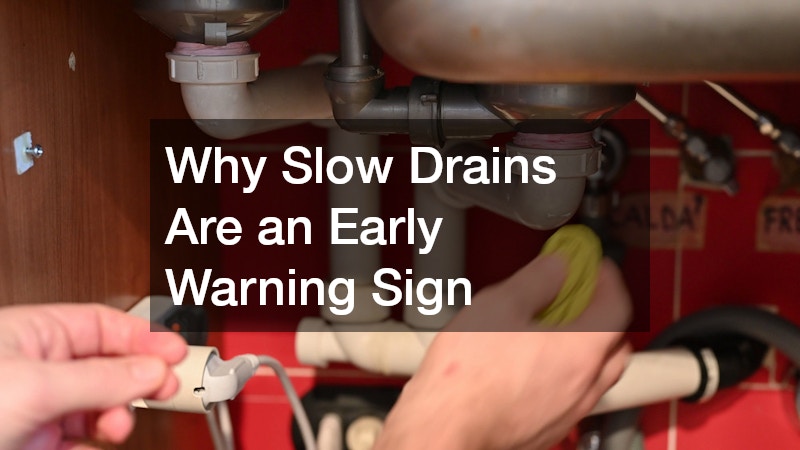
A slow-draining sink or tub is often dismissed as a minor annoyance, but it is frequently the first sign of a bigger plumbing issue developing out of sight. Grease, soap scum, hair, and mineral buildup gradually narrow pipes until a full blockage occurs, sometimes leading to backups that damage flooring, cabinetry, or even ceilings below. Addressing slow drains early is far less expensive than dealing with a burst pipe or sewage backup later.
Routine drain cleaning, whether done with a simple enzyme treatment or a professional snake, keeps pipes flowing freely and reduces strain on your entire plumbing system. Homeowners who schedule this maintenance annually often avoid the need for emergency plumbing visits, which typically come with higher rates due to their urgent nature. Being proactive about drains also protects septic systems and municipal sewer connections from unnecessary stress.
- Use drain strainers to catch hair and debris
- Avoid pouring grease or coffee grounds down sinks
- Flush drains monthly with hot water and baking soda
- Schedule professional cleaning for slow or gurgling drains
- Address multiple slow drains at once, a sign of a main line issue
Protecting Your Home’s Exterior Surfaces
Paint is not just about curb appeal; it acts as a protective barrier against moisture, UV damage, and pests. When paint begins to peel or crack, the underlying wood or siding is exposed to the elements, which can lead to rot and expensive structural repairs. Repainting every five to seven years, depending on climate, keeps this protective layer intact and prevents small cosmetic issues from becoming costly repairs.
While many homeowners think of commercial painting services as something only businesses need, many companies also offer residential exterior work with the same attention to surface preparation and durable coatings. Proper prep work, including scraping, sanding, and priming, matters more than the paint itself when it comes to longevity. Investing in quality materials and application now avoids premature peeling that would require redoing the job in just a few years.
- Inspect exterior paint annually for peeling or cracking
- Pay attention to south-facing walls that see the most sun exposure
- Repaint every five to seven years depending on climate
- Prioritize proper surface prep over premium paint brands
- Address wood rot before repainting over damaged areas
Maintaining Fences and Outdoor Structures

Fencing takes a beating from weather, soil moisture, and general wear, and a small issue like a loose post or rotting board can quickly escalate into a full section needing replacement. Wood fences are especially vulnerable to moisture damage at the base, where posts meet the ground, so checking for soft or discolored wood each spring is a smart habit. Catching these issues early often means a simple board or post repair rather than replacing an entire fence line.
Many fencing companies offer inspection and minor repair services that cost far less than a full rebuild, especially if you catch leaning posts or rusted hardware before they fail completely. Staining or sealing wood fencing every two to three years also extends its life significantly by protecting against moisture absorption. For metal fencing, a quick check for rust spots and prompt touch-up painting prevents corrosion from spreading.
- Check posts for rot or looseness each spring
- Reseal or stain wood fencing every two to three years
- Look for rust spots on metal fencing and treat early
- Trim vegetation away from fence lines to reduce moisture
- Repair small sections promptly to avoid full replacement
Caring for Windows and Glass Surfaces
Windows and glass doors are more than just aesthetic features; they play a major role in energy efficiency and home security. Cracked seals or failing caulking around window frames allow drafts and moisture in, which raises energy bills and can lead to wood rot around the frame. A simple annual check of caulking and weatherstripping is inexpensive and prevents these slow, hidden losses.
For larger glass features like sliding doors, storefront-style windows, or custom glass installations, consulting a commercial glass company for occasional inspections can catch seal failures or stress cracks before they require full pane replacement. These professionals can also advise on impact-resistant or energy-efficient glass upgrades that reduce long-term maintenance needs. Addressing minor glass damage quickly is always cheaper than replacing an entire window unit after a crack spreads.
- Inspect caulking and weatherstripping annually
- Look for foggy glass, a sign of failed seals
- Repair small chips or cracks before they spread
- Clean tracks on sliding doors to prevent hardware strain
- Consider energy-efficient glass upgrades during replacement
Managing Trees and Vegetation Around Your Property

Overgrown trees and brush near a home create multiple risks, from roof damage caused by overhanging branches to foundation issues from aggressive root systems. Falling limbs during storms are a leading cause of roof and siding damage that could have been prevented with routine trimming. Keeping vegetation a safe distance from structures also reduces pest access and lowers fire risk in dry climates.
For larger properties or overgrown lots, professional land clearing services can remove hazardous trees, dense brush, and dead vegetation that pose a risk to structures and increase maintenance costs over time. This is especially valuable for homeowners who inherited an overgrown yard or are preparing a lot for landscaping and want to start with a clean, manageable space. Clearing debris also improves drainage across the property, reducing the risk of water pooling near the home.
- Trim branches at least ten feet from rooflines
- Remove dead trees before storm season
- Clear brush that traps moisture against siding
- Improve drainage by clearing overgrown low areas
- Schedule professional clearing for large or hazardous lots
Making Smart Choices on Interior Upgrades
While most preventative maintenance focuses on the exterior, interior choices can also save money over time by reducing wear and avoiding water damage. Kitchen and bathroom counters, for example, are exposed to constant moisture, heat, and daily use, and choosing durable materials during countertop installation can prevent cracking, staining, and costly replacement down the road. Sealing natural stone counters annually keeps them resistant to moisture infiltration that can lead to warping or bacterial growth underneath.
Choosing the right material upfront, whether quartz, granite, or solid surface, means fewer repairs and a longer lifespan for one of the most frequently used surfaces in the home. Regularly checking seams and edges for lifting or separation allows small adjustments before water gets underneath and causes bigger structural issues with cabinets below. A few minutes of maintenance each season keeps these surfaces functional and attractive for decades.
- Reseal natural stone counters annually
- Check seams and edges for separation
- Use cutting boards and trivets to prevent surface damage
- Clean spills promptly to avoid staining
- Choose durable materials to reduce long-term replacement costs
Preventative maintenance may not be exciting, but it is one of the most reliable ways to protect your home’s value and keep unexpected expenses off your plate. Start small by picking one or two tasks from this list to tackle this season, then build a routine around the rest as time and budget allow. A little consistency now can save you from the kind of five-figure repair bill that turns a manageable home project into a financial emergency.