
A hairline crack, a slow drip, or a squeaky gate might seem like nothing worth worrying about today. But small home issues rarely stay small, and the cost of ignoring them almost always outpaces the cost of fixing them early. Understanding how minor wear and tear snowballs into major repairs can help you protect your property value and your wallet.
This guide breaks down the most common areas where procrastination gets expensive, and what to watch for before problems spiral out of control.
The Warning Signs Around Your Windows and Doors
Drafts, foggy glass, and difficulty opening or closing a window are often dismissed as minor annoyances, but they usually signal a failing seal or deteriorating frame. Once moisture starts sneaking past the barrier, it can lead to wood rot, mold growth, and higher energy bills that quietly drain your budget month after month. Upgrading to double paned windows at the first sign of trouble is far less disruptive and expensive than replacing an entire frame that has rotted through.
Homeowners often wait until a window is completely broken before taking action, but subtle signs like condensation between panes or a noticeable temperature difference near the glass should prompt a closer look. Addressing these early can prevent structural damage to the surrounding wall and trim.
- Condensation or fogging between glass panes
- Visible gaps letting in drafts or noise
- Difficulty locking or sealing the window fully
- Rising heating or cooling bills without other explanation
Roof Damage That Starts Small and Grows Fast

A missing shingle or a small leak stain on the ceiling rarely stays isolated for long. Water finds the path of least resistance, and once it gets under your roofing material, it can travel far from the original entry point, damaging insulation, drywall, and even electrical wiring. What starts as a quarter-sized water spot can quietly spread across several feet of ceiling within a single rainy season, especially if the leak sits above an attic or crawlspace where moisture goes unnoticed.
The cost difference is staggering. A minor shingle repair might run $150 to $400, but by the time water has soaked into framing and triggered mold growth, homeowners can face bills of $4,000 or more for structural repairs, drywall replacement, and mold remediation combined.
Beyond the visible damage, trapped moisture also invites wood rot and pest infestations, since damp, softened wood is far more attractive to termites and carpenter ants than dry lumber. Calling a residential roofing company for a minor repair today is dramatically cheaper than dealing with a collapsed section of roof or extensive interior water damage later. A quick seasonal inspection, ideally in spring and fall, can catch these small vulnerabilities before the next storm turns them into an emergency.
Many homeowners avoid roof inspections because they assume everything is fine if there is no obvious leak inside the house. In reality, a single cracked or missing shingle can allow water to seep beneath the roofing material for months without ever showing up as a stain on the ceiling. By the time you spot discoloration on drywall, the damage has often already spread through the attic insulation and decking above it.
This delay happens because water follows gravity and airflow paths, not a straight line down. It can travel several feet along a rafter or truss before dripping onto a spot far from the original entry point, which is why the visible stain rarely marks the true source of the problem. Left unchecked, trapped moisture creates ideal conditions for wood rot and mold growth, both of which can compromise structural integrity within a year or two.
Routine inspections, ideally twice a year and after major storms, catch these issues while repairs are still simple and inexpensive. A roofer checking flashing, vents, and shingle edges can often spot a $150 fix that would otherwise turn into a $10,000 decking and insulation replacement once rot sets in. That’s why routine checkups matter as much as reactive repairs — waiting for a visible leak means waiting until the cheapest window for repair has already closed.
- Curling, cracked, or missing shingles that expose the underlayment to sun and moisture
- Granules collecting in gutters, a sign shingles are aging and losing their protective coating
- Dark spots, streaks, or sagging on ceilings, often the first visible clue of a slow leak overhead
- Daylight visible through the attic roof boards, meaning water and pests can get in too
- Musty odors or peeling paint in upper rooms, which usually point to hidden moisture buildup
- Rusty or bent flashing around chimneys and vents, common entry points for small leaks
Overgrown Trees and the Hidden Risks They Pose
Trees that lean too close to your home or have overgrown branches are more than a landscaping concern. Heavy limbs can scrape roofing material, clog gutters, and even fall during a storm, causing significant structural damage. Routine tree pruning keeps branches away from the roofline and siding, reducing the risk of costly emergency repairs after severe weather.
Roots can also become a hidden issue, especially when they grow toward foundations or underground utility lines. Left unchecked, root intrusion can crack walkways, disturb foundations, and even interfere with plumbing systems buried beneath the yard.
- Branches touching or overhanging the roof
- Visible root growth near the foundation
- Dead or cracked limbs that could fall in wind
- Leaves or debris consistently clogging gutters
Plumbing Problems That Escalate Underground
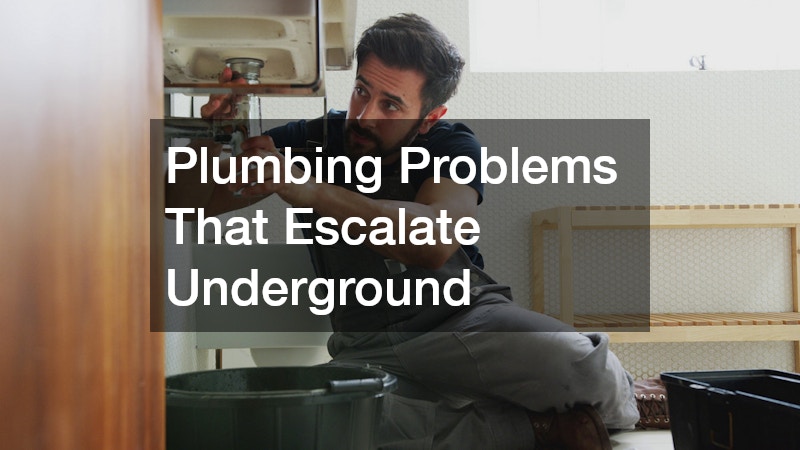
A slow leak under the sink or a small damp patch in the yard might not seem urgent, but plumbing issues rarely resolve themselves. Pipes that corrode or crack gradually worsen, and by the time a problem is obvious, it may have already caused water damage to floors, walls, or landscaping. Prompt water line repairs at the first sign of reduced pressure or unexplained puddling can prevent a full pipe replacement down the road.
Underground leaks are especially tricky because they are often invisible until the damage surfaces elsewhere, such as a spike in your water bill or soft, spongy patches in the lawn. Catching these signs early keeps repair costs contained to a small section of pipe rather than an entire line.
- Unexplained increase in water bills
- Soggy or unusually green patches in the yard
- Reduced water pressure throughout the home
- Discolored or foul-smelling tap water
Flooring Wear That Turns Into Structural Damage
Scratches, loose planks, or slightly warped flooring are easy to overlook, especially in high-traffic areas. But once moisture or debris gets beneath the surface, it can damage the subfloor, leading to soft spots, mold, or uneven flooring that is far more expensive to fix. Many homeowners choose luxury vinyl flooring for its durability and water resistance, but even resilient materials need prompt attention when seams start to separate or edges begin to lift.
Ignoring small flooring issues often means the damage spreads to adjacent boards or tiles, turning a simple patch job into a full room replacement. Regularly checking vulnerable areas near sinks, entryways, and windows can help you catch problems while they are still isolated.
- Lifting or curling edges near water sources
- Soft or spongy spots underfoot
- Visible gaps between planks or tiles
- Discoloration that suggests trapped moisture
Kitchen Surfaces and the Cost of Ignoring Small Chips

Countertops endure daily wear from knives, hot pans, and spills, and small chips or cracks are easy to brush off as cosmetic. However, once the protective sealant is compromised, bacteria and moisture can seep into the material, leading to staining, odor, and even structural weakening over time. A hairline crack no bigger than a coin can widen with repeated temperature changes from hot pots or dishwasher steam, turning a quick fix into a full slab replacement.
Porous materials like natural stone and butcher block are especially vulnerable, since unsealed spots act like tiny sponges for grease and food residue. Over months, this trapped moisture can breed mold beneath the surface, which is far costlier to remediate than a simple chip repair. Even quartz and laminate surfaces, though more resistant, can suffer edge damage that exposes the substrate underneath to water intrusion.
Granite countertops are prized for their durability, but they still require resealing every one to two years and prompt chip repair to prevent long-term damage. Skipping resealing can shorten a countertop’s lifespan by years and lead to visible etching from acidic foods like lemon juice or vinegar. Addressing a small chip early, often for under $100, is far cheaper than replacing an entire section of stone once cracks spread or staining sets in permanently.
A neglected crack can also widen under the stress of daily use, especially in materials like laminate or quartz where temperature changes and pressure from heavy pots or cutting boards accelerate the damage. What starts as a hairline fracture can spread several inches within months, eventually requiring a full countertop replacement costing anywhere from $2,000 to $6,000 instead of a simple resin patch that might run $150 to $300.
Keeping an eye on seams, edges, and areas around the sink helps you address issues before they compromise the entire surface. Water that seeps into an unsealed seam can warp particleboard substrates or promote mold growth beneath the counter, damage that often isn’t visible until the surface begins to bulge or discolor. A quick annual check with a flashlight along these vulnerable spots, paired with resealing every one to two years, can catch problems while they’re still a five-minute fix.
- Hairline cracks near the sink or stove, often just 1-2 inches long, that widen with temperature swings from hot pans or boiling water
- Dull spots where sealant has worn away, usually appearing 3-5 years after installation and leaving grout or stone exposed to moisture
- Stains that do not lift with normal cleaning, especially from oil, wine, or turmeric, which signal the surface has become porous
- Rough edges that catch on cloths or hands, a sign that laminate or countertop edging has begun to lift or chip
- Small gaps between the countertop and backsplash where water can seep behind the surface and reach the subfloor or cabinetry
- Faint discoloration around seams, which often means moisture has already started breaking down the adhesive bond
Pool Maintenance Issues That Multiply Over Time
A small crack in pool tile or a slightly cloudy water issue can seem like a minor inconvenience, but pools are unforgiving when problems are left unaddressed. Chemical imbalances can corrode equipment, while structural cracks can widen and lead to significant water loss or even foundation issues around the pool deck. In many cases, homeowners end up needing full pool remodeling simply because a small, manageable repair was postponed for too long.
Regularly checking the pump, filter, and surface tiles can help you catch minor wear before it becomes a major project. Addressing small leaks or equipment noise early is almost always cheaper than replacing an entire pool system.
- Cracked or missing tiles around the waterline
- Cloudy water despite regular chemical treatment
- Unusual noises from the pump or filter
- Visible water level drops beyond normal evaporation
Gates, Driveways, and the Value of Routine Checkups
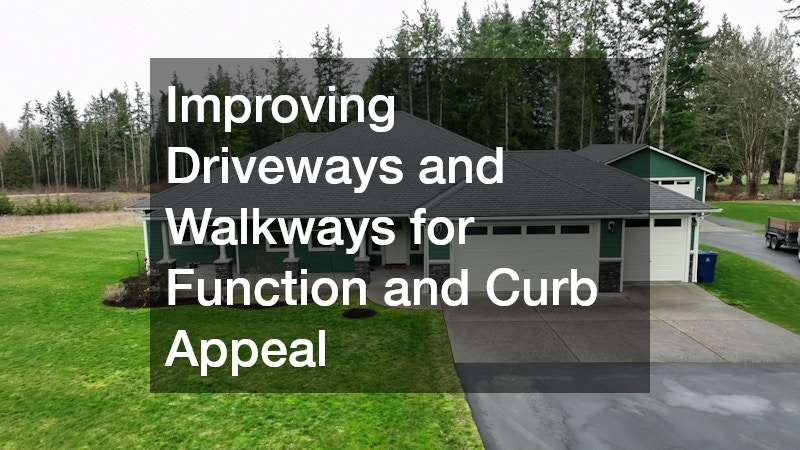
A gate that sticks or moves slower than usual is often an early sign of a mechanical issue rather than a simple annoyance. Automatic gate operators rely on consistent alignment and lubrication, and small misalignments can quickly strain the motor, leading to a much costlier replacement if ignored. Simple maintenance, like checking hinges and sensors, can extend the life of the system significantly.
Beyond the mechanical components, a malfunctioning gate can also become a security risk, leaving your property more vulnerable than you realize. Addressing minor glitches quickly helps maintain both the functionality and safety of your entry system.
- Slower than normal opening or closing
- Unusual grinding or clicking sounds
- Gate that does not fully close or latch
- Sensors that fail to detect obstacles reliably
Commercial and Larger Systems Need Attention Too
Property owners managing larger buildings often face the same neglect-driven cost spikes, just on a bigger scale. Industrial HVAC systems that are not regularly serviced can experience efficiency losses long before a full breakdown occurs, driving up energy costs and shortening the equipment’s lifespan. Scheduling routine inspections helps catch worn belts, refrigerant leaks, or clogged filters before they cause a costly system failure.
Similarly, flat or low-slope roofs on commercial buildings are prone to ponding water and membrane wear that can go unnoticed from ground level. Partnering with experienced commercial roofing companies for periodic inspections can catch small punctures or drainage issues before they turn into interior leaks affecting tenants or inventory.
- Rising utility costs without a clear cause
- Water pooling on flat roof sections after rain
- Visible wear on rooftop seams or flashing
- Inconsistent temperatures across different building zones
Conclusion
The pattern across every part of your property is the same: small issues left unattended rarely stay small, and the cost of waiting almost always exceeds the cost of acting early. Regular inspections, prompt repairs, and a bit of proactive attention can save you thousands of dollars and a great deal of stress down the road. Start by walking through your home or property this week and noting any of the warning signs mentioned above. Addressing even one small issue now is a meaningful step toward avoiding a much bigger, more expensive problem later.