
Selling a house is a complex orchestration of marketing, presentation, and negotiation. However, long before the staging furniture arrives or the professional photographer sets up their tripod, homeowners must face the reality of their property’s physical condition. It is a common misconception that aesthetic upgrades like fresh paint and new throw pillows are enough to secure top dollar. While staging certainly helps buyers visualize themselves living in the space, it does not obscure deferred maintenance from the trained eye of a home inspector. Presenting a structurally sound, move-in-ready asset to prospective buyers is the true secret to a highly profitable and seamless real estate transaction.
Home inspectors are hired with one specific goal: to find every vulnerability, hazard, and failing system within the property lines. When they inevitably uncover years of deferred maintenance, the consequences for the seller are immediate. Buyers who were once emotionally attached to the home suddenly become logical and defensive. Leaving these issues for the buyer to discover leads directly to lowball offers, extended and stressful negotiations, or worse, completely broken deals.
Proactively fixing critical areas before the home ever hits the market is one of the smartest financial decisions a seller can make. Pre-listing repairs yield a high return on investment because they eliminate a buyer’s leverage to ask for massive price reductions. When a home is pre-inspected and diligently repaired, it instills profound confidence in prospective buyers. They feel secure knowing they won’t be hit with surprise emergency expenses the moment they unpack their boxes. By strategically targeting key structural, mechanical, and cosmetic vulnerabilities before listing, homeowners can maximize their property’s market value, attract cleaner offers, and ensure a rapid, frictionless closing process.
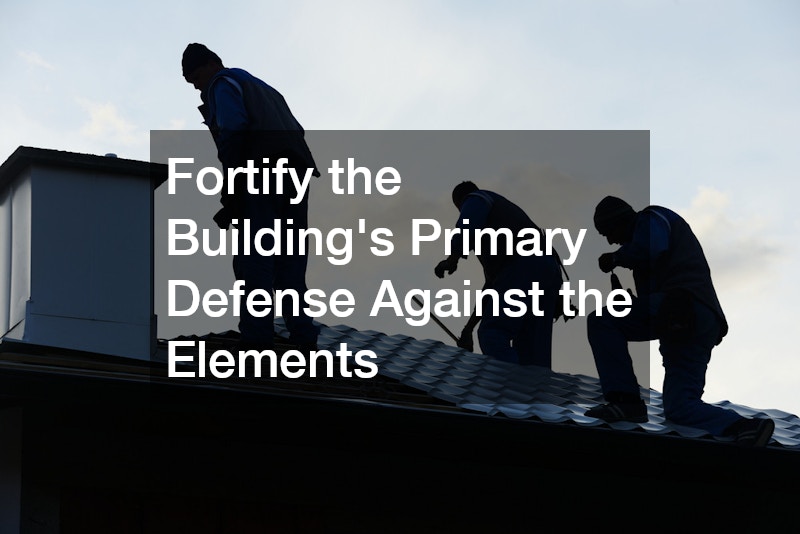
Fortify the Building’s Primary Defense Against the Elements
Conduct a Top-Down Inspection to Seal the Envelope
The uppermost layer of your home is its primary shield against rain, snow, and wind. When prospective buyers pull into the driveway, they immediately look upward. If they see missing shingles, uneven rooflines, or obvious sagging, their excitement instantly turns to financial panic. Buyers, and more importantly their lenders, view overhead structural integrity as a non-negotiable requirement. A compromised top layer is considered a major dealbreaker because it threatens the entire home; if water can breach the top layer, it can destroy the framing, insulation, electrical wiring, and drywall below.
Assessing the condition of your home’s highest point requires a careful, methodical approach. You need to look for specific signs of wear and tear that an inspector will undoubtedly document.
-
Examine the Shingles: Look for shingles that are curling at the edges, cupping in the middle, or missing their protective granules. If the gutters are full of sandy grit, the shingles are deteriorating.
-
Check the Flashing: The metal flashing around chimneys, skylights, and vent pipes is notorious for failing before the surrounding materials. Rust, cracked caulking, or lifting metal are red flags.
-
Inspect the Valleys: The valleys where two slopes meet handle the highest volume of water runoff. Ensure there are no bald spots or compromised materials in these high-flow zones.
-
Look for Biological Growth: Heavy moss or algae growth can trap moisture against the surface, accelerating decay and lifting materials out of place.
When these issues are present, attempting a do-it-yourself patch job with a tube of roofing cement is a critical mistake. Home inspectors can easily spot amateur work, which only makes them scrutinize the rest of the house harder. Bringing in licensed professionals for a proper roof repair provides documented proof that the home’s primary defense has been restored to industry standards. Handing a buyer a transferable warranty or a professional receipt eliminates their anxiety and takes a massive negotiation tool away from them.
Reroute Runoff to Protect the Foundation
While the top of the house catches the precipitation, the drainage system is responsible for safely transporting it away from the property. The critical role of proper drainage cannot be overstated. When drainage systems fail, water cascades directly down the exterior walls and pools at the base of the home. This pooling water saturates the soil against the foundation. Over time, hydrostatic pressure builds up, eventually forcing moisture through concrete pores and leading to basement flooding, mold blooms, and catastrophic structural shifts.
Protecting the foundation requires proactive water management. Ensuring your drainage system is perfectly calibrated is an absolute necessity before listing.
-
Realign Downspouts: Ensure that all downspouts are firmly attached and direct water at least six to ten feet away from the foundation. Use extenders or splash blocks if necessary.
-
Clear Blockages: Debris, leaves, and pine needles cause water to back up and spill over the edges, rendering the entire system useless.
-
Seal Seams and Joints: Inspect the entire length of the system during a rainstorm to identify any dripping seams or loose joints that need to be resealed with high-grade exterior sealant.
-
Check the Pitch: The channels must have a slight, consistent downward slope toward the downspouts. If water is pooling in the middle of a horizontal run, the pitch needs to be adjusted.
Investing in professional gutter repairs is a relatively low-cost, high-impact strategy. A fully functioning, properly pitched drainage system prevents the cascading failures that home inspectors specifically look for, saving you from having to negotiate tens of thousands of dollars in foundation remediation.
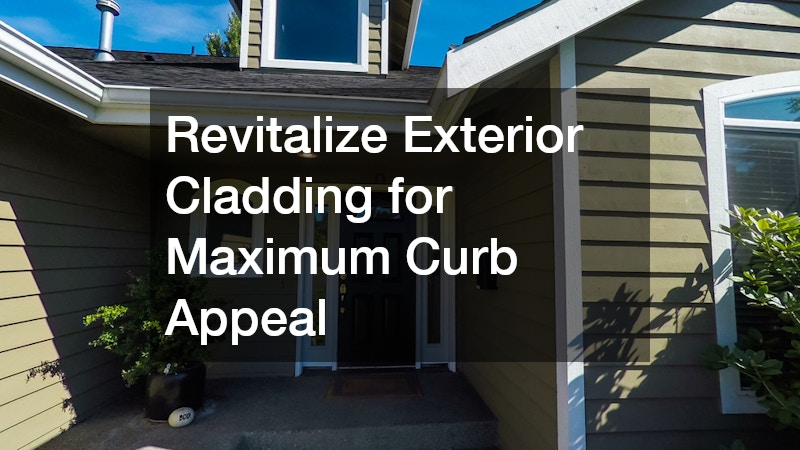
Revitalize Exterior Cladding for Maximum Curb Appeal
Seal Gaps and Replace Rotting Planks
The exterior walls serve as the aesthetic face of your home and its secondary weather barrier. It is the very first thing a buyer interacts with up close. Wood rot, warping panels, peeling paint, or cracked vinyl immediately signal to a buyer that the home has been neglected. If the outside looks dilapidated, buyers naturally assume the hidden systems behind the walls have been ignored as well.
Restoring the exterior cladding requires a detailed walkthrough of the property’s perimeter to identify and mitigate vulnerabilities.
-
Identify Soft Spots in Wood: Use a screwdriver to gently probe the trim around windows, doors, and the baseboards of the exterior. If the wood yields or feels spongy, rot has set in and the material must be completely cut out and replaced.
-
Power-Wash Safely: Dirt, mildew, and bird droppings can make the home look older than it is. Power-wash the exterior on a low-pressure setting to avoid driving water behind the protective layers or stripping paint.
-
Apply Fresh Caulk: Inspect the caulking around every window frame, door frame, and utility penetration. Scrape away old, cracked caulk and apply a fresh bead of paintable, exterior-grade silicone to ensure a tight weather seal.
-
Check for Pest Intrusions: Look for small holes, sawdust piles, or hollow-sounding wood, which can indicate termites or carpenter ants. Address these issues long before an inspector arrives.
Targeted exterior maintenance can completely transform the property’s facade. Investing in necessary siding repairs restores the visual continuity of the home and provides a massive boost to curb appeal, all without the exorbitant cost of a full exterior replacement.
Patch and Paint Textured Surfaces
Homes featuring textured exteriors face a unique set of vulnerabilities. While beautiful and durable, these surfaces are prone to hairline cracks due to normal house settling, temperature fluctuations, and foundational shifts. A hairline crack might seem like a purely cosmetic annoyance, but it is actually a direct pathway for moisture intrusion. When water enters these micro-fissures and freezes, it expands, causing the surface to blister, flake, and eventually crumble away in large chunks.
Addressing these imperfections requires specific techniques and materials to ensure the fix is invisible.
-
Bridge the Gaps: Hairline cracks must be properly cleaned out and filled with high-quality elastomeric sealants. These specialized sealants remain flexible, allowing them to stretch and compress as the house naturally expands and contracts with the seasons.
-
Match the Texture: The biggest mistake homeowners make is smearing a flat patch over a heavily textured wall. You must use stippling brushes, sponges, or specialized spray rigs to perfectly mimic the surrounding pattern.
-
Prime and Paint: Once the patching material has cured, the area must be primed with an alkali-resistant primer before painting to prevent the patch from flashing or looking discolored under direct sunlight.
Because of the high level of artistry and technical knowledge required, specialized stucco repair is absolutely vital here. A mismatched, sloppy DIY patch acts as an eyesore that repels buyers, signaling that the homeowner cut corners on essential maintenance. Hiring a specialist ensures the exterior looks uniform, pristine, and ready for market.

Stabilize Walkways, Patios, and Structural Accents
Eliminate Trip Hazards and Deteriorating Mortar
The hardscaping surrounding your home—the walkways, driveways, patios, and retaining walls—guides the buyer’s physical journey onto the property. When a buyer trips on an uneven paver or sees a crumbling chimney, it creates a lingering sense of unease. Sunken concrete slabs, cracked steps, and deteriorating brickwork present severe safety liabilities. If a buyer’s agent or inspector trips on a heaved sidewalk, the first thought isn’t about the home’s potential; it’s about premises liability and impending repair costs.
Restoring these masonry elements requires heavy-duty solutions to ensure long-term stability and visual appeal.
-
Level Sunken Slabs: Instead of ripping out and replacing an entire sunken driveway or walkway, consider mudjacking or polyurethane foam injection. This process pumps a stabilizing slurry beneath the sunken concrete, raising it back to its original, level position.
-
Address Spalling Bricks: Spalling occurs when moisture enters brick and freezes, causing the face of the brick to pop off. These compromised bricks must be painstakingly chiseled out and replaced to prevent the surrounding wall from losing structural integrity.
-
Grind Down Trip Hazards: For minor concrete heaving caused by tree roots, specialized concrete grinders can bevel the raised edges, eliminating the tripping hazard and bringing the walkway back into safety compliance.
-
Renew the Joints: The mortar between bricks and stones naturally deteriorates over decades. Tuckpointing—the process of scraping out the old, failing mortar and injecting fresh, color-matched mortar—restores the structural strength and visual geometry of the feature.
Taking the time to invest in professional masonry repairs for your chimney, retaining walls, and front steps provides a highly polished, well-maintained look. Buyers unconsciously associate crisp, level, and solid hardscaping with a home that has been loved and meticulously cared for by its owners.

Guarantee Optimal Indoor Climate Comfort for Buyers
Service and Optimize the Cooling System
When a prospective buyer walks through your front door, they expect instant, enveloping comfort, particularly during the hot summer months. The indoor climate is heavily tied to the emotional response a buyer has to a space. A struggling cooling unit that rattles, clanks, or fails to lower the humidity will make the entire house feel oppressive and uninviting. Furthermore, the cooling system is one of the most expensive mechanical components in the home; buyers will aggressively discount their offers if they suspect the unit is on its last legs.
Ensuring the system runs at peak efficiency requires technical precision and thorough maintenance.
-
Clean the Condenser Coils: The outdoor unit pulls air through a series of delicate aluminum fins to disperse heat. If these fins are clogged with dirt, pollen, and grass clippings, the system has to work twice as hard. Gently cleaning these coils restores efficiency.
-
Check Refrigerant Levels: A system low on refrigerant will run continuously without actually cooling the space, leading to sky-high utility bills and premature compressor failure.
-
Clear the Condensate Drain: The system extracts gallons of water from the indoor air daily. If the drain line clogs with algae, it can back up and flood your utility closet or attic.
-
Replace Filters: It sounds simple, but a heavily soiled air filter chokes the blower motor, restricts airflow, and leaves dust circulating throughout the home. Install premium, high-MERV filters right before listing.
Scheduling a comprehensive tune-up and air conditioning repair prior to the first showing is a brilliant strategic move. Handing a buyer a recent invoice from a licensed technician proves the system is running at optimal efficiency, providing them with a clean bill of health and removing a major point of anxiety.
Ensure Reliable Winter Heating
In the same vein, a well-maintained heating system is paramount, especially if you are selling during the autumn or winter months. The furnace is a big-ticket mechanical item that buyers absolutely dread replacing. An aging, neglected heating system is a massive red flag during an inspection. Inspectors will test the unit extensively, looking for delayed ignitions, irregular flame patterns, and carbon monoxide risks.
Proving that your heating system is safe and reliable requires a professional evaluation of its core components.
-
Inspect the Heat Exchanger: The heat exchanger separates the breathable indoor air from the toxic combustion gases. Even a microscopic crack in the exchanger is a critical safety failure that requires immediate replacement of the entire component.
-
Test the Thermostat: Ensure the thermostat is communicating correctly with the control board. Upgrading an old, manual thermostat to a modern smart thermostat is a low-cost visual upgrade that buyers appreciate.
-
Clean the Flame Sensor and Igniter: Over time, carbon buildup can coat the flame sensor, causing the system to short-cycle or fail to ignite entirely. Cleaning these delicate components ensures reliable firing every time the temperature drops.
-
Clear Ventilation Ducts: Ensure all supply and return vents are free of obstructions, furniture, and heavy dust accumulation to guarantee balanced airflow throughout every room.
Having a certified HVAC technician perform necessary furnace repairs and safety checks is non-negotiable. Being able to confidently hand over clean maintenance records at closing neutralizes one of the most common negotiation tactics used by nervous buyers.
Eradicate Moisture Issues and Hidden Structural Threats
Neutralize Plumbing Leaks and Basement Seepage
Of all the issues a home can possess, hidden moisture is the number one fear of home buyers and inspectors alike. Water is highly destructive. It rots framing, destroys drywall, short-circuits electrical systems, and breeds toxic mold. A musty smell in the basement or a faint brown stain on the living room ceiling will instantly halt a sale. Buyers view water issues as black holes for their finances, assuming that whatever damage is visible is only 10% of the actual problem behind the walls.
Eradicating these moisture threats requires a deeply thorough investigation of the home’s plumbing and foundational perimeter.
-
Check Under All Sinks: Empty out the cabinets under the kitchen and bathroom sinks. Run the water on full blast and inspect the P-traps, supply lines, and shut-off valves for even the slightest weep or drip.
-
Inspect the Water Heater Base: Look for rust, corrosion, or small puddles around the base of the water heater. A weeping tank is a sign of imminent, catastrophic failure.
-
Look for Efflorescence: In the basement, look for a white, chalky powder on the concrete or cinderblock walls. This is efflorescence, a mineral deposit left behind when groundwater seeps through the foundation and evaporates.
-
Examine the Ceilings: Check the ceilings directly beneath second-story bathrooms and laundry rooms. Even if a leak was fixed years ago, a remaining brown stain will cause an inspector to flag it as a potential active issue.
Treating moisture problems requires a comprehensive approach. It is not enough to simply paint over a stain or put a bucket under a drip. Extensive water damage repairs—including fixing the root source of the leak, drying out the structural cavities, and replacing compromised drywall, insulation, or flooring—must be executed by certified professionals. Resolving these issues definitively before an inspector discovers them protects your equity and keeps the transaction moving forward.
Upgrade and Secure Premium Backyard Amenities
Ensure Aquatic Features are Pristine and Code-Compliant
Outdoor water features, such as built-in swimming pools and attached spas, are polarizing assets in real estate. When they are pristine, sparkling, and functioning perfectly, they are a massive selling point that can significantly drive up the property’s value. However, a neglected, green, or malfunctioning pool is immediately viewed as a massive financial burden. Buyers will mentally subtract tens of thousands of dollars from their offer to account for the perceived cost of fixing a dilapidated backyard oasis.
To ensure these amenities add value rather than detract from it, they must be rigorously maintained and brought up to modern safety standards.
-
Balance the Chemistry: The water must be crystal clear. Cloudy water, algae blooms, or overwhelming chlorine smells suggest chronic neglect. Perfectly balanced alkalinity, pH, and sanitizer levels are visually and practically essential.
-
Inspect the Equipment Pad: Turn on the system and listen. Grinding noises from the pump motor, hissing from the filter tank, or bubbling in the return jets indicate mechanical failures or suction leaks that need immediate attention.
-
Fix Cosmetic Damage: Inspect the plaster for major delamination or staining. Check the waterline tile for cracked or missing pieces, and ensure the mastic sealant expanding joint around the coping is intact and free of weeds.
-
Verify Safety Codes: Real estate transactions often trigger municipal safety inspections. Ensure that all pool enclosures, self-latching gates, and anti-entrapment drain covers meet the strictest current local safety codes.
Sellers should proactively vet and hire reputable pool repair companies to address any leaks, resurface aging plaster, or replace malfunctioning variable-speed pumps well before the first open house. Presenting a flawless, turnkey backyard amenity allows buyers to envision themselves relaxing on the weekend, rather than worrying about heavy maintenance.
Tackle the Punch List of Minor Annoyances
Fix the Small Details That Distract Buyers
Selling a home requires an understanding of buyer psychology. When a prospective buyer tours a home, they are in a state of hyper-vigilance. If a bedroom door squeaks loudly, a kitchen cabinet hinge hangs loose, or a hallway light fixture flickers, it breaks the spell of the tour. While these issues might cost less than five dollars to fix, they have a disproportionate impact on the buyer’s perception. The buyer’s internal logic dictates that if the homeowner couldn’t be bothered to fix a dripping faucet, they certainly couldn’t be trusted to maintain the roof or the plumbing.
Before listing, sellers must walk through their home with a critical, unforgiving eye and create a comprehensive punch list of minor, irritating defects.
-
Tighten Hardware: Go through every room with a screwdriver. Tighten loose doorknobs, cabinet pulls, towel racks, and toilet paper holders. Everything a buyer touches should feel solid and secure.
-
Patch and Paint: Fill in picture hanger nail holes, smooth out drywall dents from door handles, and touch up the paint. A perfectly smooth wall suggests a well-cared-for home.
-
Fix Drips and Run-ons: Replace the rubber flappers in toilets that continually run, and swap out the cartridges in bathroom faucets that refuse to stop dripping.
-
Realign Doors and Windows: Ensure every interior door latches properly without having to be slammed. Lubricate the tracks on sliding glass doors and ensure all window screens are free of tears.
For sellers who are short on time, lack the tools, or simply feel overwhelmed by a long to-do list, booking professional handyman services for a day or two is an incredibly wise investment. A skilled professional can systematically knock out these persistent, minor aesthetic and functional issues efficiently, leaving the home feeling tight, polished, and exceptionally well-maintained.
Preparing a home for the real estate market is an exercise in empathy and strategy; it requires the seller to step entirely out of their own perspective and view the property through the skeptical eyes of a buyer and the rigorous lens of a home inspector. The days of simply baking cookies to mask odors and throwing a fresh coat of paint on the front door are over. Today’s buyers are highly educated, financially cautious, and incredibly observant.
The ultimate takeaway for anyone looking to sell is that spending money on critical, structural, and systemic maintenance now prevents forced, heavily inflated concessions during the negotiation phase later. A clean inspection report is the ultimate leverage a seller can possess. It protects your asking price and guarantees a smooth path to closing. Do not wait until the “For Sale” sign is in the yard to start making improvements. Walk your property this weekend with a critical eye, finalize your repair checklist, and begin scheduling the necessary professionals to ensure your home is truly market-ready.