A few cracks in the patio or a sunken spot near the driveway can seem like minor cosmetic issues, but outdoor settling is often a symptom of something happening beneath the surface. Soil movement, poor drainage, and erosion can quietly undermine walkways, pool decks, and foundations long before visible damage appears. Knowing which signs point to a simple fix versus a structural concern can save homeowners thousands of dollars and prevent safety hazards. This guide breaks down the warning signs, causes, and situations where bringing in a professional makes sense.
Uneven Pavers and Cracked Walkways
When pavers start to shift, sink, or tilt in different directions, it usually means the base material underneath has eroded or compacted unevenly. This is more than an aesthetic problem since uneven surfaces create tripping hazards, especially for children and older adults walking through the yard at night. Left unaddressed, the gaps between pavers widen, allowing more water and debris to infiltrate the base and accelerate the damage.
Homeowners often try to fix a few loose pavers themselves, but if the problem spans a large section of landscaping pavers, it typically signals a deeper base failure rather than a surface-level fix. A professional can assess whether the existing base needs to be excavated and rebuilt or whether targeted repairs will hold. Catching this early prevents a small repair from turning into a full paver installation in the affected area.
- Look for pavers that rock or wobble when stepped on
- Check for widening gaps or missing joint sand between units
- Note any areas where water pools after rain
- Watch for weeds pushing up through joints, which suggests base erosion
Sunken or Sloping Patio Surfaces
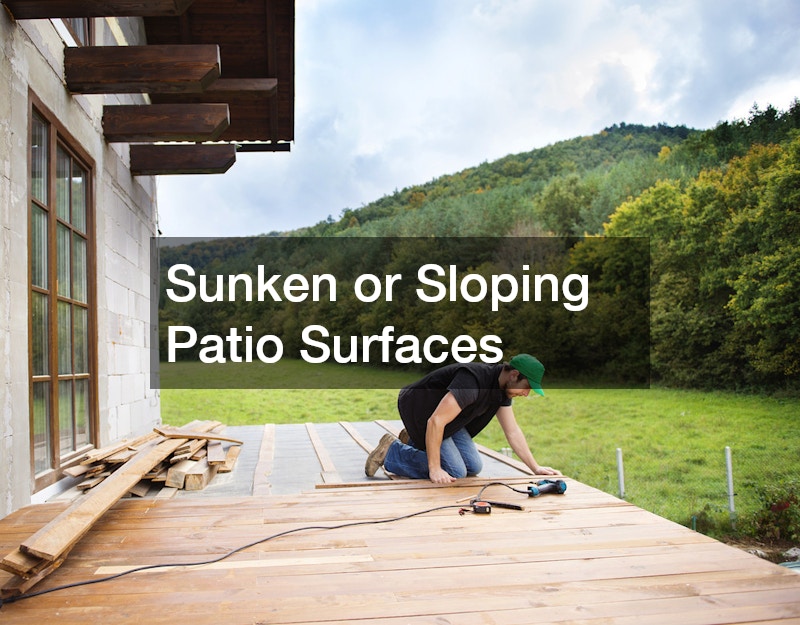
A patio that once sat level but now slopes toward the house or away from it is a red flag for soil settling beneath the slab or pavers. This kind of movement is often gradual, so many homeowners don’t notice until furniture starts wobbling or water begins pooling near the foundation instead of draining away. Sloping toward the house is particularly concerning because it can direct water into crawl spaces or basements.
Sometimes the fix involves regrading the soil beneath the patio and adding proper drainage before any resurfacing happens. In other cases, the patio may need to be lifted and reset entirely, which requires equipment and expertise beyond a weekend DIY project. Getting an assessment early helps determine whether the issue is isolated to the patio or connected to broader yard drainage problems.
Pool Deck Cracking and Surface Separation
Pool areas are especially prone to settling because the excavation done during pool installation disturbs the surrounding soil, and that soil can take years to fully stabilize. When pool deck pavers begin to crack, separate, or dip near the coping, it often means the sub-base has shifted or washed out from repeated water exposure. This is a common issue in regions with heavy rainfall or poor initial compaction during construction.
Because pool decks sit so close to standing water and see constant foot traffic, even minor settling can create serious slip hazards. A visual inspection alone may not reveal how deep the problem goes, since the surface can look fine while the base underneath continues to erode. Professionals use tools like probing rods or plate compaction tests to check for voids before recommending a repair plan.
- Cracks radiating from the pool coping edge
- Pavers that sink slightly when stepped on near the pool’s edge
- Water pooling in low spots instead of draining toward deck drains
- Visible gaps between the deck and the pool structure itself
Foundation Cracks and Shifting Soil
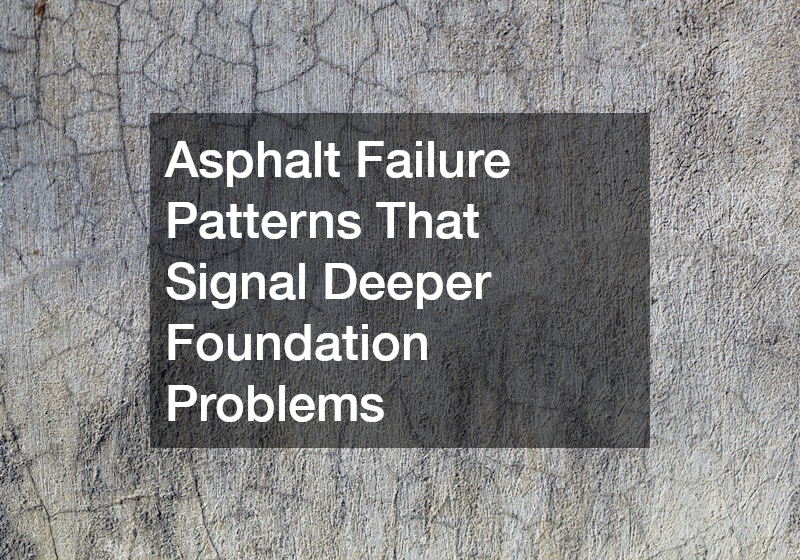
Not all settling happens in the yard, foundations themselves can crack or shift when the soil beneath them expands, contracts, or erodes unevenly. Clay-heavy soils are notorious for this because they swell when wet and shrink when dry, creating a cycle of movement that stresses concrete over time. Hairline cracks are usually cosmetic, but cracks wider than a quarter inch or those that run diagonally deserve a closer look.
A concrete contractor with experience in foundation repair can determine whether the cracking is due to normal curing, settling, or a more active soil issue that needs correction. They’ll typically look at crack patterns, door and window alignment, and floor levelness together rather than judging a single crack in isolation. Ignoring active foundation movement can lead to far more expensive repairs down the line, including structural underpinning.
Retaining Wall Bulging and Leaning
Retaining walls hold back tons of soil, and when drainage behind them fails, hydrostatic pressure builds up and pushes the wall out of alignment. A leaning or bulging wall is not something to wait on, since these structures can fail suddenly rather than gradually, putting anything downhill at risk. Even a wall that has held steady for years can start to shift after a particularly wet season.
The best time to catch a problem is before the wall visibly leans, which is why periodic inspection of drainage weep holes and backfill material matters. If a wall is already showing signs of movement, an excavation contractor can evaluate whether the failure is due to inadequate drainage, poor original construction, or root intrusion. They can also determine whether the wall needs to be rebuilt entirely or simply regraded and redrained.
- Vertical cracks forming near the base of the wall
- Visible bulging or bowing along the wall’s face
- Water seeping through the wall instead of draining at the base
- Soil pulling away from the top of the wall
Driveway Depressions and Edge Erosion
Driveways take a beating from vehicle weight, freeze-thaw cycles, and water runoff, all of which can cause the edges or center to sink over time. A depression that collects water after every rain is doing more than looking bad, it’s likely softening the base material further with each cycle of saturation and drying. Edge crumbling is often the first visible sign that the supporting soil has eroded away from underneath.
A concrete company that specializes in driveway repair can identify whether the issue is isolated settling or a sign of a wider drainage problem affecting the whole property. They may recommend mudjacking or polyurethane foam injection to lift a sunken slab without full replacement, which is often more cost-effective. For paver driveways, the fix might involve pulling up the affected section, correcting the base, and resetting the units.
Standing Water and Drainage Failures After Rain
Puddles that linger for more than a day or two after rainfall are a strong indicator that grading or drainage infrastructure isn’t doing its job. As a general rule, well-graded soil should drain visible surface water within 24 hours; anything beyond that points to compacted soil, a clogged drain line, or a low spot that was never properly corrected during installation. This is frequently the root cause behind settling problems elsewhere in the yard, since saturated soil loses much of its load-bearing capacity. Soil that stays wet for extended periods can lose a significant percentage of its compaction strength, which allows pavers, slabs, and retaining walls to shift downward even without any additional weight placed on them. Repeated wet-dry cycles compound the damage over time, gradually loosening the base material beneath hardscaping. Homeowners sometimes treat standing water as a separate issue from settling, addressing each with a different contractor or a quick patch job. But the two are usually connected, and fixing a sunken patio without correcting the underlying drainage problem often means the repair fails again within a season or two. Common culprits worth checking include downspouts that discharge too close to the foundation, swales that have filled in with sediment, and French drains that have become clogged with roots or debris. A professional assessment can determine whether the fix is as simple as regrading a few inches of slope or as involved as installing a new subsurface drainage system.
Standing water that lingers for more than 24 hours after a storm is a sign that surface fixes like French drains may not be enough — the underlying grade of the property itself may need adjusting. A healthy slope moves water at least 2% away from the foundation, roughly a 2-inch drop over 10 feet, and when that pitch is off, water pools instead of draining. Regrading corrects this, but it’s a job worth planning carefully, since it involves excavating and moving significant amounts of soil to redirect water flow away from structures. Before any regrading begins, it helps to map where water actually collects during a storm, since low spots aren’t always where they appear to be once the ground dries out. A professional assessment often includes checking downspout extensions, patio slopes, and any buried utility lines that excavating equipment could hit. In some cases, simply adjusting the grade isn’t enough on its own. Adding a layer of compacted gravel beneath problem areas — typically 4 to 6 inches deep — improves subsurface drainage capacity by giving water somewhere to go before it reaches the surface. Scheduling a gravel delivery large enough to cover the affected zone in one pass also helps ensure consistent compaction, rather than patching in smaller loads that settle unevenly over time before any hardscaping goes back down.
- Puddles that take more than 48 hours to drain, especially in clay-heavy soil that stays saturated
- Soggy patches near the foundation, patio edges, or driveway seams where grading may be sinking
- Mold, moss, or algae growth in consistently damp, shaded areas of the yard
- Visible erosion channels or small ravines carved out after heavy storms
- Water pooling within 6 feet of the foundation, which risks basement or crawl space seepage
- Gutters and downspouts discharging directly onto settled soil instead of extending away from the house
- Cracked or shifting walkways where water collects in low spots between slabs
Discolored, Stained, or Grimy Hardscape Surfaces
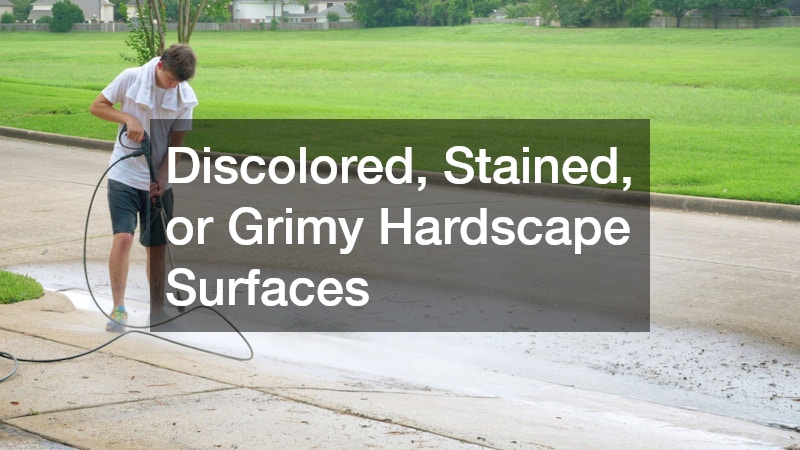
While not a structural issue on its own, buildup of algae, mildew, and mineral staining on outdoor surfaces can mask early signs of settling or cracking that would otherwise be visible. Regular paver cleaning helps homeowners actually see what’s happening beneath the grime, whether that’s hairline cracks, efflorescence, or shifting joints. It also prevents surfaces from becoming slippery, which compounds the safety risk of any existing unevenness.
Pressure washing on its own can sometimes worsen problems if joint sand gets blasted out, so it’s worth understanding proper technique or hiring someone familiar with the material. Sealing after cleaning helps protect against future staining and can extend the life of both concrete and paver surfaces. Keeping surfaces clean is a simple maintenance habit that pairs well with periodic visual inspections for settling.
- Use a fan-tip nozzle and moderate pressure to avoid eroding joint sand
- Re-sand and reseal after any thorough cleaning
- Address algae and moss promptly since they retain moisture against the surface
- Inspect for cracks or gaps while surfaces are clean and easy to see
When to Call In a Professional Evaluation

Some settling is genuinely minor and self-corrects with basic maintenance, but certain warning signs mean it’s time to get an expert opinion rather than guessing. A general rule is that if the problem covers a large area, keeps recurring after repair, or is near a structure, it warrants a professional look. Waiting too long often turns a manageable repair into a full-scale reconstruction project.
A qualified concrete service can assess not just the visible damage but the soil and drainage conditions driving it, which is the only way to prevent the same issue from resurfacing. They’ll typically walk the property, check grading, test for voids, and review how water moves during and after rain. This kind of comprehensive assessment gives homeowners a clear picture of what’s cosmetic, what’s urgent, and what can wait.
- Settling that reappears within a year of a previous repair
- Cracks wider than a quarter inch or actively growing
- Any movement affecting a retaining wall, pool deck, or foundation
- Water consistently draining toward rather than away from structures
Outdoor settling isn’t always an emergency, but ignoring the warning signs can turn a manageable repair into a costly overhaul. Paying attention to drainage, cracking patterns, and surface movement gives homeowners the information they need to act before small problems become big ones. When in doubt, a professional assessment is a small investment compared to the cost of unchecked structural damage. Taking that step now can protect both the safety and the value of the property for years to come.