
A standard home inspection is a snapshot, not a full diagnosis. Inspectors typically spend two to three hours walking through a property, which means many slow-building problems never make it onto the report. Whether you just bought a house or have lived in one for years, understanding these blind spots can save you from expensive surprises.
This article walks through the systems and structures that routinely slip past a general inspection, and what you can do about each one.
Foundation Cracks Behind the Stucco Finish
A general home inspector can only evaluate what is visible, and exterior wall systems often hide their true condition behind a finished surface. Stucco in particular can mask moisture intrusion, hairline cracking, and substrate rot for years before any staining or bulging appears on the outside. By the time a homeowner notices discoloration or a hollow sound when tapping the wall, the damage underneath may already be extensive.
This is why a periodic evaluation from experienced stucco contractors is worth scheduling even when nothing looks obviously wrong. They know how to check for trapped moisture using tools most inspectors do not carry, and they can spot control joint failures or improper flashing that a generalist would miss. Catching these issues early typically means a patch repair instead of a full wall replacement.
- Look for spider-web cracking near window corners, a common early warning sign
- Check for dark streaking below weep screeds, which suggests water is escaping the wall system
- Ask about the original lath and moisture barrier installation if the home is older than 20 years
- Get a moisture meter reading in high-risk zones like below downspouts
Driveway Slabs With Subsurface Erosion

Inspectors will note obvious surface cracking in a driveway, but they rarely dig into what is happening underneath. Erosion beneath a concrete or asphalt slab can occur slowly due to poor drainage, and it often shows no symptoms until a section suddenly sinks or heaves. This kind of subsurface washout is nearly impossible to catch during a walk-through inspection because the top layer can still look intact.
If you notice pooling water at the edges of your driveway or small settling cracks that seem to be spreading, it may be time to consult a professional about driveway resurfacing before the problem worsens. Resurfacing at the right time can extend the life of the slab significantly and is far less costly than a full tear-out and replacement. Waiting until the surface visibly collapses almost always means a bigger bill later.
- Watch for water that consistently collects in the same low spot after rain
- Note any new gaps forming between the driveway and garage slab
- Pay attention to cracks that widen noticeably season to season
Roof Underlayment and Flashing Integrity
A home inspector will typically observe the roof from the ground or with a drone, checking for obviously missing shingles or sagging lines. What they cannot easily assess is the condition of the underlayment, the flashing around chimneys and vents, or the state of the decking beneath the surface layer. These hidden components are often where leaks actually originate, even when the visible shingles look fine.
A qualified roof installer can perform a much closer inspection, including checking attic decking from the inside for water staining or soft spots that indicate a slow leak. They can also identify flashing that was improperly sealed during a previous repair, which is one of the most common causes of hidden roof leaks. Scheduling this kind of closer look every few years, especially after a major storm, is a smart way to avoid a surprise ceiling stain.
- Ask for photos of the attic decking and flashing points, not just the shingle surface
- Request a moisture reading around chimney penetrations and skylights
- Confirm the age and material of the underlayment, since this affects expected lifespan
HVAC Ductwork and System Efficiency
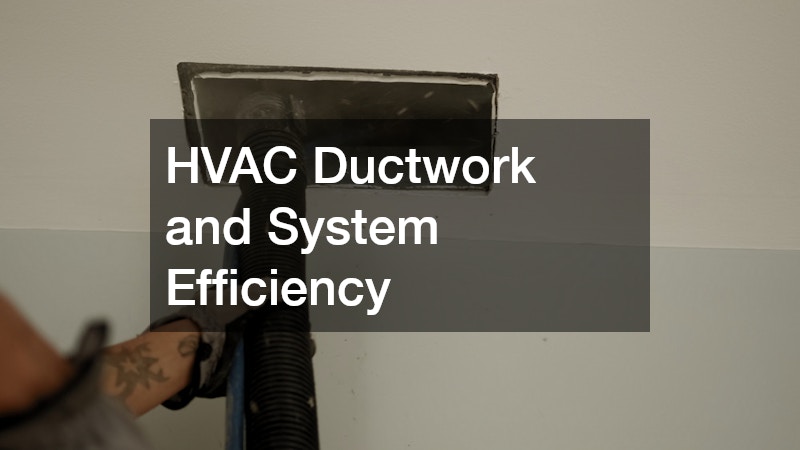
Inspectors generally test whether a furnace or air conditioner turns on and produces heating or cooling, but they rarely evaluate the ductwork running through the walls and crawl spaces. Leaky or poorly insulated ducts can waste a significant portion of your energy output without ever showing up as a mechanical failure. This means a system can pass inspection while still costing the homeowner hundreds of extra dollars a year in utility bills.
Bringing in the best HVAC company you can find for a full efficiency assessment is different from a basic inspection because they measure actual airflow, static pressure, and duct leakage rather than just confirming the unit powers on. They can also tell you whether the system is properly sized for your home’s square footage, which is a common oversight in older properties. An undersized or oversized system wears out faster and struggles to maintain comfortable temperatures no matter how well it is maintained.
- Ask for a duct blaster test to measure actual air leakage
- Request a load calculation to confirm the system matches your home’s size
- Check filter access points for signs of long-term neglect
Aging Supply Lines and Hidden Slab Leaks
Plumbing systems are one of the trickiest areas for a general inspection to evaluate accurately, since most of the pipe run is hidden inside walls, under floors, or beneath a concrete slab. An inspector may run water and check for visible leaks under sinks, but a slow slab leak or a corroding supply line deep in a wall cavity will not announce itself so easily. These issues often surface only after water damage has already spread.
Licensed plumbers have access to tools like acoustic leak detectors and thermal cameras that can locate a hidden leak long before it causes a warped floor or a mold problem. If your home was built with polybutylene piping or older galvanized steel, it is worth having a plumber evaluate the whole system’s remaining lifespan rather than waiting for a pipe to fail. A proactive inspection every five to ten years, especially in older homes, can prevent a minor drip from becoming a major repair.
- Check your water meter for movement when all fixtures are off, a sign of a hidden leak
- Ask about the material and age of your main supply line
- Look for unexplained increases in your water bill over consecutive months
Garage Door Springs and Safety Sensors

A home inspector usually checks that a garage door opens and closes, but the torsion springs, cables, and safety sensors that keep the system working reliably often go unexamined in detail. These components carry enormous mechanical tension and wear down gradually, which means a door can operate normally right up until a spring snaps. This is one of the more overlooked safety hazards in a typical home.
Professionals who install and service garage doors recommend a tension and balance check at least once a year, since an unbalanced door puts extra strain on the opener motor and shortens its lifespan. They can also test the auto-reverse safety sensors, which are required by modern safety codes but frequently get knocked out of alignment. A five-minute check can prevent both a costly repair and a genuine injury risk.
- Test the auto-reverse function by placing an object in the door’s path
- Listen for grinding or popping sounds during operation, a sign of spring wear
- Check that the door stays level when disconnected from the opener manually
Perimeter Fencing and Gate Structural Wear
Fencing is rarely a focus of a standard inspection beyond a quick visual note about condition, yet the posts, hardware, and gate hinges are constantly exposed to weather and ground movement. Wood fencing can rot at the post base without obvious signs above ground, while metal fencing can develop rust at welded joints that eventually weakens the entire structure. A fence that looks sturdy from a distance can still be failing at its connection points.
If you are considering an upgrade, working with experienced wrought iron fence installers can solve many of these long-term durability issues, since properly coated metal fencing resists rot and pest damage far better than wood in most climates. They can also advise on proper post depth and drainage around the base, which is often the real reason fences fail prematurely. A well-installed metal fence, maintained correctly, can outlast several generations of wood replacements.
- Push gently on fence posts to check for movement at the base
- Inspect gate hinges and latches for rust or metal fatigue
- Look for gaps forming at the bottom of the fence line, which can indicate ground shifting
Lawn Root Health Beneath a Healthy-Looking Surface

A green, mowed lawn can look perfectly fine during a home walkthrough while hiding root-level problems like compacted soil, thatch buildup, or early fungal disease. These issues do not always show up as visible browning until the damage is fairly advanced, which means a buyer or homeowner can be caught off guard by a lawn that declines rapidly within a season. Surface appearance is simply not a reliable indicator of long-term turf health.
A consistent lawn treatment program that includes aeration, dethatching, and soil testing addresses these hidden issues before they become visible dead patches. Soil pH imbalances in particular are invisible to the eye but can starve grass roots of nutrients regardless of how much water or fertilizer is applied. Getting a professional soil test once a year is a small investment that prevents much larger landscaping costs down the road.
- Check for spongy or uneven ground, a sign of thatch buildup
- Pull a small patch of grass to see if roots are shallow or brittle
- Watch for consistent yellowing in the same area, which often signals a drainage or pH issue
Subfloor Damage Under Existing Hardwood
Hardwood floors can look pristine on the surface while the subfloor beneath them is quietly deteriorating from moisture, pest activity, or age-related wear. A general inspector will note obvious cupping, gapping, or squeaking, but they typically cannot assess the actual structural condition of the subfloor without pulling up boards, which is outside the scope of a standard inspection. This means real damage can go undetected for years.
A reputable hardwood flooring company can perform moisture testing and spot-check problem areas during a refinishing project, often uncovering subfloor issues that would otherwise remain hidden. Squeaks that seem minor are sometimes an early indicator of loosening subfloor fasteners, which is worth addressing before it turns into a sagging floor section. Catching this early during a routine refinish is far less invasive than a full floor replacement later.
- Listen for consistent squeaking in the same spots when walking across the room
- Check for slight give or bounce underfoot near exterior walls
- Look for cupping or crowning in boards, which often points to moisture below
Kitchen Layout Flaws That Create Long-Term Frustration
Inspections focus on safety and function, like whether outlets are grounded or a sink drains properly, but they say nothing about whether a kitchen layout actually works for daily living. Awkward work triangles, insufficient counter space, or poor ventilation placement are livability issues rather than code violations, so they never appear on an inspection report at all. Homeowners often do not realize how much a layout is limiting them until they have lived with it for a while.
Consulting a kitchen designer, even for a home you already own, can reveal surprisingly affordable ways to fix circulation problems or add storage without a full remodel. Small adjustments like relocating an island by a few feet or reconfiguring cabinet layout can dramatically improve how a space functions day to day. This kind of evaluation is especially useful before listing a home for sale, since kitchens heavily influence buyer perception.
- Time how long it takes to move between the sink, stove, and refrigerator during meal prep
- Note any areas where two people cannot comfortably work at once
- Identify dead corner cabinet space that could be reclaimed with better design
Conclusion
A home inspection is a useful starting point, but it was never designed to catch every hidden vulnerability lurking behind walls, under slabs, or beneath a healthy-looking lawn. The smartest approach is to treat your inspection report as the beginning of an ongoing maintenance conversation rather than a final verdict on your home’s condition. Bringing in the right specialist for each system, on a regular schedule, is what actually protects your investment over the long run. Start with the areas of your home that are oldest or have shown the smallest warning signs, since those are the most likely to be hiding a bigger problem.