The change of seasons puts real stress on your home, but the damage rarely shows up right away. Instead, small issues quietly worsen behind walls, under driveways, and beneath the yard until they surface as expensive emergencies. Knowing where to look between seasons can help you catch problems while they are still inexpensive to fix. This guide walks through the systems most likely to deteriorate unnoticed and what you can do about each one.
Driveway and Walkway Surfaces Lose Integrity Gradually
Freeze and thaw cycles are brutal on paved surfaces, forcing water into tiny cracks and expanding them every time the temperature drops. What looks like a hairline crack in autumn can become a serious pothole by spring if moisture keeps working its way underneath. Many homeowners wait until the damage is visible from the street, but by then the base layer beneath the surface may already be compromised.
Sealcoating and timely patching are the best defense, and this is one area where getting a professional opinion pays off. Many asphalt companies offer seasonal inspections that can catch subsurface weaknesses before they turn into full replacement projects. Acting in the shoulder seasons, rather than waiting for peak summer or winter demand, often means faster scheduling and lower costs.
- Check for alligator-pattern cracking, which signals base failure rather than surface wear
- Look for pooling water after rain, a sign of poor drainage or settling
- Seal small cracks before winter to prevent water infiltration
- Watch edges of the driveway, which deteriorate faster than the center
Pool Decks and Patios Show Hidden Wear

Concrete pool decks and patios take a beating from constant exposure to sun, chlorine, and freeze-thaw cycles, yet the damage often stays cosmetic-looking for years before it becomes structural. Small surface pits and faded spots are early warnings that the top layer is breaking down. Left unaddressed, this deterioration can lead to slip hazards and uneven surfaces that trap water against the foundation.
Pool deck resurfacing is a practical way to restore both safety and appearance without tearing out the entire slab. Homeowners often assume resurfacing is purely aesthetic, but it also adds a protective layer that slows future cracking and staining. Scheduling this work in a shoulder season, when the pool is not in daily use, minimizes disruption to your outdoor living space.
- Inspect for flaking or spalling concrete near the pool edge
- Check expansion joints for gaps that allow water intrusion
- Look for consistent color and texture, since patchy areas suggest uneven wear
- Test for slippery spots that develop as the surface degrades
Home Electrical Systems Age Faster Than They Appear

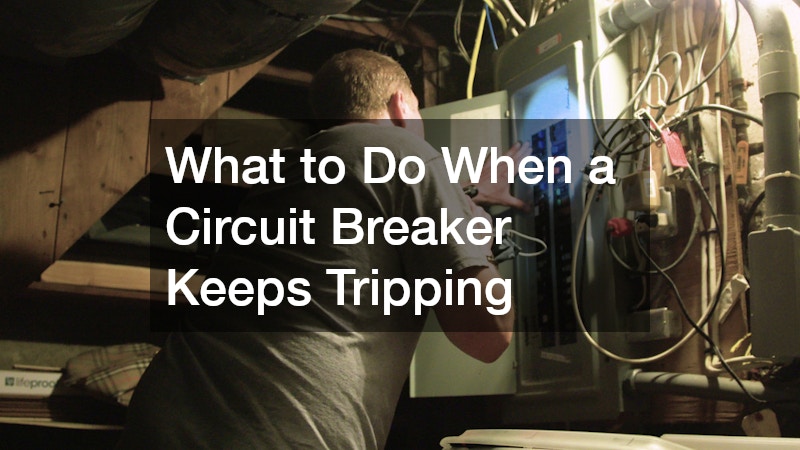
Wiring hidden inside walls does not show obvious signs of aging the way a cracked driveway does, which is exactly why it is so often ignored until something fails. Unlike visible wear, electrical degradation happens behind drywall and inside junction boxes, so most homeowners have no idea their system is under strain until a breaker trips or an outlet stops working entirely. Flickering lights, warm outlet covers, buzzing switches, or breakers that trip repeatedly are subtle clues that the system is being pushed beyond its original design. A slight burning smell near an outlet or discoloration on a cover plate is an even more urgent signal, since it often means insulation on the wiring has already started to break down from sustained overheating. Homes built more than a few decades ago frequently have wiring that was never intended to handle today’s load of electronics and appliances. A house wired in the 1970s or 1980s, for example, may still rely on a 100-amp panel designed for a handful of lamps and a window air conditioner, not the laptops, streaming devices, space heaters, and EV chargers common in a modern household. Aluminum wiring, common in homes built between the mid-1960s and mid-1970s, poses an additional risk because it expands and contracts more than copper, loosening connections over time and increasing fire risk. Panels themselves have a service life too, typically 25 to 40 years, after which breakers may fail to trip properly even when they should. A licensed electrician can spot warning signs long before a homeowner would, including double-tapped breakers, outdated fuse boxes, or missing ground-fault protection in kitchens and bathrooms, making a periodic inspection worth far more than the cost of the visit.
Electrical rewiring is not a project most people want to think about, but delaying it increases both fire risk and inefficiency. Homes built before the 1990s often still have aluminum wiring, knob-and-tube systems, or undersized panels that were never designed to handle today’s load of appliances, HVAC equipment, and electronics. Warning signs like flickering lights, warm outlet covers, a persistent burning smell, or breakers that trip repeatedly shouldn’t be dismissed as minor annoyances. A licensed electrician can assess whether a full rewire is necessary or whether targeted upgrades to panels and circuits will suffice. In many cases, replacing an outdated 60- or 100-amp panel with a 200-amp service, adding dedicated circuits for major appliances, or installing arc-fault and ground-fault breakers resolves the underlying risk without tearing into every wall. A full rewire is usually reserved for homes with deteriorated insulation on the wiring itself or systems that no longer meet current code. Seasonal changes in humidity and temperature can also aggravate existing wiring issues, making fall and spring good times for an inspection. Moisture intrusion during humid summer months can corrode connections in attics, crawl spaces, and exterior junction boxes, while winter’s dry cold causes insulation around wires to become brittle and crack. Catching these stress points twice a year, rather than waiting for a visible failure, keeps small problems from becoming expensive emergencies.
- Watch for discolored or warm outlets and switch plates, which indicate overheating; yellowing or a brittle feel means the issue has been building for a while
- Note any persistent burning smell near outlets, switches, or the breaker panel, and treat it as urgent rather than something to monitor
- Count how often breakers trip during high-usage periods, since more than once or twice a month suggests the circuit is undersized or failing
- Ask about aluminum wiring if your home was built between 1965 and 1973, as it’s prone to loose connections and requires special anti-oxidant treatment or copper pigtailing
- Listen for buzzing or crackling from switches and outlets, which often signals arcing before a failure occurs
- Check whether outlets feel loose when plugging in cords, since worn contacts can overheat under steady load
Heating Equipment Needs Attention Before Cold Weather Hits
Furnaces and heat pumps tend to sit unused for months, and that dormancy can mask small mechanical issues that turn into no-heat emergencies on the coldest night of the year. Dust accumulation, worn belts, and clogged filters are common culprits that build up quietly during warmer months. A system that seemed fine last winter can still develop new problems if it was not properly maintained during the off-season.
Scheduling heating repair before the first cold snap rather than during it can save both money and stress, since technicians are far less busy and more available for thorough diagnostics. A pre-season tune-up typically checks ignition components, thermostat calibration, and airflow, all of which affect efficiency and safety. Catching a failing part in October is far less painful than discovering it during a January freeze.
- Replace air filters at the start of every heating season
- Listen for unusual clanking, rattling, or squealing sounds at startup
- Check that vents and returns are unobstructed by furniture or debris
- Schedule professional maintenance annually, ideally in early fall
Landscaping Materials Break Down and Invite Bigger Problems

Garden beds and foundation plantings often get a fresh layer of ground cover in spring, but that layer breaks down faster than most homeowners expect, especially in regions with heavy rain or intense sun. Mulch that has decomposed into a compacted mat can actually repel water instead of retaining it, starving plant roots and creating runoff toward the foundation. Thin or missing coverage also allows weeds to take hold and soil temperatures to swing more dramatically.
Refreshing beds twice a year, rather than once, keeps organic material actively improving soil health instead of just sitting there. It also helps regulate moisture near the foundation, which indirectly protects basement walls and crawl spaces from excess water exposure. Choosing the right depth matters too, since piling material too high against siding or tree trunks can trap moisture and invite pests.
- Keep a two to three inch layer for proper insulation and moisture control
- Pull material back from siding and tree trunks by several inches
- Refresh in spring and again in late fall for best results
- Avoid piling against foundation vents or crawl space openings
Underground Sewer Lines Fail Silently for Years
Few homeowners think about what is happening beneath their yard until a backup forces the issue, but underground pipes are constantly exposed to shifting soil, tree root intrusion, and seasonal ground movement. A sewer lateral, which connects your home’s plumbing to the municipal main, is particularly vulnerable because it often runs beneath mature trees and driveways where roots seek out moisture. Small cracks can go undetected for years while roots slowly work their way inside, gradually restricting flow.
Slow drains, gurgling sounds, or recurring backups in the lowest fixtures of the house are early warning signs worth taking seriously. A camera inspection can reveal the actual condition of the line without any digging, which is especially useful before buying a home or renovating an older one. Addressing a partial blockage early is far cheaper than dealing with a full collapse that requires excavation.
- Watch for soggy patches or unusually green grass along the pipe’s path
- Note slow drainage in multiple fixtures at once, not just one sink
- Avoid planting new trees directly above known pipe routes
- Request a camera inspection every few years in homes over 30 years old
Roof Coverings Wear Down Between Storm Seasons
Roofs endure more seasonal abuse than almost any other part of the house, from summer UV exposure to winter ice dams, yet most people only look up after a leak appears indoors. Granule loss, curling shingles, and small areas of moss growth are all signs that the roofing material is aging faster than expected. Because these issues are often invisible from the ground, many homeowners are unaware of the damage until water has already reached the attic.
Bringing in roofers for a seasonal inspection, ideally in early fall and again after any major storm, catches problems while repairs are still simple and localized. A professional can also check flashing around chimneys and vents, which are common leak points that homeowners often overlook. Waiting until a visible leak appears usually means the underlying decking has already absorbed moisture damage.
- Look for granules collecting in gutters, a sign of shingle breakdown
- Check for curling or missing shingles after high winds
- Inspect flashing around chimneys, skylights, and vents
- Schedule a professional roof inspection at least once a year
Windows and Doors Lose Their Seal Over Time

The seals and weatherstripping around windows and doors degrade slowly, and because the change happens gradually, many homeowners do not notice until energy bills spike or drafts become obvious on a cold night. Condensation forming between double-pane glass is a clear sign that the seal has failed and the insulating gas has escaped. Warped frames, sticking sashes, and visible gaps around the trim are other quiet indicators of deterioration.
In many cases, full window installation is more cost-effective long term than repeated patching of failing seals, particularly for windows original to a home more than 20 years old. Modern replacement options offer significantly better insulation and can reduce heating and cooling costs noticeably. Timing the project during a mild season also makes the process more comfortable, since openings are exposed to outside air during installation.
- Check for fogging or moisture between panes of double-glazed windows
- Feel for drafts around frames on a windy day
- Inspect exterior caulking for cracks or gaps
- Test that windows open, close, and lock smoothly
Kitchen and Bathroom Surfaces Show Age Quietly
Countertops endure daily wear from heat, moisture, and cleaning chemicals, and while natural stone and solid surfaces are durable, they are not immune to gradual damage like hairline cracks, dulling, or seam separation near sinks. Because countertops are used constantly, homeowners often adjust their habits around existing damage rather than addressing it, allowing small issues to worsen. Water intrusion at seams is especially concerning since it can lead to hidden moisture damage in cabinetry below.
Visiting a countertop showroom before committing to a repair or replacement helps homeowners compare materials suited to their actual usage patterns, whether that means better heat resistance or improved stain resistance. This is also a useful step when planning a larger renovation, since coordinating countertop choice with cabinetry and plumbing updates avoids costly rework later. Addressing surface damage promptly protects both the counter and the structure underneath it.
- Check seams near sinks for separation or discoloration
- Look for dulling or etching from acidic foods and cleaners
- Feel for unevenness that suggests substrate damage below the surface
- Reseal natural stone annually to prevent staining and moisture absorption
Whole Home Renovations Require Seasonal Planning Too
Homeowners planning larger renovations, additions, or full rebuilds often underestimate how much seasonal timing affects both cost and quality of work. Custom home builders generally recommend starting site work and framing in drier months to avoid delays caused by rain or frozen ground, which can push a project’s timeline back by months if ignored. Coordinating major structural work with the changing seasons also reduces the risk of exposing unfinished framing to harsh weather.
Even homeowners not planning a full rebuild can apply this seasonal thinking to smaller projects, staging repairs and upgrades around predictable weather windows rather than reacting to problems as they appear. This proactive approach tends to be less expensive and less stressful than emergency work squeezed into contractor schedules during peak demand.
- Plan foundation and exterior work for drier, more predictable months
- Ask about weather contingencies before signing a construction contract
- Schedule interior work for colder months when outdoor projects stall
- Build extra time into any project timeline that depends on weather
Most costly home repairs do not happen suddenly; they build quietly across seasons while small warning signs go unnoticed. Walking through your property with this list in mind, twice a year, can help you catch deterioration while it is still manageable and affordable. Start with the systems that affect safety and structural integrity first, then work through the rest as time and budget allow. A little seasonal attention now can prevent a much larger repair bill later.