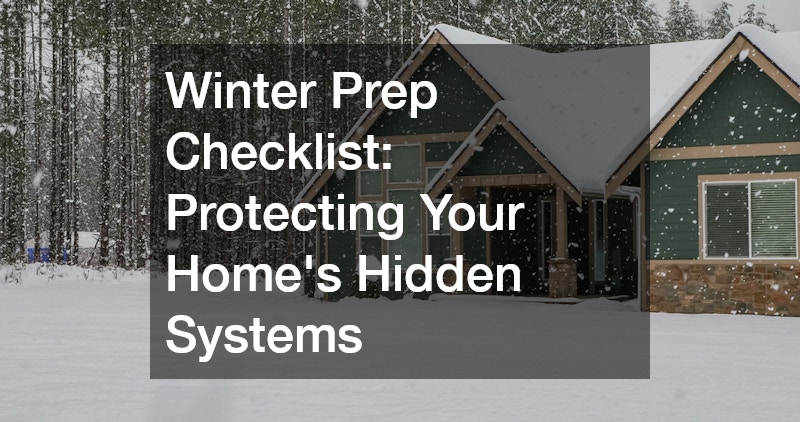
When temperatures drop, the systems you rarely think about are often the first to fail, and the damage they cause can be far more expensive than a little discomfort. Frozen pipes, overworked furnaces, and neglected drainage can turn into costly emergencies within a single cold snap. The good news is that most winter disasters are preventable with a little planning before the first frost hits. This checklist walks through the hidden systems that deserve your attention now, so you can enjoy the season without worrying about what’s happening behind your walls, under your yard, or above your roofline.
Inspect Your Heating System Before the Cold Arrives
Your furnace or heat pump has likely been sitting idle for months, and the last thing you want is to discover it’s not working on the coldest night of the year. Scheduling a professional inspection in early fall gives technicians time to catch small issues, like a cracked heat exchanger, a failing igniter, or a clogged filter, before they become full breakdowns. A typical tune-up includes checking thermostat calibration, testing safety controls, inspecting electrical connections, and measuring airflow to ensure the system is running efficiently. Technicians will also flush out dust and debris that built up over the summer, since a dirty system has to work harder and burn more energy just to keep your home at a comfortable temperature. Catching a worn belt or a low refrigerant charge now costs far less than an emergency call once temperatures drop below freezing. Many companies offering heating repairs get booked solid once cold weather hits, so getting ahead of the rush can save you both time and money. Waiting until the first hard freeze often means longer wait times, rush fees, and settling for whatever appointment slot is left. Booking service in September or early October, before the seasonal surge begins, also gives you room to compare quotes if a repair turns out to be more involved than expected.
Beyond the inspection itself, there are a few things homeowners can do on their own to keep the system running efficiently all season long. Start with the furnace filter, which should be checked monthly and replaced every 60 to 90 days during heavy winter use. A clogged filter forces the system to work harder, driving up energy bills and shortening the furnace’s lifespan. It’s also worth walking around every vent and radiator in the house to make sure nothing is blocking airflow. Furniture, curtains, and rugs pushed up against a vent can throw off the whole system’s balance, leaving some rooms too cold while others overheat. Programmable or smart thermostats are another easy win. Setting the temperature back 7 to 10 degrees for eight hours a day, such as overnight or while at work, can trim heating costs by up to 10% a year without sacrificing comfort. Finally, keep an ear out for unusual noises like banging, whistling, or grinding, and watch for uneven heating between rooms. These are often early warning signs of a problem, and catching them before the first deep freeze can mean the difference between a quick fix and an emergency repair call.
- Replace or clean furnace filters every one to three months; check monthly during heavy-use winter periods since dirty filters strain the system and raise energy bills
- Clear vents and registers of dust, furniture, and debris, leaving at least a few inches of open space for proper airflow
- Test your thermostat, especially if it’s a smart or programmable model, and confirm the batteries are fresh and the Wi-Fi connection is stable
- Listen for unusual noises like banging, rattling, or squealing, which can signal loose parts, worn belts, or ignition issues
- Check the pilot light or ignition system for a steady blue flame, since a flickering or yellow flame may indicate a ventilation problem
- Schedule a professional tune-up before the first hard freeze to catch small issues before they become costly repairs
- Keep a service record so you know when the last tune-up happened and can track recurring problems over time
Check Your Roof for Damage and Weak Spots

Your roof is your home’s first line of defense against snow, ice, and freezing rain, yet it’s easy to forget about until water starts dripping through the ceiling. A qualified roofer can spot small problems, like lifted shingles, cracked caulking, or deteriorating flashing around chimneys and vents, that are invisible from the ground but become major leaks once ice dams form. While you’re waiting for a professional inspection, a pair of binoculars can help you scan for obvious warning signs yourself: curling shingle edges, missing granules, sagging sections, or dark streaks that suggest trapped moisture. Inside the attic, check for daylight peeking through the roof boards, damp insulation, or a musty smell, all of which point to gaps that need attention before winter sets in. Ice dams are especially dangerous because they force water backward under shingles, leading to hidden rot that isn’t discovered until spring. They typically form when heat escapes from the attic, melts snow on the upper roof, and that water refreezes at the colder eaves, building a ridge of ice that traps more water behind it. Proper attic insulation and ventilation go a long way toward preventing this cycle, since keeping the whole roof surface uniformly cold reduces the melt-refreeze pattern that causes dams. A roofer can also recommend targeted fixes, such as heat cables along the eaves or additional soffit vents, for homes in regions that see repeated freeze-thaw swings.
If your roof is more than fifteen years old, it’s worth having it evaluated before winter rather than after a storm has already caused damage. Walk the perimeter of your house and look for curling, cracked, or missing shingles, rusted flashing around chimneys and vents, and granules collecting in gutters, all signs that your roof’s protective layer is wearing thin. A professional inspection typically costs $150 to $400 and can catch problems like soft spots or compromised seals before heavy snow and ice put them to the test. A pre-winter inspection is also a good time to check attic insulation and ventilation, since poor airflow is one of the leading causes of ice dam formation. Ice dams form when heat escaping from your living space warms the roof deck, melts snow, and sends water down to refreeze at the colder eaves, where it backs up under shingles and into your home. Look for adequate soffit and ridge vents to keep air moving, and make sure insulation meets recommended levels for your climate, generally R-38 to R-60 in colder regions, since gaps or thin spots let heat leak straight into the attic. While you’re up there, check for daylight coming through the roof boards, damp or discolored insulation, and any signs of previous water staining, all of which point to leaks that could worsen once snow accumulates.
Protect Your Plumbing From Freezing Temperatures
Frozen pipes are one of the most common and costly winter emergencies homeowners face, and a single burst pipe can release hundreds of gallons of water in a matter of hours. At just 20 degrees Fahrenheit, water inside an unprotected pipe can freeze solid in under six hours, and the resulting ice expansion generates enough pressure to crack even sturdy copper or PVC piping. Exposed pipes in basements, crawl spaces, attics, and exterior walls are the most vulnerable, especially in older homes without adequate insulation. A burst pipe under the sink can just as easily ruin high end kitchen cabinets as it can damage drywall or flooring, and water that seeps into cabinetry often causes swelling and mold growth long before homeowners notice the leak. Simple safeguards can make a real difference: wrapping exposed pipes with foam sleeves or heat tape, sealing gaps where pipes pass through exterior walls, and keeping cabinet doors open on especially cold nights to let warm air circulate around under-sink plumbing. Homeowners should also know the location of their main water shutoff valve, since a few seconds of quick action can prevent a minor leak from becoming a flooded basement. Calling in plumbers before the season starts to insulate vulnerable pipe sections and inspect your water heater can prevent a disaster that would otherwise require extensive repairs. A professional inspection can also catch slow leaks, corroded fittings, or weak water pressure issues that might not survive a hard freeze, giving homeowners a chance to fix small problems before they become expensive ones.
It’s also smart to know where your main water shutoff valve is located, just in case something does go wrong. This valve is typically found near where the water line enters your home—often in the basement, a utility closet, near the water heater, or in a crawl space. In warmer climates, it may be located outside near the foundation or by the water meter. Take a few minutes this fall to locate it, and make sure the handle turns freely; valves that sit unused for years can seize up or corrode. If yours feels stiff, apply a little penetrating oil and work it gently, or have a plumber replace it before winter hits. It’s also worth showing other household members where it is and how to use it, since you may not be the one home when a pipe bursts. A few minutes of preparation now can save you from a frantic scramble later when every second counts. Every minute water flows from a burst pipe can mean hundreds of gallons of damage, so quick access to that shutoff valve is one of the cheapest insurance policies you have against a costly winter disaster.
- Disconnect and drain outdoor garden hoses, then shut off and drain in-ground sprinkler systems before the first hard freeze
- Insulate exposed pipes in unheated areas like basements, crawl spaces, attics, and garages using foam sleeves or wrap-on insulation
- Let faucets drip slightly during extreme cold snaps, especially on pipes running along exterior walls
- Seal gaps or cracks where pipes enter the home, using caulk or spray foam to block cold drafts around foundations and siding
- Know the location of your main water shutoff valve and test it now so it turns easily if a pipe bursts
- Open cabinet doors under sinks on exterior walls during cold snaps to let warm air circulate around pipes
- Keep your thermostat set no lower than 55°F, even when you’re away, to protect pipes throughout the house
Prepare Your Driveway and Walkways for Ice and Snow
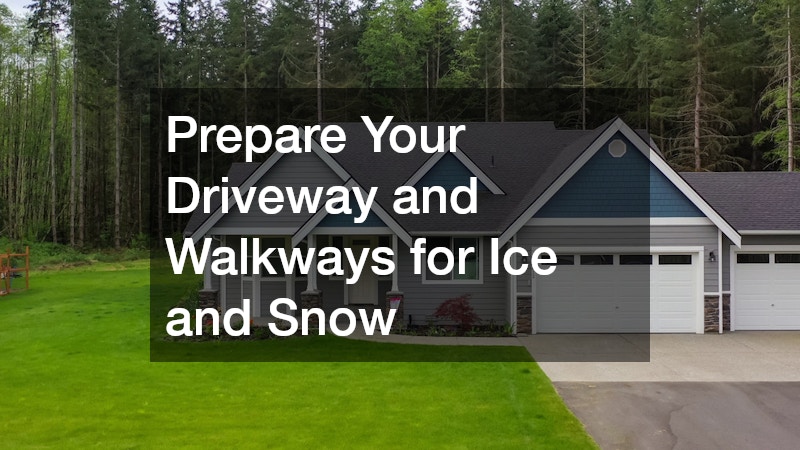
Cracked or uneven pavement becomes significantly more hazardous once ice and snow are added to the mix, turning small trip hazards into serious fall risks. Water that seeps into existing cracks can freeze and expand, making minor damage much worse by the time spring arrives. Many asphalt paving companies recommend sealing and repairing driveways in the fall, since cooler weather is often ideal for curing sealants properly.
Taking care of this now not only protects your safety but also extends the life of your driveway, saving you from a full repaving project down the road. If you notice standing water pooling in certain areas, that’s often a sign of drainage issues that will only worsen once temperatures drop below freezing.
Ready Your Yard and Garden Beds for Dormancy

Your landscaping needs just as much winter preparation as the inside of your home, particularly if you want healthy plants and lawns come spring. Trimming back perennials, clearing fallen leaves, and applying a fresh layer of mulch all help protect root systems from harsh temperature swings. Many homeowners stock up on materials from local landscaping supplies retailers in the fall, including mulch, burlap wraps, and frost cloths, before the busier spring rush drives prices up.
Don’t forget about your irrigation system, either. Water left sitting in exposed lines can freeze and crack fittings, leading to expensive repairs once you turn the system back on in warmer months.
- Rake and compost fallen leaves before the first snowfall
- Wrap or cover sensitive shrubs and young trees
- Drain and blow out irrigation lines
- Apply mulch around root zones for insulation
- Store or cover outdoor furniture and planters
Inspect Fencing and Outdoor Structures for Stability
Heavy snow loads and freezing winds put real stress on fences, gates, and other outdoor structures, especially ones that were already showing signs of wear. Loose posts, rotting wood, or rusted hardware can fail completely under the added weight of ice or a strong winter storm. Bringing in a fence contractor for a quick inspection before winter can identify weak points and allow for repairs while the ground is still workable.
Waiting until the ground freezes makes repairs far more difficult and expensive, since post holes become nearly impossible to dig properly. A stable fence line also matters for keeping pets and children safely contained during a season when doors and gates are opened and closed more frequently.
Test and Maintain Your Garage Door System

Garage doors take a beating in winter, from freezing temperatures that stiffen springs to ice buildup that interferes with sensors and tracks. A malfunctioning door isn’t just inconvenient; it can also let cold air seep into an attached garage, driving up heating costs and putting nearby pipes at risk of freezing. Testing the balance and auto-reverse safety feature on your garage doors before winter arrives is a quick way to catch problems before they leave you stranded outside in the cold.
Weatherstripping around the door frame also deserves a look, since gaps allow snow and wind to sneak inside. Lubricating moving parts with a silicone-based product, rather than standard grease that can thicken in cold weather, helps keep everything operating smoothly all season.
Evaluate Indoor Spaces for Comfort and Efficiency
Winterizing isn’t only about the systems outside your home; indoor spaces need attention too, especially rooms where you spend the most time. If you’ve been considering updates like new flooring or countertops, cooler months are often a good time to plan projects since contractors tend to have more flexible scheduling. Visiting tile stores to explore heated flooring options or durable, cold-resistant materials for entryways and mudrooms can make winter mornings noticeably more comfortable.
Kitchens also deserve consideration, since they tend to be gathering spaces during colder months when everyone is indoors more often. Homeowners planning a remodel sometimes use the slower winter season to consult with a custom home builder, taking advantage of design consultations and getting a head start on permits and material selections before the busy spring renovation season begins.
Winterizing your home doesn’t have to be overwhelming when you break it down system by system, tackling one area at a time before the cold weather sets in. Start with the systems that pose the biggest risk, like heating, plumbing, and roofing, then work your way through the rest of the checklist as time allows. A little preparation now means fewer emergency calls, lower repair bills, and a home that’s genuinely ready to handle whatever winter brings.