
Rising summer temperatures do more than push up your energy bills. Heat, humidity, and intense sun expose weaknesses that have been quietly building in your home for months or years, turning minor issues into urgent repairs almost overnight. Understanding where these pressure points typically show up can help you catch problems early, before they become expensive emergencies. This guide walks through the most common areas where summer heat reveals what your home has been hiding.
Strained Cooling Systems Under Constant Load
Your cooling system works harder in summer than at any other time of year, often running for hours without a break during heat waves. Instead of cycling on and off as it does in milder weather, it may run almost continuously once outdoor temperatures pass the mid-90s, since the unit struggles to keep pace with the heat pouring into your home. This constant operation puts stress on components that may have already been weakened by age or deferred maintenance.
Refrigerant levels, capacitors, and condenser coils all feel the strain of extended runtimes. A system low on refrigerant has to work longer to produce the same cooling effect, which raises internal temperatures and accelerates wear on the compressor. Dirty coils or a clogged filter compound the problem further, forcing the unit to labor even harder just to move air through the house. A unit that seemed to run fine in mild spring weather can suddenly struggle once temperatures climb into the 90s. Many homeowners discover a failing capacitor or a refrigerant leak only when the system can no longer keep up with peak demand, since these issues stay hidden during lighter loads. Units older than 12-15 years are especially vulnerable, as their components have less tolerance left for the added stress of sustained heat.

The financial impact shows up quickly, too. Energy bills often spike 20-30% during heat waves as the system runs longer and less efficiently, and emergency repair calls during peak summer can cost significantly more than routine spring maintenance would have.
Summer heat forces your air conditioner to run nearly nonstop, and that constant load takes a toll on components that get a break the rest of the year. When your system starts short-cycling, blowing warm air, or making unusual noises like grinding, clicking, or hissing, it is time to call for air conditioning repair before the problem worsens.
These warning signs often point to specific issues. Short-cycling can indicate a clogged air filter, low refrigerant, or an oversized unit struggling to regulate temperature. Warm air blowing from the vents may signal a failing compressor or a refrigerant leak, while unusual noises often mean loose parts, worn belts, or debris caught in the outdoor unit. Waiting too long can turn a simple fix into a full system replacement, especially if a refrigerant leak or compressor issue goes unaddressed.
A repair that might cost a few hundred dollars early on can escalate into a multi-thousand-dollar replacement if the compressor burns out entirely. Rising energy bills are another red flag worth watching. If your cooling costs spike without a corresponding increase in usage, your system is likely working harder than it should to compensate for a hidden mechanical problem.
- Listen for grinding, clicking, or rattling sounds during operation — these often signal worn belts, loose parts, or a failing motor
- Check if certain rooms are noticeably warmer than others, which can point to blocked vents, leaky ductwork, or an undersized system struggling to keep up
- Watch for a spike in your energy bill compared to last summer, especially anything above a 15-20% jump with similar usage habits
- Note how often the system cycles on and off within an hour — more than 3-4 cycles suggests short-cycling from a dirty filter, low refrigerant, or a thermostat issue
- Feel for weak or uneven airflow at the vents, which may mean a clogged filter, closed dampers, or duct leaks siphoning off cooled air
- Pay attention to musty or burning smells when the AC kicks on, both of which warrant an immediate professional inspection
Aging Roofs Facing Intense Sun and Sudden Storms
Roofing materials absorb enormous amounts of heat throughout the day, and that thermal expansion and contraction takes a toll over time. Shingles that were already brittle or curling can crack further, while flashing around chimneys and vents can pull away from the surface. Summer thunderstorms then take advantage of these weak points, driving water into places it was never meant to reach.
Bringing in roofers for an inspection before peak storm season gives you a chance to catch small issues while they are still cheap to fix. A professional can spot granule loss, soft spots, or damaged seals that are easy to miss from the ground.
- Check gutters for excessive granules after heavy rain
- Look for daylight through the attic boards
- Inspect ceilings for faint water stains or discoloration
- Watch for missing or curled shingles after windy storms
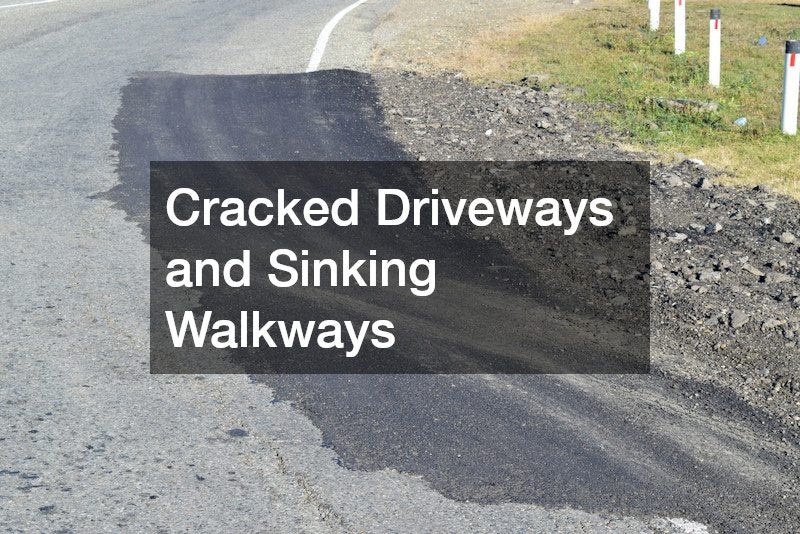
Cracked Driveways and Sinking Walkways
Extreme heat causes concrete and asphalt to expand, while heavy rain that follows can wash out the soil underneath, leaving surfaces uneven or cracked. These changes often happen gradually, so many homeowners do not notice until a crack has widened enough to become a tripping hazard. Driveways near trees are especially vulnerable, since root growth combined with soil shifting can accelerate the damage.
If you are noticing new cracks, pooling water, or sections that feel unstable underfoot, it may be time to consult paving contractors about resurfacing or repair options. Addressing these issues early prevents small cracks from turning into costly structural repairs later.
- Inspect for cracks wider than a quarter inch
- Look for pooling water after rainstorms
- Check for uneven transitions between slabs
- Note any shifting near tree roots or fence lines
Overworked Plumbing and Slow Drains
Summer brings more houseguests, more laundry, more dishes, and more showers, which means your plumbing system is under heavier use than usual. Grease from backyard barbecues, sunscreen residue, and increased water usage can all contribute to buildup inside your pipes. What starts as a slow drain can quickly turn into a backed-up sink or tub if it is ignored.
A clogged drain rarely fixes itself, and repeated use of chemical drain cleaners can actually damage older pipes over time. If plunging or a simple snake tool does not resolve the issue, it is worth having a professional take a closer look before the blockage worsens or causes water damage.
- Watch for water draining slower than usual in sinks or tubs
- Note gurgling sounds coming from pipes
- Check for unpleasant odors near drains
- Avoid pouring grease or oil down kitchen sinks
Hidden Moisture Problems and Indoor Air Quality
Humidity levels climb dramatically in summer, and that extra moisture can seep into places you rarely think about, like crawl spaces, basements, and areas around windows. When moisture lingers in a warm, dark space, it creates the perfect environment for mold to take hold. This is especially true in homes with poor ventilation or a history of minor leaks.
If you notice a musty smell, visible spotting on walls, or unexplained allergy symptoms, it may be time to contact a black mold removal company for a thorough inspection. Mold can spread quickly in warm weather, and catching it early protects both your home and your family’s health.
- Check bathrooms and basements for musty odors
- Look for dark spots on walls, ceilings, or grout
- Monitor for increased allergy or respiratory symptoms indoors
- Keep humidity levels below 50 percent when possible
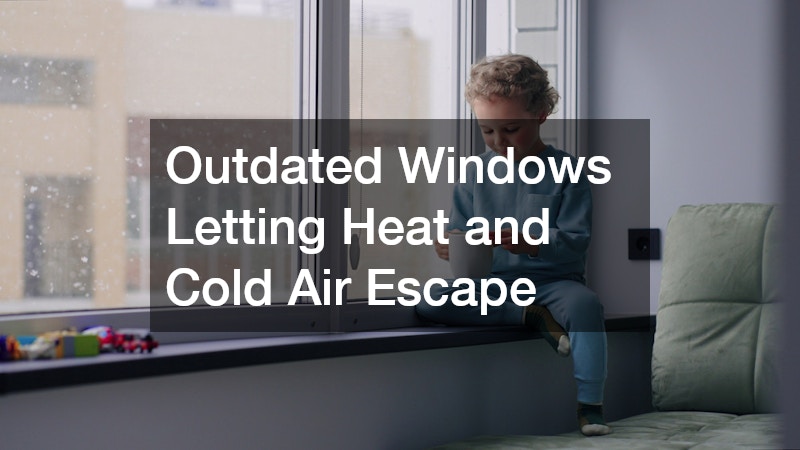
Outdated Windows Letting Heat and Cold Air Escape
Older windows are one of the biggest culprits behind inconsistent indoor temperatures and rising cooling costs. Single-pane glass or worn seals allow heat to pour in during the day, forcing your cooling system to work overtime just to keep up. Over time, this constant strain shortens the lifespan of your entire cooling system.
Many homeowners find that upgrading to energy-efficient options like milgard windows makes a noticeable difference in comfort and monthly utility costs. Better insulation and improved seals help keep conditioned air inside where it belongs, easing the burden on your home’s systems during the hottest months.
- Feel for drafts near window frames on hot days
- Check for condensation between glass panes
- Look for warped or discolored frames
- Compare room temperatures near windows versus interior walls
Overgrown Trees and Storm-Damaged Limbs
Trees grow quickly during the warm summer months, and that rapid growth can create real risks if branches begin to hang over your roof, power lines, or fence line. Summer storms with strong winds can snap weakened limbs without warning, causing damage to your property or even injury. Trees that were already showing signs of disease or stress are particularly likely to fail under pressure.
Hiring tree removal companies to handle overgrown or hazardous trees is often safer and more cost-effective than waiting for a storm to make the decision for you. Professionals can also assess whether a tree simply needs trimming or if it poses a serious enough risk to warrant full removal.
- Look for cracked or hanging branches after storms
- Check for fungus growth at the base of the trunk
- Note any leaning that has worsened over time
- Watch for branches touching power lines or roof edges
Neglected Pool Enclosures and Outdoor Living Spaces
Pool screens and enclosures take a beating from intense summer sun, heavy rain, and even hail in some regions. UV rays gradually break down screen material, making it brittle and prone to tearing, while strong winds can loosen panels or frames. A damaged enclosure not only lets in bugs and debris but can also become a safety hazard during severe weather.
If you notice tears, sagging sections, or loose fasteners, scheduling pool screen repair before your next big storm can save you from a much larger project down the road. Keeping your enclosure in good shape also helps maintain the value and usability of your outdoor living space all season long.
- Check for tears or holes in screen panels
- Look for loose or rusted frame connections
- Note any sagging sections along the roofline
- Inspect door seals and latches for wear
Planning Larger Projects While Contractors Have Availability
Summer is peak season for outdoor and indoor improvement projects alike, which means scheduling can fill up quickly once word gets out that storm season is approaching. Roofers, HVAC technicians, window installers, and general contractors often book out four to eight weeks in advance during June and July, so waiting until a problem becomes urgent can mean living with it longer than necessary.
If your home has multiple issues surfacing at once, it may make sense to tackle them together rather than one at a time. For example, if the heat has revealed both an aging roof and an underperforming attic insulation system, addressing them in the same project can save on labor overlap since both often require access to the same space. Bundling projects can also improve your position when negotiating quotes, since contractors are frequently willing to offer better pricing for larger, combined jobs rather than several small callbacks.

This is often the point where homeowners start thinking beyond quick fixes and consider bigger changes, such as upgrading to a higher-efficiency HVAC system, adding radiant barrier insulation, or replacing old windows with energy-efficient models. Before committing, it’s worth getting at least two or three quotes and asking contractors about their earliest availability versus their preferred scheduling window, since squeezing in during a rush can sometimes mean rushed workmanship.
Late spring and early summer are actually smart times to book a home remodeler, since many contractors have more scheduling flexibility before fall bookings fill up and before the extreme heat of peak summer slows down outdoor work. A broader renovation can tackle several weaknesses at once, from upgrading attic insulation and sealing ductwork to reconfiguring outdated layouts that trap heat in stagnant rooms. Projects like replacing single-pane windows, adding attic ventilation, or opening up a closed-off floor plan often deliver bigger comfort gains than a series of small fixes tackled one at a time.
It’s worth asking prospective contractors about permit timelines, material lead times, and whether they’ve handled similar heat-related issues in homes of your age and construction type. Getting multiple quotes and locking in a project timeline early can also help you avoid the fall rush, when contractors juggling holiday deadlines may push your job back months. And if summer heat has you reconsidering your living situation entirely, working with moving companies to relocate to a more suitable home is sometimes a more practical option than repairing an aging property piece by piece.
This is especially true for homes with structural issues, outdated HVAC systems, or orientation problems that no amount of remodeling can fully fix, like a house with poor sun exposure or a design that traps heat on upper floors. Comparing moving quotes alongside remodeling estimates can help you weigh the true cost of staying versus starting fresh somewhere better suited to the climate.
- Get at least three quotes before committing to a large renovation, and make sure each bid breaks down materials, labor, and timeline separately
- Ask contractors about their availability during peak season — many book up 6-8 weeks out in summer, so early outreach in spring can secure better scheduling
- Consider bundling repairs (like roofing, siding, and gutters) to save on labor costs, since contractors often discount overlapping jobs done in one visit
- Ask about off-season or shoulder-season discounts, as some contractors lower rates in late fall or winter to keep crews busy
- Weigh renovation costs against the value of relocating, factoring in moving expenses, closing costs, and how long you plan to stay in the home
- Get everything in writing, including start dates, payment schedules, and penalty clauses for delays
Summer heat has a way of revealing every weak point your home has been quietly hiding, from strained cooling systems to cracked pavement and overworked plumbing. The good news is that most of these problems are manageable when caught early, saving you both money and stress down the road. Take some time this season to walk through your property with a critical eye, checking the areas outlined above before small issues turn into costly repairs. Acting now means you can actually enjoy your summer instead of constantly putting out fires.