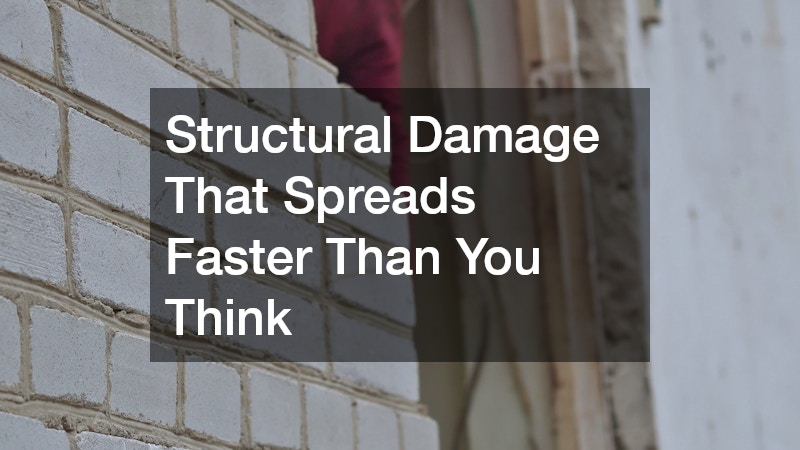
A hairline crack in the drywall or a door that suddenly sticks in its frame can feel like a minor annoyance, but these small signs often point to structural shifts happening beneath your feet. Left unaddressed, these issues rarely stay small; they compound over time, turning a manageable repair into a costly renovation. Understanding which warning signs demand professional attention can save you thousands of dollars and protect the long-term value of your home. This guide walks through the most common structural red flags homeowners overlook and explains why waiting for “later” often means paying more.
Foundation Cracks That Widen Over Time
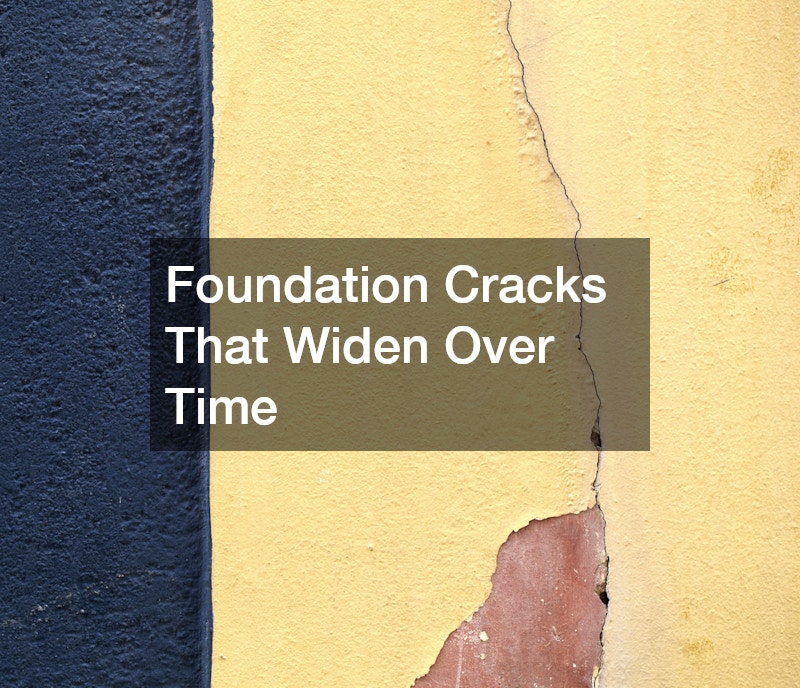
Not all foundation cracks are created equal, and learning to tell the difference is the first step toward protecting your home. Hairline cracks that appear after a home settles in its first few years are typically cosmetic, while cracks wider than a quarter inch, or ones that grow noticeably month to month, signal deeper movement. Horizontal cracks are particularly concerning because they often indicate pressure from soil or water pushing against the foundation wall. A structural engineer can determine whether the cause is settling, hydrostatic pressure, or something more serious.
Homeowners often try to patch these cracks themselves with caulk or hydraulic cement, which can mask the problem without solving it. If the underlying cause isn’t addressed, the crack will simply reopen, sometimes worse than before. A professional evaluation identifies the root cause and recommends whether the fix involves drainage correction, underpinning, or wall reinforcement.
- Measure crack width monthly using a coin or ruler for consistent tracking
- Note whether cracks run vertically, horizontally, or diagonally
- Watch for accompanying signs like bowing walls or shifting floors
- Photograph cracks with dates to show a professional during inspection
Retaining Walls Leaning or Bulging Outward
A retaining wall does more work than most homeowners realize, holding back tons of soil and redirecting water runoff away from your home’s foundation. When a retaining wall begins to lean, bulge, or develop stair-step cracks, it’s usually a sign that the drainage system behind it has failed or that the wall wasn’t built to handle the soil load in the first place. This isn’t a cosmetic issue; a failing retaining wall can eventually collapse, potentially damaging nearby structures, vehicles, or landscaping.
Because retaining walls interact directly with grading and drainage, an evaluation often reveals related issues with how water moves around your property. A leaning wall near a patio or driveway can also destabilize those adjacent surfaces over time. Getting an engineer or contractor to assess the wall early is far less expensive than dealing with a full collapse later.
- Look for horizontal cracks or bulging sections along the wall face
- Check for pooling water or erosion at the base of the wall
- Note any leaning of fence posts or trees planted near the wall
- Watch for gaps forming between the wall and adjacent pavement
Doors and Windows That Suddenly Stop Closing Properly

When a door that used to close easily starts sticking, or a window frame becomes difficult to open, it’s tempting to blame humidity or an old house settling naturally. Sometimes that’s true, but persistent misalignment across multiple doors and windows on the same side of the house often points to foundation movement. As the foundation shifts, door and window frames rack out of square, causing gaps, sticking, or cracks in the corners of the frame.
This pattern is one of the clearest indicators that a professional evaluation is warranted, especially if the problem is progressive rather than seasonal. A structural engineer can measure the level of your floors and walls to confirm whether the movement is ongoing. Catching this early often means the difference between minor leveling work and major foundation repair.
- Test multiple doors and windows on the same wall or floor
- Note if problems worsen with weather changes or stay constant
- Check for diagonal cracks radiating from window and door corners
- Compare upstairs versus downstairs doors for differing symptoms
Sloping or Uneven Floors Inside the Home
Floors that slope noticeably, or where a marble rolls consistently toward one corner of a room, indicate that something beneath the surface has shifted. This can result from failing floor joists, a settling foundation, or deteriorating support beams in a crawl space. The severity ranges widely, from minor settling that’s been stable for decades to active, worsening sinkage that threatens the home’s structural integrity.
A professional inspection typically involves checking crawl spaces or basements for water damage, rot, or pest infestation that may have weakened support structures. Sloping floors are rarely an isolated problem; they often coincide with other symptoms like cracked drywall or misaligned doors. Addressing the underlying cause, rather than just leveling the floor cosmetically, is essential for a lasting fix.
- Use a level or marble test in multiple rooms to map the slope
- Inspect crawl spaces for moisture, mold, or wood rot
- Check for sagging beams or damaged support posts
- Look for cracked tile or separating floorboards along the slope line
Roof Sagging and Water Damage From Above

A sagging roofline is one of the more visible structural warning signs, often caused by weakened rafters, water damage, or excessive weight from accumulated snow or old roofing layers. Because the roof structure ties directly into the home’s walls and framing, problems here can eventually affect the entire structural envelope of the house, and even rooftop equipment like an aging HVAC unit can add stress if a heat pump replacement isn’t planned with structural support in mind. Reputable roofing contractors will assess not just the shingles but the decking and framing underneath to determine whether the sag is cosmetic or structural.
Water stains on ceilings are another signal worth taking seriously, since prolonged moisture intrusion can rot framing members and compromise structural integrity over months or years. This is especially true in older homes where roofing materials have exceeded their expected lifespan. A timely inspection can catch minor leaks before they become major framing repairs.
- Check attic spaces for daylight, staining, or damp insulation
- Look for sagging ridgelines or uneven roof planes from the street
- Note any musty odors that could indicate hidden moisture
- Schedule inspections after major storms or heavy snow accumulation
Plumbing Leaks That Undermine Soil and Foundations
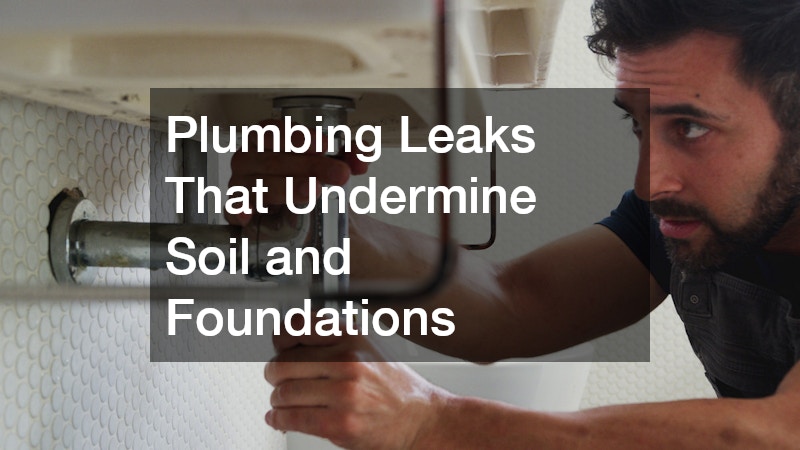
Slow, hidden plumbing leaks are among the sneakiest contributors to structural problems because they saturate soil beneath a foundation without any obvious sign at first. Over months, this saturation can cause soil to expand or erode unevenly, leading to foundation heaving or settling. Homeowners often don’t realize a pipe is leaking until they notice unexplained wet spots, mold, or a spike in their water bill.
When drains run slowly or backups occur repeatedly, calling drain cleaning services promptly can prevent water from pooling around pipes and infiltrating the soil near your foundation. Persistent clogs sometimes indicate a deeper break or root intrusion in the sewer line, which requires more than a simple snake to resolve. Addressing plumbing issues quickly protects both your pipes and the structural soil conditions around your home.
- Watch for consistently slow drains throughout the house
- Check water bills for unexplained increases
- Look for damp spots or unusual greenery growth near the foundation
- Note gurgling sounds from drains as a sign of blockage
Garage Structures Shifting Independently From the House
Garages, especially those built as separate structures or with different foundation types than the main house, can shift independently and reveal problems before they’re visible elsewhere. A garage door that binds, sticks, or no longer closes evenly is often one of the earliest signs of foundation movement in that section of the property. Because garage door tracks are sensitive to even slight shifts in the frame, they can act as an early warning system.
Before assuming the issue is mechanical, it’s worth ruling out structural causes, since garage door repair alone won’t fix a misaligned frame caused by settling soil. A professional can determine whether the tracks need adjustment or whether the concrete slab and frame have shifted enough to require foundation work. Ignoring this can lead to a door that eventually jams completely or falls off its track.
- Test the door’s balance by disconnecting the opener and moving it manually
- Look for gaps forming between the door panel and frame
- Check for cracks in the garage slab near the foundation walls
- Note whether the issue worsens after heavy rain or dry spells
Outdoor Living Spaces Cracking or Separating From the House
Patios, decks, and walkways attached to the home can shift due to the same soil movement that affects foundations, and cracks or separation where these structures meet the house are worth investigating. Experienced patio contractors often see this pattern in homes built on expansive clay soils, which swell and contract dramatically with moisture changes. A gap that widens seasonally, rather than staying constant, usually points to ongoing soil movement rather than a one-time settling event.
Because outdoor structures are exposed directly to weather, they often show movement before interior symptoms appear, making them a useful early indicator. If a pool is part of the property, a qualified pool contractor should also be consulted, since pool decks and shells are particularly vulnerable to the same soil expansion and contraction issues. Catching these separations early can prevent water infiltration that worsens the underlying soil problem.
- Measure the gap between the patio and house foundation seasonally
- Check for cracked or uneven pavers near the connection point
- Look for pooling water where the patio meets the house
- Note any tilting of outdoor structures relative to the home
Landscaping and Tree Roots Affecting Foundation Stability
Large trees planted too close to a home can cause significant structural issues as their root systems expand, drawing moisture from the soil and creating uneven settling beneath the foundation. This is especially common with species known for aggressive root systems, which can extend far beyond the tree’s canopy. Knowledgeable staff at local tree nurseries can help homeowners choose species that won’t threaten a foundation and advise on safe planting distances for new landscaping.
If mature trees are already too close to the home, removing them isn’t always the right answer, since sudden removal can also disrupt soil moisture balance and cause its own settling problems. A certified arborist working alongside a structural engineer can determine the safest approach, whether that means root barriers, selective pruning, or gradual removal. Addressing root-related foundation issues requires patience and the right combination of expertise.
- Identify tree species with aggressive or shallow root systems
- Measure distance between mature trees and the foundation wall
- Watch for foundation cracks that appear on the same side as large trees
- Consult professionals before removing large, established trees near the home
Planning Around Repairs During a Move or Renovation
If you’re preparing to sell, buy, or relocate, structural issues can complicate timelines in ways that catch homeowners off guard. Coordinating with local moving companies early allows you to build in flexibility if an inspection reveals a repair that needs to happen before or after the move. This is also a good time to evaluate whole-home systems like heating and air conditioning, since structural shifts can sometimes affect ductwork, vents, or unit placement in ways that aren’t obvious until repairs begin.
If structural repairs are already underway, it’s worth asking your contractor whether opening up walls or crawl spaces will expose other issues worth addressing at the same time, such as aging insulation, outdated wiring, or plumbing runs that pass through affected areas. Bundling related projects during a renovation window often saves money compared to tackling each system separately later. Planning ahead, rather than reacting to each issue individually, keeps both your budget and your timeline under control.
- Schedule structural inspections well before a planned move date
- Ask contractors whether repairs will disrupt existing HVAC ductwork
- Consider bundling other home system upgrades with structural renovation work
- Build extra time into moving schedules when repairs are pending
Structural shifts rarely resolve on their own, and the cost of waiting almost always exceeds the cost of an early professional evaluation. Whether the warning sign is a widening crack, a sticking door, or a leaning retaining wall, the safest path forward is getting a qualified expert to assess the root cause before it worsens. Start by documenting what you’re seeing, then reach out to the right professional for your specific concern, whether that’s a structural engineer, a contractor, or a specialist in a related system. Taking action now protects both your home’s safety and its long-term value.