When you bought your home, every system inside it came with its own invisible clock already ticking. Your roof, furnace, water heater, and wiring were not installed on the same day, and they were not built to last the same number of years, which means your maintenance calendar should never treat them as a single unit. Understanding how each system ages, and what signs of wear actually mean, helps you budget wisely and avoid emergency repairs. This guide breaks down the major systems in your home so you know what to watch, and when to call in help.
Roofing Materials Wear Down on Their Own Timeline
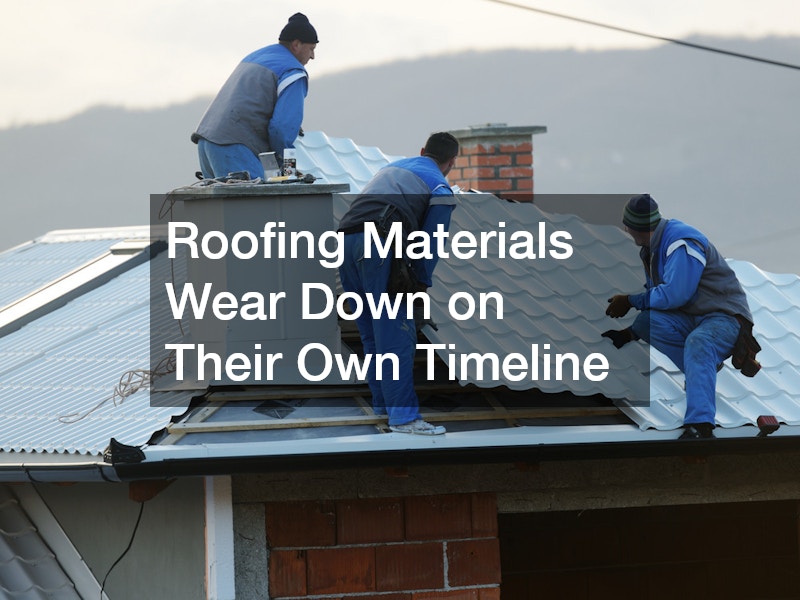
Asphalt shingle roofs typically last between 20 and 25 years, while metal, tile, and slate roofs can push well past 40 or even 50 years with proper care. Wood shakes fall somewhere in between, averaging 25 to 30 years if they’re well-ventilated and maintained. The material you choose sets the baseline, but it’s far from the only factor at play. Sun exposure, hail, and freeze-thaw cycles all accelerate wear regardless of material, so two identical roofs in different climates can age at noticeably different rates. A shingle roof in a hot, sun-drenched region may lose granules and dry out years ahead of schedule, while the same roof in a milder climate ages more slowly. Poor attic ventilation compounds the problem, trapping heat and moisture that cook shingles from underneath and shorten their lifespan even further. Installation quality matters just as much as the material itself. A roof installed with improper flashing, insufficient underlayment, or poor nailing technique can develop leaks and fail a decade or more before its expected lifespan is up. This is why two roofs of the same age and material can be in dramatically different condition. Granular loss, curling shingles, and daylight visible through the attic boards are all signs that the clock is running out. Dark streaks or patches of moss and algae growth signal trapped moisture that’s slowly breaking down the roofing material. Soft spots underfoot, sagging rooflines, and rusted flashing around chimneys or vents are later-stage warnings that repairs alone may no longer be enough.
Because the roof takes the brunt of weather damage, it is one of the few systems where a small problem can turn into a major structural issue within a single storm season. Asphalt shingles typically last 20 to 25 years, while materials like metal or tile can stretch past 40, but sun exposure, wind, and hail can shorten those timelines considerably depending on your climate. Scheduling a yearly inspection from experienced roofers helps catch flashing failures, soft spots, and clogged valleys before they lead to leaks. A thorough inspection should also check for lifted or missing shingles, cracked sealant around vents and chimneys, and granule loss in gutters, all early signs that the surface layer is breaking down faster than expected. Catching these issues early is almost always cheaper than replacing decking or insulation damaged by long-term water intrusion. A minor flashing repair might cost a few hundred dollars, but ignoring it for a season or two can lead to rotted sheathing and moldy attic insulation that runs into the thousands. Timing matters too, since scheduling inspections in spring and fall lets roofers address wear before the extreme heat or heavy snow loads of the following season set in.
- Asphalt shingles: 20 to 25 years average lifespan; sun exposure and poor attic ventilation can shave years off that estimate
- Metal roofing: 40 to 70 years depending on material grade, with steel on the lower end and copper or zinc panels lasting closer to a lifetime
- Clay or concrete tile: 50 or more years, though the underlayment beneath the tiles often needs replacing around the 20-year mark
- Wood shakes: 25 to 30 years with regular maintenance, but they degrade faster in humid or heavily shaded climates prone to moss and rot
- Flat or low-slope membrane roofs: 15 to 25 years, varying by material type such as EPDM rubber, TPO, or modified bitumen
- Slate roofing: often 75 to 100+ years, making it one of the longest-lasting options despite a higher upfront cost
- Regardless of material, poor installation or inadequate ventilation can cut any roof’s expected lifespan significantly short
Water Heaters Fail Faster Than Most Homeowners Expect
A standard tank-style water heater usually lasts 8 to 12 years, while tankless units can often reach 15 to 20 years with proper flushing and maintenance. Sediment buildup at the bottom of the tank is one of the biggest culprits behind early failure, since it forces the unit to work harder and reduces efficiency over time. Rumbling noises, lukewarm water, or rusty discoloration are all early warning signs worth taking seriously.
Because water heaters tend to fail without much warning, it helps to know the age of your unit ahead of time rather than waiting for a flood in the utility closet. Most manufacturers stamp a production date on the label, so a quick check can tell you whether you are in the danger zone. If you notice pooling water at the base or hear popping sounds during heating cycles, calling a water heater repair service before a full failure can save you from unexpected water damage and a rushed replacement.
Furnaces and Central Air Systems Age at Different Speeds
A gas furnace typically lasts 15 to 20 years, while central air conditioning units often need replacement closer to the 10 to 15 year mark. This mismatch means homeowners frequently end up replacing one half of their HVAC system years before the other, which can complicate compatibility if the newer unit needs to pair with older ductwork or controls. Annual tune-ups extend the life of both systems and catch small issues, like a failing capacitor or a cracked heat exchanger, before they become expensive emergencies.
Filters, thermostats, and ductwork also age differently within the same system. A neglected filter can shorten compressor life dramatically, while poorly sealed ducts force the whole system to run longer than necessary, adding wear that has nothing to do with the age of the equipment itself. Keeping a simple maintenance log with filter change dates and service visits makes it much easier to predict when replacement is actually necessary.
Electrical Panels and Wiring Have Their Own Lifespan
Home electrical panels are generally rated to last 25 to 40 years, but the wiring behind the walls can last even longer if it was installed correctly and never overloaded. Older homes with aluminum wiring or fuse boxes instead of breakers are at higher risk for overheating and should be evaluated by a licensed electrician, especially before adding major new appliances. Warning signs include flickering lights, warm outlet covers, and breakers that trip repeatedly under normal use.
Because electrical problems are not always visible, many homeowners underestimate how much their panel’s age affects safety and insurance eligibility. Insurers sometimes require panel upgrades before renewing a policy on homes older than 40 years, particularly if the original equipment is still in place. If you are planning any major renovation, it is worth having your panel assessed at the same time so wiring capacity matches your future electrical demand.
Backup Power Options Extend Beyond the Electrical Panel
As homes add more dependence on electricity for heating, cooling, and even cooking, interest in backup power has grown substantially. A backup generator can keep essential systems running during an outage, but the right size and fuel type depend heavily on your home’s total electrical load and how long outages typically last in your area. Homeowners in regions prone to storms or grid instability often find that investing in a properly sized unit pays off within the first major outage.
Generators themselves age differently depending on whether they are portable or a permanently installed standby system. Standby units connected directly to a home’s electrical panel usually last 15 to 20 years with regular servicing, while portable units may need replacement sooner if used frequently. Routine testing, oil changes, and battery checks are essential to make sure a generator actually works when the power goes out rather than sitting unused and untested for years.
Flooring Materials Show Age in Different Ways
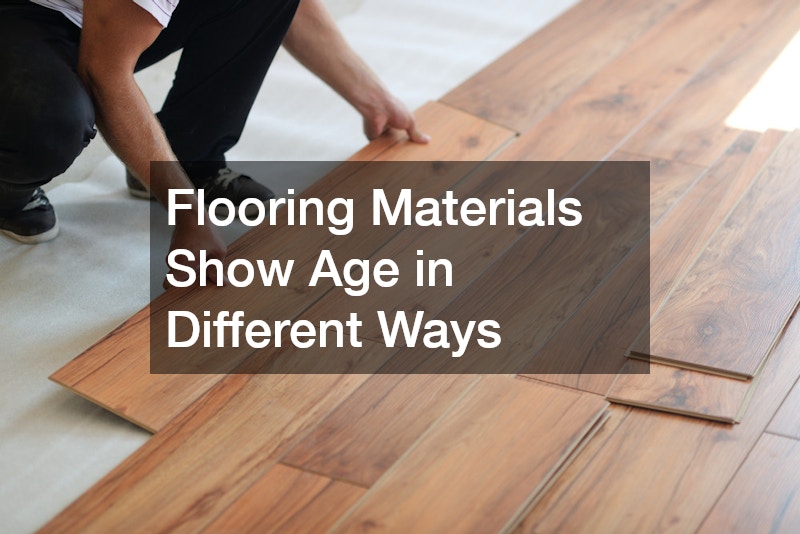 Hardwood floors can last generations if properly refinished, while carpet typically wears out within 8 to 10 years depending on foot traffic and padding quality. Vinyl and laminate flooring fall somewhere in the middle, often lasting 15 to 25 years before seams separate or color begins to fade unevenly. Humidity swings can also cause wood floors to cup or gap long before the material itself is actually worn out.
When it comes time to replace flooring, professional flooring installation ensures that subfloor issues, like moisture damage or uneven leveling, get addressed rather than covered up. Skipping this step is one of the most common reasons new floors fail early, since problems hidden beneath old flooring often go unnoticed until the new material starts to buckle or crack. Matching the material to the room’s humidity and traffic level also extends its usable life significantly.
Interior and Exterior Paint Break Down at Different Rates
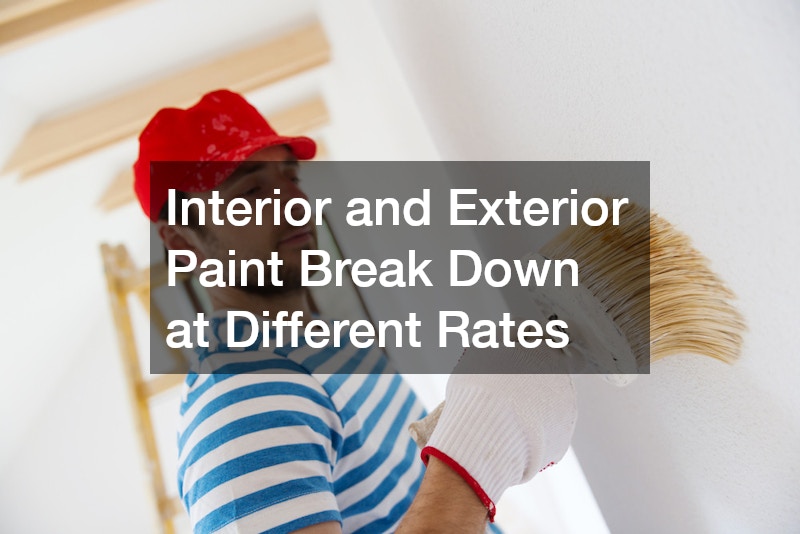
Exterior paint generally needs to be reapplied every 5 to 10 years, while interior paint in low-traffic rooms can last well over a decade before it starts to look dated or worn. Sun exposure, moisture, and temperature swings all accelerate exterior paint failure, which is why south-facing walls often show peeling and fading long before shaded areas of the same house. Chalking, cracking, and bubbling are all signs that the protective layer has broken down and moisture may be reaching the siding underneath.
Hiring professional painting contractors for exterior work is often worth the investment because proper surface preparation, including scraping, sanding, and priming, directly affects how long the paint job lasts. A rushed paint job applied over old, flaking layers will fail years earlier than one applied to a properly prepped surface. Because exterior paint also acts as a moisture barrier, delaying repainting can indirectly shorten the lifespan of siding and trim as well.
Kitchen Surfaces and Storage Solutions Age Differently Than Structural Systems

Unlike mechanical systems, kitchen and storage upgrades tend to age based on wear patterns and style preferences rather than a hard mechanical failure point. Granite countertops, for example, can last 25 years or more structurally, but many homeowners choose to replace them sooner simply because of chips, staining from acidic foods, or a desire to update the kitchen’s look. Sealing granite every 1 to 2 years helps maintain its resistance to stains and keeps it looking newer for longer.
Storage systems age in a similar way, driven more by changing needs than by material failure. Custom closets built with solid wood components can last decades, but homeowners often reconfigure them earlier as storage needs change with growing families or shifting wardrobes. Because these upgrades are less about safety and more about function and appearance, they offer more flexibility in timing than something like a failing water heater or an aging roof.
Insulation and Air Sealing Lose Effectiveness Gradually
Unlike a roof or water heater, insulation rarely fails outright, but it does lose effectiveness over time as it settles, gets compressed, or absorbs moisture. Attic insulation in particular can lose a significant portion of its R-value after 15 to 20 years, especially in older homes where it has been disturbed by pest activity or previous renovations. Rising energy bills and inconsistent room temperatures are often the first noticeable signs that insulation needs to be topped up or replaced.
Because insulation loss happens slowly, many homeowners do not realize how much it is costing them until they compare energy bills year over year. A simple attic inspection can reveal thin spots, moisture staining, or compressed areas that are no longer doing their job effectively. Addressing insulation issues also complements other upgrades, since a well-insulated attic helps HVAC systems run more efficiently and reduces overall strain on mechanical equipment.
Outdoor Structures and Renewable Systems Follow Their Own Aging Curve
Exterior additions like fencing, gates, and driveway systems age according to material and exposure rather than any set mechanical schedule. A well-installed gate can last decades, but hardware such as hinges and motors typically wears out much sooner, especially on automated systems exposed to weather year-round. Working with a reputable gate installation company ensures that both the structural components and any automation hardware are rated for long-term outdoor use rather than mismatched replacement parts.
Solar panel systems represent one of the newer additions to many homes, and their aging pattern differs significantly from traditional mechanical systems. Panels themselves are often warrantied for 25 years, though output gradually declines a small percentage each year rather than failing suddenly. Working with a qualified solar installer at the outset ensures the mounting hardware, inverter, and wiring are all rated to age at a similar pace, since a mismatched inverter often needs replacement a decade before the panels themselves.
No two systems in your home are running on the same clock, which is exactly why a one-size-fits-all maintenance schedule leaves gaps that lead to surprise repairs. By tracking the installation dates, expected lifespans, and warning signs for each major system, you can plan upgrades on your terms rather than reacting to emergencies. Start by making a simple list of your home’s key systems and their approximate ages, then prioritize inspections for anything approaching the end of its typical lifespan. A little proactive attention now can save significant time, money, and stress down the road.