A full system overhaul can cost tens of thousands of dollars and turn your home into a construction zone for weeks. The good news is that most homes do not need a total teardown to run better, look newer, or hold up against the next storm. Strategic, targeted upgrades can extend the life of what you already have while solving the specific problems that bother you most. This guide walks through practical, budget-conscious ways to improve your home’s major systems without committing to a full replacement.
Restoring Cooling Efficiency Before Buying New
When a cooling system starts struggling, many homeowners assume the entire unit needs to go. In reality, a large percentage of performance issues come down to dirty coils, low refrigerant, worn capacitors, or a thermostat that is not communicating properly with the compressor. Scheduling professional AC repairs at the first sign of weak airflow or inconsistent temperatures can add several years to a unit’s lifespan for a fraction of replacement cost.
A technician can also identify whether the issue is isolated to one component or a sign of broader system fatigue. Catching problems early usually means smaller, cheaper fixes instead of emergency repairs during a heatwave.
- Listen for grinding, rattling, or clicking sounds that suggest a failing part rather than a dead system
- Replace air filters every one to three months to reduce strain on the compressor
- Have refrigerant levels checked annually, since low levels often signal a slow leak
- Ask about a maintenance plan to catch small issues before they become expensive ones
Extending Roof Life With Targeted Repairs
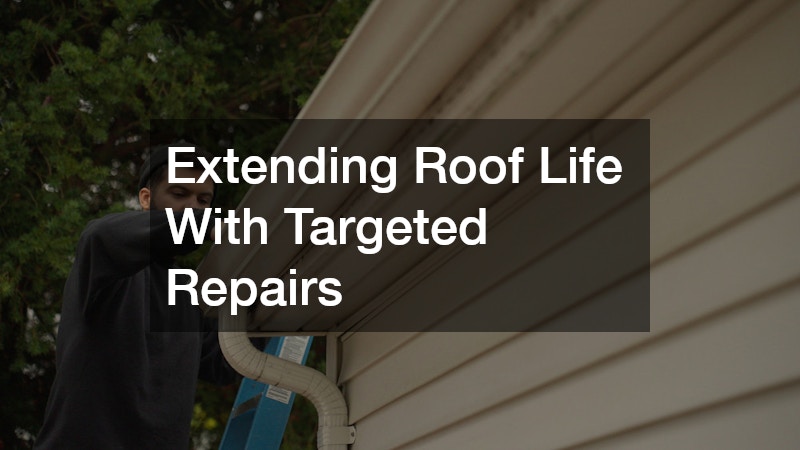
A roof does not have to be replaced simply because it is aging or has a few damaged shingles. Localized repairs, flashing fixes, and improved attic ventilation can often buy homeowners another five to ten years of protection. However, there comes a point where patch after patch stops making financial sense, and understanding that threshold is key to spending wisely.
A full roof replacement becomes the smarter long-term investment when the underlayment is failing, multiple layers of shingles are already present, or leaks keep appearing in new locations each season. In these cases, delaying the inevitable often costs more in water damage and repeated service calls than simply committing to new roofing material.
- Inspect the roof after major storms for lifted or missing shingles
- Check the attic for daylight coming through the roof deck or damp insulation
- Get a professional opinion before assuming a leak means total failure
- Budget for replacement once repairs are needed more than once a year
Boosting Home Comfort Through Better Insulation
One of the most overlooked upgrades for comfort and energy bills is insulation, especially in older homes with gaps around wiring, plumbing penetrations, and rim joists. Spray foam insulation expands into small cracks and crevices that traditional batt insulation simply cannot reach, creating a tighter thermal envelope without touching your HVAC equipment or ductwork. This means you can meaningfully improve heating and cooling performance without replacing any major mechanical system.
Homeowners often notice a difference in comfort within the first heating or cooling season after upgrading insulation. It also reduces the workload on existing equipment, which can extend the life of a furnace or air conditioner that might otherwise be pushed to its limits.
- Focus on attics, rim joists, and crawl spaces first for the biggest impact
- Look for drafts near outlets, baseboards, and window frames
- Compare energy bills before and after to measure real-world savings
Preparing Your Home for Power Outages
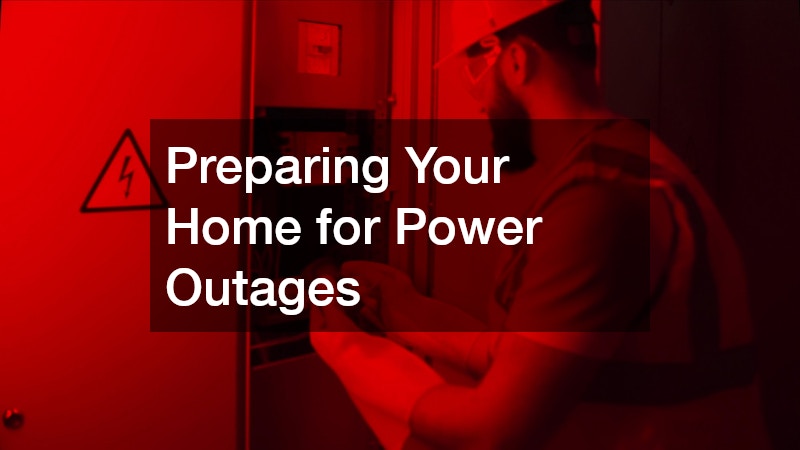
Rather than rewiring an entire electrical panel or overhauling your home’s power infrastructure, many homeowners find that a properly sized backup power source solves their biggest concern directly. Professional generator installation allows a home to keep critical systems running, such as refrigeration, sump pumps, and medical equipment, during extended outages. This is especially valuable in areas prone to storms, ice, or grid instability.
Sizing matters more than most people expect. A unit that is too small will not support your essential circuits, while an oversized system wastes money upfront and on fuel. A licensed electrician can calculate your home’s actual load requirements and recommend either a portable or standby option based on how often outages occur in your area.
- Standby generators kick on automatically and connect to existing fuel lines
- Portable options cost less but require manual setup during an outage
- Prioritize circuits like refrigerators, sump pumps, and medical devices when sizing a system
Refreshing Kitchens Without Gutting the Layout
A full kitchen teardown is rarely necessary to make the space feel new again. Many kitchen renovations today focus on refacing cabinets, updating hardware, and replacing worn countertops rather than moving plumbing and gas lines. This approach keeps costs and timelines manageable while still delivering a dramatic visual change. Cabinet refacing typically involves replacing doors, drawer fronts, and exposed panels while keeping the existing boxes intact. This can cost 30% to 50% less than full cabinet replacement and usually takes days rather than weeks. For homeowners who like their kitchen’s footprint but want a fresh look, this alone can transform the room. Small hardware swaps make an outsized difference for the money spent. New cabinet pulls, updated faucets, and modern light fixtures often cost a few hundred dollars total but change the entire feel of the space. Pairing these updates with a fresh coat of paint on walls or cabinet boxes amplifies the effect further. Countertops are another high-impact, low-disruption upgrade. Swapping laminate for quartz or butcher block doesn’t require rerouting plumbing, since sinks and faucets can often be reset in the same location. This keeps labor costs down while still delivering one of the most noticeable upgrades a kitchen can get. Backsplash tile is worth considering alongside countertops, since both projects disturb the same general area. Installing a new backsplash while countertops are already being replaced can save on labor and minimize repeated disruption to the kitchen. Together, these targeted updates can make a kitchen feel completely renovated without the expense or mess of relocating plumbing, gas lines, or major appliances.
Countertops are often the single upgrade that makes the biggest difference in how a kitchen looks and functions. Quartz countertops in particular have become popular because they resist staining and scratching better than many natural stone options while requiring little maintenance—no sealing, no porous surfaces for bacteria to hide in, and consistent coloring that mimics marble or granite at a lower long-term upkeep cost. Prices typically run $50 to $100 per square foot installed, making a standard kitchen refresh a manageable weekend-to-week project rather than a full renovation. Cabinet fronts offer another high-impact, low-disruption change. Swapping doors and drawer faces, or simply repainting existing cabinet boxes, can transform the room’s tone without touching plumbing, wiring, or the layout itself. Adding new hardware—handles, hinges, soft-close mechanisms—further modernizes the feel for a few hundred dollars. A fresh backsplash rounds out the update and is one of the more forgiving DIY-friendly projects, whether you choose subway tile, patterned ceramic, or a slab that matches the new countertop. Together, these three changes—counters, cabinet fronts, and backsplash—can make a kitchen feel completely redesigned without touching the existing footprint, plumbing lines, or appliance placement, keeping both cost and disruption well below what a full gut renovation would require.
- Reface or repaint cabinets instead of replacing the boxes entirely — new doors, drawer fronts, and hardware can cost a third of full replacement while looking brand new
- Swap outdated countertops for a more durable, low-maintenance material, like quartz or butcher block, without touching the existing cabinet footprint
- Update lighting fixtures for an easy, high-impact change — pendant lights over an island or under-cabinet LED strips instantly modernize the space
- Keep existing plumbing and electrical layouts to control renovation costs, since moving a sink or stove line can add thousands in labor alone
- Replace faucets, cabinet pulls, and switch plates for small details that noticeably sharpen the room’s overall look
- Add a tile backsplash to introduce color and texture without any structural changes
Upgrading Kitchen Appliances on a Realistic Budget

New appliances can be one of the most expensive parts of any kitchen update, but they do not have to be purchased brand new to make a real difference. Certified used appliances from reputable dealers often come with warranties and have been inspected for functionality, offering significant savings over retail prices. This is a practical option for homeowners who want a matching stainless steel suite without paying full price for every piece.
The key is buying from a source that tests and stands behind what they sell, rather than an unverified private listing. A slightly older appliance in excellent condition can outperform a cheaply made new model, especially when it comes to major components like compressors and motors.
- Ask for service history or warranty information before purchasing
- Inspect door seals, interior lighting, and control panels in person when possible
- Compare energy usage labels, since older units may cost more to run long term
Managing Wastewater Without a Full System Overhaul
Septic systems are often misunderstood as all-or-nothing investments, but many issues can be resolved by addressing a single failing component. Pumping the tank on schedule, repairing a cracked baffle, or replacing a worn distribution box can restore function without disturbing the entire drain field. That said, there are situations where a full septic tank installation is genuinely the more responsible choice.
Signs like persistent sewage odors, slow drains throughout the house, or standing water over the drain field usually point to a system that has reached the end of its usable life. Waiting too long to address these signs can lead to contaminated groundwater and far more expensive remediation. A licensed inspector can assess whether repair or replacement makes more sense for your specific setup.
- Schedule tank pumping every three to five years depending on household size
- Watch for slow drains, gurgling pipes, or lush patches of grass over the drain field
- Avoid flushing grease, wipes, or chemicals that accelerate tank buildup
Enhancing Outdoor Living Without a Full Landscape Redo

Backyard upgrades do not require ripping out an entire yard to feel like a meaningful transformation. Adding or expanding patios creates usable outdoor living space for dining, relaxing, or entertaining without the cost of a full landscaping overhaul. A well-placed patio can also increase functional square footage in a way that feels like a natural extension of the home. The material you choose has a big impact on both cost and longevity. Poured concrete tends to be the most budget-friendly option, running roughly $6 to $12 per square foot installed, while pavers and natural stone can range from $15 to $30 per square foot but offer more design flexibility and easier repairs if a section shifts or cracks. Size and placement matter just as much as material. A modest 12-by-16-foot patio is often enough to fit a dining set and a couple of lounge chairs, while positioning it near an existing door or slider minimizes the need for new pathways or grading work. It’s also worth considering add-ons that extend usability, such as a fire pit, a pergola for shade, or built-in seating along the edges. These smaller enhancements can be phased in over time, letting homeowners spread out costs while still working toward a cohesive outdoor living space.
Beyond patios, thoughtful hardscaping elements like retaining walls, walkways, and defined garden borders can tie a yard together visually while improving drainage and reducing erosion. A well-placed retaining wall, for instance, can transform a sloped, hard-to-mow yard into usable terraced space for planting beds or seating areas. Walkways made from pavers, gravel, or natural stone also cut down on muddy foot traffic paths and guide movement through the yard in a more intentional way. These additions tend to be more durable and lower maintenance than expanding lawn or garden beds, making them a smart long-term investment for busy homeowners. Concrete pavers and natural stone can last 20-30 years with minimal upkeep, compared to grass or mulch beds that need constant watering, weeding, and reseeding. When planning hardscaping upgrades, consider drainage flow first. Redirecting runoff with a French drain or gently sloped walkway can prevent water damage to your foundation or basement, often for just a few hundred dollars compared to thousands in potential repair costs. Garden borders using brick, steel edging, or stacked stone also help contain mulch and soil, keeping beds neat with far less seasonal maintenance.
- Choose paver or stamped concrete patios for durability in varying climates, since pavers can be replaced individually while stamped concrete resists cracking in freeze-thaw regions
- Add hardscaping features gradually instead of redoing the entire yard at once — start with a fire pit or seating wall, then expand to walkways or retaining walls in later phases
- Budget hardscaping upgrades in phases of a few thousand dollars each to spread costs while still seeing visible progress each season
- Use permeable materials like gravel, permeable pavers, or porous concrete where drainage is a concern, especially in low-lying yards prone to pooling
- Check local codes before major additions, as some municipalities require permits for patios or retaining walls over a certain height
Upgrading a home does not have to mean choosing between doing nothing and doing everything at once. By identifying which systems genuinely need full replacement versus which ones can be restored, repaired, or partially updated, homeowners can stretch their budgets further while still solving real problems. Start with an honest assessment of what is actually failing versus what simply looks or feels outdated, then tackle projects in order of urgency and impact. A series of smart, targeted upgrades can add years of comfort and value to your home without the disruption of a total rebuild.