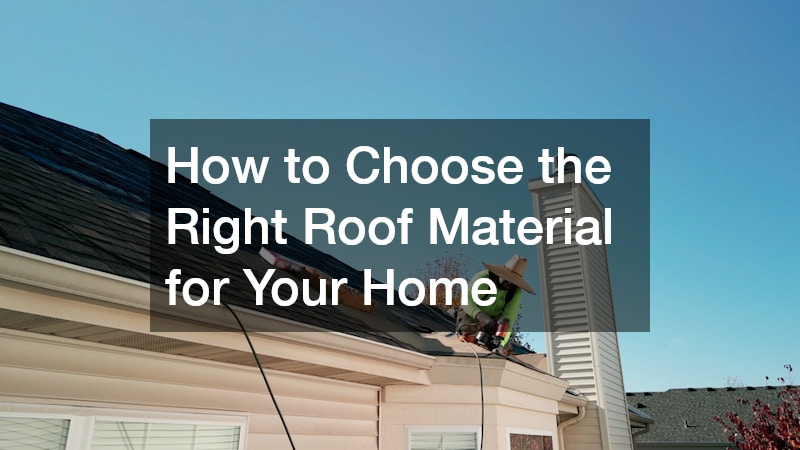
Selecting the appropriate material for a home upgrade is one of the most significant investments a homeowner can make. The overhead structure protects your property from harsh weather, contributes significantly to your energy efficiency, and plays a major role in overall curb appeal. When planning a new roof installation for homes, understanding the vast array of available options can help you make an informed decision that balances durability, aesthetic preference, and long-term budget considerations.
Asphalt Shingles for Versatility and Value
Asphalt shingles remain the most popular choice across residential properties nationwide due to their affordability and ease of application. Standard 3-tab asphalt shingles provide a reliable barrier against moisture while staying budget-friendly.
Architectural asphalt shingles offer a thicker, dimensional look that mimics natural wood or slate, adding enhanced visual appeal along with superior wind resistance. Homeowners opting for asphalt during a new roof installation for homes can choose from a broad variety of colors and styles to seamlessly match their exterior architecture, making it a reliable default option for many families.
Metal Roofing for Longevity and Efficiency
Metal roofing options, including standing seam panels and metal shingles, have seen a massive rise in popularity for residential properties. Aluminum and steel are highly resilient against severe weather conditions, including heavy snowfall, hail, and high winds. Because metal reflects solar heat rather than absorbing it, scheduling a new roof installation for homes using metal can noticeably reduce summer cooling costs. Although the initial cost is higher than traditional asphalt, metal materials last two to three times longer, making them a cost-effective choice over the lifespan of your property.
Clay and Concrete Tiles for Durability and Style
Clay and concrete tiles offer a classic, elegant appearance often associated with Mediterranean, Spanish, or Mission-style architecture. Clay tiles are exceptionally durable, fire-resistant, and capable of withstanding intense heat and sun exposure without fading. Concrete tiles serve as a heavy-duty alternative that can emulate the appearance of clay, slate, or wood shakes at a slightly lower price point. When considering tile during a new roof installation for homes, it is critical to verify that your building’s frame can support the substantial weight of these heavy materials.
Slate Roofing for Unmatched Elegance
Natural slate is often considered the pinnacle of residential roofing materials due to its timeless beauty and extraordinary longevity. Slate tiles are crafted from natural stone, meaning every single piece offers unique texture and color variations. A slate surface can easily endure for over a century when properly maintained, completely resisting fire, water absorption, and pest damage. Incorporating slate into a new roof installation for homes requires a skilled artisan and specialized structural reinforcement, but the result is a breathtaking, virtually permanent protective shell for your estate.
Wood Shakes and Shingles for Natural Warmth
Wood shingles and hand-split shakes offer a warm, organic aesthetic that complements rustic, craftsman, or cottage-style designs. Cedar, redwood, and southern pine are the most frequent wood species utilized for this purpose. Wood provides natural insulation benefits and ages into a distinguished gray patina over time. However, homeowners choosing wood for a new roof installation for homes must remain committed to ongoing maintenance, including regular treatments to prevent moss, rot, and insect damage, as well as choosing fire-retardant options where local building codes require them.
Evaluating Climate and Structural Capacity
Selecting the right material requires evaluating local weather conditions and your property’s existing architecture. Heavy snow loads call for materials that allow snow to slide off easily, like metal, while hurricane-prone coastal regions demand high wind resistance. Furthermore, the pitch and structural framing of your home dictate which materials can be safely installed. Discussing your geographic climate and building limits with a contractor during a new roof installation for homes ensures that your selected material performs optimally throughout its intended lifespan.
Weighing Upfront Costs Against Long-Term Value
While upfront budget constraints are always a factor, evaluating the long-term value of each material provides a clearer financial picture. Inexpensive materials may require replacement or frequent repairs within two decades, whereas premium options like metal or slate last significantly longer and require far less maintenance. Factor in potential energy savings, reduced insurance premiums, and increased property resale value when planning a new roof installation for homes to ensure your choice provides maximum long-term returns.
Ultimately, choosing the right material comes down to aligning your aesthetic tastes, local climate demands, and structural requirements with your overall budget. By weighing the immediate costs of installation against long-term maintenance needs, energy savings, and expected material lifespan, you can make a well-informed decision that enhances your property’s beauty and guarantees structural protection for decades to come.