This article explores the various materials utilized in the construction of commercial roofs, highlighting their benefits and applications. Choosing the correct roofing material is crucial for ensuring the durability and longevity of commercial buildings. It can also impact energy efficiency and sustainability, two key concerns for modern businesses.
By understanding the characteristics and advantages of different commercial roof types, property owners can make informed decisions. This guide delves into popular roofing materials to help stakeholders make the best choices for their buildings.
1. What Are the Most Common Materials Used?
1.1 Types of Commercial Roofing Materials
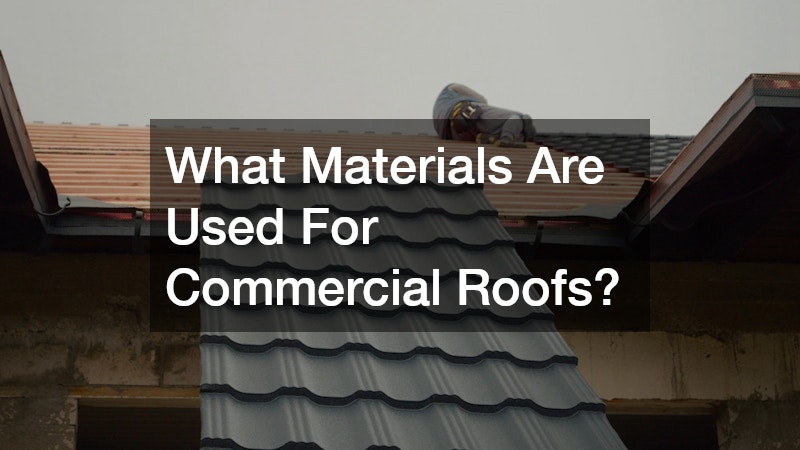
Commercial roofing materials are designed to withstand extreme conditions and provide reliable protection. EPDM (Ethylene Propylene Diene Monomer) is a common choice for flat roofs, offering excellent resistance to weather and flexibility. TPO (Thermoplastic Olefin) is another popular material, known for its heat-reflective properties. PVC (Polyvinyl Chloride) roofing is also widely used due to its durability and resistance to chemicals and grease. Metal roofing, available in aluminum, copper, or steel, is particularly noted for its durability and aesthetic appeal.
Each type of commercial roofing material has distinct properties that make it suitable for various applications. EPDM roofing is favored for its ease of installation and efficiency in waterproofing. These characteristics make it suitable for large commercial complexes. TPO and PVC are beneficial for commercial buildings seeking energy-efficient solutions due to their reflective surfaces. These materials help reduce cooling costs by reflecting solar heat away from the building.
When considering which material to use, it’s important to weigh factors like climate, building structure, and intended lifespan. EPDM provides a cost-effective solution with a long lifespan, often exceeding 20 years with proper maintenance. TPO requires minimal upkeep and thus reduces long-term ownership costs. PVC is chosen for its toughness and excellent fire resistance. Metal roofing offers an aesthetic advantage in addition to strength, repelling harsh weather conditions with ease.
2. Why Choose Metal Roofing for Commercial Buildings?
2.1 Advantages of Metal Roofing
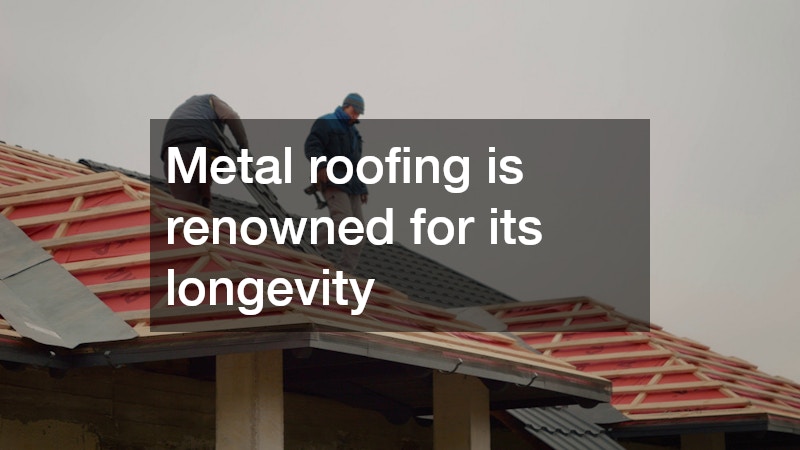
Metal roofing is renowned for its longevity, often lasting 40 to 70 years. This makes it a cost-effective investment due to reduced replacement costs over time. Besides longevity, metal roofing is highly resistant to wind, rain, snow, and freezing temperatures. Commercial buildings benefit from the robustness of metal roofs, which require little to no maintenance once installed correctly. The material is also fire resistant, providing additional protection against potential external hazards.
In addition to durability, metal roofs are known for their energy efficiency and environmental benefits. They reflect solar radiant heat, which can reduce cooling costs by 10-25%. This energy efficiency translates into lower energy bills, making metal roofing an attractive choice for cost-conscious building owners. Furthermore, metal roofing materials are 100% recyclable, supporting green building initiatives. Many systems are also compatible with solar panels, further enhancing energy savings.
Another compelling reason to choose metal roofing is its aesthetic versatility. Available in various styles, colors, and finishes, metal roofing can be customized to match any architectural style. This range of options allows for modern, sleek designs that can make commercial properties stand out. The installation of metal roofing can be swiftly accomplished without disruption to ongoing business operations. Its lightweight nature means less structural stress, adding an additional layer of value to metal roofing solutions.
3. How Do Roofing Materials Contribute to Energy Efficiency?
3.1 Energy-Efficient Roofing Solutions
Energy-efficient roofing materials can significantly impact the overall energy consumption of a commercial building. Reflective materials like TPO and PVC help lower energy costs by reflecting sunlight and reducing heat absorption. Cool roofing technologies not only help reduce cooling costs but also improve indoor comfort levels for building occupants. The decreased reliance on HVAC systems leads to reduced carbon emissions, supporting the sustainability goals of businesses. Energy-efficient roofing solutions can also qualify for tax credits, providing additional savings.
TPO roofing is particularly known for its environmental benefits, offering an excellent price-to-quality ratio. It is resistant to mold, dirt, and tears, ensuring a longer lifespan with minimal environmental impact. Similarly, PVC roofing boasts exceptional durability and resistance to environmental stressors. These materials not only help in reducing utility bills but also contribute to better air quality inside buildings. Energy-efficient roofing materials ensure that commercial spaces are both comfortable and environmentally friendly.
Reflective roof coatings can be applied to existing roofing materials, boosting their energy efficiency. These coatings act as a protective layer that reflects UV rays, further reducing heat gain. By prolonging the lifespan of the roofing materials beneath, these coatings also enhance the roof’s performance over time. In regions prone to high temperatures, such innovations are invaluable for maintaining an energy-efficient commercial environment. Ultimately, a well-chosen roof contributes to both operational efficiency and sustainability.
With numerous options available, selecting the right commercial roofing material involves careful consideration of durability, efficiency, and cost. Materials like EPDM, TPO, PVC, and metal each offer unique benefits tailored to different needs. The decision should account for climate, building design, and budget, ensuring that each element contributes to long-term building success. Investing in energy-efficient materials not only reduces costs but also supports sustainable building practices. By making informed choices, businesses create resilient and efficient infrastructures that stand the test of time.