
A scuffed wall, a squeaky garage door, or a stained carpet can make a home feel neglected even when nothing is actually broken. Before you pick up the phone and schedule a professional visit, it helps to know which cosmetic issues are simple weekend fixes and which ones are early warning signs of something bigger. This guide walks through common surface-level damage around the house, what you can safely handle yourself, and how to tell when a small blemish is actually pointing to a repair that needs real expertise. Learning this distinction saves money, prevents unnecessary appointments, and helps you prioritize when a call really is worth making.
Touching Up Scuffed and Faded Cabinet Surfaces
Kitchen and bathroom cabinets take a daily beating from hands, moisture, and cleaning products, which leaves scuffs, faded finishes, and small chips on doors and drawer fronts. Many of these blemishes can be buffed out with a matching touch-up marker, a dab of wood filler, or a fresh coat of cabinet-grade paint applied to just the damaged panel. The key is matching sheen and color as closely as possible so the repair blends rather than stands out.
If the damage is widespread, if doors are warping, or if the boxes themselves are pulling away from the wall, that moves beyond a cosmetic fix and into structural territory. At that point, a cabinet company can assess whether refacing, replacing individual doors, or a full renovation makes more financial sense than continuing to patch small problem areas.
- Use painter’s tape to isolate the damaged section before touching up paint
- Clean grease and grime off surfaces before applying any filler or finish
- Test stain markers on an inconspicuous spot first
- Tighten loose hinges and hardware before assuming the wood itself is damaged
Removing Stains and Odors From Carpet and Rugs

Fresh spills, light traffic wear, and minor pet accidents are usually manageable with the right store-bought cleaner and a little patience. Blotting instead of scrubbing, treating stains while they’re still fresh, and using a wet-dry vacuum for deep spots can resolve most everyday carpet mishaps without any outside help. Baking soda left overnight is also effective for absorbing lingering odors before vacuuming.
Deep-set stains, mold from long-term moisture exposure, or matted padding usually require equipment homeowners don’t have on hand, like industrial-strength extraction machines. In those cases, professional carpet cleaning services can restore carpet that looks beyond saving, often for far less than the cost of full replacement. It’s worth getting an inspection before assuming a stained carpet needs to be torn out entirely.
- Blot stains from the outside in to prevent spreading
- Avoid hot water on protein-based stains like blood, which can set them
- Test any cleaning solution on a hidden corner first
- Run a fan or dehumidifier after cleaning to prevent mildew growth
Patching Small Cracks and Scratches in Hard Flooring
Hairline cracks in tile grout, small gouges in laminate, or scuffs on hardwood are common in high-traffic homes and rarely mean the whole floor is failing. Grout pens, color-matched wood filler, and laminate repair kits sold at most hardware stores can handle these minor imperfections in an afternoon. Refinishing a small hardwood section with matching stain can also blend scratches so they’re barely noticeable.
Cracks that keep spreading, boards that feel soft or spongy, or tiles that sound hollow when tapped often point to subfloor issues rather than surface damage. A floor contractor can identify whether moisture, structural settling, or improper installation is the root cause before more flooring is wasted on repeated patch jobs. Catching this early typically costs far less than waiting until entire rooms need to be torn out.
- Sand lightly before applying wood filler for better adhesion
- Match grout color in daylight, not under artificial light
- Listen for hollow sounds that may indicate subfloor gaps
- Keep leftover flooring material on hand for future touch-ups
Cleaning and Sealing Minor Cracks in a Driveway

Small surface cracks in a driveway are often a simple do-it-yourself fix using a cold-pour crack filler or asphalt patch product, especially if caught early before water can seep underneath. Cleaning debris out of the crack and applying sealant on a dry, mild day usually gives a clean, durable result. Doing this maintenance annually also helps prevent the freeze-thaw cycle from turning small cracks into major ones.
Wider cracks, potholes, or areas where the surface has visibly sunk usually mean the base beneath the asphalt has shifted or eroded, which is a job beyond patch material. Blacktop driveway contractors can evaluate whether resurfacing or a full replacement is needed, since simply filling deep structural damage often fails within a season. Getting a professional opinion before winter arrives can prevent a small issue from becoming a costly emergency repair.
- Clean cracks thoroughly with a wire brush before filling
- Apply sealant only when temperatures are above 50 degrees Fahrenheit
- Avoid parking on freshly filled cracks for at least 24 hours
- Reapply sealant every two to three years for best protection
Cleaning and Adjusting a Sagging or Discolored Yard Enclosure
Vinyl fencing is popular because it resists rot and rarely needs painting, but it can still develop mildew stains, chalky discoloration, or small surface scratches over time. A mixture of mild soap and water, or a diluted vinegar solution, usually restores its original white or colored finish without professional help. Loose panels can often be reset by hand if the post itself is still solid in the ground.
If a vinyl fence is visibly leaning, if posts have shifted after a storm, or if panels have cracked from impact, the damage has likely moved from the surface down to the foundation of the post itself. That kind of repair usually requires re-setting concrete footings, which is more involved than a weekend cleaning project. Addressing a leaning section quickly helps prevent added strain on neighboring panels.
- Use a soft brush to avoid scratching the vinyl surface
- Check post caps for cracks that let water inside
- Rinse thoroughly to prevent soap residue buildup
- Inspect fence lines after major storms for shifting
Silencing Squeaky or Slow-Moving Garage Doors

A noisy garage door is often just a maintenance issue rather than a sign of mechanical failure. Lubricating hinges, rollers, and tracks with a silicone-based spray, then tightening any visibly loose hardware, resolves most squeaking and sticking within minutes. Wiping down the tracks to remove built-up dirt and debris also helps the door glide more smoothly.
If the door is slow to respond, reverses unexpectedly, or the remote works inconsistently, the issue may be with the opener’s motor or sensor alignment rather than the door itself. Modern garage door openers rely on sensors that can be knocked out of alignment by a bump or vibration, which is usually a quick fix once identified. Persistent electrical or motor issues, however, are worth having looked at before the opener fails completely and leaves the door stuck.
- Test the auto-reverse safety feature monthly
- Clean sensor lenses with a soft cloth to prevent false readings
- Tighten bolts on the track twice a year
- Replace batteries in remotes before assuming a bigger issue exists
Addressing Minor Leaks and Slow Drains Around the House
A slow drain, a slightly dripping faucet, or a running toilet is frequently something homeowners can fix with basic tools. Plunging a drain, replacing a worn washer, or adjusting a toilet flapper are all inexpensive repairs that take less than an hour. Keeping a drain snake and a basic plumbing kit on hand makes these small fixes even easier to manage as they come up.
Persistent low water pressure, recurring clogs in multiple fixtures, or water stains near pipes usually point to something happening inside the walls or under the foundation. In those situations, plumbing contractors have the cameras and tools needed to find blockages or leaks that aren’t visible from the surface. Waiting too long on a hidden leak can lead to water damage that costs far more than the original repair would have.
- Avoid chemical drain cleaners, which can damage older pipes
- Check under sinks monthly for early signs of moisture
- Note water pressure changes, which often signal buildup or leaks
- Keep a shutoff valve wrench accessible for emergencies
Refreshing Faded Siding and Handling Minor Roof Wear
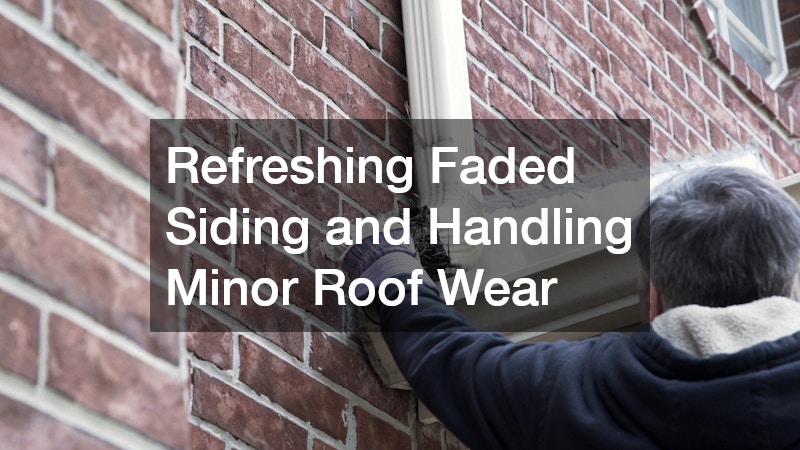
Faded siding, light algae streaks, or a few missing granules on shingles are common cosmetic issues that don’t necessarily mean immediate replacement is needed. A gentle power wash on siding, along with basic gutter cleaning, can dramatically improve curb appeal in an afternoon. Touch-up paint matched to the siding color can also handle small scuffs or scratches from lawn equipment or debris.
Curling shingles, granule loss concentrated in one area, or soft spots on the roof deck are signs that go beyond a cosmetic fix and into functional concern. Roofers can spot the difference between normal aging and damage that’s letting moisture into the attic, which isn’t always obvious from the ground. Scheduling a roof inspection every few years helps catch these issues while they’re still minor and inexpensive to address.
- Inspect shingles after major wind or hail events
- Keep gutters clear to prevent water backing up under the roofline
- Trim overhanging branches that scrape against siding or shingles
- Photograph any damage for insurance purposes before repairs begin
Maintaining Outdoor Curb Appeal Without Major Landscaping Work
Overgrown shrubs, patchy grass, or mulch beds that look tired can often be refreshed with basic tools most homeowners already own. A half-moon edger or simple spade creates crisp, defined lines between lawn and beds, instantly making a yard look intentional rather than neglected. Reseeding bare patches works best in early fall or spring, using a starter fertilizer and light straw covering to help grass establish before foot traffic or heat stress sets in. Trimming bushes back to a clean, rounded or tapered shape is a weekend project that pays off immediately, but timing matters. Flowering shrubs should generally be pruned right after they bloom, while overgrown evergreens can be shaped in early spring before new growth appears. A pair of bypass pruners and hedge shears will handle most residential shrubs without needing power tools. Fresh mulch is another low-cost fix that makes a disproportionate visual difference. Spreading two to three inches of new mulch over existing beds covers faded material, suppresses weeds, and gives edges a finished look for under fifty dollars in most cases. Regular mowing at the correct height also prevents a lawn from looking neglected between larger maintenance efforts. Most cool-season grasses look healthiest kept between three and four inches, since cutting too short stresses the roots and invites weeds to take hold.
Before reaching for a shovel, it’s worth knowing which curb appeal fixes are truly DIY-friendly and which ones aren’t. Trimming shrubs, refreshing mulch, edging garden beds, and touching up faded fence paint are all reasonable weekend projects that make a visible difference for very little cost. But some outdoor problems are cosmetic on the surface and structural underneath. Larger issues, like drainage problems that pool water near the foundation, dying trees, or a yard that needs regrading, call for more specialized knowledge and equipment. Standing water within a few feet of your foundation, for instance, often signals a grading slope of less than the recommended 6 inches of drop over the first 10 feet away from the house, a fix that usually requires heavy equipment and an experienced eye. Likewise, a tree that’s shedding bark, leaning, or losing branches near a structure isn’t just an eyesore; it can become a safety hazard in a storm. A landscaping company can design solutions for persistent problem areas that DIY effort alone won’t fix, especially when grading, drainage swales, or irrigation systems are involved. They can also assess root systems near foundations or sewer lines before removal becomes an emergency. Getting this kind of input early can prevent water damage to the home itself down the line, saving thousands compared to foundation repair costs after the fact.
- Reseed bare patches in early fall when soil is still warm but air temps have cooled, giving grass 4-6 weeks to establish before winter
- Loosen the top inch of soil before spreading seed so it makes good contact instead of sitting on compacted dirt
- Water new grass seed lightly but consistently, aiming for 10 minutes twice a day rather than one heavy soak that washes seed away
- Keep mulch layers at 2-3 inches deep and pulled back at least 6 inches from the foundation or siding to avoid trapping moisture against the house
- Watch for standing water 24-48 hours after rain, since puddles that linger that long signal drainage issues rather than normal soil absorption
- Note where water pools repeatedly, as regrading a small area or adding a French drain is often cheaper than a full landscaping overhaul
Recognizing When Heating Equipment Noise Signals a Bigger Problem
Minor rattling, dust buildup, or a slightly dirty furnace filter are things most homeowners can address without any special training. Replacing filters every one to three months and vacuuming visible dust from vents and registers keeps equipment running efficiently and cuts down on odd noises. These small habits also extend the life of the system between professional visits.
Banging, persistent burning smells, or a system that cycles on and off too frequently are signs that go beyond routine upkeep. Scheduling a home oil and heating service visit for an annual tune-up catches small mechanical issues before they turn into a full breakdown in the middle of winter. A trained technician can also check for safety concerns, like carbon monoxide risks, that aren’t visible or obvious to the average homeowner.
- Replace furnace filters on a consistent schedule
- Keep vents and registers free of dust and furniture blockage
- Note unusual smells or sounds and their timing
- Schedule annual tune-ups before the heating season begins
Most cosmetic damage around a home falls into one of two categories: a quick fix you can handle yourself, or an early signal of a bigger issue worth a professional look. Learning to tell the difference protects both your budget and your home’s long-term condition. Start with the simple, low-cost repairs outlined here, keep an eye on how the damage evolves, and don’t hesitate to bring in an expert once a problem moves beyond the surface.