A hairline crack in your driveway or patio might look like a cosmetic nuisance, but underground it can be a warning sign of something far more serious. Water, soil movement, and tree roots all exploit small openings in concrete, turning minor surface damage into foundation problems, drainage failures, or sinkholes over time. The good news is that most cracked concrete issues are manageable if you catch them early and understand what is happening beneath the surface. This guide walks you through identifying the causes, knowing when to act, and choosing the right fixes before a small crack becomes an expensive repair.
Identify the Warning Signs of a Failing Slab
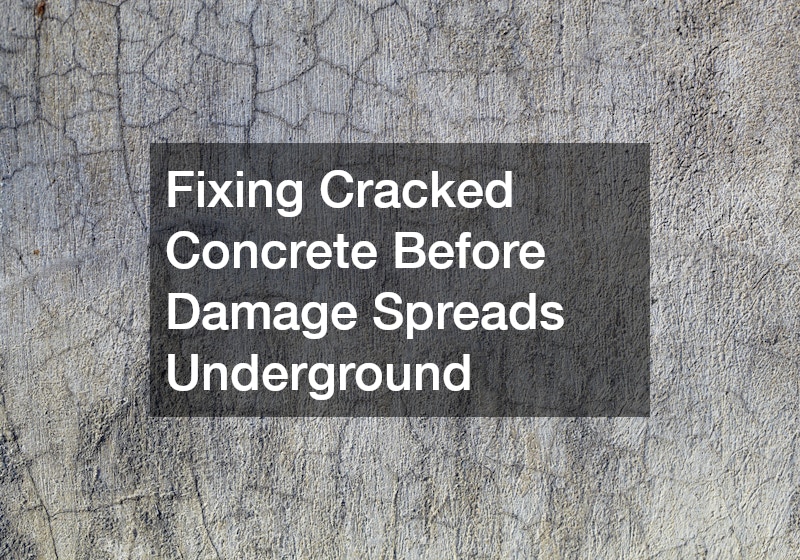
Not every crack means disaster, but certain patterns should prompt a closer look. Hairline cracks under an eighth of an inch are usually cosmetic, caused by normal curing or minor temperature swings, and rarely signal trouble underground. Once a crack exceeds a quarter inch in width, though, or if one edge sits noticeably higher than the other, it often means the soil beneath has shifted, settled, or washed away. Cracks that keep reappearing in the same spot after patching are another warning sign worth taking seriously. A repair that fails within a season or two suggests the underlying cause was never addressed, whether that’s poor soil compaction, a buried pipe leak, or erosion from runoff. Multiple cracks radiating from one point, sometimes called a “spider crack,” can also point to a void or weak spot directly below the slab. Pooling water near a crack after rain is another red flag, since it usually means the slab is no longer draining the way it was designed to. Standing water that lingers for more than a few hours can seep into the cracks and accelerate erosion beneath the surface, turning a small problem into a much bigger one. Keep an eye out too for cracks near downspouts, driveways, or garage floors, since these areas see heavier water flow and tend to reveal foundation issues first.
- Cracks that widen noticeably over a few months, especially anything growing past 1/4 inch — a sign the soil beneath is shifting or washing away
- Uneven slab sections where one side sits higher than the other, even a slight 1/2-inch lip can signal settling below the surface
- Water stains or efflorescence (white, chalky mineral deposits) around the crack edges, pointing to water infiltrating and moving through the slab
- Weeds or grass growing up through the crack, which means the gap extends all the way through the slab and down into the soil
- Crumbling or spalling concrete near the damaged area, often caused by freeze-thaw cycles or corroding rebar underneath
- Cracks that form a stair-step pattern, common in block foundations and usually tied to differential settling
- A hollow or spongy sound when tapped near the crack, suggesting a void has formed underneath the slab
- Doors or windows near the affected area sticking or no longer closing properly, which can indicate movement spreading beyond the slab itself
Understand What Causes Concrete to Crack Underground
 Concrete cracks for reasons that often start well below what you can see. Soil erosion beneath a slab creates voids that leave concrete unsupported, so it eventually sags and splits under its own weight. Freeze-thaw cycles, poor original compaction, and nearby plumbing leaks can all destabilize the base layer over time.
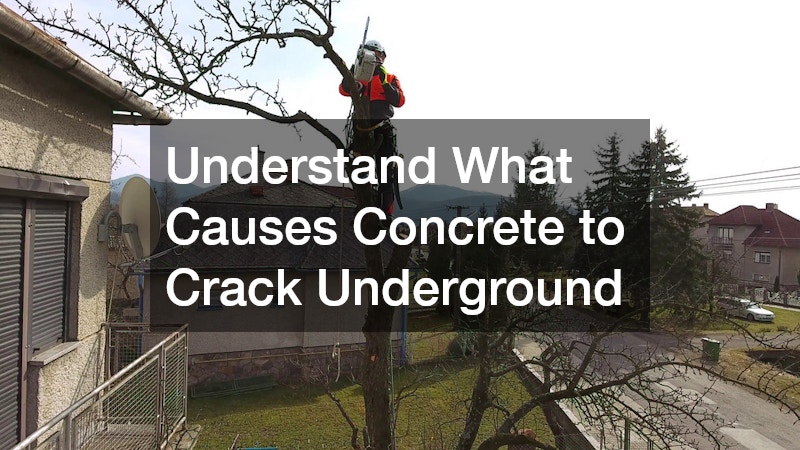
Tree roots are a particularly common culprit, especially with mature trees planted too close to driveways or walkways. As roots grow, they push against slabs from below and can also disrupt buried pipes, which compounds the drainage problems. If a large tree near your home has roots creeping toward your foundation or pavement, consulting tree removal companies for an assessment can prevent years of recurring cracks before they start.
Inspect Your Drainage System Before It Undermines the Slab
Standing water is one of the fastest ways to accelerate concrete failure, since saturated soil loses its ability to support the weight above it. Gutters that dump water directly next to a foundation, clogged downspouts, and grading that slopes toward the house instead of away from it all contribute to this problem. Over time, that water finds its way under slabs and patios, softening the base and creating the voids that lead to cracking.
If your yard already has slow drains or backups, the issue may run deeper than surface grading. Sluggish drains, gurgling sounds, or water pooling near cleanouts are often signs of a blockage that professional drain cleaning services can clear before it forces water to back up underground. Addressing drainage early is almost always cheaper than repairing the concrete damage it eventually causes.
Know the Difference Between a Cosmetic Crack and a Structural One
Homeowners often struggle to tell whether a crack is something to monitor or something to fix immediately. Cosmetic cracks tend to be thin, follow a fairly straight line, and stay the same width from top to bottom. Structural cracks, on the other hand, are usually wider at one end, run diagonally, or appear alongside other symptoms like doors that stick or walls that show gaps.
- Hairline cracks under an eighth of an inch are usually cosmetic
- Cracks that step or run diagonally often indicate settlement
- Cracks paired with sinking or tilting sections need prompt evaluation
- Cracks near expansion joints are often normal and low risk
- Cracks that reopen after repair suggest an ongoing underlying cause
Repair Small Cracks Before They Widen
For minor surface cracks that are not actively growing, sealing them promptly is one of the most cost-effective ways to prevent water intrusion. Flexible polyurethane sealants work well because they expand and contract with temperature changes, unlike rigid patching compounds that can crack again. Cleaning debris out of the crack and applying sealant on a dry day gives the repair the best chance of holding up through seasonal shifts.
For cracks near a driveway or walkway, resurfacing may be a better long-term solution than repeated patching. A fresh layer of asphalt or concrete through professional paving can restore a smooth, even surface while also correcting minor grading issues that contribute to water pooling. This is often more economical than tearing out and replacing an entire slab.
Address Larger Slab Failures With Foundation-Level Solutions
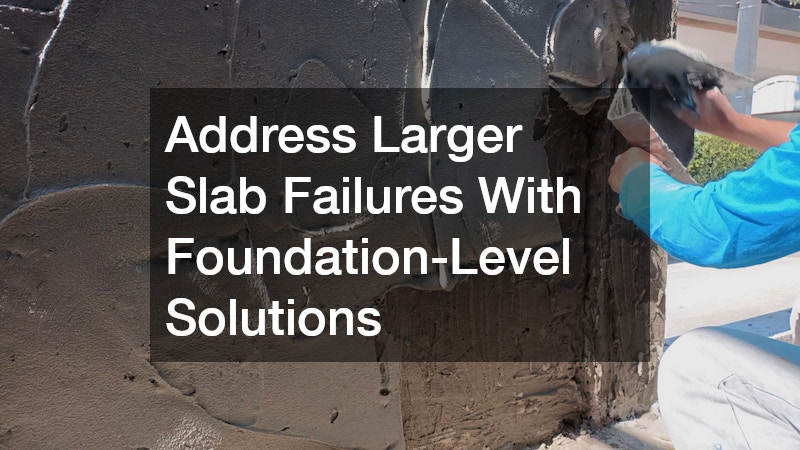
When a crack is tied to soil erosion or settlement, surface repairs alone will not solve the problem. These larger slab failures usually show telltale signs beyond the crack itself — noticeable dips in the concrete, gaps forming along the edges of a driveway, or doors and gates that no longer close properly on an attached structure. Ignoring these signals typically means the void underneath keeps growing, turning a manageable repair into a full slab replacement. Slabjacking, also called mudjacking, lifts sunken concrete by pumping a stabilizing material underneath it to fill voids and restore support. This method uses a cement-based slurry, which is heavier and takes a day or more to cure, making it a solid choice for larger sections like driveways or sidewalks that can tolerate a slower timeline. Polyurethane foam injection is a lighter, faster-curing alternative that works well for driveways, garage floors, and patios experiencing early-stage sinking. The foam expands within minutes, often allowing the area to bear weight again within an hour or two, and its lighter density puts less stress on already-compromised soil beneath the slab. Because this kind of work often overlaps with larger renovation plans, many homeowners loop in home remodeling contractors early to make sure foundation repairs align with any upcoming additions or structural changes, such as a new patio extension or a garage conversion that depends on a stable base. Coordinating this way also helps avoid the cost of redoing work if renovation plans shift the load-bearing requirements of the slab. If the repairs coincide with a relocation, scheduling moving companies around the construction timeline can help avoid delays on both fronts, since heavy trucks and equipment need clear, stable access to the property. Confirming a firm completion date with contractors before locking in a moving date can spare homeowners the hassle of rescheduling either service.
- Mudjacking uses a cement-based slurry pumped through small holes to raise and support sunken slabs, typically costing less per square foot than polyurethane
- Polyurethane injection is lightweight, expands to fill voids, and cures within hours, making it ideal for driveways and walkways that need quick reopening
- Both methods are less invasive than full slab replacement, avoiding the noise, debris, and multi-day timeline of demolition
- A structural engineer can confirm whether the soil issue is ongoing, checking for expansive clay, poor compaction, or erosion beneath the slab
- Repeated sinking despite repairs may point to a drainage or root problem, such as downspouts dumping water near the foundation or nearby tree roots displacing soil
- Ignoring recurring sinkage can lead to cracked utility lines or uneven settling that spreads to adjoining slabs
Protect Outdoor Living Spaces From the Same Underground Issues
Patios and outdoor structures sit on the same vulnerable soil as driveways, so the same warning signs apply. If you are planning to add a patio screen enclosure, it is worth having the slab and surrounding drainage inspected first, since building on an already compromised foundation just delays a bigger repair. A properly graded, well-compacted base will help any new structure last for decades instead of settling within a few years.
Homeowners investing in outdoor upgrades often overlook how connected these spaces are to the rest of the property’s drainage system. Water shed from a patio roof or enclosure still has to go somewhere, and if it is not directed away from the house, it can undermine nearby walkways or the foundation itself. Planning drainage alongside any new outdoor addition avoids creating a fresh set of cracking problems down the road.
Recognize When Cracked Concrete Signals a Bigger Home Problem
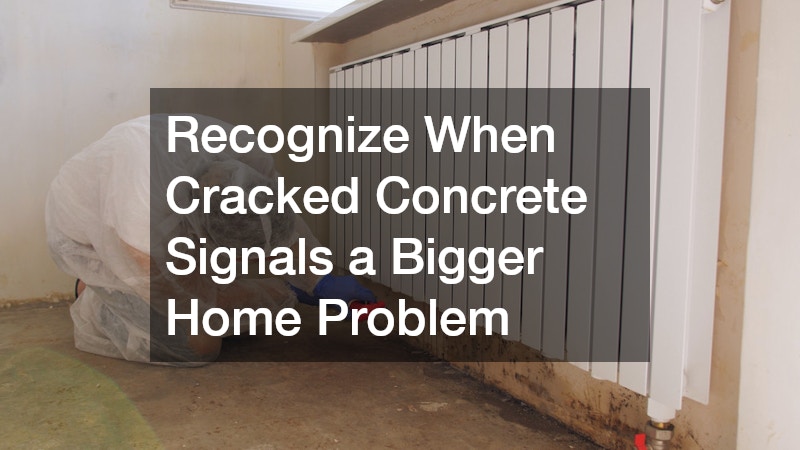
Sometimes a cracked driveway or patio is the most visible symptom of an issue that is affecting the whole property. Persistent moisture problems that show up as cracked concrete can also lead to musty odors or visible growth in crawl spaces and basements, which is when calling in mold remediation specialists becomes necessary alongside any concrete repair. Ignoring the moisture source while only fixing the slab means the underlying problem will likely resurface.
Similarly, if you notice cracking concrete near your home’s exterior at the same time as other maintenance issues, it is worth having a broader inspection done. Aging systems tend to fail around the same time, so a homeowner dealing with a cracked walkway might also discover it is time for AC repair, roof attention, or other overdue projects. Addressing these together, rather than one at a time as emergencies arise, tends to save money over the long run.
Coordinate Repairs When Multiple Home Systems Are Involved

Concrete problems rarely exist in isolation, especially in older homes where several systems are reaching the end of their expected lifespan at once. A leaking roof can send excess water toward the foundation, and residential roofing companies can confirm whether flashing or gutter issues are contributing to the moisture reaching your slab. Similarly, a garage floor crack paired with a garage door that will not open smoothly might mean it is also time for garage door spring repair, since shifting slabs can throw doors out of alignment.
Because these systems interact, it helps to work through repairs in a logical order rather than tackling them piecemeal. Start by addressing whatever is introducing water or excess weight near the slab, since patching cracks before fixing the underlying cause almost always leads to repeat damage within a year or two. Once moisture sources are under control, have the concrete evaluated and repaired, then circle back to check whether attached systems like garage doors are operating smoothly again. Keeping a simple written timeline of what was inspected, what was repaired, and when can also help you spot patterns if new cracks appear later, making it easier to identify whether the root cause was ever fully resolved.
Cracked concrete is rarely just about appearances, and the underground causes behind it can escalate quickly if left unaddressed. By learning to spot warning signs early, understanding your drainage and soil conditions, and matching the repair method to the actual severity of the problem, you can protect your property from far costlier damage later. Start with a close inspection of your existing cracks this week, and do not hesitate to bring in a qualified professional if what you find suggests a structural or drainage issue rather than simple wear.