Key takeaways
- Find out what makes the room feel dark or dated, and check the walls and ceiling for serious damage before decorating.
- Replace dark, heavy paint with light, warm neutrals that reflect more light, and paint dated paneling or trim.
- Swap old light fixtures for modern ones sized to the room, and layer in dimmers, sconces, and warm bulbs.
- Take down heavy drapes and use sheer curtains or light-filtering shades hung high and wide.
- Refresh your existing table and chairs with paint, stain, or new seat fabric, and test old paint for lead before sanding.
- Add a large mirror, fewer and lighter art pieces, and a rug that extends at least 24 inches past the table on all sides.
- Update small details like hardware and switch plates, and keep the table styled simply and free of clutter.
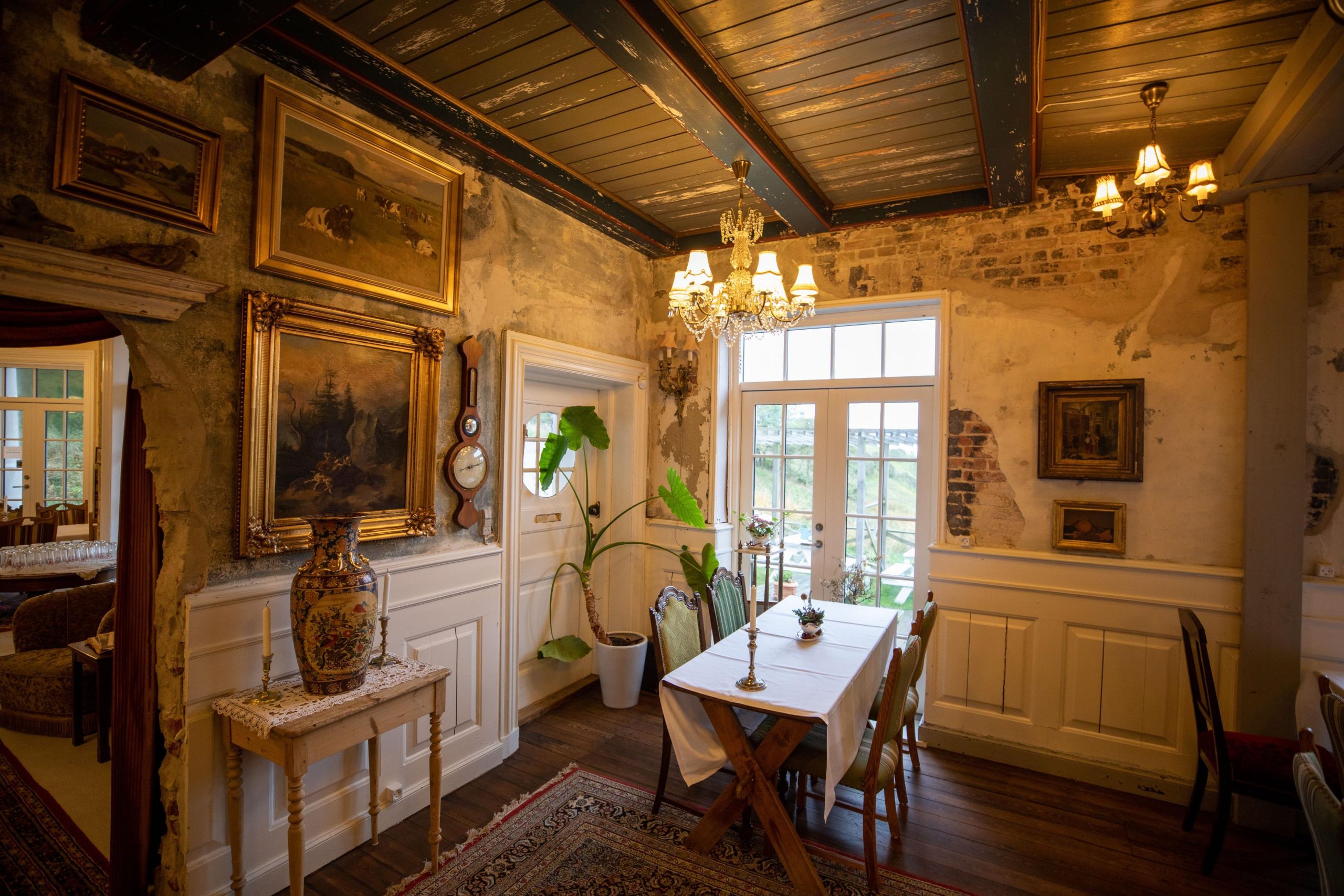
The dining room should be a place where family and friends gather, share meals, and make memories. But many dining rooms feel more like a forgotten corner of the house. Heavy wood paneling, dark paint, outdated light fixtures, and bulky furniture can make the space feel gloomy, cramped, or stuck in another decade.
The good news is that you don’t need a full remodel to bring your dining room back to life. Many of the most effective changes are simple DIY projects you can finish in a weekend or two. Fresh paint, better lighting, and a few smart decor choices can make a dark room feel brighter and a dated room feel modern and welcoming.
In this guide, you’ll learn practical, budget-friendly ways to update a dining room that feels dark or old-fashioned. From painting tricks to furniture makeovers, these ideas will help you create a space you’ll actually want to use every day.
1. Assess the Room Before You Decorate
Before you pick up a paintbrush, take a close look at your dining room. Notice what makes it feel dark or dated. Is it the wall color, the lighting, heavy curtains, old furniture, or a mix of everything? Make a list of the biggest problems so you can focus your time and budget where they’ll make the most difference.
This is also a good time to check the condition of the walls, ceiling, and floors. Small hairline cracks in drywall or plaster are common and can usually be patched before painting. But some issues need a closer look. Common signs of structural damage in a house include wide or growing cracks, especially diagonal ones near door or window corners, sagging ceilings, sloping floors, and doors or windows that suddenly stick. If you spot these, have a contractor or structural engineer check them before you cover them up with fresh paint.
Finally, think about how you use the room. Do you host big holiday dinners, or is it mostly used for homework and everyday meals? Your answer will help guide choices like table size, seating, and storage.
- List what makes the room feel dark or dated.
- Check walls, ceilings, and floors for damage before decorating.
- Plan the design around how you actually use the space.
2. Brighten the Room With Fresh Paint
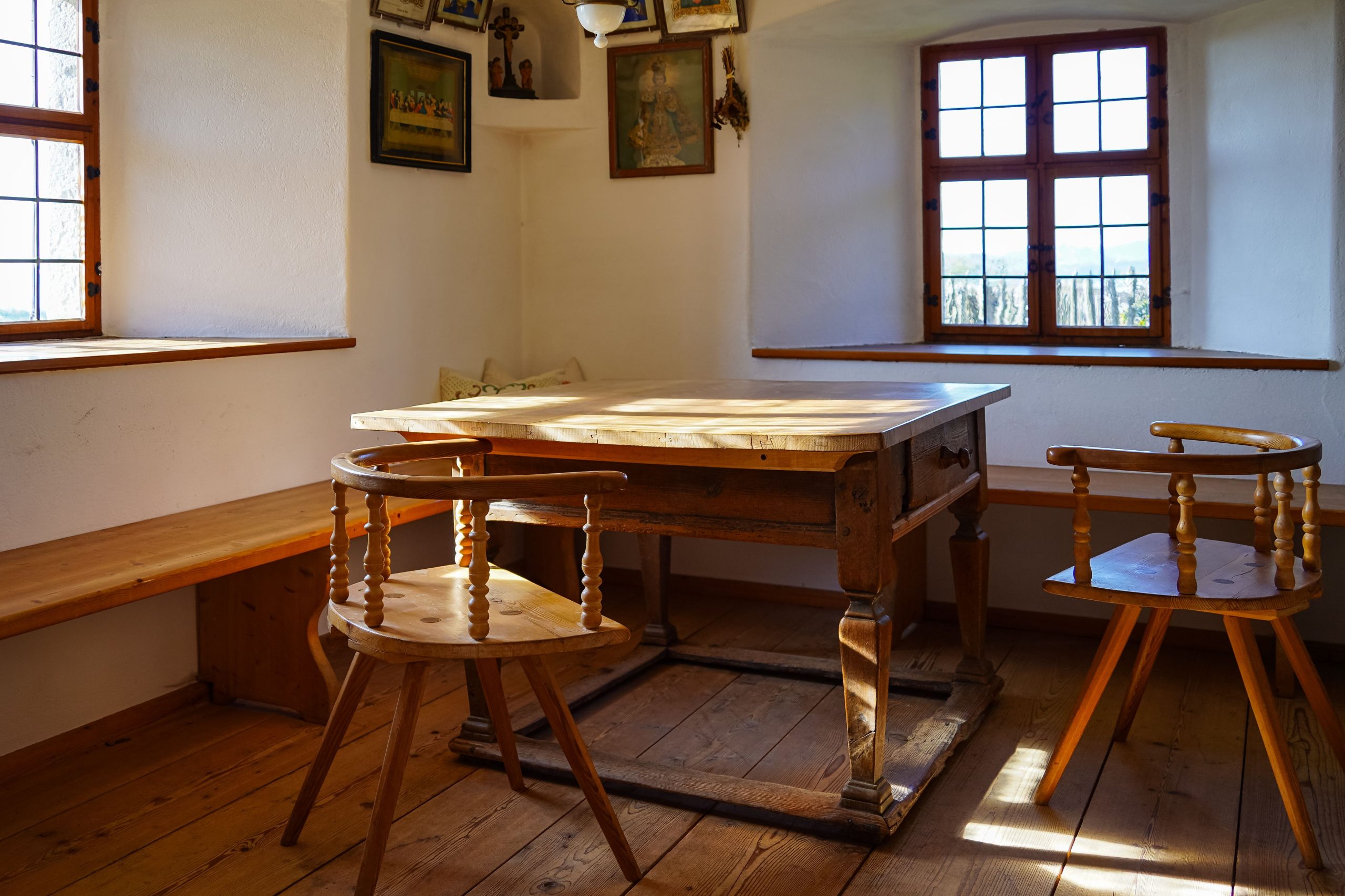
Paint is the fastest and most affordable way to transform a dark or dated dining room. Swapping deep reds, browns, or heavy golds for lighter colors can instantly make the space feel bigger and brighter. Warm whites, soft greiges, pale sage, and light blue-grays are popular choices that feel fresh without looking cold.
Pay attention to a paint’s light reflectance value, often listed as LRV on the paint chip or the brand’s website. LRV runs from 0 (black) to 100 (pure white). Colors with an LRV of about 60 or higher reflect more light, which helps dim rooms. Always test a few large samples on different walls and check them in the morning, afternoon, and evening before choosing.
If your dining room has dark wood paneling or old trim, painting it can make a huge difference. Clean the surface well, lightly sand it, and use a bonding primer so the paint sticks. For a classic look, paint trim in a crisp white with a semi-gloss finish. Don’t forget the ceiling. A bright white flat ceiling paint helps bounce light around the room.
- Replace dark, heavy colors with light, warm neutrals.
- Choose colors with a higher LRV to reflect more light.
- Prime and paint dark paneling or trim for a fresh update.
3. Upgrade and Layer the Lighting
An old brass chandelier or a single dim ceiling fixture can make a dining room feel both dark and dated. Replacing the main light is one of the biggest upgrades you can make. Modern options include simple drum shades, linear pendants, globe fixtures, and lantern-style lights in finishes like matte black, brushed brass, or natural wood.
Size matters. A handy rule is to add the room’s length and width in feet. The total, in inches, is a good diameter for your chandelier. For example, a 12-by-14-foot room would suit a fixture about 26 inches wide. Hang it so the bottom sits about 30 to 36 inches above the tabletop. If you’re not comfortable with electrical work, turn off the breaker and hire a licensed electrician to install it.
Layer your lighting so the room works for every occasion. Add a dimmer switch to the main fixture, plug-in wall sconces for a soft glow, and a lamp on a sideboard or buffet. Choose warm white LED bulbs around 2700K to 3000K for a cozy, flattering light at mealtimes.
- Replace outdated fixtures with simple, modern styles.
- Size the chandelier to the room and hang it at the right height.
- Add dimmers, sconces, and lamps for layered, warm light.
4. Open Up the Windows
Heavy drapes, valances, and swags were popular decades ago, but they block natural light and make a room feel closed in. Taking them down is one of the quickest ways to brighten your dining room. Even if you need some privacy, there are lighter options that still let the sun shine in.
Try sheer or linen curtains in white, cream, or a soft neutral. They filter light gently while adding texture. Hang curtain rods 4 to 6 inches above the window frame, or closer to the ceiling, and extend them 6 to 12 inches past each side. This lets you pull curtains fully off the glass and makes windows look taller and wider. Simple woven wood shades or light-filtering roller shades are also great choices.
Don’t overlook the windows themselves. Clean the glass inside and out, wipe down the frames, and trim any outdoor shrubs blocking light. If your windows have dark, dated trim, a coat of white or light paint can help them stand out and make the room feel more open.
- Remove heavy drapes, valances, and swags.
- Use sheer curtains or light-filtering shades hung high and wide.
- Clean windows and trim outdoor plants blocking sunlight.
5. Refresh the Table and Chairs
You don’t have to buy a new dining set to get a fresh look. Many older tables and chairs are made of solid wood, which makes them perfect for DIY makeovers. Painting chairs in a soft color, black, or white can instantly modernize a traditional set. For tables, you can sand and restain the top in a lighter wood tone and paint the base for a two-tone look.
When painting furniture, clean it well with a degreaser, lightly sand to rough up the surface, and apply a bonding primer. Use thin coats of furniture or cabinet paint and finish with a clear water-based topcoat for durability. Be careful with very old furniture. Paint made before 1978 may contain lead, so test it with a lead test kit before sanding.
Upholstered chair seats are another easy update. Most seats unscrew from underneath. Simply wrap new fabric around the cushion and staple it to the bottom. Choose durable, stain-resistant fabric, especially if you have kids. Mixing in a bench on one side of the table or using two different chair styles can also make the room feel more current.
- Paint or restain your existing dining set for a modern look.
- Prep surfaces well and test old paint for lead before sanding.
- Re-cover chair seats with new, durable fabric.
6. Use Mirrors and Modern Wall Decor
Mirrors are one of the best tools for brightening a dark dining room. A large mirror placed across from or beside a window reflects natural light and makes the room look larger. Hang it above a sideboard or buffet, keeping the bottom about 6 to 10 inches above the furniture. Round, arched, or simple framed mirrors in black, wood, or brass fit most modern styles.
Next, take a fresh look at your wall decor. Old framed prints, heavy oil paintings in ornate frames, or busy groupings of small items can make a room look dated. Replace them with one large piece of art, a pair of matching prints, or a simple gallery wall with thin, matching frames. Choose art with light backgrounds or soft colors to keep the room feeling airy.
For a budget-friendly DIY option, print your own photos in black and white, frame botanical prints, or hang a large woven wall hanging or a set of decorative plates. When hanging art above a buffet, aim for the center of the piece to sit about 57 to 60 inches from the floor.
- Hang a large mirror to bounce light and add depth.
- Replace dated art with fewer, larger, lighter pieces.
- Try DIY art like photo prints or botanical frames.
7. Add Warmth With Rugs and Textiles
A rug can tie your dining room together and add softness, especially if you have hard floors. If your current rug is dark, faded, or heavily patterned in an old-fashioned style, swapping it out can make a big difference. Light-colored or subtly patterned rugs help brighten the room, while natural fibers like jute add texture.
Size is important. A dining room rug should extend at least 24 inches beyond the edges of the table on all sides. This way, chairs stay fully on the rug even when someone pulls them out to sit down. For a 6-person table, that often means an 8-by-10-foot rug. Low-pile or flatweave rugs are easier to clean and won’t catch chair legs.
Other textiles can refresh the room without much effort. Swap a dated tablecloth for a simple linen runner, add cloth napkins in a fresh color, or place cushions on a bench. Choose washable fabrics wherever you can, since dining areas see their share of spills. Stick to a small color palette so the room feels calm and pulled together.
- Replace dark or dated rugs with lighter, simpler designs.
- Choose a rug at least 24 inches wider than the table on all sides.
- Update runners, napkins, and cushions with washable fabrics.
8. Update Dated Details
Sometimes it’s the small details that make a dining room feel old. Shiny brass outlet covers, yellowed light switches, and ornate cabinet hardware can quietly date a space. Replacing them with simple white, black, or brushed metal versions is an easy, low-cost project that takes just a screwdriver.
Old wallpaper or wallpaper borders are another common problem. Removing wallpaper takes patience but is very doable. Score the paper, spray it with a mix of warm water and fabric softener or a wallpaper remover, and scrape gently. Patch and prime the walls before painting. If you love pattern, try modern peel-and-stick wallpaper on one accent wall. It’s renter-friendly and easy to remove later.
If you have a built-in china cabinet or hutch, consider painting it, removing a few doors to create open shelving, or adding new hardware. Style the shelves with fewer, lighter items, like white dishes, glassware, and a few plants. Chair rail molding can be painted the same color as the walls for a cleaner look, or removed if it makes the room feel chopped up.
- Swap dated switch plates, outlet covers, and hardware.
- Remove old wallpaper or try peel-and-stick on one wall.
- Paint built-ins and style shelves with fewer, lighter items.
9. Style the Table and Bring in Plants
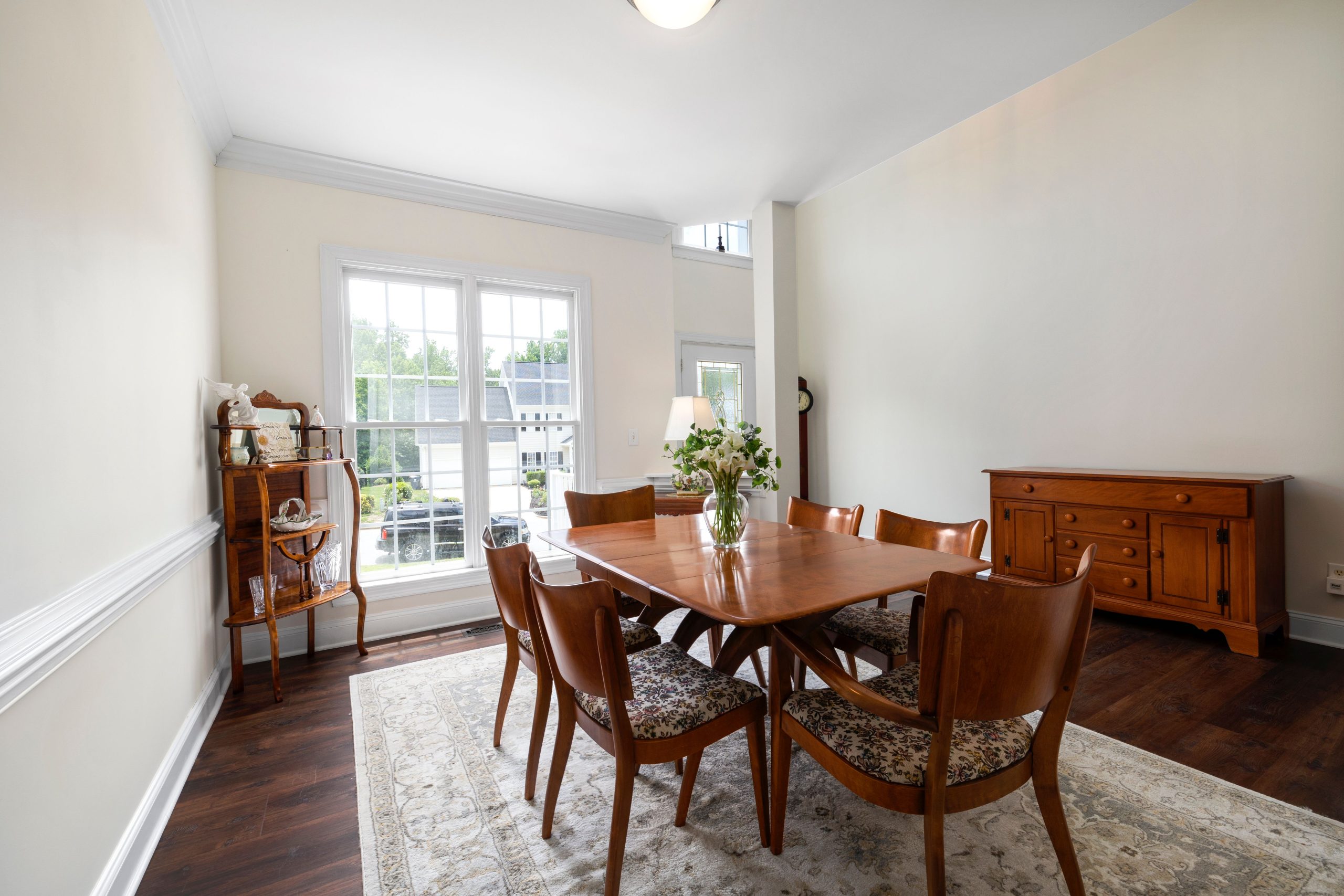
The finishing touches are what make a dining room feel lived-in and inviting. Start with the table. A simple centerpiece works best, like a low vase of fresh flowers, a wooden tray with candles, or a bowl of seasonal fruit. Keep centerpieces under about 12 inches tall so guests can see and talk to each other across the table.
Plants add color and life to any room, and they help a dark space feel fresher. If your dining room gets moderate light, try a fiddle-leaf fig or rubber plant in a corner. For lower light, pothos, snake plants, and ZZ plants are easy-care options. A trailing pothos on top of a hutch or a small herb pot on the sideboard adds a natural touch.
Finally, keep surfaces clear. Dining tables often collect mail, backpacks, and clutter. Set up a basket or tray in another room to catch everyday items so the dining area stays ready for meals. A clean, simple table makes the whole room look brighter and more updated.
- Use a simple centerpiece under 12 inches tall.
- Add plants that match your room’s light level.
- Keep the table clear of everyday clutter.
Conclusion
A dark or dated dining room doesn’t need a major renovation to feel fresh and welcoming again. Light paint colors, modern lighting, and open windows can quickly brighten the space. Updating your table, chairs, rugs, and wall decor with simple DIY projects brings the room into the present without a big price tag.
The small details matter, too. New hardware, removed wallpaper, refreshed built-ins, and a simple, clutter-free table can make a surprising difference. Just be sure to check your walls and ceilings for any serious issues before you start decorating.
Start with the change that will have the biggest impact, like painting or swapping the light fixture, and add the rest over time. Before long, your dining room will be a bright, inviting space where everyone wants to gather, whether for holiday feasts or simple weeknight dinners.