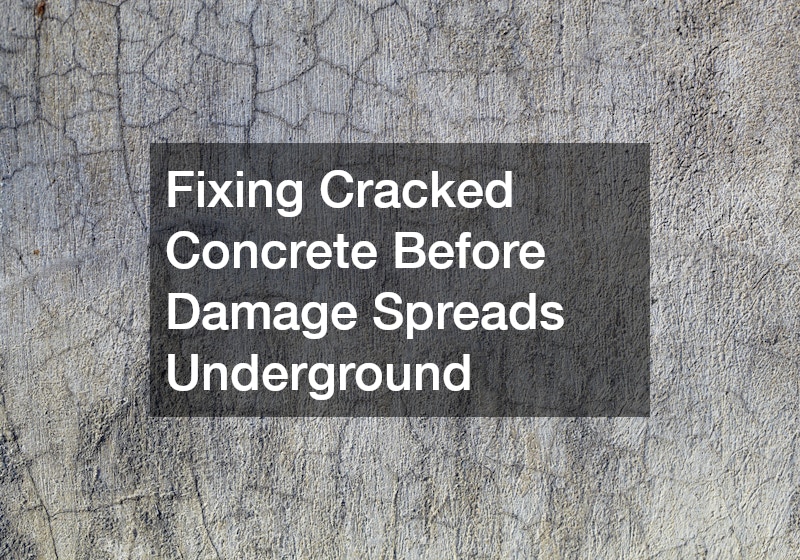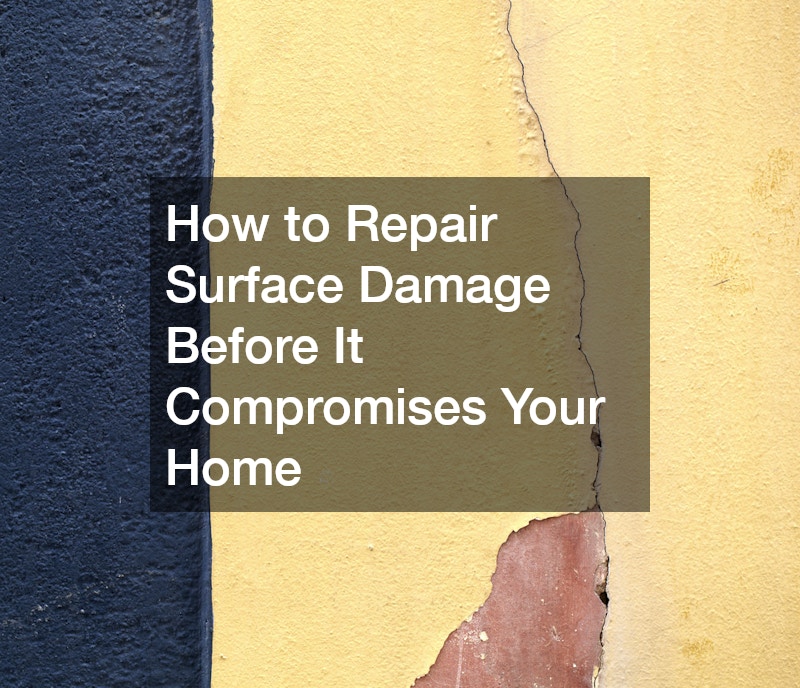
A small crack, a curling shingle, or a hairline gap around a window frame rarely looks urgent, so it’s easy to put off dealing with it. But surface damage is often the first visible sign of a bigger problem brewing underneath, and waiting too long can turn a simple fix into a costly repair. This guide walks through the most common trouble spots around a home, what early damage looks like, and when to bring in help before small issues become expensive ones. The goal is to help you recognize warning signs early enough that a quick repair is still an option.
Inspect Your Roof for Early Warning Signs

Your roof takes more abuse than almost any other part of your home, absorbing sun, wind, hail, and heavy rain year after year. Most roofing materials are only rated to last 20 to 30 years, and constant exposure to UV rays and temperature swings breaks down their protective coatings long before that lifespan is up. Small issues like cracked flashing, missing granules, or curling shingle edges rarely cause immediate leaks, but they weaken the roof’s ability to shed water over time. Granules in your gutters or at the base of downspouts are an especially easy sign to miss, yet they signal that shingles are thinning and losing UV protection. Flashing around chimneys, vents, and skylights deserves close attention too, since these joints are common failure points where sealant dries out and pulls away. Once moisture starts working its way under damaged shingles, it can spread to the decking and eventually the interior ceiling before you notice a drip. A twice-yearly inspection, ideally in spring and fall, gives you the best chance of catching problems while they’re still cosmetic. Look for sagging spots, dark streaks, or moss growth as well, since all three point to trapped moisture that’s already compromising the roof deck underneath.
Catching these problems early is far cheaper than dealing with water damage later. A small leak left unaddressed for a season can turn into rotted decking, damaged insulation, or even mold growth in your attic, turning a minor repair into a major renovation. Licensed roofers can spot subtle signs of wear that are easy to miss from the ground, including soft spots, granule buildup in gutters, and nail pops. They’ll also check for curling or cracked shingles, rusted flashing around chimneys and vents, and dark streaks that may signal algae or moisture retention. Most experts recommend a professional roof inspection at least twice a year, ideally in spring and fall, plus a check after any major storm. If your roof is nearing the 15 to 20 year mark, more frequent inspections are worth the investment, since aging materials are far more prone to sudden failure.
- Check for shingles that look cupped, cracked, curling at the edges, or discolored — these signal aging or sun damage
- Look for daylight through the attic roof boards, especially near the ridge and valleys where leaks often start
- Watch for granules collecting near downspouts or in gutters, a sign shingles are wearing thin
- Note any sagging spots on the roofline, which can indicate rotted decking underneath
- Check flashing around chimneys, vents, and skylights for rust, gaps, or lifted edges
- Schedule a professional inspection after major storms, and consider a routine check every 1-2 years even without visible damage
Keep Water Moving Away From Your Foundation
Water pooling near your home’s foundation is one of the most damaging things surface issues can lead to if ignored. When the ground slopes toward the house instead of away from it, rainwater has nowhere to go but down against the foundation walls. Over time, this constant saturation can erode soil, crack foundations, and even seep into basements. A good rule of thumb is to maintain a slope of at least six inches of drop for every ten feet of distance from your foundation. This gentle grade is often enough to redirect rainwater toward your yard or a designated drainage area instead of letting it collect against your walls. If you notice standing water 24 hours after a storm, that’s a sign your grading needs attention. Gutters and downspouts play a bigger role in this than most homeowners realize. A clogged or poorly positioned downspout can dump hundreds of gallons of water in one concentrated spot every time it rains, quickly overwhelming the soil’s ability to absorb it. Extending downspouts at least five to ten feet away from the house, and adding splash blocks or underground drainage pipes, can make a significant difference. Other landscaping choices matter too. Flower beds, mulch piles, or hardscaping installed too close to the house can inadvertently trap moisture against the foundation. Regularly inspecting these areas, especially after heavy rain or seasonal freeze-thaw cycles, helps you catch drainage problems before they turn into costly structural repairs.
Poor grading and failing drainage channels are frequently the root cause of these problems, since they’re easy to overlook until water starts pooling during a storm. The general rule of thumb is that the ground should slope away from your foundation at least six inches over the first ten feet. When that slope flattens out or reverses over time due to settling soil or landscaping changes, water has nowhere to go but toward your foundation walls. Walking the perimeter of your home after heavy rain and checking for low spots or standing water can prevent a surprising amount of structural trouble down the road. Pay particular attention to areas near downspouts, patios, and driveways, where runoff tends to concentrate. Also check that gutters are clear and extensions or splash blocks are directing water at least four to six feet away from the house, rather than dumping it right at the foundation. If you notice recurring puddles, soft or spongy soil, or mulch that stays wet long after rain has stopped, these are early warning signs worth addressing before they lead to cracked foundations, basement leaks, or wood rot along the sill plate. Simple fixes like regrading with extra topsoil, adding a French drain, or installing a dry well can resolve many of these issues before they escalate into costly structural repairs.
- Inspect the soil grade to confirm it slopes away from the house at a rate of about 6 inches over the first 10 feet
- Regrade or add fill dirt to low spots before fall and spring storms, tamping it down to prevent future settling
- Confirm splash blocks or downspout extensions direct water at least five feet from the foundation, farther if your yard is flat
- Clear gutters and downspouts of debris regularly so water actually reaches those extensions instead of overflowing at the roofline
- Look for water stains, mineral deposits, or erosion patterns along the base of exterior walls
- Check for mulch beds or landscaping piled against the siding, since they can trap moisture against the foundation
- Consider a French drain or dry well in chronically soggy areas where regrading alone won’t solve the problem
Address Cracks and Wear in Concrete Surfaces
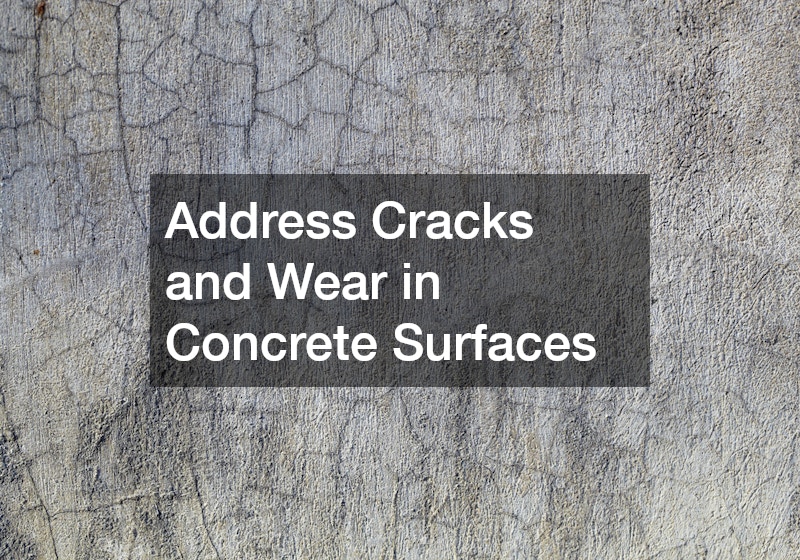
Driveways, patios, and walkways take a beating from freeze-thaw cycles, heavy vehicles, and constant foot traffic. Small surface cracks might seem cosmetic, but water that seeps into them can freeze, expand, and turn a hairline crack into a major structural fracture within a season or two. Sealing cracks promptly and reapplying protective sealant every few years keeps moisture from working its way underneath the slab.
For homeowners who want both durability and curb appeal, stamped concrete has become a popular option for driveways and patios because it resists cracking better than plain poured concrete when properly maintained. Even decorative surfaces need regular sealing and prompt crack repair, though, since neglecting maintenance can undermine the pattern and finish over time.
- Fill hairline cracks before winter to prevent expansion
- Reseal concrete every two to three years
- Watch for uneven settling near slab edges
- Address drainage issues that pool water on flat surfaces
Watch for Flooring Damage Before It Spreads
Floors absorb a lot of daily wear, and small issues like lifting seams, warping, or discoloration often point to moisture problems underneath rather than just surface wear. Left unaddressed, these issues can allow mold to develop beneath the surface or cause subflooring to weaken. Catching soft spots or bubbling early usually means a simple patch job instead of a full replacement.
Vinyl flooring is especially prone to showing early signs of trouble, since moisture trapped beneath it can cause bubbling or curling at the seams. Checking under sinks, around tubs, and near exterior doors for these signs regularly can help you catch a leak before it spreads to the subfloor or nearby walls.
- Look for bubbling, curling, or discoloration near water sources
- Press down on suspicious spots to check for sponginess
- Address grout and caulk gaps promptly in wet areas
- Replace damaged sections before moisture spreads further
Monitor Siding for Gaps, Warping, and Moisture Intrusion
Exterior siding is your home’s first line of defense against wind, rain, and temperature swings, so even small gaps or warped panels deserve attention. Once moisture gets behind siding, it can rot wood sheathing, promote mold growth, and attract pests before any damage is visible from the street. Panels that look slightly bowed, discolored, or loose at the seams are often the earliest visible clue that something’s wrong underneath.
A qualified siding contractor can check behind a few sections to see whether the underlying sheathing has already been compromised, which is difficult for most homeowners to assess on their own. Catching warped or gapped siding early typically means replacing a handful of panels rather than resheathing an entire wall.
- Check for warping, bowing, or fading in specific sections
- Look for gaps at seams, corners, and window trim
- Tap panels to listen for hollow or soft sounds
- Address caulking failures around penetrations quickly
Recognize When Bathroom Surfaces Signal Bigger Problems

Bathrooms deal with constant moisture exposure, which makes small surface issues there especially worth watching. Cracked grout, soft spots near the tub, or peeling paint on the ceiling below can all indicate water intrusion that’s already affecting structural components. Ignoring these signs often leads to more extensive rot or mold problems hidden behind tile and drywall.
Sometimes a bathroom remodel becomes the most practical solution once damage has spread beyond simple patching, especially if outdated plumbing or worn waterproofing is contributing to repeat problems. Addressing the underlying moisture source during a renovation, rather than just refinishing surfaces, helps prevent the same damage from recurring within a few years.
- Check grout lines and caulk seals every few months
- Look for soft flooring near tubs, showers, and toilets
- Watch for peeling paint or stains on ceilings below bathrooms
- Address ventilation issues that trap excess humidity
Catch Plumbing Leaks Before They Damage Walls and Floors
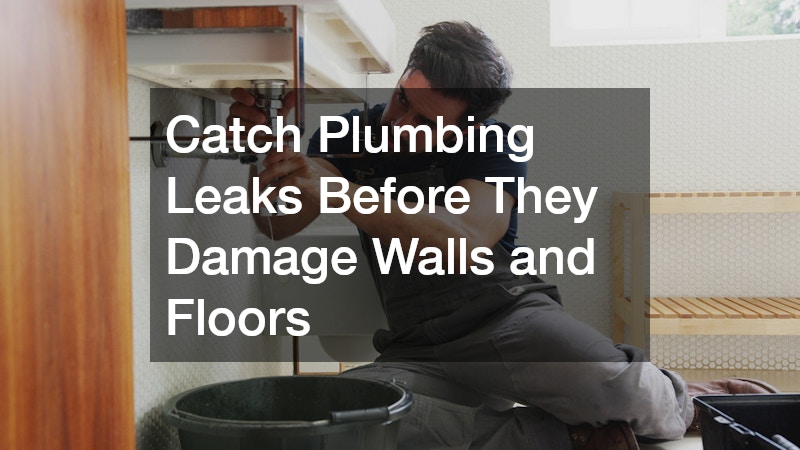
Small plumbing leaks are notorious for hiding in walls, under floors, or behind appliances until the damage becomes extensive. A slow drip behind a wall can go unnoticed for months while it quietly rots framing, warps subflooring, and feeds mold growth that spreads far beyond the original leak site. By the time water actually appears on a ceiling or wall surface, the damage underneath is often already significant. Watching for subtle signs can help you catch a leak long before it becomes a visible problem. An unexplained jump in your water bill, even 10-15% higher than usual with no change in habits, often points to a hidden leak. Musty or earthy odors near bathrooms, kitchens, or laundry areas suggest moisture is trapped somewhere it shouldn’t be, while faint staining, bubbling paint, or soft spots in drywall and flooring are visual clues worth investigating immediately. It’s also worth doing a quick monthly check of your water meter: shut off every fixture and appliance in the house, note the meter reading, wait 15-30 minutes without using water, then check again. Any movement indicates a leak somewhere in the system. Pay extra attention to areas prone to trouble, like under sink cabinets, around water heaters, behind washing machines, and where pipes enter exterior walls, since these spots see the most wear and are easiest for leaks to hide. Catching a leak early, before it soaks through a wall cavity or subfloor, can mean the difference between a simple pipe repair and a full-scale renovation involving drywall replacement, mold remediation, and structural repairs.
Small warning signs are easy to dismiss: a faint musty smell, a slightly soft spot on the floor, a water bill that’s crept up for no obvious reason, or a ceiling stain that seems to fade and reappear. Any one of these can signal a slow leak working behind the scenes. When something seems off, it’s worth calling a plumbing company for an inspection rather than waiting to see if the issue resolves itself. Modern leak detection tools can pinpoint hidden problems without tearing into walls unnecessarily, which saves both time and repair costs. Thermal imaging cameras can spot temperature differences caused by moisture behind drywall, while acoustic sensors pick up the sound of water escaping from pressurized pipes. Moisture meters add another layer of accuracy, confirming exactly how far dampness has spread into wood, drywall, or insulation. A professional inspection typically costs far less than the alternative: a leak left unaddressed for months can lead to warped flooring, mold growth, and even structural rot in framing. Catching the problem early often means a simple pipe repair instead of a full wall or subfloor replacement. Given the stakes, a same-week appointment with a trusted plumber is a small price to pay for peace of mind.
- Watch for unexplained increases in water bills — a jump of 20% or more with no change in usage often points to a hidden leak
- Check under sinks and around appliances for slow drips, including water heaters, washing machines, and dishwasher supply lines
- Look for warped, soft, or bubbling spots on flooring near tubs, toilets, and laundry areas
- Note musty smells or discoloration on walls and ceilings, especially yellow-brown staining or peeling paint
- Listen for running water sounds when all fixtures are off, which can signal a leak inside walls
- Have older pipes inspected before they fail completely, particularly galvanized steel or polybutylene lines over 20 years old
- Consider a professional leak detection service if your water meter keeps moving with everything shut off
Prevent Small HVAC Issues From Turning Into System Failures
Your home’s heating and cooling system rarely fails without warning signs first. Strange noises, weak airflow, or inconsistent temperatures between rooms often point to a minor issue that’s still cheap to fix. Ignoring these symptoms typically means the system works harder to compensate, which accelerates wear on components that are expensive to replace.
Scheduling AC repair at the first sign of trouble, rather than waiting for a complete breakdown during peak summer heat, usually costs significantly less and extends the life of the unit. Routine maintenance, including filter changes and coil cleaning, also helps catch small issues before they escalate.
- Listen for grinding, rattling, or clicking noises
- Watch for uneven cooling or heating between rooms
- Change filters regularly to reduce strain on the system
- Schedule annual maintenance checks before peak seasons
Address Garage Door Wear Before It Becomes a Safety Hazard
Garage doors are one of the largest moving parts of a home, and small issues like fraying cables, worn rollers, or misaligned tracks can escalate quickly into safety hazards. A door that seems to stick, move unevenly, or make grinding noises is usually signaling that a component is wearing out. Left unaddressed, these small mechanical problems can lead to a door falling off its track or a spring snapping under tension.
Contacting a garage door repair company at the first sign of trouble is far safer than attempting to diagnose spring or cable issues yourself, since these components are under significant tension. Regular lubrication and visual inspections of hardware can extend the life of the system and catch wear before it becomes dangerous.
- Listen for grinding or scraping sounds during operation
- Check cables and springs for fraying or rust
- Test auto-reverse safety features periodically
- Lubricate rollers, hinges, and tracks twice a year
Protect Trees and Landscaping That Threaten Structural Areas
It’s easy to think of landscaping as separate from home maintenance, but trees and shrubs planted too close to a house can cause real structural problems. Roots can crack foundations and driveways, while overhanging branches can damage roofing and siding during storms. Pests that infest weakened or diseased trees can also migrate toward the home itself, creating additional headaches.
Regular tree spraying and professional arborist care can help keep trees healthy enough to resist pests and disease, reducing the chance of falling limbs or root damage near your home. Trimming branches back from the roofline and monitoring root growth near foundations are simple habits that prevent much larger repair bills later.
- Trim branches at least six feet from rooflines and siding
- Watch for root heaving near driveways and walkways
- Treat pest or disease issues before they spread to structures
- Remove dead or weak limbs before storm season
Surface damage rarely stays contained to the surface for long, which is why a proactive approach saves both money and stress. Walking through your home a few times a year with these trouble spots in mind can help you catch problems while they’re still minor and inexpensive to fix. When something looks off, don’t wait for it to get worse, reach out to a qualified professional who can assess the issue and recommend the right next step. Taking action early is the simplest way to protect your home’s value and avoid a much bigger repair down the road.