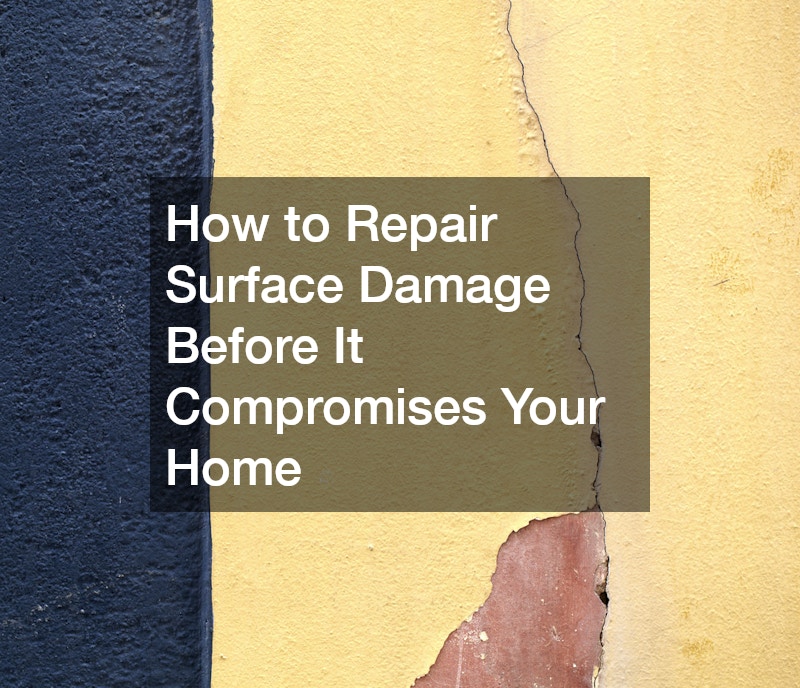
A cracked driveway, a faded fence, or a scratched hardwood floor can make an entire property look neglected, even when the rest of the home is well maintained. The good news is that most damaged outdoor and indoor surfaces do not require a full teardown and replacement to look new again. With the right repair approach, timing, and a bit of know-how, homeowners can save thousands of dollars while extending the life of surfaces they already have. This guide walks through the most common damaged surfaces around a property and how to restore them without starting from scratch.
Repairing Cracked or Sunken Concrete Driveways
Concrete driveways and walkways are durable, but years of freeze-thaw cycles, heavy vehicles, and tree root growth can cause cracking, sinking, or surface pitting. In many cases, these issues can be corrected through patching, resurfacing, or slab lifting rather than tearing out the entire driveway. A professional evaluation can determine whether the damage is cosmetic or a sign of deeper structural settling that needs more targeted repair.
If a section of concrete has deteriorated beyond a simple patch, ordering fresh material from a concrete supplier for a partial pour is often far more affordable than replacing the whole driveway. Many suppliers also offer specialty mixes designed for repair work, including fast-curing formulas that allow the area to be used again within a day or two.
- Fill hairline cracks early before water intrusion widens them
- Use polymer-modified patching compound for high-traffic areas
- Consider slab lifting (mudjacking) for sunken sections instead of replacement
- Seal the surface every two to three years to prevent future cracking
Restoring Wood and Vinyl Fencing Instead of Rebuilding
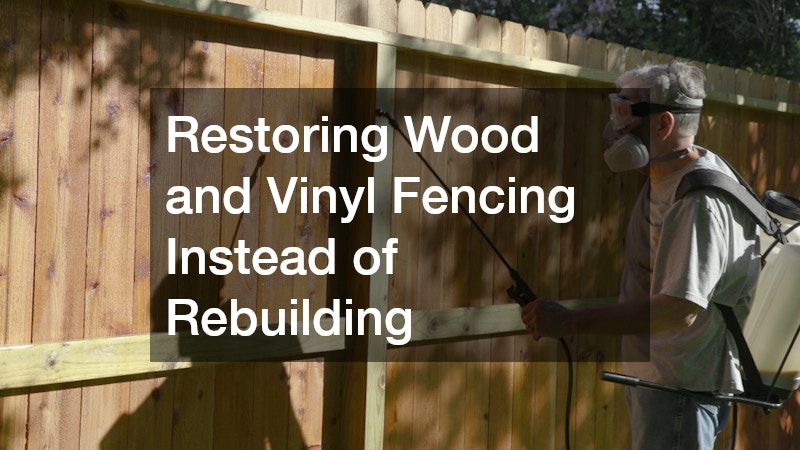
A leaning, weathered, or partially rotted fence does not always mean it is time to rebuild from the ground up. Individual pickets, posts, or rails can often be swapped out while leaving the rest of the structure intact, which keeps costs down significantly. Sanding, staining, or repainting can also revive the appearance of wood fencing that has simply faded from sun exposure.
For homeowners unsure whether repair or replacement makes more sense, bringing in a fence contractor for an inspection is a smart first step. A contractor can identify which posts are structurally compromised versus which sections just need cosmetic attention, helping avoid unnecessary spending on a full rebuild.
- Check for rot at the base of posts where wood meets soil
- Replace only damaged pickets rather than entire panels
- Add post supports or concrete collars to stabilize leaning sections
- Reapply weatherproof sealant annually in harsh climates
Reviving Scratched and Worn Hardwood Floors
Hardwood floors that lead out to patios, sunrooms, or covered porches often take a beating from foot traffic, sun exposure, and moisture. Deep scratches, dullness, and discoloration can make flooring look worn out, but the wood underneath is frequently still in good structural condition. Sanding down the top layer and applying a fresh finish can make old boards look brand new again.
Hardwood floor refinishing is typically far less expensive than ripping out and replacing flooring, and it can usually be completed in a matter of days depending on the size of the space. Homeowners should also consider that refinishing allows for a color or sheen update, which can modernize a room without any structural changes.
- Light scratches can often be buffed out without full sanding
- Water-damaged boards may only need spot replacement, not a full floor
- Choose a matte or satin finish for high-traffic transition areas
- Schedule refinishing during dry weather for faster curing
Handling Small Repairs Around the Property

Not every damaged surface requires a specialist. Loose deck boards, chipped siding, damaged trim, a wobbly railing, or a cracked step are often quick fixes that a skilled generalist can handle in a single visit, usually within an hour or two per item. These repairs typically cost far less than the $300-$500 minimum many specialty contractors charge just to show up. Bundling several small repairs together into one appointment is also a practical way to save time and money. Rather than scheduling separate visits for a squeaky gate hinge, a loose gutter bracket, and a section of peeling caulk, a homeowner can create a punch list and have one handyman address everything in a single afternoon. This approach also reduces the cumulative trip fees that add up quickly when hiring multiple trades. It’s worth walking the exterior of the property every few months to catch these small issues before they compound. A single popped nail in a deck board, for example, can become a tripping hazard or lead to water intrusion if ignored for a season. Similarly, small trim gaps left unsealed invite moisture, pests, and rot that turn a $50 fix into a $500 one. Homeowners should still know their limits — anything involving structural framing, electrical connections, or gas lines needs a licensed professional, not a generalist. But for the majority of cosmetic and minor functional repairs scattered around a property, a single well-organized service call is often all it takes.
A skilled handyman can address a wide range of surface issues around the property, from patching cracked stucco and repairing chipped concrete steps to resealing grout lines in outdoor tile or patching small holes in wood siding. These jobs typically take just a few hours each, but tackled one at a time by separate specialists, they could easily stretch into a weeks-long project with multiple invoices attached. This is especially useful for homeowners juggling a list of minor repairs that individually would not justify hiring a dedicated crew. Think of a cracked walkway paver, a peeling section of fence paint, and a loose deck board — none of these warrant a full masonry, painting, or carpentry contractor on their own, but together they make for a solid afternoon’s work for a generalist. Beyond saving time, bundling these smaller fixes into a single handyman visit often reduces overall cost, since there’s no need to pay separate service call fees or minimum job charges for each individual repair. It also means only one person needs to coordinate scheduling and access to the property, rather than lining up several different trades throughout the month.
- Loose deck boards and railings — resecure with corrosion-resistant deck screws instead of nails, and replace any wood showing soft spots or rot before it spreads
- Minor drywall or exterior siding patches — small holes under 1/2 inch often just need spackle, while larger gaps require a patch kit or matching siding piece
- Recaulking around windows and doors — strip out old, cracked caulk completely first, then apply a fresh silicone or polyurethane bead to stop drafts and water intrusion
- Small tile or grout repairs on patios and walkways — regrouting hairline cracks early prevents water seepage that can loosen entire tiles over time
- Touching up trim and fascia paint — a quick primer-and-paint job on peeling or chipped areas protects wood underneath from moisture damage
Maintaining Home Heating Systems That Affect Surfaces
Surface damage is not always caused by weather or foot traffic. Homes that rely on oil-based heating systems can experience staining or deterioration near storage tanks and delivery areas if leaks or spills occur. Keeping tanks properly maintained and scheduling regular deliveries of heating oil helps prevent the kind of residue buildup that can stain concrete pads, gravel areas, or nearby siding.
If a spill has already occurred, the affected surface often does not need to be replaced outright. Absorbent treatments, degreasers, and pressure washing can lift oil stains from concrete or pavement, restoring the area’s appearance without any demolition work.
- Inspect tanks and fill lines annually for leaks
- Place drip trays under fill valves during delivery
- Clean oil stains promptly before they set into porous surfaces
- Consider tank relocation if staining recurs frequently
Refreshing Yard and Garden Areas Without a Full Overhaul
Uneven lawns, overgrown beds, and outdated hardscaping can make a yard feel tired, but a complete overhaul is rarely necessary to fix these issues. Strategic updates, such as replacing mulch, edging garden beds, or adding new plantings around existing pathways, can dramatically change the look of a property. Working with a professional on landscape design allows homeowners to identify which existing features are worth keeping and which need targeted updates.
In many cases, a design consultation reveals that the bones of a yard, like mature trees, retaining walls, or patio slabs, are still in great shape and simply need better integration with newer plantings or lighting. This approach preserves established landscaping while giving the property a refreshed, more cohesive look.
- Reuse existing hardscape features where structurally sound
- Add layered plantings to disguise worn or patchy soil areas
- Update outdoor lighting to highlight refreshed zones
- Incorporate drainage solutions into new design plans
Clearing Drainage Issues That Damage Outdoor Surfaces
Standing water is one of the most common causes of ongoing surface damage, from eroding soil near a foundation to staining patios and driveways. Clogged gutters, poorly graded yards, and blocked underground pipes can all contribute to water pooling in places it should not. Left unaddressed, this moisture can accelerate cracking in concrete, rot wood fencing, and stain pavers.
Rather than regrading an entire yard or repouring hardscaping, calling in drain cleaning services to clear blocked pipes or French drains is often enough to resolve the underlying problem. Once water is flowing properly again, many surfaces that appeared damaged actually recover on their own over time as excess moisture dries out.
- Check downspouts for proper flow away from the foundation
- Clear debris from area drains before heavy rain seasons
- Watch for pooling water near patios or driveways after storms
- Schedule a professional camera inspection for recurring clogs
Repairing Roof Sections Instead of Full Replacement
A roof with a handful of damaged shingles, minor flashing issues, or a small leak does not automatically need a full tear-off. Localized repairs can extend the life of a roof by many years, particularly if the damage is limited to one section facing prevailing weather patterns. Catching problems early is the key to avoiding more expensive, widespread repairs later.
Reputable Roofing Contractors can assess whether a targeted repair will hold up long-term or whether the underlying decking has sustained enough damage to warrant a larger project. Getting a written estimate that separates repair options from full replacement costs helps homeowners make a more informed, budget-conscious decision.
- Replace missing or curling shingles promptly
- Reseal flashing around chimneys and vents
- Address small leaks before they spread to insulation or drywall
- Schedule a professional inspection after major storms
Upgrading Entry Points Without Replacing the Whole Structure

Garage doors and other entry points take on a lot of visual weight for a home’s exterior, and dents, rust, or worn tracks can make even a well-kept house look dated. In many cases, only the door panel, springs, or opener mechanism need attention rather than the entire assembly. Professional garage door installation for just the damaged component can restore both function and curb appeal at a fraction of full replacement cost.
Homeowners should also weigh insulation and material upgrades during any repair, since newer panels often offer better energy efficiency even when installed as a partial replacement. This can be a practical middle ground between a quick patch job and a complete overhaul of the entryway.
- Replace worn rollers and tracks before they damage the door panel
- Repaint or refinish dented sections instead of full replacement
- Upgrade to insulated panels for better temperature control
- Have springs and cables inspected annually for safety
Refreshing Indoor Surfaces That Extend to Outdoor Living Spaces
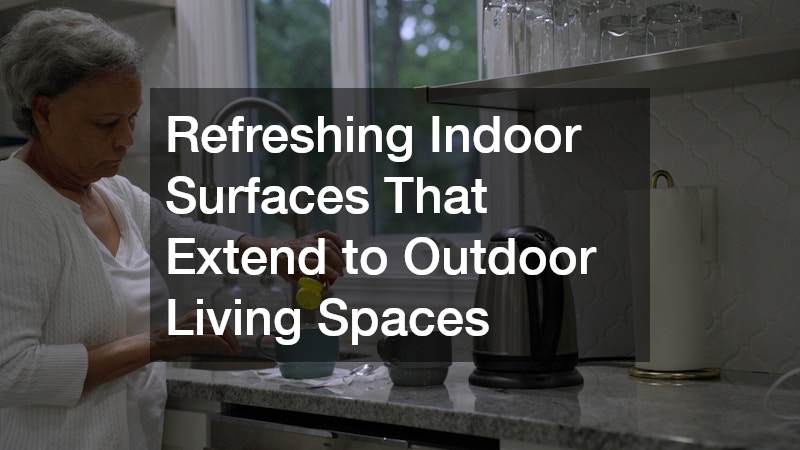
Kitchens with outdoor-adjacent counters, such as those in covered patios or pass-through windows, often show wear from sun and humidity faster than interior surfaces. Chips, stains, and dullness in these countertops can make an otherwise updated outdoor living space look neglected. Fortunately, many countertop materials can be repaired or partially replaced rather than torn out entirely.
A quartz countertop, for example, can often be professionally polished or have damaged sections seamlessly patched, since the material is manufactured in consistent batches that make color matching easier than natural stone. This kind of targeted repair keeps the surface looking uniform while avoiding the cost of a full counter replacement.
- Polish minor scratches with manufacturer-approved products
- Reseal seams that have started to separate
- Match replacement sections carefully to existing slabs
- Avoid harsh chemical cleaners that dull the surface over time
Restoring damaged outdoor and indoor-outdoor surfaces is almost always more achievable, and more affordable, than homeowners initially assume. Whether the issue involves cracked concrete, a tired fence, worn flooring, or drainage problems, targeted repairs frequently deliver results comparable to full replacement. The most important step is accurately diagnosing the extent of the damage before committing to a repair plan. With the right combination of professional input and timely maintenance, most surfaces around a property can look and function like new for years to come.