A weekend spent walking your property with a critical eye can save you from five-figure repair bills down the road. Most costly home disasters do not happen overnight; they build slowly through neglect, delayed maintenance, and small warning signs that get ignored. The good news is that catching these issues early rarely requires a professional crew or a big budget, just a checklist and a few hours on a Saturday.
Below are the backyard and exterior checkpoints that experienced homeowners inspect regularly, along with what to do when something looks off.
Inspect Your Roofline and Gutter System Before Storm Season
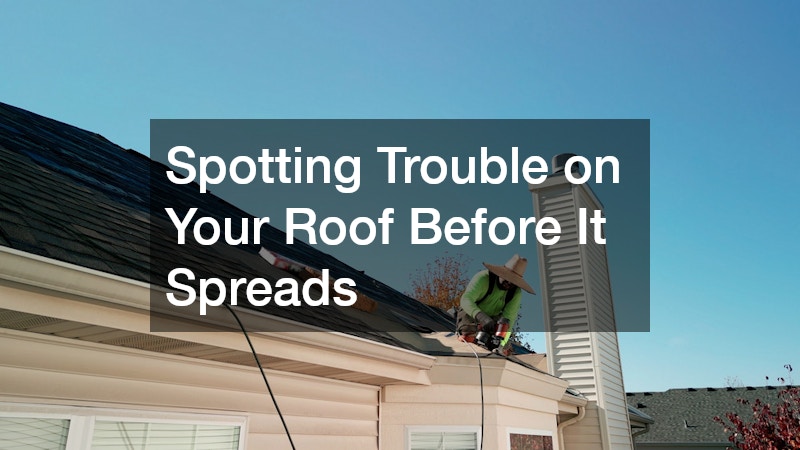
Your roof and gutters work together as your home’s first line of defense against water damage, yet they are the most overlooked part of a property until something leaks. A five-minute walk around your house looking up at the roofline can reveal sagging spots, missing shingles, or gutters pulling away from the fascia board. Left unaddressed, these small issues lead to rotted wood, foundation pooling, and interior water stains that cost thousands to repair.
If you notice granules collecting in downspouts or standing water after a light rain, it is worth calling roofing and gutter contractors for an inspection before the problem worsens. Many offer free assessments and can tell you whether you are looking at a simple cleaning or a more serious structural repair.
- Check for sagging gutter sections or visible rust spots
- Look for shingles that are curling, cracked, or missing granules
- Confirm downspouts direct water at least three feet from the foundation
- Clean gutters at least twice a year, more often near trees
Test Your Septic Tank and Drain Field Function
If your property relies on a septic system rather than municipal sewer, ignoring it is one of the fastest ways to turn a minor issue into a five-figure excavation project. Slow drains, gurgling pipes, or a soggy patch of lawn near the tank are early signs that something needs attention. Most septic systems need pumping every three to five years depending on household size and usage.
Scheduling routine septic service before symptoms appear is far cheaper than emergency intervention after a backup floods your basement or yard. A technician can also check baffles, filters, and the drain field for early signs of failure that are invisible from the surface.
- Watch for pooling water or unusually green grass over the drain field
- Avoid planting trees with aggressive root systems near the tank
- Keep a record of your last pumping date and system diagram
- Never flush wipes, grease, or chemicals that disrupt bacterial breakdown
Check Deck Boards and Railings for Structural Wear
A deck that looks fine from a distance can be hiding rot, loose fasteners, or corroded joist hangers underneath. Press on boards near the ground and around posts to feel for soft spots, and give railings a firm shake to test for wobble. These are the areas most likely to fail under weight, and they are also the cheapest to fix while the damage is still minor.
If you find significant rot or a structure that feels unstable, it is worth consulting a deck builder rather than patching it yourself, especially if the frame or ledger board attachment is compromised. A qualified builder can tell you whether resealing and board replacement will do the job or whether the whole structure needs rebuilding.
- Test railings and stair stringers for movement or looseness
- Look underneath for water pooling around support posts
- Reseal or stain wood decking every one to two years
- Check the ledger board connection to the house for gaps or rust
Confirm Your Backup Power Source Is Ready

Power outages are becoming more frequent with severe weather patterns, and losing electricity for even a few days can mean spoiled food, frozen pipes, and a sump pump that stops protecting your basement. A weekend check of your backup power setup is one of the simplest ways to avoid a much larger loss later. If you already own a generator, start it up and let it run for a few minutes to make sure it starts reliably.
For homeowners without a backup system, this is a good time to compare portable and standby generators and figure out what capacity your home actually needs. Sizing matters more than most people expect, since an underpowered unit will not run your essential appliances during an extended outage.
- Test-start your unit monthly, not just before storm season
- Check fuel or propane levels and replace stale gasoline
- Confirm your transfer switch is functioning properly
- Calculate wattage needs for essentials like refrigeration and heat
Walk Your Property Line and Assess Fencing Condition
Fences take a beating from weather, ground shifting, and general wear, and a damaged section left too long can lead to bigger problems like leaning posts or a total rebuild. Walk your property line and check for rot at the base of posts, loose boards, and gates that no longer close properly. Catching a single failing post early is far less expensive than replacing an entire section after it collapses.
If more than a few sections are compromised, get a quote from a fence contractor rather than continuing to patch individual boards. Many will repair isolated damage without requiring a full replacement, which can save significant money if you act before rot spreads further.
- Check post bases for soft, spongy wood or visible rot
- Test gate hinges and latches for proper alignment
- Look for leaning sections after heavy wind or rain
- Reseal wood fencing every two to three years to extend its life
Reassess Your Kitchen Layout for Everyday Efficiency

While much of this checklist focuses on the exterior, your kitchen is worth a critical look too, since an inefficient layout quietly costs you time and money through wasted energy and awkward workflow. Take note of cabinets that no longer close properly, counters with worn or damaged surfaces, and appliances placed in ways that make daily cooking harder than it needs to be. Small fixes now often prevent the need for a full kitchen remodeling project later.
If you are noticing warped shelving, water damage under the sink, or a layout that no longer fits how your household actually cooks, it may be time to plan updates in phases rather than waiting for a total overhaul. Addressing these issues incrementally is generally more budget-friendly than a rushed, all-at-once renovation.
- Check under-sink cabinets for moisture damage or mold
- Test drawer slides and hinges for wear
- Note counter space that limits meal prep efficiency
- Prioritize fixes that improve daily function over pure aesthetics
Evaluate Your Patio, Walkway, and Outdoor Living Surfaces
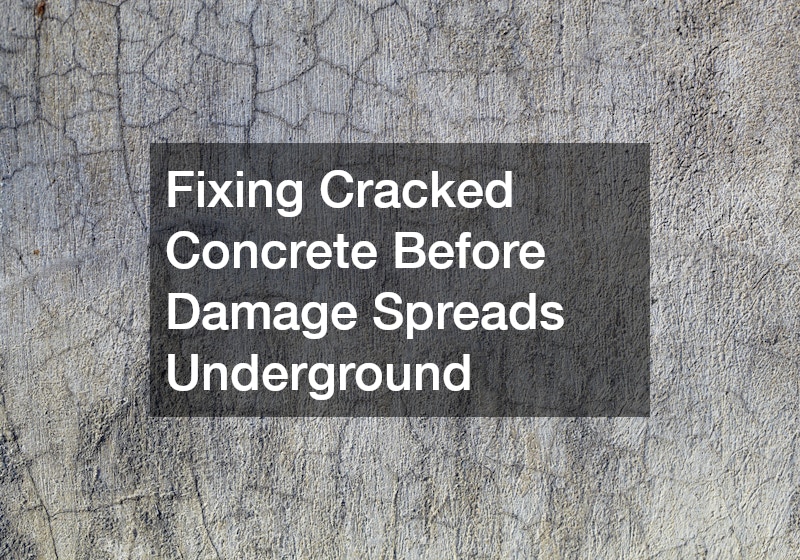
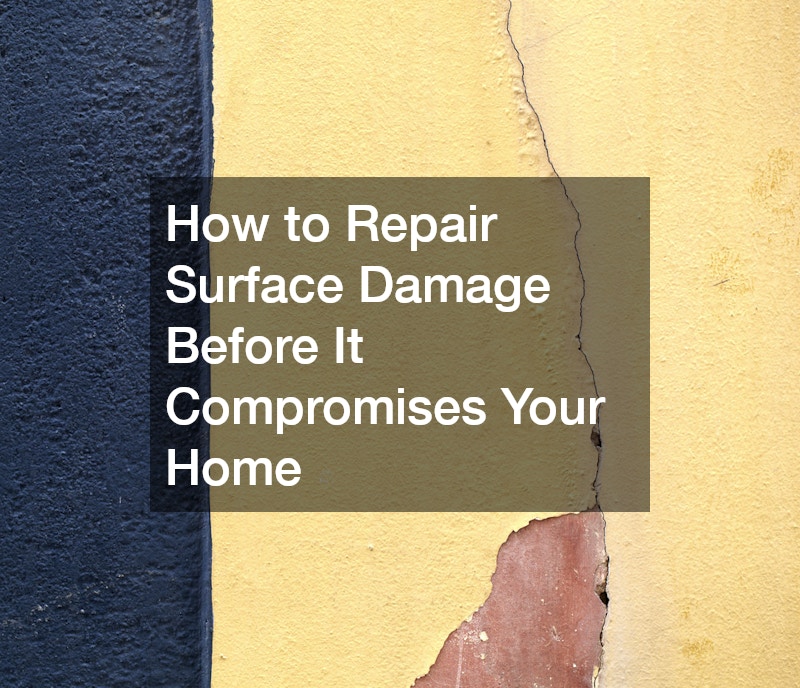
Cracked concrete, uneven pavers, and shifting stone walkways are not just cosmetic annoyances; they are tripping hazards that can also lead to water pooling near your foundation. A weekend walk around your patio and walkways can reveal settling or drainage issues before they turn into a safety liability or a costly repair. Bring a level, a flashlight, and a garden hose to test how water actually moves across these surfaces rather than relying on guesswork.
Look closely at the joints between pavers and any spots where concrete slabs meet each other. Gaps wider than a quarter inch, or slabs that have settled more than half an inch relative to their neighbors, usually signal soil erosion or poor compaction underneath. These are the spots most likely to catch a toe or twist an ankle, especially in low light.
Small cracks, generally anything under an eighth of an inch wide, are easy and inexpensive to patch with a concrete caulk or polymer-based filler, often for less than twenty dollars a tube. Ignoring them allows water infiltration to worsen the damage each freeze and thaw cycle, since water expands roughly nine percent when it freezes and can pry cracks wider with every winter. Left unchecked for a few seasons, a hairline crack can turn into a slab replacement costing several hundred to a few thousand dollars.
Grade matters just as much as the surface itself. Patios and walkways should slope away from your house at a minimum of two percent, or about a quarter inch per foot, to keep water moving toward the yard instead of toward your foundation. If you notice standing water an hour after a hose test, that is a strong sign the drainage needs correcting before it undermines the structure beneath your feet.
Start by walking your patio and walkways on a dry day, looking for cracks wider than a quarter-inch, pooling water, and pavers or slabs that rock underfoot. These are early signs of settling or drainage problems, and catching them now is far cheaper than waiting until the surface heaves or crumbles.
If your outdoor surfaces are showing significant wear, consulting a hardscaping professional can help you decide between a patch job and a full resurfacing. As a rough guide, isolated cracks or a few uneven pavers are usually a weekend patch, while widespread cracking, sinking sections, or surfaces older than 15-20 years often signal it’s time to discuss a full replacement.
Investing in proper grading and materials during a repair also reduces the odds of the same problem recurring within a few years. A hardscaping contractor can check that the surface slopes away from your home at the recommended quarter-inch per foot, that the base layer has adequate compacted gravel, and that joint sand or polymeric sand is refreshed to keep pavers locked in place. Skipping these steps to save a few hundred dollars now often means paying for the same repair again within two or three seasons.
- Check for pooling water on patios 30-60 minutes after rainfall — puddles deeper than a quarter-inch signal drainage problems that erode the base beneath your pavers
- Look for pavers that have shifted, sunk, or tilted unevenly, especially near downspouts or low spots where soil erosion is most active
- Fill hairline cracks early with concrete caulk or polymeric sand before winter freeze-thaw cycles widen them into costly structural repairs
- Ensure walkways and patios slope away from the home’s foundation at roughly 1/4 inch per foot to keep water from seeping into your basement or crawlspace
- Inspect joints between pavers for weed growth or washed-out sand, which weakens the interlock and accelerates shifting
- Test wood deck boards by pressing with your foot for soft spots or give, a sign of rot that can spread to joists if ignored
Upgrade Storage With Built-In Cabinetry Solutions

Garages, mudrooms, and outdoor sheds often become dumping grounds for tools and equipment simply because there is no organized place to put things. Poor storage does not just create clutter; it also accelerates wear on tools and equipment left exposed to moisture or temperature swings. A well-planned storage system protects your investment in lawn equipment, tools, and seasonal items.
Many homeowners find that custom cabinets built specifically for garage or shed dimensions make far better use of space than generic shelving units. While this is a smaller investment compared to major structural repairs, it pays off by protecting equipment that would otherwise need early replacement due to damage or exposure.
- Store power tools off the ground to avoid moisture damage
- Use labeled bins for seasonal or rarely used items
- Keep chemicals and fuel stored safely away from living spaces
- Measure your space carefully before ordering built-in storage
Check Attic Insulation Levels Before Peak Weather Seasons
Insulation is invisible once installed, which is exactly why it gets ignored until energy bills spike or ice dams form on the roof. Insufficient attic insulation is one of the most common reasons homes lose heating and cooling efficiency, forcing your HVAC system to work harder than it should. A quick check of insulation depth and coverage can reveal gaps that are costing you money every single month.
If you find thin or unevenly distributed insulation, contacting attic insulation companies for an assessment is a worthwhile step before summer or winter extremes hit. Many offer free estimates and can identify air leaks around vents, recessed lighting, and attic hatches that undermine even well-installed insulation.
- Look for insulation depth of at least 12 to 14 inches in most climates
- Check for gaps around vents, pipes, and attic access points
- Watch for ice dams forming on the roof edge in winter
- Address air leaks before adding more insulation on top
Keep Major Appliances Running Efficiently Year-Round
Appliances quietly account for a significant portion of home energy use, and small inefficiencies often go unnoticed until a unit fails completely. Check refrigerator seals, dryer vents, and dishwasher filters regularly, since buildup in these areas forces appliances to work harder and shortens their lifespan. Cleaning condenser coils and vents is a simple weekend task that extends the life of expensive equipment.
When something is not performing as it should, calling for appliance repair early often costs far less than waiting until the unit fails entirely and needs full replacement. A technician can also spot early warning signs, like unusual noises or inconsistent temperatures, that indicate a bigger issue is developing.
- Clean refrigerator coils every six months
- Check dryer vents for lint buildup that increases fire risk
- Test dishwasher drainage and filter cleanliness monthly
- Address strange noises or smells immediately rather than waiting
Conclusion
None of these weekend checks require specialized training, just consistency and a willingness to look closely at the systems you rely on every day. Small investments of time now, whether it is testing a generator or checking gutters, consistently prevent the kind of expensive emergency repairs that catch homeowners off guard. Start with one or two items from this list this weekend, and build the habit of seasonal inspections going forward. Your future self, and your bank account, will thank you for it.