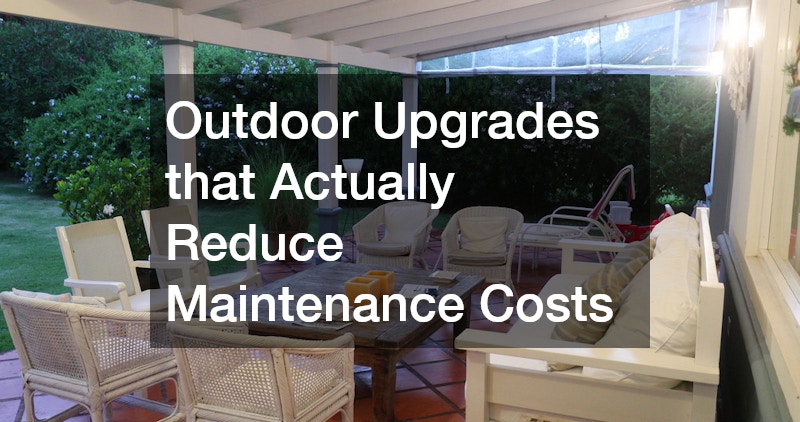
A neglected yard rarely stays a cosmetic issue for long. What starts as overgrown grass or a cracked walkway can quietly spread into your foundation, plumbing, and even your home’s resale value. Understanding the real long-term costs of yard neglect can help you catch small problems before they become five-figure repairs. This article breaks down exactly where those hidden costs show up and what you can do to avoid them.
Overgrown Landscaping and Structural Damage
When shrubs, trees, and root systems are left unchecked, they do more than make a yard look messy. Roots can grow into foundation cracks, sewer lines, and irrigation systems, causing damage that is expensive to trace and even more expensive to fix. Overhanging branches can also scrape roofing materials and clog gutters, accelerating wear on your home’s exterior.
Many homeowners wait until a tree is visibly leaning or a root has cracked a walkway before calling for help, but by then the damage is usually already done underground. Regular trimming and root management prevent slow, invisible destruction. Working with landscaping contractors on a seasonal schedule is often far cheaper than paying for emergency tree removal or foundation repair later.
- Tree roots can travel 20 to 30 feet from the trunk, often reaching pipes and foundations
- Overgrown shrubs near siding trap moisture and invite pests
- Untrimmed trees increase risk of storm damage to roofs and fences
- Neglected drainage areas can erode soil and undermine patios or walkways
Roof Damage From Falling Debris and Moisture
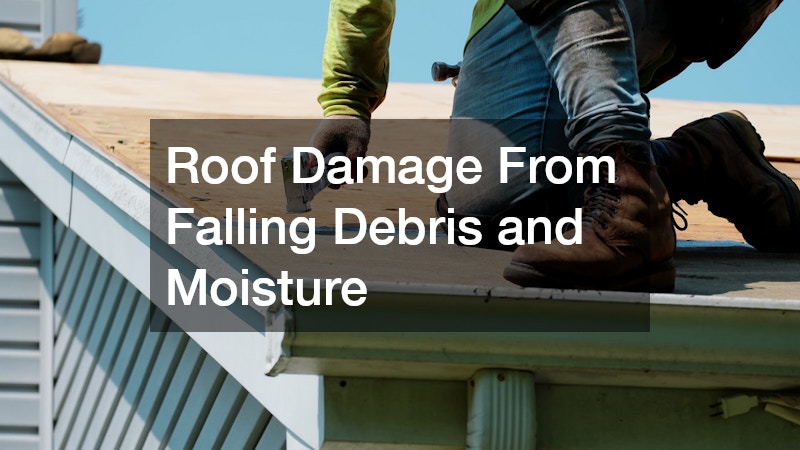
Leaves, branches, and standing water from a neglected yard often end up on your roof, where they trap moisture against shingles and flashing. Over time, this leads to rot, mold, and granule loss that shortens the lifespan of your roofing system significantly. What could have been a simple gutter cleaning turns into a full replacement if ignored long enough.
Roofing contractors frequently report that the most severe damage they see traces back to yard debris rather than the roofing material itself. A roof that could have lasted 25 years may only last 15 if leaves and moss are allowed to accumulate season after season. Keeping trees trimmed away from the roofline and clearing gutters twice a year protects one of the most expensive components of your home.
- Clogged gutters cause water to back up under shingles
- Moss and algae growth weakens roofing material over time
- Overhanging branches can puncture or lift shingles during storms
- Delayed roof repairs often cost three to five times more than early maintenance
Exterior Surfaces and the Buildup of Grime
Dirt, algae, and organic buildup on siding, driveways, and patios do not just look bad; they actively degrade the materials underneath. Mold and mildew can eat into wood, stucco, and concrete over time, leading to costly resurfacing or replacement. This is one of the most overlooked long-term costs of yard neglect because the damage happens gradually.
Many homeowners are surprised to learn that a professional power washing service can restore surfaces that looked permanently stained, saving thousands compared to full replacement. Skipping this maintenance for years, though, allows grime to penetrate deeper into porous materials, making eventual cleaning less effective and repairs more likely. A consistent cleaning schedule is one of the cheapest ways to protect your home’s exterior value.
- Algae buildup on driveways creates slip hazards
- Mildew on siding can void certain material warranties
- Neglected decks and fences rot faster when grime traps moisture
- Regular cleaning extends the life of paint and sealants
Drainage Problems and Utility Line Vulnerability
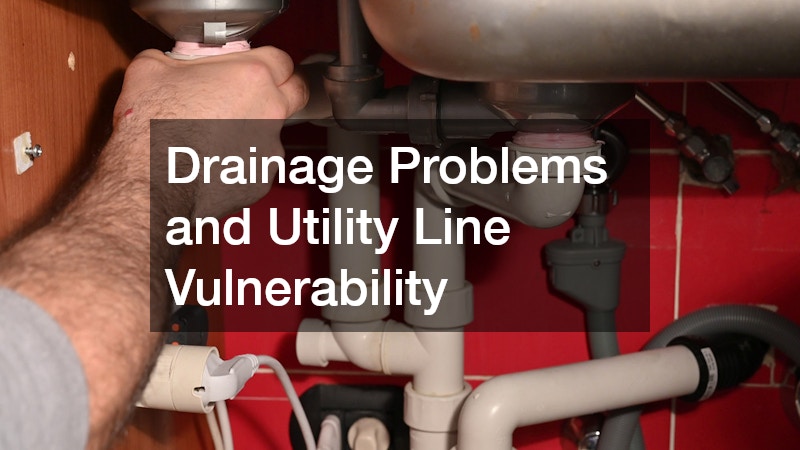
A neglected yard often develops poor grading, clogged drains, or standing water that redirects moisture toward your home’s foundation and utility areas. Ideally, the ground around your house should slope away from the foundation at a rate of about 6 inches over the first 10 feet. When that slope reverses or flattens due to years of erosion, mulch buildup, or overgrown landscaping, every rainstorm sends water pooling exactly where you don’t want it.
This is particularly damaging for exterior-adjacent systems, including outdoor or garage-based water heater units, which can corrode faster when exposed to consistent dampness. Moisture trapped against the metal casing accelerates rust, degrades insulation, and can shorten the unit’s lifespan by several years, turning what should be a 10-15 year investment into a costly early replacement.
Water pooling near utility lines also increases the risk of electrical hazards over time, especially where outdoor outlets, HVAC disconnects, or buried cables sit in low-lying areas. Persistent dampness can corrode wiring connections and trip breakers more frequently, sometimes masking a deeper problem until it becomes a safety issue.
Left unaddressed, these drainage failures compound quietly for years before showing up as a cracked foundation, a failed water heater, or an expensive electrical repair — costs that almost always exceed what it would have taken to regrade the yard or clear the drains in the first place.
Fixing drainage issues early, such as regrading slopes or installing French drains, is significantly cheaper than dealing with water damage to indoor systems later. Regrading typically costs a few hundred to a couple thousand dollars depending on yard size, while a French drain installation might run $1,000 to $4,000. Compare that to the cost of repairing a flooded HVAC unit, replacing a water heater, or remediating mold in a crawl space, and the math clearly favors early intervention.
Neglected drainage doesn’t just pool unpleasantly on the surface; it saturates the soil around your home’s foundation and utility lines over time. This constant moisture can corrode buried electrical conduits, rust gas line fittings, and accelerate the breakdown of pipe insulation. Freeze-thaw cycles make things worse in colder climates, as saturated ground expands and contracts, gradually shifting or cracking underground lines.
If you notice water consistently collecting near your home’s exterior utility connections, it is worth having the area assessed before it affects appliances that are costly to replace. Pay particular attention to spots near your AC condenser, gas meter, or electrical panel, since these units are especially vulnerable to corrosion and short circuits from prolonged moisture exposure. A simple visual check after heavy rain, looking for standing water, soft ground, or erosion patterns, can catch problems long before you’re facing a multi-thousand-dollar repair bill.
- Standing water near foundations increases hydrostatic pressure on walls, which over years can cause cracking, bowing, or basement leaks that cost thousands to repair
- Overgrown roots and clogged gutters worsen drainage by redirecting runoff straight toward the foundation instead of away from it
- Poor drainage shortens the lifespan of outdoor appliances and fixtures like AC condensers, irrigation systems, and wooden decks or fences
- Soil erosion from runoff can expose buried utility lines, including gas, electrical, and water lines, creating safety hazards and costly repair calls
- Exposed lines are also more vulnerable to accidental damage from lawn equipment, foot traffic, or freezing temperatures
- Regrading a yard is often cheaper than repairing water damage indoors, with regrading typically running a few hundred to a couple thousand dollars versus tens of thousands for foundation or basement repairs
- Simple fixes like extending downspouts, adding French drains, or regrading slopes away from the house can prevent most of these issues before they start
Outdoor Electrical and Security Systems
Yards that are neglected tend to hide problems with outdoor electrical components, including lighting, irrigation timers, and access control systems. Overgrown vegetation can wear down wiring insulation, and moisture buildup increases the risk of shorts or corrosion. These are not areas most homeowners inspect regularly, which means small issues can go unnoticed for years.
If your property has an automated entry system, a malfunctioning gate keypad installation is often one of the first signs that outdoor wiring has been affected by long-term exposure or pest damage. Rather than waiting for a full failure, it is worth having a licensed electrician check exposed wiring and connections during routine yard maintenance. Catching these issues early prevents both safety hazards and costly full-system replacements.
- Overgrown plants can wear through buried or low-voltage wiring
- Moisture intrusion is a leading cause of outdoor electrical failure
- Pest nesting near control boxes can trigger unexpected malfunctions
- Annual inspections catch small wiring issues before they become expensive
Solar Panel Efficiency and Yard Overgrowth
Homeowners with solar panels often forget that yard neglect can directly affect energy savings. Overgrown trees can shade panels for large parts of the day, reducing efficiency by a significant margin without the homeowner realizing why their energy bills crept up. Debris accumulation from nearby trees can also scratch or degrade panel surfaces over time.
When panels are shaded or dirty for extended periods, it can accelerate wear on the system’s components, sometimes requiring solar panel repair sooner than expected. Trimming back trees and keeping the surrounding yard clear is a simple way to protect an investment that is meant to pay for itself over decades. Ignoring this connection means paying twice, once in lost energy savings and again in repair costs.
- Partial shading can reduce panel output by 10 to 25 percent
- Falling debris can scratch protective coatings on panels
- Reduced efficiency often goes unnoticed until utility bills rise
- Regular trimming protects both panel performance and warranty terms
Curb Appeal and Long-Term Resale Value
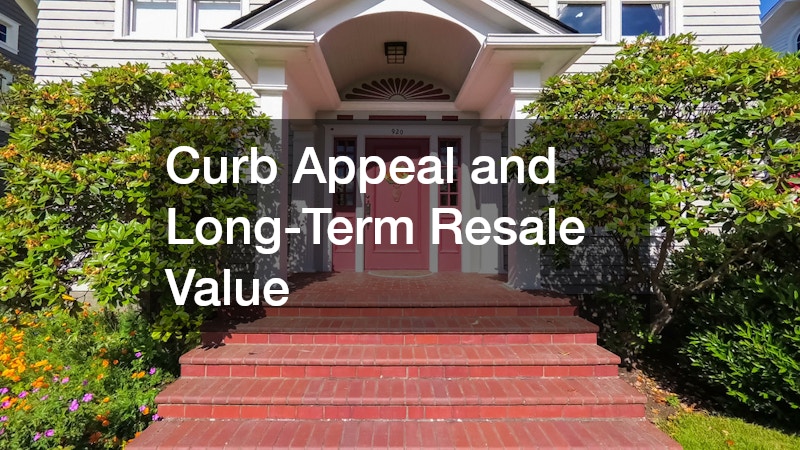
A neglected yard is often the first thing potential buyers notice, and first impressions have a measurable effect on sale price. Real estate professionals frequently note that poor curb appeal can reduce offers by several percentage points, even when the interior of the home is in excellent condition. Some studies on landscaping’s impact on home value suggest well-maintained yards can add anywhere from 5% to 12% to a sale price, while the inverse holds true for yards showing visible signs of neglect.
Buyers tend to assume that a neglected exterior signals neglected maintenance throughout the property. Overgrown shrubs, patchy or dead lawns, cracked walkways, and peeling exterior paint can all suggest to a prospective buyer that the roof, plumbing, or HVAC system may have received the same lack of attention, even if that isn’t actually the case.
This perception problem often shows up during the appraisal and inspection process as well. Appraisers are trained to factor exterior condition into comparable value assessments, and inspectors may flag drainage issues, dying trees close to the foundation, or overgrown root systems as potential red flags worth further investigation.
The financial impact compounds when a home lingers on the market. Properties with poor curb appeal typically take longer to sell, which means additional months of mortgage payments, property taxes, and utility costs for the seller — costs that a few weekends of yard cleanup could have helped avoid entirely.
First impressions happen at the curb, often before a buyer even steps out of the car. Interior updates such as new flooring from popular flooring stores or a fresh coat of paint can lose their impact if an overgrown lawn, cracked walkway, or patchy landscaping tells a different story. Appraisers and agents alike agree that curb appeal can influence perceived home value by 5 to 10 percent, which on a $350,000 home translates to $17,500 or more left on the table.
Coordinating exterior cleanup with any interior improvements ensures your investment is reflected in the final sale price rather than undercut by an unkempt lawn. This means scheduling mulching, trimming, edging, and pressure washing around the same timeline as interior staging, not as an afterthought once a listing photo shoot is already booked.
This is especially important in competitive markets where buyers have multiple similar homes to compare. When two houses are priced similarly and one has a neglected yard while the other looks move-in ready from the street, buyers will often gravitate toward the latter without ever comparing the interiors side by side.
- A well-maintained yard can increase perceived home value by 5 to 15 percent, according to various real estate appraisal studies
- Overgrown lawns and dead landscaping are common reasons for lower initial offers, since buyers assume neglect extends to the home’s interior systems too
- Buyers often factor in estimated cleanup costs when making offers, sometimes deducting two to three times the actual cost of the work
- Curb appeal issues can also lengthen time on market, and homes that sit longer often see further price reductions
- Simple upgrades like mulch and trimmed edges offer high return relative to cost, often 100 percent or more ROI at resale
- Other low-cost fixes, like fresh sod patches, pressure-washed walkways, and pruned shrubs, can meaningfully shift a buyer’s first impression
Metal Fixtures, Fencing, and Rust Damage
Metal gates, railings, and fixtures left exposed to yard moisture and neglected vegetation often rust faster than expected. Once rust sets in, it spreads quickly, weakening structural integrity and creating sharp or unstable edges that can be a safety hazard. This is especially common in yards where sprinklers or poor drainage keep metal components consistently damp.
Restoring heavily rusted fixtures sometimes requires professional refinishing, and in some cases a powder coating company can apply a durable protective layer that resists future corrosion far better than standard paint. Waiting until rust has eaten through metal, however, often means replacement rather than restoration. Addressing moisture exposure early protects both the appearance and lifespan of outdoor metalwork.
- Rust can spread to structural bolts and hinges within a few seasons
- Metal fixtures near sprinklers need more frequent inspection
- Protective coatings significantly extend the life of gates and railings
- Replacement costs are often three to four times higher than early refinishing
Indoor Storage and Organization Consequences
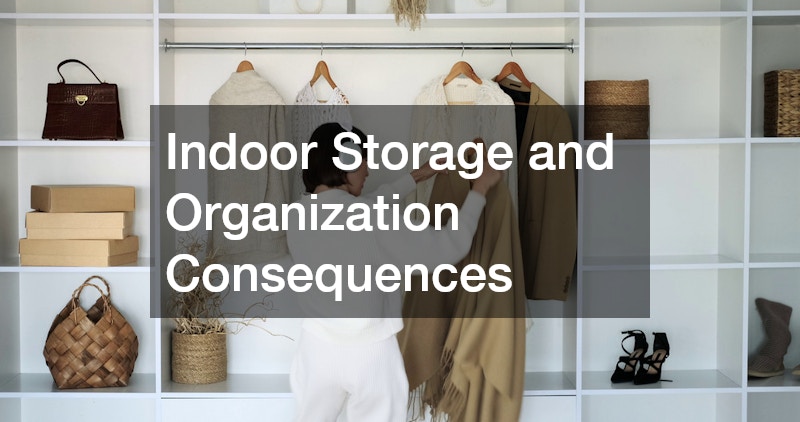
It may seem unrelated, but yard neglect often correlates with clutter spilling from garages and sheds into indoor storage spaces. When outdoor storage becomes unusable due to pests, moisture, or disrepair, homeowners frequently shift overflow items into closets and spare rooms. This creates a ripple effect that impacts organization throughout the home.
Investing in closet organization systems can help manage this overflow, but it only addresses the symptom rather than the root cause of lost outdoor storage space. Keeping sheds, garages, and yard storage areas maintained preserves the storage capacity homeowners rely on, reducing the need for costly indoor reorganization later. Addressing both spaces together tends to be more cost-effective than treating them separately.
- Damaged outdoor storage often forces items indoors, reducing usable space
- Pest issues in yards frequently migrate to garages and sheds
- Reorganizing indoor spaces is a common but incomplete fix
- Maintaining outdoor structures preserves long-term storage flexibility
Yard neglect rarely stays contained to the yard itself, and the costs tend to surface in places homeowners least expect, from roofing to resale value. The good news is that most of these problems are preventable with consistent, seasonal attention rather than expensive emergency repairs. Start by walking your property with a critical eye, noting drainage issues, overgrowth, and wear on outdoor fixtures. Addressing these small signs now is almost always cheaper than paying for the damage they cause later.