Your home is a complex web of interconnected systems that work together to keep you comfortable, safe, and dry all year round. When one piece falls out of sync, whether it is a heating system, a roof, or the plumbing beneath your feet, the effects ripple outward faster than most homeowners expect. Seasonal maintenance is not a luxury or an upsell; it is the difference between catching a small issue early and facing a costly emergency later. This article walks through the key systems that quietly decline without regular attention and what you can do to stay ahead of them.
Heating and Cooling Systems Wear Down Between Seasons
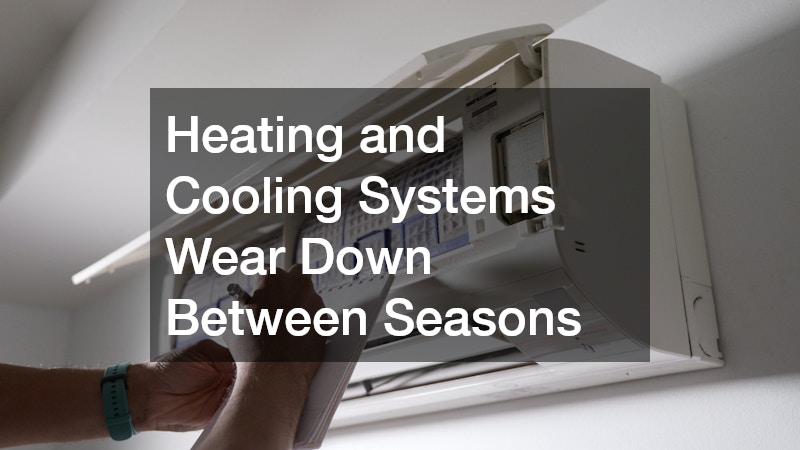
Your heating and cooling equipment works harder than almost anything else in your home, cycling on and off thousands of times a year to keep indoor temperatures steady. Each cycle puts stress on motors, belts, and electrical connections, and that wear adds up faster than most homeowners realize. Dust, worn belts, and refrigerant leaks build up gradually, so many people do not notice a problem until the system fails on the hottest or coldest day of the year. A furnace or air conditioner rarely breaks down without warning signs. Rising energy bills, strange rattling noises, uneven heating or cooling between rooms, and a system that runs longer than usual are all early indicators that components are struggling. Left unaddressed, these small issues force the unit to work overtime, which shortens its overall lifespan by years. Scheduling HVAC repair before the start of each major season allows a technician to catch small issues, like a failing capacitor, a clogged filter, or a thermostat sensor drifting out of calibration, before they turn into a full breakdown. A typical seasonal visit also includes checking refrigerant levels, tightening electrical connections, and lubricating moving parts, tasks that take an hour or two but prevent much larger repairs down the line. Waiting until the system stops working entirely almost always costs more than a routine tune-up would have. A blown capacitor might cost a fraction of what a compressor replacement runs, and emergency service calls during peak season often come with rush fees on top of the repair itself.
Beyond comfort, a neglected system also affects indoor air quality and your monthly utility bills. Dust, pet hair, and debris accumulate in clogged filters and dirty coils, then circulate through your home every time the system runs. Over time, this buildup can aggravate allergies and respiratory issues, especially for household members who are more sensitive to airborne particles. A unit that has to strain to reach the thermostat setting also uses significantly more energy, and that inefficiency shows up quickly on your statement. The Department of Energy estimates that dirty filters and neglected components can increase energy consumption by 5% to 15%, depending on how long the system has gone unserviced. On a typical monthly heating or cooling bill, that translates into an extra $20 to $50 that could have been avoided with routine upkeep. The strain doesn’t stop at your wallet, either. Systems working harder than necessary run hotter, cycle more frequently, and put additional stress on motors, compressors, and belts. That added wear shortens the lifespan of components that are often expensive to replace, turning a small maintenance oversight into a much larger repair bill down the road.
- Replace or clean air filters every one to three months, checking monthly during heavy-use seasons
- Have ductwork inspected for leaks that waste conditioned air and drive up utility bills
- Test the thermostat calibration at the start of each season, verifying it matches a separate room thermometer within two degrees
- Clear debris from outdoor condenser units, keeping at least two feet of clearance from plants and structures
- Vacuum indoor vents and registers to remove dust buildup that restricts airflow
- Schedule professional tune-ups each spring and fall to catch worn belts, refrigerant leaks, or failing capacitors early
Plumbing Lines Suffer From Seasonal Neglect
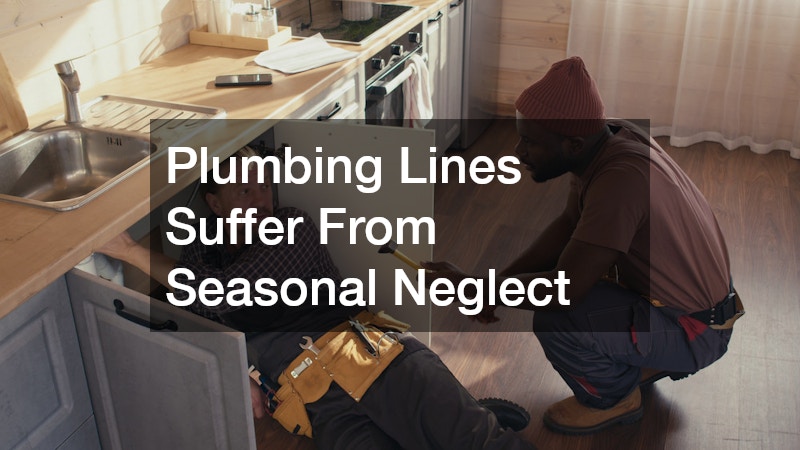
Plumbing problems rarely announce themselves loudly at first; they tend to start as a slow drain or a faint odor that homeowners put off addressing. Over time, grease, hair, and mineral buildup narrow the interior of pipes, and seasonal temperature swings can worsen existing cracks or joints. Routine drain cleaning removes this buildup before it causes a backup, protecting both your fixtures and the pipes that connect them. A slow drain today is often a warning sign of a much bigger clog forming further down the line.
Cold weather adds another layer of risk, since water left sitting in exposed pipes can freeze and expand, leading to cracks that are not discovered until the thaw. Checking exposed plumbing in basements, crawl spaces, and garages before winter arrives can prevent a burst pipe from turning into a flooded home.
Roof Coverings Need Regular Seasonal Inspection
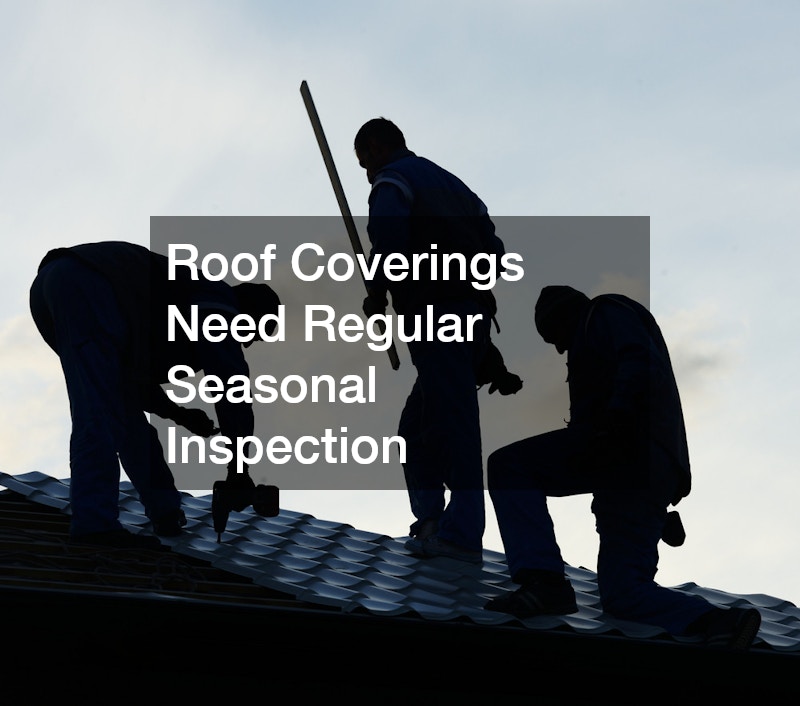
Your roof takes the brunt of every season, from summer heat that dries out shingles to winter ice that works its way under flawed flashing. Small issues like curling shingles, cracked seals, or loose granules are easy to miss from the ground but can lead to leaks that damage insulation and drywall. Bringing in roofers for a seasonal inspection helps identify these problems while they are still minor and inexpensive to fix. A roof that is properly maintained can last significantly longer than one that only gets attention after a leak appears.
- Look for missing, cracked, or curling shingles after major storms
- Check flashing around chimneys and vents for gaps
- Inspect the attic for signs of moisture or daylight coming through
- Schedule a professional inspection at least once a year
Severe Weather Events Accelerate Structural Damage
High winds, hail, and heavy rain can cause damage that is not always obvious right after a storm passes. Homeowners often assume that because nothing looks visibly broken, everything is fine, but storm damage can hide in places like the underlayment of a roof or the seams of exterior siding. A thorough inspection after any significant weather event can catch issues before they worsen with the next round of rain or wind. Insurance companies also typically require documentation soon after a storm, so timely inspections matter for more than just repairs.
It helps to walk the exterior of your property after major weather rather than waiting for a problem to surface indoors. Catching a small dent, crack, or displaced shingle early often means the difference between a simple patch and a full section replacement.
Gutters and Downspouts Require Consistent Upkeep
Gutters are one of the most overlooked parts of a home’s exterior, yet they play a critical role in directing water away from your foundation. When they clog with leaves, seeds, and debris, water spills over the sides and pools near the base of the house, which can lead to basement seepage or eroded landscaping. For homes with older or damaged systems, gutter installation is often a more practical long-term solution than continually patching failing sections. New gutters paired with proper slope and downspout placement can prevent years of water-related headaches.
- Clean gutters at least twice a year, more often near trees
- Check for sagging sections or separated joints
- Confirm downspouts direct water at least five feet from the foundation
- Consider gutter guards to reduce debris buildup
Exterior Siding Protects the Home From Moisture

Siding does more than shape your home’s curb appeal; it forms a barrier against wind-driven rain, humidity, and temperature swings. Cracked, warped, or loose panels allow moisture to seep behind the exterior wall, where it can quietly damage insulation and framing long before anyone notices from inside. Residential siding contractors often point out that small gaps and cracks are far easier and cheaper to repair than the water damage that follows if they are ignored. Keeping an eye on caulking, seams, and panel alignment each season helps you catch these issues early.
Different siding materials age differently depending on climate exposure, so it is worth knowing what to look for based on what your home is covered in, whether that is vinyl, fiber cement, or wood.
- Check for warping, cracking, or fading panels
- Inspect caulking around windows and doors for gaps
- Look for soft spots that may indicate moisture behind the surface
- Address small repairs before winter moisture sets in
Trees and Landscaping Affect Home Structural Safety
Mature trees add value and shade to a property, but overgrown branches and weak limbs pose a real risk to roofs, siding, and power lines, especially during storm season. Limbs that hang too close to the house can scrape shingles, trap moisture, and provide easy access for pests looking to get into the attic. When a tree shows signs of disease, leaning, or root damage near the foundation, professional tree removal is often the safest way to prevent it from causing damage during the next major storm. Regular trimming throughout the year also reduces the amount of debris that ends up clogging gutters and drains.
- Trim branches that hang within ten feet of the roofline
- Watch for signs of root damage near the foundation or driveway
- Remove dead or diseased trees before storm season
- Keep an eye on trees that lean more after heavy rain or wind
Outdoor Water Features Need Ongoing Attention
Backyard amenities like pools and spas bring a lot of enjoyment, but they also require consistent seasonal care to avoid costly repairs. Water chemistry, filtration systems, and structural components all shift with temperature changes, and neglecting them for even one season can lead to algae growth, cracked surfaces, or failing pumps. A pH level that drifts outside the 7.2 to 7.8 range, for instance, can corrode metal fittings and irritate skin, while unchecked calcium buildup can clog filters and strain circulation pumps within a matter of weeks. Experienced pool builders often recommend a full inspection before opening or closing a pool for the season to catch small issues, like hairline cracks or worn seals, before they become expensive to repair. This typically includes checking the heater, testing electrical connections, examining tile grout, and inspecting the pump and filter housing for wear. Catching a small crack in the spring, when it might cost a few hundred dollars to patch, can prevent a full resurfacing job that runs into the thousands by fall. Spas and hot tubs need similar attention, since their smaller water volume makes them even more sensitive to chemical imbalances and mineral scaling. Draining and refilling every three to four months, along with cleaning the filter cartridge monthly, helps prevent buildup that strains the heating element. Skipping this step tends to shorten the lifespan of the entire system, turning what should be a decade-plus investment into one that needs major repairs after just a few years.
Spas and hot tubs bring their own set of maintenance needs, particularly around insulation and heating components that work harder in colder months. A poorly insulated cabinet can force the heater to run almost continuously once temperatures drop, driving up energy costs and shortening the lifespan of the pump and heating element. Checking the cover for waterlogging or cracked seals each fall helps ensure it’s actually holding heat rather than letting it escape. Water chemistry also becomes trickier in colder weather, since low temperatures can affect how sanitizers dissolve and circulate. Testing pH and alkalinity levels weekly, rather than the biannual checks that might suffice in summer, prevents scaling and equipment corrosion before they become expensive repairs. For homeowners considering adding one to their property, proper hot tub installation with attention to electrical and drainage requirements makes a significant difference in how well the unit holds up over time and how much maintenance it eventually requires. A dedicated GFCI circuit sized correctly for the unit reduces the risk of electrical faults, while a well-planned drainage path keeps water away from the foundation and prevents ice buildup around the base in winter. Getting these details right at installation saves considerable time and expense down the road, since retrofitting electrical or drainage issues after the fact often means disassembling surrounding decking or hardscaping.
Indoor Air and Surface Quality Decline Without Care
Carpets and indoor air quality are closely connected, since fibers trap dust, allergens, and moisture that can affect everyone in the home, particularly those with allergies or respiratory issues. Over time, foot traffic and spills break down carpet fibers and padding, creating an environment where mold and bacteria can grow unnoticed. Bringing in a carpet cleaning company on a seasonal schedule helps remove trapped debris that regular vacuuming cannot reach, extending the life of the carpet and improving the air you breathe indoors. This is especially important in homes with pets, children, or anyone with sensitivities to dust and allergens.
- Schedule deep cleaning at least twice a year
- Vacuum high-traffic areas more frequently
- Address spills and stains promptly to prevent set-in damage
- Monitor for musty odors that may indicate hidden moisture
Every system in your home, from the roof over your head to the drains beneath your floors, depends on consistent seasonal attention to keep functioning the way it should. Skipping maintenance rarely saves money in the long run; it usually just delays a bigger expense down the road. The best approach is to build a seasonal checklist and address small issues as they appear rather than waiting for a full breakdown. Taking that proactive step now will protect both your comfort and your investment for years to come.