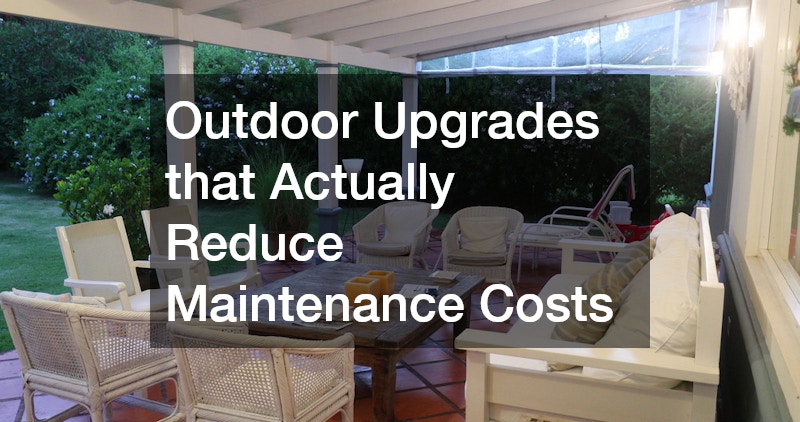
Every homeowner knows the frustration of pouring money into outdoor upkeep year after year, only to face the same problems again the following season. The good news is that many of the most common maintenance headaches can be solved permanently with the right upfront investment. Instead of patching, painting, and repairing on a repeating loop, strategic upgrades can shrink your long-term costs dramatically. This guide walks through the outdoor improvements that genuinely pay for themselves by cutting future maintenance, so you can prioritize the changes that matter most for your property.
Upgrading Your Roofing System for Long-Term Savings
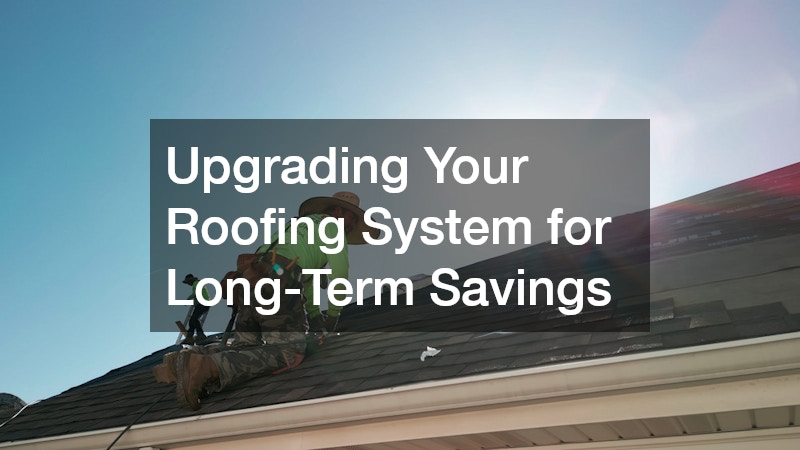
Few things drain a home maintenance budget faster than an aging roof that requires constant patchwork repairs. Missing shingles, worn flashing, and slow leaks tend to snowball into bigger problems like rotted decking or mold growth, which cost far more than the original fix would have. A single water intrusion event left unaddressed can turn a $300 repair into a $5,000 structural fix once framing and insulation are compromised. A full roof replacement using modern materials can eliminate this cycle for two to three decades, especially when paired with better ventilation and impact-resistant shingles. Architectural asphalt shingles, metal roofing, and synthetic slate all offer stronger warranties and better resistance to wind, hail, and UV degradation than older three-tab shingles. Metal roofing in particular can last 40 to 70 years with minimal upkeep, making it a strong option for homeowners planning to stay put long-term. Proper attic ventilation deserves just as much attention as the shingles themselves. Ridge vents and soffit vents work together to regulate temperature and moisture, preventing the kind of heat buildup that shortens shingle lifespan and drives up cooling costs in summer. Skipping this step is one of the most common reasons a otherwise-quality roof replacement fails to deliver its full expected lifespan. When budgeting for the upgrade, factor in the cost of underlayment and flashing quality, not just the visible shingles. Synthetic underlayment and properly sealed flashing around chimneys and vents prevent the slow leaks that cause the most expensive hidden damage. Spending a bit more upfront on these details typically pays for itself many times over in avoided repairs.
Homeowners who invest in higher-grade materials upfront often find that their insurance premiums drop and their energy bills shrink at the same time. Impact-resistant shingles, for example, can qualify homeowners for insurance discounts of 5-30% depending on the state and provider, since they’re less likely to suffer damage from hail or wind storms. This is because newer roofing systems reflect heat more effectively and seal out moisture far better than older generations of shingles. Cool roofing options, such as reflective metal panels or light-colored architectural shingles, can lower attic temperatures by up to 30 degrees, easing the load on air conditioning systems during summer months. Better moisture barriers and synthetic underlayment also prevent the slow water damage that leads to costly repairs like rotted decking or mold remediation. When budgeting for a roof upgrade, it’s worth comparing the lifespan of materials too: architectural shingles typically last 25-30 years, while metal or tile roofs can last 50 years or more with minimal upkeep, spreading the upfront cost over a much longer maintenance-free period.
- Choose architectural shingles (25-30 year lifespan) or metal roofing (40-70 years) over standard three-tab shingles, which typically wear out in 15-20 years
- Ask about warranties that cover both materials and labor, since material-only warranties leave you paying for installation if problems arise
- Look for manufacturer warranties of at least 25-30 years and confirm they’re transferable if you sell the home
- Improve attic ventilation with a balanced intake-and-exhaust system to reduce heat and moisture buildup that warps shingles and rots decking
- Add a radiant barrier or upgrade insulation alongside ventilation work to further cut attic temperatures and energy costs
- Schedule a professional inspection after major storms, and consider a routine annual checkup even without storm damage to catch small issues early
- Keep gutters clear and properly sloped, since clogged or sagging gutters cause water backup that accelerates roof deterioration
Handling Plumbing Issues Before They Become Emergencies
Outdoor plumbing, including hose bibs, irrigation lines, and exterior drainage, is often overlooked until a pipe bursts or a yard floods. A small drip left unaddressed can quietly erode soil, damage foundations, and inflate water bills for months before anyone notices. Bringing in a local plumber for a seasonal checkup can catch slow leaks and worn fittings before they turn into costly excavation projects.
Preventive plumbing maintenance is one of the cheapest ways to avoid five-figure repair bills down the road. Simple upgrades like frost-proof spigots and pressure regulators reduce strain on the entire system, which means fewer service calls over time.
- Insulate exposed outdoor pipes before winter
- Install shutoff valves for easy seasonal maintenance
- Replace old hose bibs with frost-proof versions
- Monitor your water bill for unexplained spikes
Choosing Water Features That Do Not Become a Burden
A backyard pond or water feature can be a stunning focal point, but poorly designed ones quickly become expensive, algae-choked liabilities. The difference between a low-maintenance pond and a constant chore usually comes down to design decisions made before installation. Working with experienced pond builders ensures proper filtration, circulation, and depth are built in from the start, rather than added as afterthoughts.
A well-engineered pond needs balanced ecosystems that largely maintain themselves once established. Skimping on filtration or liner quality to save money upfront almost always costs more in algae treatments, liner patches, and pump replacements later.
- Install a properly sized skimmer and biological filter
- Add aquatic plants to naturally balance nutrients
- Use underlayment and quality liners to prevent punctures
- Keep fish populations proportional to pond volume
Selecting Windows That Cut Down on Repainting and Repairs
Old wooden windows look charming, but they demand frequent scraping, painting, and reglazing to stay weathertight. Vinyl and fiberglass frames have largely eliminated this maintenance burden while still offering strong energy performance. Before committing to a replacement, it helps to get a detailed window estimate that compares material options side by side, since the cheapest upfront choice is not always the cheapest over a ten-year span.
Modern window coatings and multi-pane glass also reduce condensation issues that can lead to wood rot around frames and sills. Fewer moisture problems mean less repainting, less caulking, and fewer callbacks to fix swelling or sticking sashes.
- Compare vinyl, fiberglass, and composite frame options
- Ask about low-E coatings for energy efficiency
- Check warranty coverage for seals and hardware
- Factor in installation quality, not just material cost
Installing Shade Solutions That Protect Furniture and Flooring
Sun exposure is one of the most underestimated causes of outdoor wear, fading deck stain, cracking vinyl siding, and bleaching patio furniture within a few short years. Exterior sun shades installed over windows, patios, or pergolas block a significant amount of solar heat before it ever reaches your home. This reduces fading, protects flooring from UV damage, and can even ease the load on your air conditioning system during peak summer months.
Retractable versions offer flexibility since they can be pulled back during cooler months to let in natural light. Because they intercept sunlight before it hits glass or fabric, sun shades also reduce how often you need to refinish decks or replace sun-damaged cushions.
- Choose retractable shades for seasonal flexibility
- Look for UV-blocking fabric rated for outdoor use
- Position shades to cover south and west-facing exposures
- Pair with ventilated pergolas for extra cooling
Building Structures With Materials That Resist Rot and Warping
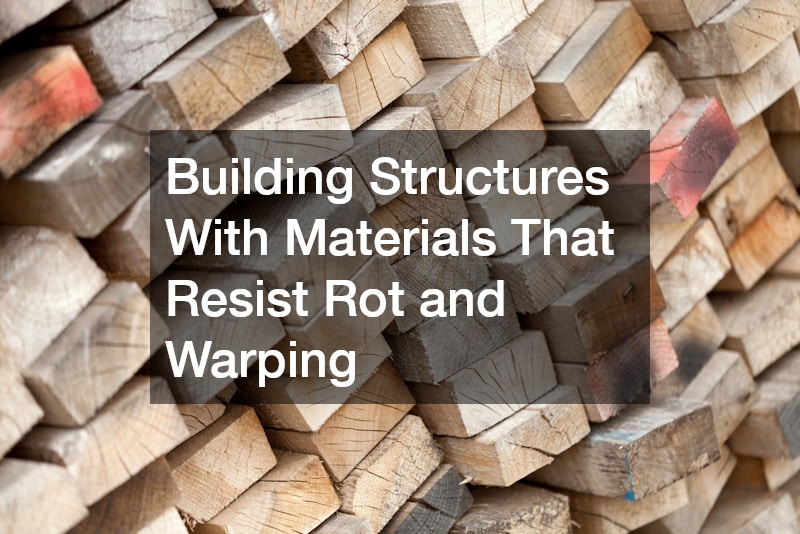
Backyard structures like decks, fences, and pergolas are only as low-maintenance as the materials used to build them. Standard pressure-treated lumber is affordable but still requires regular sealing and staining to prevent cracking and moisture damage. Choosing composite or naturally rot-resistant wood species upfront can cut annual upkeep dramatically, even though the initial material cost runs higher.
If you do go with traditional lumber, proper sealing schedules and elevated framing techniques extend its life significantly. Keeping wood off direct ground contact and ensuring good airflow underneath a structure prevents the moisture buildup that leads to premature rot.
- Consider composite decking for near-zero maintenance
- Choose cedar or redwood for natural rot resistance
- Seal any wood surfaces every one to two years
- Elevate structures to improve airflow and drainage
Adding Railings That Withstand Weather Without Constant Upkeep
Railings around decks, balconies, and staircases take a beating from rain, temperature swings, and constant handling. Wood and untreated metal railings often need repainting or rust treatment every couple of years, which adds up in both time and cost. Many railing companies now offer aluminum, cable, or composite systems specifically engineered to resist corrosion and fading without regular refinishing.
Beyond durability, these modern railing systems also tend to require less structural maintenance since they resist the warping and loosening that plagues wood over time. Investing in a quality railing system once often means avoiding a full replacement for twenty years or more.
- Choose powder-coated aluminum for corrosion resistance
- Consider cable railings for a low-maintenance modern look
- Avoid untreated steel, which rusts quickly outdoors
- Check local codes for height and spacing requirements
Preserving Stone and Landscape Features for the Long Term
Garden statues, fountains, and stone memorials add character to outdoor spaces, but they are vulnerable to cracking, staining, and erosion from years of weather exposure. Freeze-thaw cycles are often the biggest culprit: water seeps into tiny surface pores, expands when temperatures drop, and gradually widens hairline cracks into structural damage. Moss, lichen, and mineral deposits from sprinklers can also eat away at porous materials like limestone or sandstone if left untreated for years. Rather than replacing damaged pieces entirely, many homeowners find that statue restoration extends the life of a beloved feature at a fraction of the replacement cost. A professional restoration typically runs a few hundred dollars, compared to the thousands often required to commission or source a comparable replacement, especially for antique or custom pieces that can’t simply be bought off a shelf. Restoration also preserves sentimental or historical value that a new piece could never replicate. Proper cleaning, sealing, and crack repair can protect stone and concrete pieces for decades longer than neglect would allow. A breathable penetrating sealer, reapplied every two to three years, keeps moisture from soaking in while still letting the stone release trapped humidity. For cracks, epoxy or lime-based fillers matched to the original material prevent further water intrusion and blend in far better than generic patching compounds. Beyond the statue itself, its base and surrounding drainage matter just as much. Setting pieces on gravel or a sloped mortar base keeps standing water from pooling at the point of contact, which is often where erosion starts. A little attention to placement now can save homeowners from far more extensive restoration work later.
The same preservation logic applies beyond backyard hardscaping. For families dealing with cemetery markers or memorial stones, monument companies offer similar restoration services that clean, re-level, and reseal aging stonework. These services typically include biological growth removal, foundation repair for markers that have sunk or shifted, and specialized sealants formulated for granite, marble, or bronze plaques. Costs for this kind of professional care usually run far lower than replacement, often a few hundred dollars versus the thousands required to fabricate and install a new monument. Many monument companies also offer maintenance plans that schedule cleaning every two to three years, which keeps engravings legible and prevents moisture from working into hairline cracks. Addressing small cracks and discoloration early prevents the kind of structural damage that eventually requires full replacement. Left untreated, freeze-thaw cycles can widen minor fractures into major structural failures within just a few winters. The same principle holds true for retaining walls, garden statuary, and paver patios: a small investment in resealing and repointing now avoids a far costlier rebuild later.
- Clean stone surfaces with pH-neutral solutions only — acidic or alkaline cleaners can etch marble, limestone, and travertine, leaving permanent dull spots
- Reseal porous stone (flagstone, sandstone, natural pavers) every 2-3 years to prevent staining and water absorption
- Address hairline cracks before winter freeze cycles, since trapped moisture expands when frozen and turns small fissures into major fractures
- Check mortar joints in retaining walls and stone steps annually, as crumbling mortar accelerates structural shifting
- Ask about protective coatings for outdoor statuary, fountains, and metal accents to guard against UV fading and mineral deposits
- Keep sprinklers and downspouts aimed away from stone features to reduce mineral buildup and efflorescence over time
Maintaining Waterfront Structures to Avoid Costly Rebuilds
Homes on lakes, rivers, or coastlines face a unique maintenance challenge since docks are constantly exposed to water, ice, and fluctuating conditions. A neglected dock can deteriorate quickly, with loose boards and corroded hardware turning into safety hazards as well as expensive rebuilds. Hiring a reputable dock company for periodic inspections helps catch decking issues, hardware corrosion, and post erosion before they require a full structural overhaul.
Materials matter enormously here too, since aluminum frames and composite decking hold up far better against constant moisture than traditional wood. Regular hardware checks and timely board replacement can add many years to a dock’s usable life without a major capital outlay.
- Inspect posts and pilings annually for erosion or rot
- Replace corroded hardware before it fails completely
- Choose composite decking boards for wet environments
- Schedule ice-season prep in colder climates
Reducing outdoor maintenance costs is less about avoiding spending and more about spending wisely on upgrades that hold up over time. Whether it is a new roof, a redesigned pond, or sturdier railings, the common thread is choosing durable materials and proper installation over repeated quick fixes. Start by identifying the one or two problem areas costing you the most time and money each year, then tackle those first. Small, targeted investments now can save you thousands in avoided repairs over the coming decade.