Every part of your home has a shelf life, but few homeowners know exactly when they should start budgeting for a replacement instead of another repair. Waiting for something to fail completely almost always costs more than planning ahead, whether it is a water heater in the basement or shingles on the roof.
This guide walks through the most important systems in your home, room by room, so you can spot warning signs early and make smarter decisions about maintenance versus replacement. Understanding these timelines can save you thousands of dollars and a lot of stress over the years you own your home.
Kitchen Appliances and Cabinetry Timelines
The kitchen is one of the hardest-working rooms in the house, and its components wear out on very different schedules. Refrigerators typically last 10 to 15 years, dishwashers around 9 to 12 years, and gas ranges can run for 15 years or more with basic upkeep. Cabinetry tends to outlast appliances by a wide margin, but that does not mean it lasts forever. Hinges sag, laminate peels, and water damage under the sink can rot particleboard boxes long before the doors show visible wear.
When homeowners start planning a kitchen remodel, many find that replacing kitchen cabinets is more cost-effective than repairing decades-old boxes with worn-out joinery. Solid wood cabinets can often be refaced or repainted to extend their life another 10 to 15 years, while pressed wood versions usually need full replacement once moisture gets in. Pulling out a drawer and checking the internal frame for swelling or delamination is a quick way to judge how much life is left.
- Refrigerators: 10 to 15 years, less if the compressor runs constantly in a hot garage setup
- Dishwashers: 9 to 12 years, shorter with hard water buildup
- Gas ranges: 15 to 20 years with regular igniter cleaning
- Cabinet boxes: 20 to 50 years depending on material quality
- Cabinet hardware and hinges: 10 to 15 years before adjustment or replacement is needed
Bathroom Plumbing and Fixture Life Expectancy
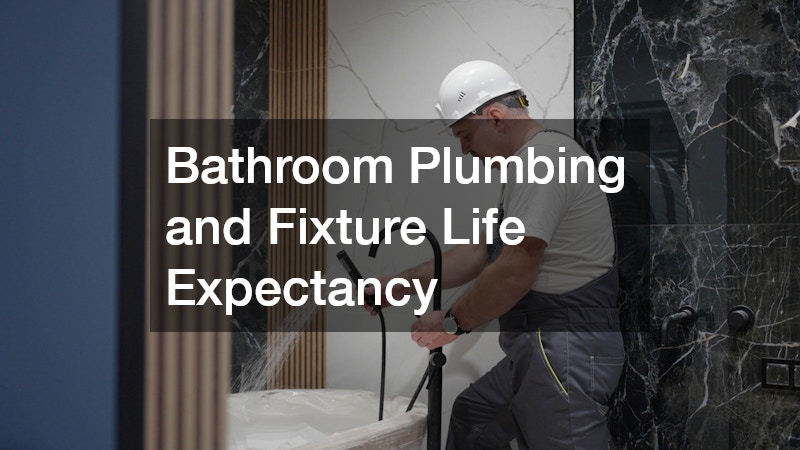
Bathrooms combine constant moisture with daily mechanical use, which shortens the lifespan of almost everything inside them. Toilets can last 25 years or more since they have few moving parts, but the internal flapper and fill valve often need replacing every 5 years. Faucets typically last 15 to 20 years, though cheaper finishes show pitting and corrosion much sooner. Shower valves and cartridges are usually good for 10 to 15 years before they start dripping no matter how tightly you turn the handle.
Hidden plumbing behind the walls is harder to judge by age alone, which is why persistent low water pressure or a slow leak under the vanity is worth a professional look rather than a guess. Many homeowners only call plumbers once they notice water stains on the ceiling below, but a routine inspection every few years can catch corroded supply lines before they fail. Galvanized steel pipes common in older homes rarely last past 50 years, while modern PEX and copper systems can last 40 to 70 years with proper water pressure.
- Toilets: 25 plus years for the bowl, 5 years for internal components
- Faucets: 15 to 20 years depending on finish quality
- Shower valves: 10 to 15 years before cartridge replacement
- Supply lines: 20 to 50 years depending on material
- Wax rings and seals: 10 to 20 years, sooner if the toilet ever rocks
Living Room Windows and Comfort Features
Windows in the main living areas take a beating from sun exposure, temperature swings, and years of opening and closing. Vinyl windows generally last 20 to 25 years, wood frames can last 30 years or more with regular painting, and the seals between double-pane glass tend to fail around the 15 to 20 year mark. Once you notice fogging between panes or drafts around the frame even with the window closed, that is a sign the seal has broken down.
Not every window problem requires full replacement right away. Simple window repair, such as replacing weatherstripping, re-caulking the exterior trim, or swapping a broken sash lock, can add several more years of service to an otherwise sound frame. Homeowners should weigh the cost of repeated small fixes against a full replacement, especially if energy bills keep climbing despite other efficiency upgrades.
- Vinyl frames: 20 to 25 years average lifespan
- Wood frames: 30-plus years with maintenance
- Double-pane seals: 15 to 20 years before fogging appears
- Weatherstripping: 5 to 10 years before it compresses and stops sealing
- Hardware like locks and cranks: 10 to 15 years of regular use
Basement Waterproofing and Foundation Systems
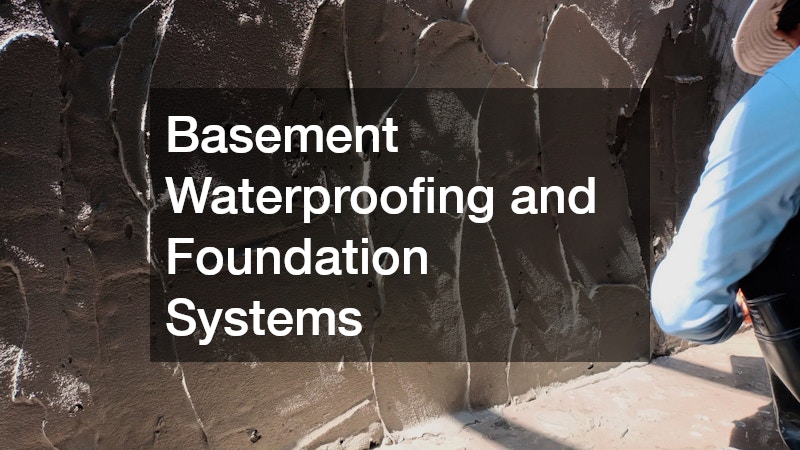
Basements are unforgiving spaces because small issues underground can quietly grow into major structural problems. Sump pumps typically last 7 to 10 years, and their check valves often fail sooner, leading to water cycling back into the pit. French drains and exterior waterproofing membranes are built to last 20 to 30 years, but only if the surrounding soil grading has not shifted the water flow toward the house.
If you notice a musty smell, efflorescence on the walls, or peeling paint near the floor line, it is worth having a basement waterproofing company evaluate the space before mold takes hold. Many foundation cracks are cosmetic and stable, but hydrostatic pressure from poor drainage can widen them over time. Catching this early is almost always cheaper than repairing a fully flooded basement or replacing damaged framing later.
- Sump pumps: 7 to 10 years; batteries in backup units every 3 to 5 years
- Interior drainage systems: 20 to 30 years
- Foundation sealant coatings: 10 to 15 years before reapplication
- Window well covers: 10 to 20 years depending on material
- Exterior grading: should be checked annually regardless of age
Roofing Materials and Attic Ventilation
The roof is one of the most expensive systems to replace, so knowing its expected lifespan helps you budget years in advance. Asphalt shingles generally last 20 to 25 years, architectural shingles can stretch to 30 years, and metal roofing often lasts 40 to 70 years depending on the coating. Attic ventilation plays a bigger role in roof longevity than most homeowners realize, since trapped heat and moisture can cook shingles from underneath and shorten their lifespan by years.
Granule loss in the gutters, curling shingle edges, and daylight visible through the attic boards are all signs that a roof replacement should be scheduled sooner rather than later. Insurance companies often flag roofs over 20 years old during inspections, which can affect coverage even if the roof looks fine from the ground. A professional inspection every few years, especially after major storms, is the best way to catch damage before it becomes a leak inside the living space.
- Asphalt shingles: 20 to 25 years
- Architectural shingles: 25 to 30 years
- Metal roofing: 40 to 70 years
- Flashing around chimneys and vents: 10 to 20 years before resealing is needed
- Attic insulation: 15 to 20 years before it compresses and loses effectiveness
Central Air Conditioning and Furnace Longevity
HVAC equipment tends to fail at the worst possible moment, usually during the first heat wave or cold snap of the season. Central air conditioners typically last 12 to 15 years, furnaces last 15 to 20 years, and heat pumps fall somewhere in between depending on how often they run in a moderate climate. Annual maintenance, including coil cleaning and refrigerant checks, can add several years to the equipment’s functional life.
Scheduling AC repair at the first sign of weak airflow or strange noises is almost always cheaper than waiting for a full breakdown in July. Compressor failures late in a unit’s life often cost close to the price of replacement, which is why many technicians will walk homeowners through a repair-versus-replace comparison once a unit passes the 10-year mark. Thermostats and ductwork also have their own lifespans, with ducts lasting 15 to 25 years before leaks at the seams start driving up energy bills.
- Central air conditioners: 12 to 15 years
- Furnaces: 15 to 20 years
- Heat pumps: 10 to 15 years
- Ductwork: 15 to 25 years before sealing or replacement
- Thermostats: 10 years, sooner for smart models as software support ends
Outdoor Living Spaces and Hardscaping Durability

The exterior of a home ages differently than the interior because it faces direct weather exposure year-round. Concrete patios and walkways typically last 25 to 30 years, but the surface can crack much sooner if the base was not properly compacted during installation. Pavers tend to hold up a bit longer since individual pieces can be lifted and reset rather than replacing an entire slab.
Homeowners planning a backyard upgrade often bring in paving contractors to assess whether an existing driveway or walkway can be resurfaced or needs a full tear-out. For families with a pool, hiring a pool patio contractor to inspect the decking every few years is worth it, since chlorine exposure and constant wet-dry cycles accelerate wear on concrete and pavers alike compared to other parts of the yard. Sealing these surfaces every 2 to 3 years significantly extends their working life.
- Poured concrete patios: 25 to 30 years
- Paver systems: 25 to 50 years with periodic releveling
- Pool decking: 15 to 20 years before major resurfacing
- Sealant coatings: reapply every 2 to 3 years
- Retaining walls: 25 to 50 years depending on material and drainage
Yard Trees and Landscaping Safety Checks
Mature trees add real value to a property, but they also carry risk as they age past their structurally sound years. Fast-growing species like silver maple or willow often become hazardous after 30 to 40 years, while oaks and other slow-growing hardwoods can remain healthy and stable for a century or more with proper care. Root systems can also affect underground pipes and foundation slabs long before any problem is visible above ground.
A leaning trunk, exposed roots, or large dead branches overhanging the roofline are all reasons to call tree removal services before the next major storm rather than after a limb comes down on the house. Regular pruning every 3 to 5 years reduces deadweight and helps arborists spot internal decay early. Removing a tree proactively is almost always less expensive than emergency removal after storm damage, especially when it involves a roof or power line.
- Fast-growing trees: often hazardous after 30 to 40 years
- Hardwoods like oak: can remain stable for 80 to 100 plus years
- Pruning cycle: every 3 to 5 years for mature trees
- Root inspections: recommended near foundations and sewer lines every 5 years
- Storm damage checks: after any wind event over 50 mph
Planning Ahead for a New Home Build or Major Remodel
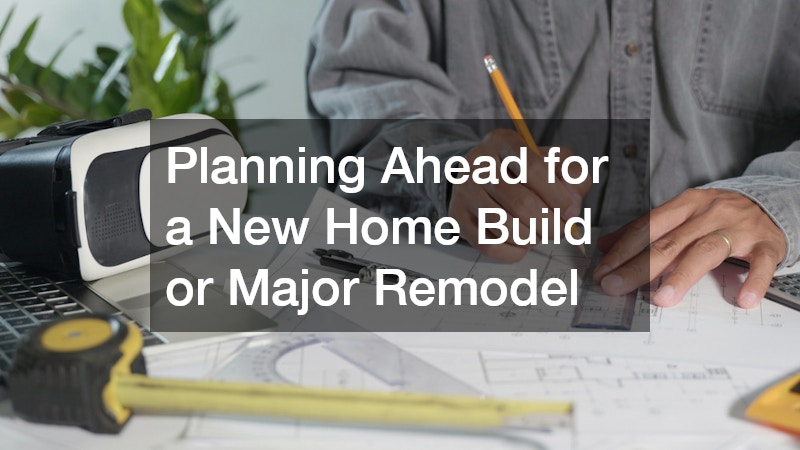
If you are weighing a major renovation against starting over, it helps to understand how system lifespans factor into that decision. A house with original 1980s plumbing, an aging roof, and outdated electrical panels all reaching end-of-life around the same time often makes new home construction more financially sensible than a patchwork of repairs spread across several years. Builders today also use materials with longer rated lifespans across the board, from PEX plumbing to architectural shingles, which can mean fewer major replacements in the first two decades.
Even in a newly built home, it pays to keep a simple maintenance calendar from day one rather than waiting for problems to surface. Tracking installation dates for the water heater, HVAC system, and roof gives you a real timeline instead of guessing based on the age of the house. This kind of record also makes future resale conversations much easier, since buyers and inspectors both want documented maintenance history.
- Compare total repair costs over 5 years against the cost of one major system replacement
- Ask builders for expected lifespans on major materials before signing a contract
- Keep receipts and installation dates for every major system
- Reassess insurance coverage after any major renovation or new build
- Budget 1 to 2 percent of home value annually for ongoing maintenance
Conclusion
Knowing the rough lifespan of each system in your home turns unpredictable, expensive emergencies into planned expenses you can budget for over time. Start by walking through your own home room by room, noting the approximate age of major systems and appliances, and flag anything approaching the upper end of its expected lifespan. A little proactive attention now, whether that means a small repair or a bigger replacement project, will save you money and stress down the road.