A soggy lawn after every rainstorm might seem like a minor nuisance, but standing water rarely stays put. Poor drainage can quietly erode foundations, kill landscaping, and create breeding grounds for mosquitoes and mold long before you notice the visible signs. Understanding how water moves through your property is the first step toward stopping small puddles from turning into expensive structural repairs. This guide walks through the most common drainage failure points around a home and what they mean for your yard’s long-term health.
Soil Grading and Slope Problems Around Your Foundation
The grading of your yard determines whether water flows away from your home or pools against the foundation. Builders typically establish a slope of about six inches of drop for every ten feet moving away from the house, but that grade isn’t permanent. Over time, soil settles, mulch beds shift, and what was once a gentle slope away from the house can flatten out or even reverse direction, especially in yards with loose fill dirt or heavy foot traffic. Landscaping changes are a common culprit too. Adding garden beds, raised planters, or decorative stone borders right against the foundation can accidentally create small dams that trap water instead of letting it drain. Even something as simple as piling mulch too high against your siding can redirect runoff back toward the house rather than away from it. When grading fails, water seeps into basements, crawl spaces, and foundation cracks. Signs of trouble include damp musty odors indoors, visible pooling that lingers more than a few hours after rain, or soil that looks noticeably lower near the foundation than elsewhere in the yard. Left unaddressed, this moisture intrusion leads to structural damage — cracked slabs, heaving floors, mold growth — that is far more expensive to fix than simply regrading the soil.
A simple way to check your grading is to walk the perimeter of your house after a heavy rain and look for standing water within six feet of the foundation. If you spot puddles that linger for more than a few hours, the ground likely needs to be reshaped or built up with additional soil. The industry standard calls for a slope of at least 6 inches of drop over the first 10 feet away from the foundation, roughly a 5% grade. If your yard is flatter than that, or if it slopes toward the house instead of away from it, water will keep finding its way back to your walls no matter how good your gutters are. Pay close attention to areas near patios, driveways, and walkways, since these hard surfaces don’t absorb water and can funnel runoff straight toward your foundation if they weren’t sloped correctly during installation. Mulch beds pushed up too high against siding are another common culprit, as they can trap moisture against the house even when the surrounding soil grade is fine. Fixing minor grading issues is often a manageable DIY project involving compactable fill soil, not loose topsoil, which settles unevenly and can reopen the same problem within a season. For larger regrading jobs, or situations where the slope issue is tied to a neighboring property’s runoff, it’s worth consulting a landscaping or drainage professional before you start moving dirt.
- Aim for a slope of at least six inches of drop over the first ten feet from the foundation, roughly a 5% grade, and use a level or string line to check it yourself
- Watch for cracked patios or walkways, especially cracks that widen over a season, which often signal soil movement or settling underneath
- Check for gaps forming between soil and your foundation wall, a common early sign that grading has shifted away from the house
- Reseed or re-sod bare patches quickly, since exposed soil erodes faster and creates channels that redirect water toward your foundation
- In shady or high-traffic areas where grass won’t hold, consider mulch beds or ground cover to stabilize soil instead
- Consider a professional grading assessment if water consistently pools near window wells, stays for more than 24 hours after rain, or keeps returning despite regrading
Downspout and Gutter Discharge Issues
Gutters and downspouts are designed to carry roof runoff away from your home, but many systems dump water just a foot or two from the foundation. This concentrated discharge point can saturate soil quickly, creating the exact pooling problem homeowners are trying to avoid. Extending downspouts with rigid or flexible piping to release water at least five to ten feet from the house dramatically reduces this risk.
Clogged gutters compound the problem by causing water to overflow the sides rather than funnel through the downspout at all. This uncontrolled overflow often lands directly on flower beds or walkways, accelerating erosion and creating slippery, hazardous surfaces during winter months.
- Clean gutters at least twice a year, more often if you have overhanging trees
- Install splash blocks or underground drain extensions at downspout exits
- Check for sagging gutter sections that indicate improper pitch
- Look for water stains on siding, which suggest overflow rather than proper drainage
French Drains and Underground Water Diversion
When surface grading alone cannot handle the volume of water on a property, underground drainage becomes necessary. A French drain uses a perforated pipe surrounded by gravel to intercept groundwater and redirect it away from problem areas before it ever reaches the surface. These systems work especially well in yards with heavy clay soil that holds water rather than absorbing it.
Installing a French drain is more involved than surface fixes, often requiring trenching equipment and careful calculation of slope and outlet points. Getting the depth and gravel composition wrong can cause the pipe to clog with sediment within a few years, so this is one area where doing some research before digging pays off.
- French drains work best when the outlet is a storm drain, dry well, or naturally lower area of the yard
- Wrap perforated pipe in filter fabric to reduce sediment buildup over time
- Combine with a catch basin near the source of standing water for better results
- Expect a properly installed system to last fifteen to twenty years with minimal maintenance
Sprinkler Systems and Buried Water Line Leaks
Irrigation systems that run efficiently can actually help manage water distribution, but a leaking or poorly programmed system often becomes a hidden source of yard flooding. Broken sprinkler heads, cracked supply lines, and overlapping zones can saturate soil in specific areas while leaving other parts of the lawn dry. This uneven watering pattern stresses grass roots and creates soft, muddy spots that never seem to fully dry out.
Modern irrigation setups with smart controllers can adjust watering schedules based on rainfall and soil moisture, reducing the chance of overwatering that contributes to drainage failure. If you notice unusually lush or mushy patches near your sprinkler heads, it is worth inspecting the lines for leaks before the excess water damages nearby structures or landscaping.
- Run a manual test cycle each spring to check for leaks and misaligned heads
- Adjust spray patterns so water lands on grass, not pavement or foundations
- Install a rain sensor to automatically skip watering cycles after storms
- Check irrigation lines near slopes, where leaks often travel further before surfacing
Compacted Soil and Poor Water Absorption
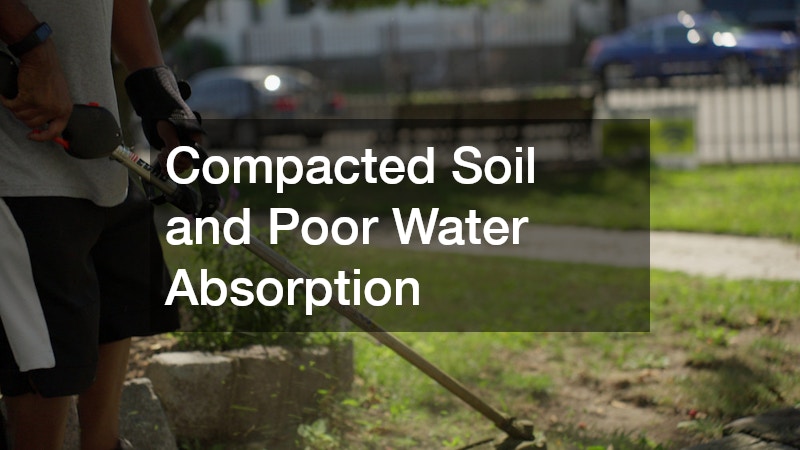
Heavily compacted soil, often the result of foot traffic, construction equipment, or years of parking on the lawn, loses its ability to absorb water effectively. Instead of soaking in, rainfall sits on the surface or runs off toward the nearest low point, which is frequently the house itself. This is a particularly common issue in newer developments where heavy machinery compressed the soil during landscape construction and builders never took steps to aerate it afterward.
Core aeration, which removes small plugs of soil to relieve compaction, can restore some drainage capacity within a single season. For severely compacted areas, mixing in organic matter or coarse sand helps break up dense clay and improve long-term water movement through the soil profile.
- Aerate high-traffic areas annually, especially near driveways and play areas
- Avoid heavy equipment on wet lawns, which worsens compaction
- Test soil density with a simple screwdriver test after rain
- Pair aeration with overseeding to strengthen root systems that improve absorption
Overgrown Vegetation and Root Interference
Tree roots and dense shrubbery can interfere with drainage pipes, French drains, and even natural water flow patterns across a yard. Roots seeking moisture often grow directly into drain lines, cracking pipes or creating blockages that back water up into unexpected places. In some cases, homeowners dealing with overgrown lots turn to land clearing services to remove problem vegetation before installing any new drainage infrastructure.
Before hiring land clearing businesses to remove large trees or dense brush, it helps to map out where underground utilities and drain lines run. Clearing vegetation without this knowledge risks damaging existing infrastructure and can create new erosion problems if the cleared area is left bare and exposed to rainfall.
- Plant trees at least ten feet from foundations and drain lines when replanting
- Watch for lifted pavement or cracked pipes near mature trees
- Remove invasive root systems that spread aggressively toward moisture sources
- Stabilize cleared soil quickly with groundcover or erosion control fabric
Hardscape Surfaces That Redirect Water Improperly
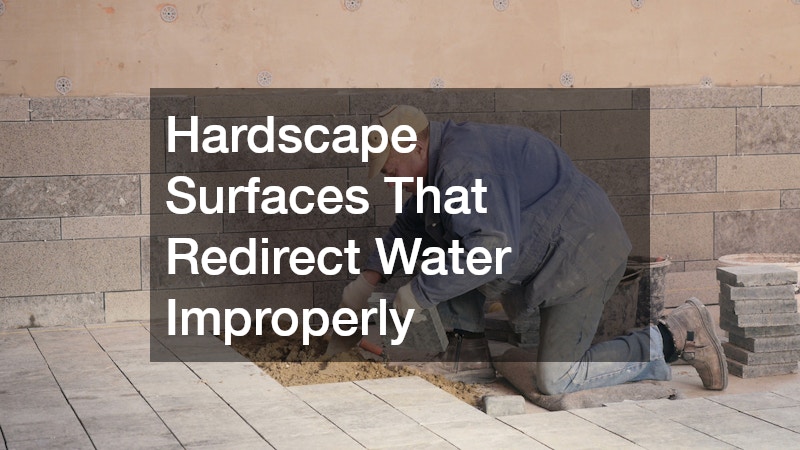
Patios, driveways, and walkways are supposed to provide durable outdoor surfaces, but poorly installed hardscaping can actually worsen drainage problems. When these surfaces are pitched toward the house instead of away from it, or when joints between pavers lack proper drainage gaps, water gets funneled exactly where it should not go. A qualified hardscape company will always account for slope and water flow before laying a single stone.
Permeable pavers and gravel bases are increasingly popular alternatives because they allow water to filter through rather than sheet across the surface toward vulnerable areas. If you are planning a renovation, ask any contractor how the new surface will handle heavy rainfall, not just how it will look once finished.
- Request a written grading plan before hardscape installation begins
- Ask about permeable options for driveways and patios in high-rainfall regions
- Inspect existing joints and seams for signs of water pooling after storms
- Confirm that new surfaces slope away from the home at a minimum two percent grade
Mulch and Landscape Bed Water Retention
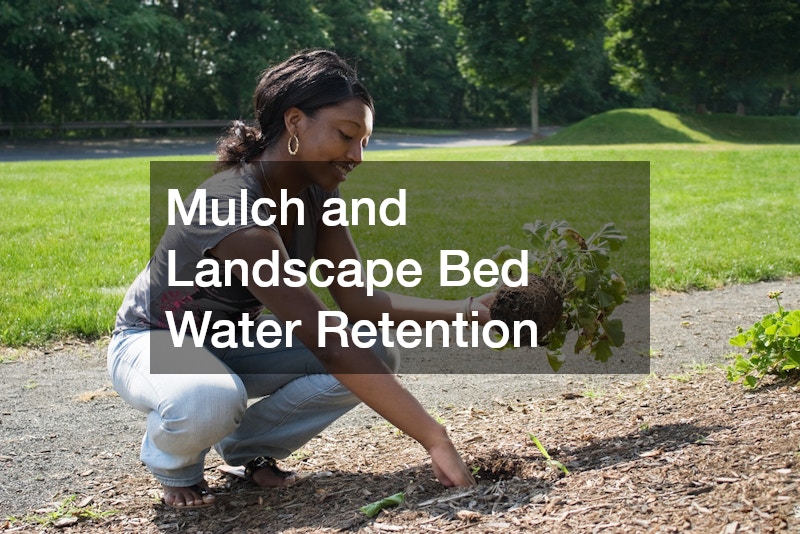
Mulch helps retain soil moisture for plants, but too much of it, or the wrong type, can actually block water from draining properly. Thick layers of mulch piled against foundations or tree trunks trap moisture against surfaces that need to stay dry, inviting rot and pest problems. Choosing the right landscape materials and applying them correctly makes a noticeable difference in how well a yard handles heavy rain.
A reliable mulch supply delivered in bulk allows homeowners to maintain a consistent two to three inch layer across beds without over-piling in any single spot. Refreshing mulch annually also prevents it from compacting into a dense mat that repels water instead of letting it soak into the soil below.
- Keep mulch several inches away from foundation walls and tree trunks
- Choose coarser mulch varieties in areas prone to heavy runoff
- Avoid stacking mulch more than three inches deep in any bed
- Replace compacted mulch yearly rather than adding new layers on top
Synthetic Turf Areas and Subsurface Drainage Design

Homeowners looking to reduce water usage or maintenance sometimes turn to artificial lawns, but drainage planning matters just as much here as with natural grass. A properly executed synthetic grass installation includes a compacted aggregate base and built-in drainage layer that allows water to pass through the turf backing rather than pooling on top. Skipping this step is one of the most common mistakes that leads to standing water and unpleasant odors on artificial lawns.
Because synthetic turf does not absorb water the way soil does, the surrounding grading becomes even more critical to get right during installation. Homeowners should ask installers specifically how many inches per hour the base can drain and whether that rate matches typical rainfall intensity in their region.
- Confirm the base material includes crushed stone or decomposed granite for drainage
- Ask for a percolation test result before installation is finalized
- Ensure drainage channels are installed at the turf’s edges, not just underneath
- Check warranty terms specifically related to drainage failures
When to Bring in Outside Help for Ongoing Yard Health
Some drainage issues are simple weekend fixes, but others require ongoing attention that busy homeowners struggle to maintain consistently. Regular mowing, aeration, and seasonal cleanup all play a role in how well a yard sheds water, and many lawn care companies now offer drainage-focused maintenance plans alongside standard mowing services. Choosing a provider who understands the connection between turf health and water management can prevent small issues from becoming major repairs.
Before signing any service agreement, ask specifically how the company handles drainage-related concerns, not just mowing and trimming schedules. A provider who inspects grading, checks for pooling, and flags early warning signs adds real value beyond basic lawn upkeep.
- Ask for references specific to drainage or grading work, not just mowing
- Request a seasonal inspection schedule tied to rainfall patterns in your area
- Compare quotes that include soil testing or aeration services
- Look for companies willing to coordinate with drainage specialists when needed
Drainage problems rarely announce themselves loudly; they show up as a damp basement wall, a dying patch of grass, or a crack that slowly widens over several seasons. Taking the time to walk your property after heavy rain and identify where water lingers is the single most useful habit you can build. Whether the fix involves regrading, new hardscaping, or simply extending a downspout, addressing these issues early protects both your home’s structure and your landscaping investment. Start with a careful inspection this season, and tackle the most urgent problem areas before the next big storm arrives.