For many people, the ultimate milestone of property ownership is the opportunity to design and construct a custom home from the ground up. The chance to dictate every architectural line, select the precise footprint of the layout, and choose the materials that reflect your personal aesthetic is an incredibly rewarding endeavor. A custom property represents the physical realization of your unique lifestyle, built to serve your family for decades to come.
However, transitioning a vision from a conceptual sketch into a physical structure is a highly complex undertaking. It requires managing thousands of moving parts, navigating strict municipal regulations, and making countless critical financial decisions under pressure.
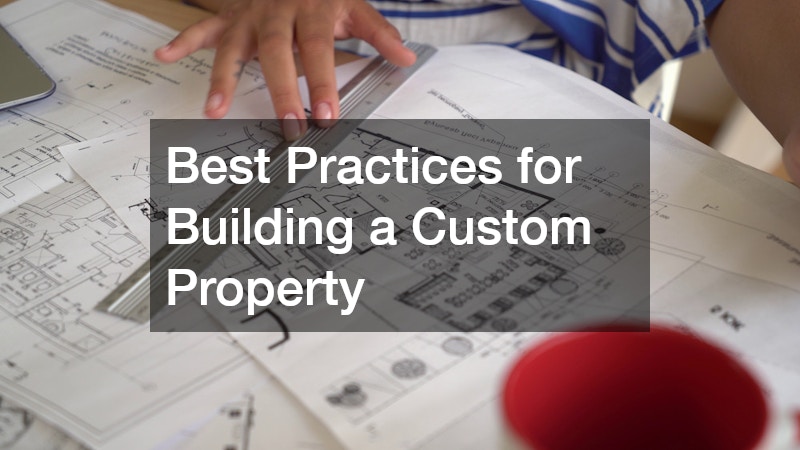
Without a structured roadmap, the process can easily become overwhelming, leading to blown budgets and extended timelines. To ensure your project remains a rewarding journey rather than a stressful ordeal, following established industry best practices is absolutely essential.
Establish a Realistic Financial Blueprint
The foundational step of any successful custom construction project begins long before the concrete for the foundation is poured. It starts with a comprehensive, transparent financial strategy. One of the most common pitfalls in custom construction is the tendency to design a property that exceeds the actual execution budget. To prevent this, you must establish a firm financial ceiling that accounts for every variable of the project.
A truly comprehensive budget must extend far beyond the raw costs of framing lumber, drywall, and finishing fixtures. It must explicitly account for soft costs, which include architectural design fees, structural engineering reports, soil testing, environmental assessments, and municipal permitting fees. Furthermore, it is a critical best practice to establish a dedicated contingency reserve of at least ten to fifteen percent of the total project value. This financial buffer ensures that unexpected site conditions, supply chain fluctuations, or mid-project design changes do not stall production.
Assemble Your Strategic Team Early
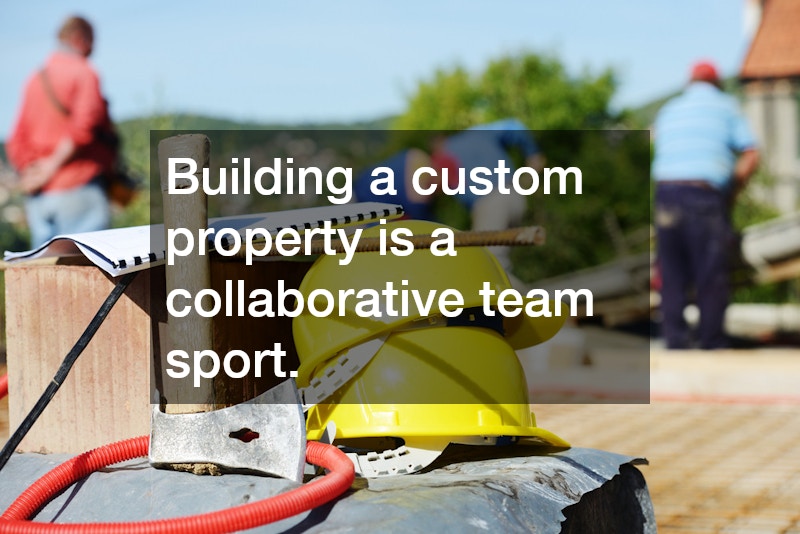
Building a custom property is a collaborative team sport that requires seamless communication between various specialized disciplines. Traditionally, many property owners would hire an architect to completely draft a design in isolation, only to later hand those blueprints over to a constructor, discovered down the line, who reveals the plan is structurally impossible or financially unfeasible to execute within budget.
Modern best practices advocate for an integrated design-build approach, where your architectural designer and your chosen home builder company are brought to the table at the same time.
By fostering early collaboration between the visionary designer and the practical construction experts, you create an invaluable system of checks and balances. The construction team can offer real-time feedback on material costs, structural complexity, and labor availability while the design is still on the drafting table. This collaborative approach eliminates the need for expensive, time-consuming redesigns later on, ensuring that the home of your dreams actually aligns with the reality of your budget.
Prioritize Site Analysis and Land Selection
A beautiful house design is only as good as the plot of land it rests upon. Before finalizing any architectural blueprints, a comprehensive evaluation of the building site must be completed. The unique topography, soil composition, and environmental orientation of your land will dictate the structural engineering requirements and layout of the property.
For example, the composition of the soil determines the specific type of foundation required to support the weight of the structure over time. Sandy, rocky, or high-clay soils all require drastically different engineering approaches to prevent future structural settling or water infiltration. Furthermore, analyzing the natural path of the sun allows your team to strategically position windows and living spaces to maximize natural daylight and optimize passive solar heating and cooling, drastically reducing your long-term energy consumption.
Focus on Infrastructure and Future-Proofing
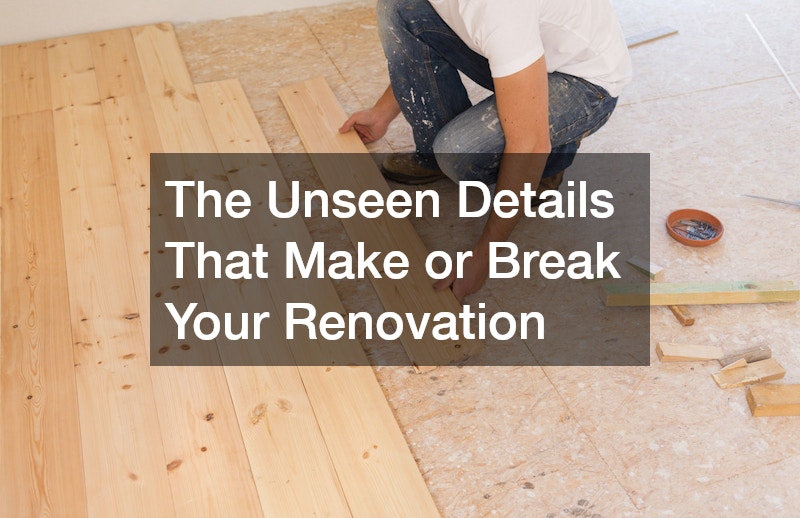
When designing a custom property, it is incredibly easy to get swept away by the visible, luxury finishes, such as premium hardwood flooring, imported Italian marble countertops, and designer lighting fixtures. While these elements are undeniably important to the final aesthetic, they can easily be upgraded or replaced years down the road. Conversely, the infrastructure sealed inside your walls cannot be changed without significant destruction and financial cost.
True best practices dictate that you allocate an appropriate portion of your budget toward high-performance infrastructure. This includes investing in advanced insulation systems, premium weather-resistant barriers, and high-efficiency climate control systems that ensure a healthy, comfortable interior environment.
Additionally, it is wise to future-proof the technology of the home during the rough-in framing stage. Running dedicated conduit lines for high-speed fiber-optic data, pre-wiring for integrated smart-home automation systems, and installing the electrical infrastructure required for future electric vehicle charging stations costs a fraction of the price during initial construction compared to retrofitting those systems into finished drywall years later.
Maintain Rigorous Communication and Documentation
The final, and perhaps most vital, best practice throughout the lifecycle of a custom build is the implementation of a structured communication framework. A custom project requires making hundreds of micro-decisions regarding trim profiles, paint finishes, and outlet placements. To avoid costly misunderstandings, every single decision, change order, and material substitution must be documented in writing.
Utilize modern digital project management platforms to centralize all communication, timelines, and blueprint revisions. Schedule consistent, structured site walkthroughs with your project manager to review milestones, inspect craftsmanship, and proactively address any challenges that arise as the structure takes shape.
Ultimately, crafting a custom property is an investment in your future. By establishing a clear budget, prioritizing the unseen structural elements of the home, and partnering with a highly qualified home builder company early in the process, you protect your financial investment. By respecting the best practices of the trade, you ensure the construction journey is efficient, transparent, and ultimately results in a physical space that you are proud to call home.