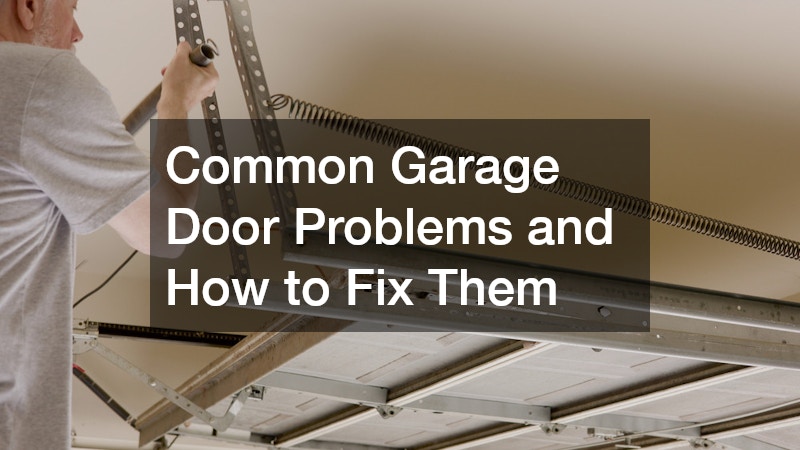
A garage door is one of the most frequently used moving systems in a home, yet it is often overlooked until something goes wrong. Regular maintenance and early troubleshooting can prevent inconvenient breakdowns, reduce safety risks, and extend the lifespan of the entire system. Understanding how to identify and address common issues can help homeowners decide when a simple fix is enough—and when professional garage door repair is the smarter option.
How to Troubleshoot a Garage Door That Won’t Close
When a garage door refuses to close fully or reverses unexpectedly, the cause is often related to safety features or opener settings. Addressing these problems promptly can restore normal operation and prevent unnecessary strain on the opener.
Modern garage doors are equipped with photo-eye safety sensors near the bottom of the door tracks. These sensors prevent the door from closing if something is detected in its path. If the sensors are misaligned, dirty, or blocked, the door may stop or reverse. Start by checking that both sensors are facing each other and mounted at the same height. Clean the lenses gently with a soft cloth to remove dust or debris. If one sensor light is blinking or off, adjust its position slightly until both indicator lights remain solid, signaling proper alignment.
Physical obstructions are another common reason a garage door will not close. Even small items, such as leaves, gravel, or tools near the track, can interfere with door movement or trigger the safety sensors. Inspect the area along the tracks and the door’s path, removing anything that does not belong there. Also check the tracks themselves for dents or bends, as damaged tracks can prevent the door from closing smoothly.
Garage door openers rely on limit and force settings to determine how far the door travels and how much resistance it can handle. If these settings are incorrect, the door may stop short or reverse before reaching the ground. Consult the opener’s manual to locate the adjustment screws or dials. Make small adjustments to the down-limit setting so the door closes completely, and ensure the force setting is not too sensitive. Test the door after each adjustment to avoid overcorrecting.
What to Do If Your Garage Door Is Noisy
Excessive noise is often an early warning sign of wear or poor maintenance. Addressing the source of the noise can prevent more serious mechanical issues over time.
A lack of lubrication is one of the most common causes of a noisy garage door. Hinges, rollers, springs, and bearings all require periodic lubrication to operate smoothly. Use a garage-door-specific lubricant or silicone-based spray, applying it sparingly to all moving metal parts. Avoid using heavy grease, which can attract dirt and cause buildup. Proper lubrication can significantly reduce squeaking, grinding, and rattling noises.
Vibration from daily operation can loosen nuts, bolts, and screws throughout the garage door system. Loose hardware often leads to rattling sounds and uneven movement. With the door closed, inspect brackets, hinges, and track mounts. Use a socket wrench to tighten any loose fasteners, but avoid overtightening, which can strip threads or damage components.
Rollers guide the garage door along the tracks, and over time they can wear out or crack. Worn rollers often cause loud, repetitive noises and jerky door movement. Inspect each roller for visible wear, chips, or wobbling. Nylon rollers tend to operate more quietly than metal ones and are a popular upgrade. While some homeowners may replace rollers themselves, those attached to the bottom bracket should be handled by a professional due to spring tension.
How to Fix a Garage Door Opener That Won’t Work
When the door itself appears fine but the opener fails to respond, the issue is often electrical or related to the control system.
Begin with the basics. Ensure the opener is plugged in securely and that the outlet is working. Check the circuit breaker or GFCI outlet that supplies power to the garage, resetting it if necessary. If the opener still does not respond, inspect the power cord for visible damage. Electrical issues beyond this point may require professional attention.
Dead or weak remote batteries are a simple but frequently overlooked cause of opener failure. If the wall-mounted control works but the remote does not, batteries are likely the issue. Replace the batteries with the correct type specified by the manufacturer. After replacement, test the remote from different distances to ensure it is transmitting properly.
Sometimes, the opener’s internal system needs to be reset to restore normal function. This can help resolve issues caused by power surges or signal interference. Follow the manufacturer’s instructions to reset the opener, which may involve unplugging the unit briefly or pressing a reset button. If the remote still does not operate the door, reprogram it according to the manual.
Garage doors are complex systems with many moving and electronic components, making routine inspection and maintenance essential. Addressing issues such as doors that will not close, excessive noise, or unresponsive openers early can prevent costly breakdowns and improve overall safety. While many minor problems can be resolved with basic troubleshooting, knowing when to seek professional garage door repair ensures the system remains reliable and durable for years to come.