A well-designed outdoor living space can become one of the most valuable and enjoyable areas of your home. Rather than limiting outdoor use to a few ideal months, thoughtful planning allows you to create an environment that feels comfortable, functional, and inviting throughout the entire year. From managing weather exposure to choosing the right plants and features, small design decisions can make a significant impact. This guide outlines practical strategies to help you transform your outdoor area into a space you can enjoy in every season.
How Can I Ensure My Outdoor Space Is Suitable for All Seasons?
Durability is the foundation of a year-round outdoor space. Furniture and accessories should be selected with exposure to sun, moisture, and temperature changes in mind.
Materials such as powder-coated aluminum, teak, resin wicker, and all-weather fabrics are designed to withstand fluctuating conditions without deteriorating quickly. Regular maintenance also plays a role in longevity. Using protective covers, cleaning surfaces seasonally, and storing cushions during extreme weather helps preserve both appearance and comfort. Investing in quality, weather-resistant pieces reduces replacement costs and keeps your space functional regardless of the season.
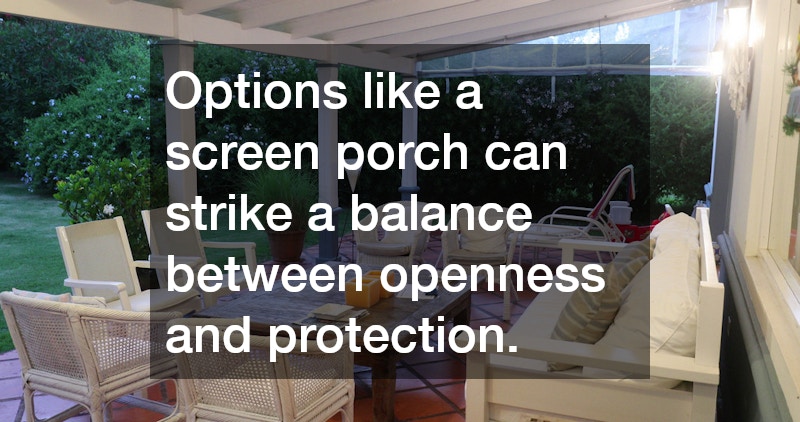
Protection from the elements is essential for extending outdoor usability. Shade structures such as pergolas, awnings, or retractable canopies help manage heat during warmer months, while roofed structures and partial enclosures provide relief from rain and wind. These features create a more controlled environment without fully closing off the outdoors. For homeowners seeking maximum versatility, options like a screen porch can strike a balance between openness and protection. This type of structure allows airflow while reducing exposure to insects, debris, and harsh weather, making the space more usable across seasons.
Heating elements are key to maintaining comfort during cooler months. Fire pits, patio heaters, and outdoor fireplaces each offer distinct advantages depending on space, budget, and desired ambiance. Fire pits provide a natural gathering point, while freestanding heaters deliver consistent warmth across a wider area. When selecting heating solutions, safety and efficiency should be top priorities. Proper placement, ventilation, and fuel choice ensure the space remains comfortable without compromising usability or design flow.
What Are the Best Plants for a Year-Round Garden?
Evergreen plants form the backbone of a year-round landscape. They provide consistent color, structure, and privacy even during colder months when other plants go dormant. Shrubs, hedges, and trees with evergreen foliage help outdoor spaces feel intentional rather than barren during winter. Strategic placement of evergreens can also block wind, reduce noise, and define outdoor zones. This creates a more sheltered environment that complements other seasonal design elements.
To maintain visual interest throughout the year, layering plants with different blooming cycles is essential. Spring bulbs, summer perennials, fall foliage plants, and winter-blooming varieties work together to ensure ongoing color and texture. Planning for seasonal transitions allows your outdoor space to evolve naturally without requiring constant redesign. A thoughtful planting plan keeps the area visually appealing while reinforcing the sense that it’s meant to be used year-round.
Low-maintenance plants are ideal for homeowners who want consistent appeal without extensive upkeep. Native species and hardy perennials typically require less water, pruning, and pest control, making them well-suited for long-term use. Reducing maintenance demands also means the space remains functional during busy or colder months when outdoor work is less appealing. A balanced approach to landscaping supports both aesthetics and practicality.
How Can I Maximize the Functionality of My Outdoor Living Space?
A functional outdoor space should adapt to different activities throughout the year. Modular furniture, movable seating, and multi-purpose surfaces allow the layout to change based on season or occasion. A dining setup may dominate in warmer months, while a cozy lounge configuration becomes more appealing as temperatures drop. Designing with flexibility in mind ensures the space remains useful regardless of how your needs change. This adaptability is especially important for households that entertain frequently or use the space for multiple purposes.
Lighting extends usability beyond daylight hours and enhances both safety and ambiance. A layered lighting approach—combining overhead fixtures, pathway lights, and accent lighting—allows the space to function effectively in different conditions. Dimmer controls and smart lighting systems make it easy to adjust brightness based on activity or season. Proper lighting ensures your outdoor area feels welcoming and intentional at any time of day or year.
Modern technology can significantly elevate the outdoor experience. Weather-rated speakers, Wi-Fi extenders, and smart lighting controls help bring indoor conveniences outside. These additions support entertainment, relaxation, and productivity without disrupting the natural feel of the space. Technology integration should be subtle and purposeful. When designed correctly, it enhances usability while maintaining the comfort and aesthetic appeal of the environment.
Creating a comfortable outdoor space you can use year-round requires a balance of durability, protection, and thoughtful design. By selecting weather-resistant materials, incorporating shelter and heating, and choosing plants that offer year-long appeal, homeowners can significantly extend the usefulness of their outdoor areas.
Maximizing functionality through flexible layouts, effective lighting, and integrated technology ensures the space adapts to changing needs and seasons. Whether enhanced with strategic landscaping or a well-designed screen porch, a year-round outdoor living area adds lasting value, comfort, and enjoyment to your home—no matter the weather.