Home improvement is about more than making a property look better. The right projects can improve safety, comfort, energy efficiency, functionality, and long-term property value while helping homeowners avoid expensive problems. Some improvements are relatively simple, while others require careful planning, multiple trades, or professional expertise.
Rather than tackling every project at once, homeowners should prioritize improvements based on urgency, condition, budget, and the extent to which the work will benefit daily life. A well-planned approach can also prevent small maintenance concerns from developing into major repairs. The following projects provide a practical starting point for homeowners who want to protect and improve their properties from the inside out.
Address Plumbing Problems Before They Become Major Repairs
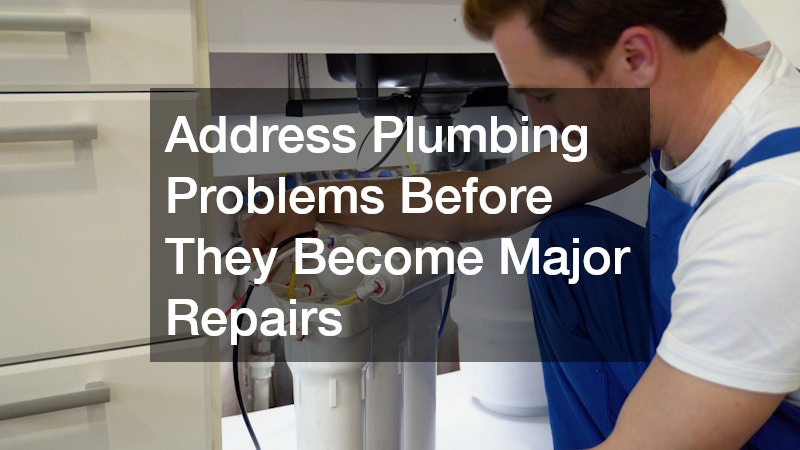
Plumbing issues can start small but quickly lead to extensive water damage. A dripping faucet may seem insignificant, for example, but persistent moisture can waste water, damage surrounding materials, or indicate a problem with a valve or supply line. Homeowners should pay attention to changes in water pressure, drainage, and water appearance rather than waiting until a major leak occurs.
Regularly inspect accessible plumbing areas, including underneath sinks, around toilets, behind washing machines, and near water heaters. Look for moisture, corrosion, mineral deposits, unusual odors, or staining. Slow drains also warrant attention, particularly when they repeatedly clog after cleaning.
Homeowners can reduce the likelihood of unexpected problems by:
- Checking exposed pipes for corrosion, cracks, or moisture.
- Inspecting supply lines connected to toilets, sinks, and appliances.
- Addressing recurring drain blockages rather than repeatedly treating symptoms.
- Knowing the location of the main water shutoff valve.
- Monitoring water bills for unexplained increases.
- Replacing deteriorated hoses and connections before they fail.
For repairs involving hidden leaks, damaged supply lines, water heaters, or significant drainage problems, plumbing contractors can provide the appropriate expertise. Professional assistance is particularly important when a problem could involve extensive water damage or require changes to the home’s plumbing system. Addressing problems early is generally preferable to waiting until water reaches flooring, drywall, cabinetry, or structural components.
Improve Garage Door Safety And Daily Function
The garage door is one of the largest moving components in many homes, and it may be used several times each day. Because of its size and weight, proper operation is important for both convenience and safety. Homeowners should periodically inspect the door rather than waiting until it stops working completely.
Start by observing how the door opens and closes. It should move smoothly without excessive shaking, scraping, or unusual sounds. Check whether it remains balanced when operated manually, if the system allows for safe manual operation. Homeowners should also test the automatic reversal and safety sensor features according to the manufacturer’s instructions.
Other areas worth monitoring include:
- Worn or damaged rollers.
- Bent or obstructed tracks.
- Frayed cables.
- Damaged weather seals.
- Loose hinges and hardware.
- Unusual grinding, popping, or rattling sounds.
- Delays when responding to the opener.
Garage door contractors can inspect and repair components that require specialized knowledge or equipment. Homeowners should avoid attempting to adjust high-tension springs or other potentially hazardous components themselves. Improving the door’s weather sealing can also help reduce drafts, moisture intrusion, and temperature fluctuations in an attached garage.
For additional convenience, homeowners can consider modern openers with features such as battery backup, smartphone connectivity, automatic lighting, and improved security controls. These upgrades can make everyday operation easier while providing additional monitoring capabilities.
Create A More Functional And Attractive Outdoor Space

A well-designed yard should do more than improve curb appeal. It can make outdoor areas easier to use, improve drainage, provide privacy, and create comfortable spaces for relaxing or entertaining. Before purchasing plants or starting construction, homeowners should consider how they actually use their property.
Start by evaluating sunlight patterns, existing vegetation, drainage, walkways, and areas that receive heavy foot traffic. Think about whether the yard needs more shade, privacy, seating, play space, or low-maintenance planting areas. A thoughtful landscape design can bring these elements together instead of treating each improvement as a separate project.
Consider incorporating:
- Defined areas for dining or entertaining.
- Pathways that connect frequently used spaces.
- Plants suited to local soil and climate conditions.
- Trees or shrubs that provide privacy and shade.
- Outdoor lighting for visibility and ambiance.
- Drainage features in areas where water tends to collect.
- Low-maintenance materials where regular upkeep would be difficult.
It is also useful to plan outdoor improvements in phases. Completing drainage and grading work before installing new planting beds or hardscaping can prevent future disruption. Likewise, homeowners should consider irrigation requirements before choosing plants.
A beautiful yard that requires excessive watering, pruning, or specialized care may become difficult to maintain. Selecting appropriate plants and materials from the beginning can make the property more sustainable and enjoyable over time.
Build Outdoor Living Areas That Add Everyday Value
Outdoor living areas can effectively expand a home’s usable space without adding an entirely new room. A deck, for example, can provide space for dining, entertaining, relaxing, or enjoying the surrounding landscape. However, successful deck improvements require more than choosing an attractive surface material.
Begin by determining how the space will be used. A homeowner who regularly hosts gatherings may need a different layout than someone who primarily wants a quiet outdoor seating area. Consider the relationship between the deck, kitchen, living areas, yard, and existing walkways.
Important planning considerations include:
- Overall deck size and traffic flow.
- Stair placement and accessibility.
- Railing design and safety.
- Material durability and maintenance requirements.
- Drainage beneath elevated structures.
- Lighting for evening use.
- Seating and furniture placement.
- Shade or weather protection.
Deck builders can help homeowners evaluate structural requirements, materials, and design considerations. Wood may offer a traditional appearance, while composite materials can provide different maintenance and durability characteristics. The best choice depends on budget, climate, appearance preferences, and the level of maintenance the homeowner is willing to perform.
Existing decks should also be inspected periodically. Look for soft or deteriorated boards, loose railings, unstable stairs, damaged fasteners, and signs of moisture damage. Structural concerns should be evaluated promptly rather than covered with new finishes.
Protect The Home With Timely Roof Maintenance
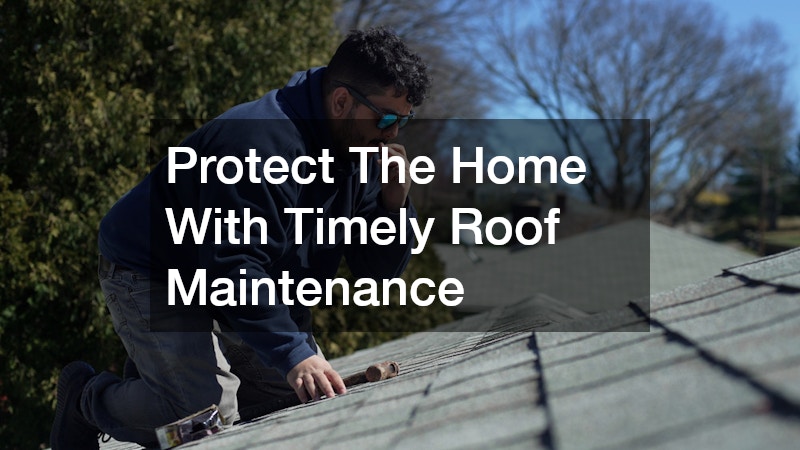
A roof protects nearly every other part of the home from exposure to the weather. Even a relatively small roofing problem can eventually allow moisture into insulation, ceilings, walls, and other building materials. Preventive inspections can help homeowners identify concerns before they become extensive.
From the ground, homeowners can look for visibly missing or damaged shingles, sagging areas, deteriorated flashing, excessive moss growth, or debris accumulation. Attic inspections can also reveal warning signs such as damp insulation, water staining, or inadequate ventilation.
Homeowners should make roof care part of their broader maintenance routine by:
- Checking for visible damage after severe weather.
- Keeping gutters and drainage systems clear.
- Watch for water stains on ceilings and walls.
- Inspecting flashing around roof penetrations.
- Addressing damaged shingles promptly.
- Maintaining appropriate attic ventilation.
- Keeping records of inspections and previous repairs.
Local roofers can help assess a roof’s condition and determine whether repair, maintenance, or eventual replacement is appropriate. Regional weather patterns can also influence material performance and maintenance needs.
Homeowners should avoid assuming that an older roof automatically needs replacement or that a minor leak can be ignored. A professional assessment can help determine the actual condition of the roofing system and establish a more informed maintenance plan.
Increase Privacy And Property Security With Better Boundaries
Fencing can provide privacy, define property lines, contain pets, protect gardens, and improve the overall appearance of a yard. However, choosing a fence should involve more consideration than simply selecting a preferred material.
Begin by identifying the primary purpose of the fence. Privacy fencing may require a different height and configuration than a decorative boundary or pet enclosure. Homeowners should also verify property lines and research applicable neighborhood or local requirements before construction begins.
When planning a fencing project, consider:
- Required height and spacing.
- Gate locations.
- Material durability.
- Maintenance requirements.
- Exposure to wind and weather.
- Compatibility with existing landscaping.
- Visibility and access requirements.
- Long-term repair and replacement costs.
A fence builder can help with measurements, material selection, installation, and structural considerations. Properly positioned posts and appropriate hardware can significantly affect how well a fence performs over time.
Existing fences should be inspected after storms and periodically throughout the year. Leaning posts, rotting wood, rusted hardware, loose panels, and damaged gates can reduce both appearance and functionality. Prompt repairs can sometimes prevent a relatively small problem from requiring the replacement of an entire section.
Prioritize High-Impact Interior Improvements

Interior remodeling can make a home significantly more functional, especially when existing spaces no longer match the household’s needs. Homeowners do not necessarily need to undertake a complete renovation to make a meaningful difference. Sometimes, better storage, improved lighting, updated finishes, or a more efficient layout can transform a room.
Start by identifying the problems rather than immediately choosing products. Is the kitchen difficult to work in because of poor traffic flow? Does the bathroom lack adequate storage? Are bedrooms overcrowded? Does the living area need better lighting or organization?
A home remodeling contractor can help homeowners evaluate larger projects involving multiple trades, structural changes, or substantial layout modifications. Before beginning work, establish a clear scope and prioritize the improvements that will provide the greatest practical benefit.
A useful project-planning checklist includes:
- Define the primary purpose of the renovation.
- Establish a realistic budget.
- Determine which improvements are essential and which are optional.
- Account for permits and inspections when applicable.
- Select durable materials appropriate for the space.
- Plan storage before finalizing layouts.
- Include a contingency amount for unexpected conditions.
- Establish project milestones and completion expectations.
Homeowners should also consider how individual improvements will interact with one another. For example, electrical, plumbing, flooring, cabinetry, and painting may need to occur in a particular sequence. Good planning can reduce unnecessary labor and prevent newly completed work from being damaged during later stages.
Upgrade Electrical Safety And Household Convenience
Modern homes depend heavily on electricity, with appliances, entertainment equipment, computers, lighting, heating systems, chargers, and other devices operating throughout the day. Older electrical systems may not always be suited to changing household demands.
Homeowners should watch for warning signs such as frequently tripped breakers, flickering lights, buzzing outlets, warm electrical components, burning odors, or damaged cords. These issues should not be ignored because they may indicate electrical problems that require professional evaluation.
Electricians can assess electrical systems, identify overloaded circuits, evaluate outdated components, and recommend appropriate upgrades. Depending on the home’s needs, improvements may include additional outlets, updated lighting, dedicated circuits, or other system upgrades.
Homeowners can also improve everyday electrical safety by:
- Avoiding overloaded power strips.
- Replace damaged cords and plugs.
- Keeping electrical equipment away from water.
- Using appropriate outlets in moisture-prone areas.
- Keeping electrical panels accessible.
- Following the manufacturer’s instructions for high-demand appliances.
- Scheduling professional evaluations when warning signs appear.
Electrical work can involve serious safety risks, particularly when it requires access to wiring, panels, or other energized components. Projects beyond basic maintenance should be handled by qualified professionals rather than improvised DIY solutions.
Coordinate Larger Projects For Better Results
When several home improvements are needed, completing them independently can create scheduling conflicts and unnecessary expenses. A coordinated approach can help homeowners understand how different projects affect one another.
For example, exterior work may need to be completed before landscaping, while electrical or plumbing changes may need to happen before walls are closed. Planning the sequence in advance can prevent newly installed materials from being removed or damaged during another phase.
General contractors can be useful for larger projects involving multiple trades and overlapping schedules. Homeowners should establish a written project scope that explains what work will be completed, which materials are included, expected timelines, payment arrangements, and how changes will be handled.
Before work begins:
- Rank projects according to urgency.
- Identify dependencies between projects.
- Establish a realistic overall timeline.
- Confirm material availability.
- Discuss permits and inspections.
- Document agreed-upon project costs.
- Keep records of changes and additional work.
- Schedule final inspections or walkthroughs.
Homeowners should also maintain reasonable expectations about construction schedules. Weather, inspections, material delays, and unexpected conditions can affect completion dates. Clear communication throughout the project can help resolve these challenges before they become larger disputes.
Improve Year-Round Comfort And Energy Performance
Heating and cooling systems have a major effect on household comfort and energy consumption. An inefficient system may work harder to maintain the desired temperature, potentially increasing operating costs and putting additional strain on equipment.
Homeowners should pay attention to uneven temperatures, unusual noises, weak airflow, frequent cycling, unexplained increases in energy use, or systems that struggle to maintain the thermostat setting. These signs may indicate that maintenance or professional evaluation is needed.
An HVAC contractor can assess equipment performance, airflow, ductwork, ventilation, and other factors that influence indoor comfort. Depending on the home’s condition, improvements may include equipment maintenance, ductwork repairs, thermostat upgrades, or replacement of aging systems.
Homeowners can support system performance by:
- Replace air filters as recommended.
- Keeping supply and return vents unobstructed.
- Maintaining clear space around outdoor equipment.
- Scheduling appropriate seasonal maintenance.
- Sealing obvious drafts around doors and windows.
- Improving insulation where needed.
- Using programmable or smart thermostat settings appropriately.
Energy efficiency should be approached as a whole-home goal rather than focusing exclusively on replacing equipment. Poor insulation, air leaks, inadequate ventilation, and inefficient windows can all influence how hard heating and cooling equipment needs to work.
Successful home improvement does not require completing every project at once. The most effective approach is to evaluate the property’s condition, identify the improvements that matter most, and create a realistic schedule based on safety, functionality, maintenance needs, and budget.
Regular inspections can help homeowners discover problems while they are still manageable, while thoughtful upgrades can make daily life more comfortable and convenient. Whether addressing maintenance concerns, improving outdoor spaces, upgrading essential systems, or coordinating a larger renovation, careful planning can help homeowners protect their investment and create a property that serves their needs for years to come.