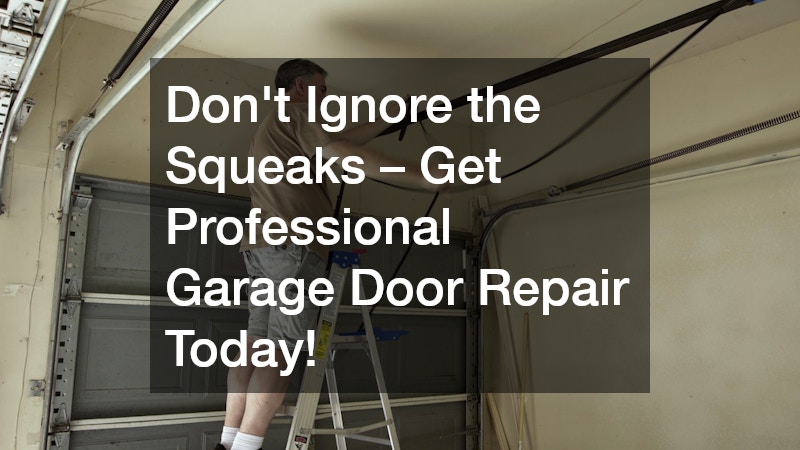
Understanding the importance of regular garage door maintenance can enhance its longevity and ensure smooth operation. One of the critical aspects of garage door upkeep is proper lubrication, which helps prevent unnecessary garage door repair by reducing wear and tear on moving parts. This guide explores the vital spots to lubricate and the techniques to use for optimal performance, empowering homeowners to handle basic maintenance and avoid frequent calls to garage door repair professionals.
What are the Key Components to Lubricate on a Garage Door?
To keep your garage door functioning efficiently, focus on lubricating the primary moving components. Neglecting these areas can lead to breakdowns, often requiring expert garage door repair services.
Here’s a breakdown of the essential spots.
Lubricating Garage Door Hinges
Hinges connect the panels of your garage door and endure constant movement, making them prone to friction that could necessitate garage door repair if ignored. First, identify the type of hinges: most residential doors use metal hinges with pins or rollers. Prepare your lubricant by choosing a high-quality option suitable for metal parts. For application tips, close the door and apply lubricant sparingly to the hinge pins and where the hinges pivot. Wipe away excess to prevent drips that attract dirt. This simple step can avert squeaky hinges and extend the life of your door, minimizing the need for garage door repair.
Lubricating Rollers
Rollers guide the door along the tracks and are crucial for smooth operation; worn rollers often lead to garage door repair issues like jamming. Choose the right lubricant based on roller material—silicone spray for nylon rollers to avoid damage, or lithium grease for metal ones. Proper application techniques involve disconnecting the opener for safety, then spraying or applying lubricant to the roller bearings while rolling them manually to distribute evenly. Safety precautions include wearing gloves and ensuring the door is secured to prevent accidental movement. Regular lubrication here can prevent roller failure, a common garage door repair call.
Ensuring Smooth Operation of Springs
Springs bear the door’s weight and are vital for balanced operation; improper maintenance can result in dangerous failures requiring immediate garage door repair. Identify torsion springs (mounted above the door) versus extension springs (along the sides). For lubrication procedures, apply a light coat of lubricant along the coils, avoiding the pulleys or cables to prevent slippage. Maintain tension balance by checking for even extension on both sides after lubrication. This helps in smooth lifting and lowering, reducing strain that could lead to costly garage door repair.
How Often Should You Lubricate Your Garage Door?
Lubrication frequency impacts performance and can help you sidestep unexpected garage door repair expenses. Tailor your schedule to your specific conditions for best results.
Frequency of Lubrication
Consider climate: in humid or coastal areas, lubricate every three months to combat rust, while in drier climates, every six months suffices. General guidelines suggest biannual lubrication for average use, but heavy usage—like multiple daily cycles—may require quarterly attention. Usage patterns, such as in homes with frequent access, accelerate wear, so adjust accordingly to prevent garage door repair needs.
Signs Your Garage Door Needs Lubrication
Recognizing squeaks and resistance during operation is a clear indicator; grinding noises often signal dry hinges or rollers demanding garage door repair if not addressed. Visual cues include rust on metal parts or visible wear on rollers. Proactive maintenance tips involve inspecting monthly and lubricating at the first sign of stiffness, keeping minor issues from escalating into major garage door repair problems.
Maintenance Schedule
Create a lubrication timeline by marking your calendar for seasonal checks—spring and fall are ideal. Integrate with other garage door upkeep, like tightening hardware or cleaning tracks, to form a comprehensive routine. Make seasonal adjustments, such as more frequent lubrication in winter to handle cold-induced contraction, ensuring your door remains reliable and reducing the likelihood of emergency garage door repair.
What Tools and Products are Best for Garage Door Lubrication?
Selecting the right tools and products is key to effective lubrication and avoiding mistakes that could lead to garage door repair.
Recommended Lubricants
Opt for silicone-based sprays for their durability and resistance to dust accumulation, ideal for rollers and hinges. Understand the role of lithium sprays, which provide thick protection for high-friction areas like springs. Avoid WD-40, as it’s a solvent, not a true lubricant, and can attract grime, potentially causing issues that require garage door repair.
Essential Tools for Lubrication
A list of necessary tools includes a silicone or lithium spray can, clean rags for wiping excess, a step ladder for access, and gloves for protection. Application techniques involve spraying from a distance of 6-8 inches and testing door operation afterward. Storage tips: keep products in a cool, dry place away from children to maintain efficacy and safety, ensuring they’re ready for your next garage door repair prevention session.
Common Mistakes to Avoid
Over-lubrication pitfalls include excess product dripping onto tracks, causing slippage and necessitating garage door repair. Incorrect product use, like grease on plastic parts, can degrade materials. Neglecting key components, such as only lubricating hinges while ignoring springs, leads to uneven wear and potential failures.
What Are the Benefits of Regular Garage Door Lubrication?
Beyond basic upkeep, lubrication offers substantial advantages, often averting the need for professional garage door repair.
Prolonging the Lifespan of Your Garage Door
Factors like friction and rust shorten life, but regular maintenance counters this. The impact includes fewer breakdowns, with lubricated parts lasting years longer. Cost savings arise from reduced garage door repair bills, as preventive care is far cheaper than replacements.
Enhancing Safety
Reducing risks of accidents, such as sudden spring snaps, is paramount. Improving door balance ensures even operation, preventing off-track issues. Reinforcing safe operations through lubrication minimizes strain on the system, safeguarding users from garage door repair emergencies.
Reducing Noise and Ensuring Quiet Operation
Diagnosing noise sources like dry rollers helps target lubrication effectively. Strategies include a thorough application to all moving parts for noise reduction. Quality of life improvements follow, with a quieter door enhancing home comfort and signaling a well-maintained system less prone to garage door repair.
Regular lubrication of your garage door is essential for seamless operation and long-term reliability. By following the guidance outlined in this article and using the recommended techniques and products, you can enhance your garage door’s performance and prolong its lifespan, ultimately saving on garage door repair costs.