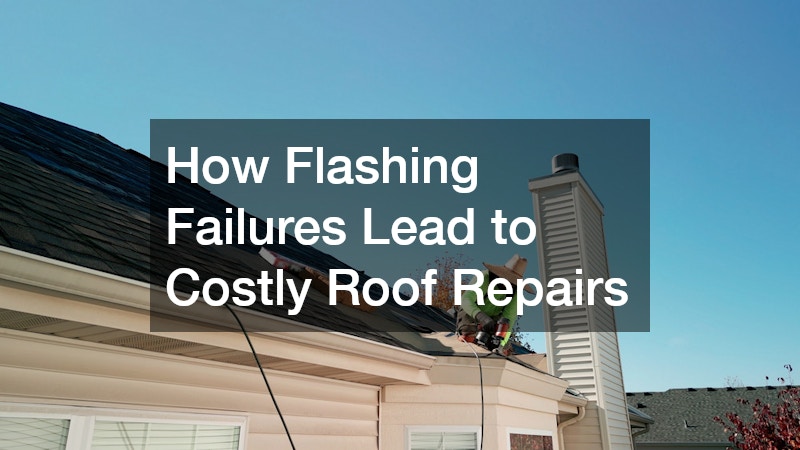
Proper roof flashing is crucial in safeguarding buildings from adverse weather conditions. Unfortunately, many homeowners overlook the significance of flashing until a costly repair is necessary. Flashing failures can lead to insurance claims, yet regular maintenance can prevent such eventualities.
The role of flashing in redirecting water away from vulnerable areas cannot be understated. As part of the roofing system, flashing prevents water from infiltrating and damaging the structure.
By maintaining flashing integrity, homeowners can avoid spending thousands on unnecessary repairs.
Addressing flashing issues requires understanding what flashing encompasses, its potential failure points, and maintenance strategies. Effective flashing maintenance prolongs roof lifespan and mitigates expensive problems. Homeowners who disregard these components often face severe consequences that could have been easily avoided.
What is Roof Flashing?
Definition and Purpose
Roof flashing is a thin material installed to direct water away from critical areas of the roof. Its primary purpose is to seal joints and seams, preventing water infiltration. Flashing is strategically placed around areas prone to leakage, such as chimneys, vents, and skylights. When properly installed, it acts as a reliable barrier against water penetration. Many roofing leaks result from poor flashing rather than roofing material failures.
The strong and flexible nature of flashing materials allows them to move slightly with the roof. This adaptability is vital because different parts of the roof naturally expand and contract with temperature changes. A failure to accommodate these movements can lead to cracks and leaks. Without flashing, rainwater can easily seep beneath roofing materials, causing damage. Effective flashing is essential for the durability and functionality of the entire roof system.
The design of flashing must consider the specific angles and contours of the roof. Typically, flashing is installed during the roofing process, but it can also be retrofitted if necessary. A skilled installer can ensure that flashing fits perfectly, performing its function effortlessly. Flashing serves as a guard against the intrusion of heavy rains, melting snow, and even debris. Without it, roofs are vulnerable to frequent and often severe water damage.
Materials Used
Choosing the right material for flashing is crucial for its longevity and effectiveness. Common materials include aluminum, copper, and galvanized steel. These materials are favored for their durability and resistance to rust and decay. Copper, in particular, is renowned for its longevity and aesthetic appeal. Though more expensive, copper flashing is a wise long-term investment due to its durability.
Aluminum is a popular choice due to its light weight and ease of installation. However, it is softer than other materials and may dent easily, which can compromise its ability to prevent water ingress. Galvanized steel, on the other hand, offers a balance between cost and resilience. Its zinc coating provides additional protective characteristics, safeguarding against corrosion. The selection of flashing material can profoundly impact the roof’s overall performance and lifespan.
Lead flashing, though less commonly used today, offers advantages with its malleability and watertight properties. Despite being environmentally contentious, it provides excellent protection when carefully installed and maintained. Regardless of the material chosen, the essential requirement is ensuring that the flashing maintains a tight seal and remains affixed to the roof. Homeowners should regularly assess the condition of their flashing and replace it as needed. Each material has distinct advantages, making the choice dependent on budget, climate, and aesthetic preferences.
Installation Techniques
Proper flashing installation is as critical as selecting the correct materials. Installation involves not only the placement of flashing around potential leak sites but also securing it firmly to ensure durability. Flashing installation must consider the specific roof architecture, angles, and exposure to elements. Skilled professionals avoid common mistakes such as overlapping too little or using inadequate fasteners. A proactive approach to flashing installation can prevent future costly damages.
During installation, it is essential that flashing fits snugly against the roof, with no gaps or spaces where water can seep through. Properly placed seams should overlap adequately to channel water away effectively. Installers often use adhesives or sealing compounds to enhance the flashing’s protective barrier. Careful attention to detail during installation makes a significant difference in the flashing’s effectiveness and lifespan. Each installation should be approached with due diligence and thoroughness.
Flashing installation is not a one-size-fits-all task; rather, it demands customization according to specific roof designs. Roof valleys, edges, and penetrations like chimneys need precise flashing configurations. Professionals can tailor flashing to meet diverse roof structures and weather challenges. Reducing maintenance concerns and enhancing roof longevity lies in skilled installation. By investing in professional flashing installation, homeowners ensure robust protection against environmental elements.
Common Types of Flashing
Roof flashing comes in various types, each designed to address specific needs and areas. Step flashing, for example, is often used where the roof meets a vertical surface such as a wall or chimney. This type involves pieces of flashing laid in steps, each overlapping the next. Its design provides layered protection, ensuring water flows away from vulnerable areas. Step flashing is a common sight on many residential roofs.
Counter flashing, another prevalent type, is typically used in combination with step flashing. It is installed over step flashing or tiles, providing a secondary layer of protection. This approach prevents water from seeping underneath the surface, maintaining the integrity of the roof. Counter flashing is crucial in areas with significant exposure to wind-driven rain. Proper installation involves meticulously fitting sections of counter flashing to complement the existing step flashing.
Other types include apron flashing, used at the juncture where roof surfaces meet protruding elements. Each type of flashing has specific applications, and selecting the right type is essential in maximizing effectiveness. Experienced roofers can discern which type is best suited for particular roof issues. Even the subtler varieties like drip edge flashing play a critical role in directing water away from rooflines. By understanding the characteristics and uses of each type, homeowners and contractors can collaborate to create optimal roofing solutions.
Importance of Proper Installation
The effectiveness of roof flashing hinges largely on the quality of its installation. Poorly installed flashing can quickly become a primary source of leaks and roof damage. Even if top-quality materials are used, improper installation compromises the entire system’s integrity. Water infiltration can lead to rot, mold, and increased energy costs as heat escapes. Thoughtful and precise installation is necessary to ensure maximum protection and longevity.
Proper installation requires comprehensive knowledge and experience. Installers must understand the specific requirements of different roof types and weather conditions. Aspects such as flashing size, overlap, and sealant application must be adjusted to the roof’s unique demands. Errors such as misalignment or inadequate fastening can result in rapid deterioration and consequential damage. Investing in professional installation assures that flashing performs as intended and provides peace of mind to homeowners.
A well-installed flashing system minimizes the need for frequent maintenance or early replacement. Its precise positioning and sealing help to sustain the structural integrity of the roof against natural elements. Moreover, accountability from professionals often extends to warranties, offering additional assurance. Proper installation can effectively prevent many common problems associated with roof flashing, ensuring an enduring solution. Ultimately, the benefits of professional installation far outweigh the potential costs of error and neglect.
Why Does Flashing Fail?
Installation Flaws
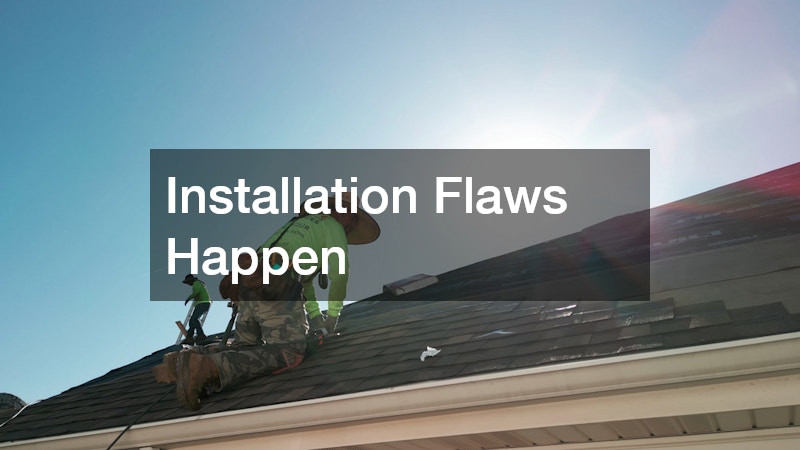
Flashing failures are frequently attributed to installation flaws stemming from inadequate techniques or oversight. Key errors include insufficient overlap, improper alignment, and inadequate securing methods. These oversights lead to immediate vulnerabilities as water finds its way through gaps. Just a slight misstep during installation can open pathways for moisture and trigger extensive damage. The effects of flawed installation often manifest quickly, with noticeable leaks and flaws.
Without proper training, DIY installation attempts may lack the precision required for effective sealing. Professional installers have the experience and skills to address complexities such as roof angles and material compatibility. They understand how essential tiny details are to a successful installation. On the other hand, amateur mistakes can result in long-term consequences. When flashing is not installed correctly, it cannot fulfill its protective role.
Recovered involves not only replacing the affected flashing but also addressing any collateral damage. Over time, moisture can lead to structural problems, mold, and extensive interior damage. Remediation requires a focused approach, replacing flashing and potentially deteriorated roofing materials. By avoiding initial installation flaws, homeowners can sidestep these costly outcomes. Installation errors illustrate the importance of hiring professionals from the outset.
Material Deterioration
Material deterioration is another common culprit in flashing failures, driven by the roof’s constant exposure to weather extremes. Fluctuations in temperature contribute to wear and tear, gradually compromising the material. Even the most resilient materials can succumb to persistent environmental stressors. The roof’s exposure to the elements includes UV radiation, which causes fading and weakening of flashing over time. What begins as minor imperfections can expand into significant failures.
Certain materials, like aluminum, are prone to reacting with surrounding elements, leading to corrosion. This degradation can cause flashing to lose its protective functions. Copper and lead, while more durable, are not entirely immune to weather-related wear and damage. Despite their longevity, these materials still require periodic maintenance to ensure their effectiveness. Regular inspections can identify early signs of material deterioration, allowing homeowners to intervene promptly.
Material longevity is enhanced through the choice of high-quality products and sealants. Protective coatings can mitigate exposure effects but will eventually wear away. Homeowners must remain vigilant, addressing minor issues to prevent them from escalating. Timely interventions can extend the life of flashing and prevent broader roofing damage. Repair or replacement of worn flashing safeguards against future failures and associated costs.
Weather Impact
Extreme weather events can severely impact flashing durability and effectiveness. Heavy rains and winds can dislodge flashing, creating entry points for moisture. Flashing can also become warped or torn during natural disasters, leaving the roof vulnerable. Regions prone to shifts in weather patterns must ensure that flashing can withstand these fluctuations. By preparing for inevitable weather changes, homeowners avert potential disasters.
Different climates present distinct challenges; for example, snow accumulation can burden flashing, causing it to crack. Sudden temperature drops may lead to contraction that splits seams and opening the roof to leaks. Other climatic factors, like salt air in coastal areas, can accelerate material corrosion. Proactive measures, including regular assessments and adjustments, can mitigate such risks. Homeowners can then anticipate and accommodate seasonal demands placed upon roofing systems.
Weatherproofing strategies involve reinforcing flashing to resist environmental pressures. This includes the addition of additional sealants or protective barriers that fortify flashing against the elements. By employing quality flashing materials and mindful weatherproofing techniques, potential weather impacts diminish. Routine maintenance becomes particularly crucial in climates with predictable seasonal shifts. Addressing these challenges ensures that flashing remains effective even under the most unpredictable conditions.
Poor Maintenance
Poor maintenance practices contribute significantly to flashing failures, as neglect permits minor issues to escalate. Small cracks or loose sections can quickly develop into significant leaks and structural damage. Regular inspections and proactive maintenance prevent these complications. Homeowners that forgo consistent check-ups risk incurring compounded damages, resulting in more expensive repairs. Simply put, flashing requires ongoing attention to safeguard its functionality.
Maintenance should involve routine check-ups by trained professionals every season, especially after severe weather. Attention to telltale signs such as cracking, bulging, or water stains can detect maintenance needs early. Immediate addressing of these clues can increase roof lifespan and preserve property value. Proper maintenance practices also involve clearing debris and ensuring flashing is securely fastened. By enacting consistent maintenance strategies, potential damages are mitigated before they become serious problems.
For homeowners, maintenance offers peace of mind by maintaining the integrity of flashing and overall roofing systems. Cost-effective maintenance routines overshadow potential cumulative repair costs from neglected issues. A well-maintained roof saves money in the long run by avoiding repeated interventions. Homeowners ensure that their property remains protected and functional by investing time and effort in maintaining flashing. Regular maintenance not only extends roof longevity but also enhances property value.
Manufacturer Defects
Despite proper installation and maintenance, manufacturer defects can still lead to flashing failures. Errors in production processes can introduce vulnerabilities into the system, leaving them prone to early distress. Inconsistent material quality, incorrect dimensions, or poor sealing contribute to weak spots in the flashing. Though relatively rare, these defects can result in premature degradation of the roofing system. Identifying and addressing these issues requires equally trained professionals.
The complexity of identifying manufacturer defects necessitates regular inspections by qualified experts. Recognizing subtle signs of flashing failure, such as unusual wear patterns or unexpected leaks, can pinpoint defects. Early detection facilitates a cooperative response between the homeowner and manufacturer, potentially covering warranty claims. As an additional step, reviewing manufacturer’s warranties and quality assurances beforehand augments security. This proactive approach reinforces protection against potential manufacturer oversights.
Homeowners can also mitigate manufacturer defects by carefully selecting reputable suppliers known for quality products. Thorough research into manufacturers ensures that products meet industry standards and specifications. With careful selection, manufacturer-related issues can be minimized, sustaining the longevity and efficacy of flashing. Collaboration with professionals familiar with reliable brands supports informed decisions. Holding manufacturers accountable through warranties or service guarantees provides additional assurance of quality performance.
Identifying Flashing Problems
Visual Inspection Methods
Visual inspections are a primary method for detecting flashing problems early on. Homeowners can safely conduct preliminary assessments by examining visible flashing joints for signs of wear or damage. Key indicators include rust, gaps, or misalignment, signaling concerns that warrant professional attention. Observing the roof’s eaves and valleys provides insights into potential water flow issues. Regular self-inspected observations serve as the first line of defense against escalating flashing problems.
Seasonal changes and adverse weather can exacerbate existing issues, so visual inspections should coincide with seasonal shifts. When conducting inspections, homeowners should carefully check for water stains on interior surfaces that indicate possible leaks. Exterior assessments should extend to signs of deteriorating roofing components, such as sagging or blistering. Identifying these detrimental signs allows timely corrective actions and prevents more extensive roof repairs. By maintaining a schedule and accurate records of inspections, homeowners can effectively manage roof health.
Following visual inspections, homeowners may choose to consult professional roofing specialists to confirm findings. These experts bring specialized equipment, such as drones or infrared cameras, facilitating accurate diagnosis. Their trained perspectives enable spotting nuances invisible to the untrained eye, addressing potential problems before damage occurs. Frequent visual inspections, complemented by professional assessments, optimize flashing integrity. Embracing a systematic approach towards roof inspections fosters better management of potential flashing issues.
Common Symptoms of Failure
Knowing the symptoms of flashing failure allows homeowners to isolate problems early. Leaks around roof penetrations or persistent dampness in attics suggest compromised flashing. Peeling paint near skylights or chimney edges further indicates flashing issues. Unusual odors resulting from moisture accumulation can signify underlying flashing failures. Identifying and addressing flashing symptoms ensures timely repairs and avoids costly outcomes.
Condensation and water spots on ceilings and walls often reveal water infiltration linked to flashing faults. Moisture stains or peeling wallpaper provide additional evidence of underlying issues requiring investigation. Flashing movement or loosening can become apparent during regular wind gusts, indicating installation weaknesses. Addressing these symptoms preserves the structural integrity of the building, averting expansive water damage. Proactive awareness of flashing failure signs facilitates responsive and necessary home maintenance interventions.
Visible cracking, bulging, or splitting of the flashing surface can also point to failing systems. These signs, particularly if voids grow larger, require immediate professional evaluation. Flashing that noticeably moves during high winds or rain might need reinforcement to maintain performance. Regular inspections aid homeowners in distinguishing between minor wear and significant flashing failures. Thorough attention to these symptoms can save homeowners from expensive corrective actions down the line.
Tools and Equipment Needed
Properly inspecting flashing is facilitated by the use of appropriate tools and equipment. Standard roofing inspections typically involve ladders, allowing safe, accessible viewing of roof surfaces and flashing points. Additional tools include moisture meters, which measure the saturation levels indicative of leaks and potential damage. Thermal imaging devices are increasingly popular among professionals, revealing water ingress and heat loss not visible to the eye. Investing in suitable inspection tools empowers homeowners to conduct informed evaluations of their roofs.
Professional roofing inspections further engage specialized equipment such as drones, cameras, and sealants for in-depth examination and assessment. Roof cameras, coupled with telescopic poles, enable high-resolution imaging of challenging roof areas. Durable gloves offer protection when handling sharp flashing edges during close inspections. Utilizing the correct tools enables accurate assessments and targeted responses to flashing issues, ensuring continuity of protection. A blend of basic and sophisticated tools acts as a comprehensive solution to roofing assessment needs.
Beyond tools, residents considering DIY inspections can benefit from guidance through tutorials or consultations with industry professionals. Educational resources and workshop participation can enhance knowledge about equipment use during roofing inspections. Equipping oneself with practical understanding enables effective communication with professionals, ensuring residential needs are met. Regular engagement in inspections significantly enhances understanding of flashing performance, fostering timely and appropriate responses. Careful tool selection, use, and maintenance contribute to a proactive approach to flashing efficacy.
Professional Inspections
While homeowners can perform initial inspections, certain signs and complexities necessitate professional evaluations. Contractors and roofing specialists understand common flashing pitfalls, efficiently pinpointing issues beyond amateur detection. Professionals possess the expertise to recommend necessary interventions, backed by tools and technology unavailable to most homeowners. Routine professional examinations ensure a comprehensive approach to roof maintenance, preserving roof performance. Professional inspections also typically fall within manufacturers’ warranty conditions, offering reassurance of quality assessments.