Your home is made up of many interconnected systems and surfaces that require regular attention to remain in good condition. While some maintenance tasks are easy to overlook, small problems can gradually become more expensive when they’re left unresolved. A slow drain, clogged gutter, dirty exterior, worn roof, or neglected flooring might not seem urgent at first, but each can contribute to damage that requires more extensive repairs.
Routine upkeep gives homeowners an opportunity to identify potential concerns before they develop into larger problems. Regular maintenance can also help extend the useful life of household systems, protect building materials, and keep the home comfortable throughout the year. Instead of waiting until something stops working or visible damage appears, homeowners can take a proactive approach by paying attention to areas that experience frequent use or exposure to the elements.
Preventive maintenance doesn’t necessarily mean completing every task on a strict schedule. The appropriate frequency depends on the age of the home, local weather conditions, the materials involved, and how heavily certain systems are used. Some tasks require professional assistance, while others can be incorporated into a homeowner’s regular cleaning routine.
By understanding which areas deserve consistent attention, homeowners can make informed maintenance decisions and potentially avoid the disruption and expense associated with major repairs.
Preventing Clogs Before They Become Major Problems

Plumbing drains handle water, soap, food particles, hair, and other materials every day. Over time, residue can collect inside pipes and restrict the flow of water. A drain that empties slowly can be an early indication that buildup is developing somewhere within the plumbing system.
Routine drain cleaning can help remove accumulated debris before it contributes to a stubborn blockage. Keeping drains clear can also help reduce backups that could allow contaminated water to enter sinks, tubs, or other areas of the home. Homeowners should pay attention to warning signs such as gurgling sounds, unpleasant odors, standing water, or multiple drains becoming slow at the same time.
It’s also important to avoid treating recurring clogs as isolated problems. If a drain repeatedly becomes blocked despite attempts to clear it, there could be a larger issue within the plumbing system. Addressing the underlying cause can help prevent repeated service calls and potential water damage.
Clearing Tough Buildup From Plumbing Lines
Some plumbing buildup is difficult to remove with basic methods. Grease, mineral deposits, sludge, and other materials can adhere to the interior walls of pipes, gradually reducing the available space for water to flow.
Hydro jetting uses highly pressurized water to clean the interior of plumbing lines. This process can help break apart stubborn deposits and flush debris from the system. It’s particularly useful when conventional methods aren’t enough to address recurring or severe buildup.
Professional assessment is important before this type of service because plumbing systems vary in age, material, and condition. Older or damaged pipes may require a different approach. Identifying the condition of the plumbing first can help determine whether this method is appropriate.
Keeping plumbing lines clear can support better drainage and reduce the likelihood of significant blockages. Addressing buildup before it causes a complete obstruction can also help homeowners avoid more disruptive plumbing problems.
Maintaining a Healthy Septic System
Homes that rely on septic systems require regular maintenance to keep wastewater management functioning properly. A septic system collects and treats household wastewater, making its condition an important part of maintaining the property.
A septic pumping service can remove accumulated solids from the tank before they interfere with normal operation. Without routine pumping, sludge can build up and potentially reduce the system’s ability to function effectively. In more serious situations, untreated maintenance issues can contribute to backups, odors, or damage to the drain field.
Homeowners should also be mindful of what enters their septic system. Excessive grease, harsh chemicals, non-flushable products, and other inappropriate materials can place unnecessary strain on the system.
The appropriate pumping schedule varies based on factors such as tank size, household size, and water usage. Following recommendations from qualified septic professionals can help homeowners establish a maintenance routine that fits their property.
Improving Indoor Air Quality Through Regular Maintenance
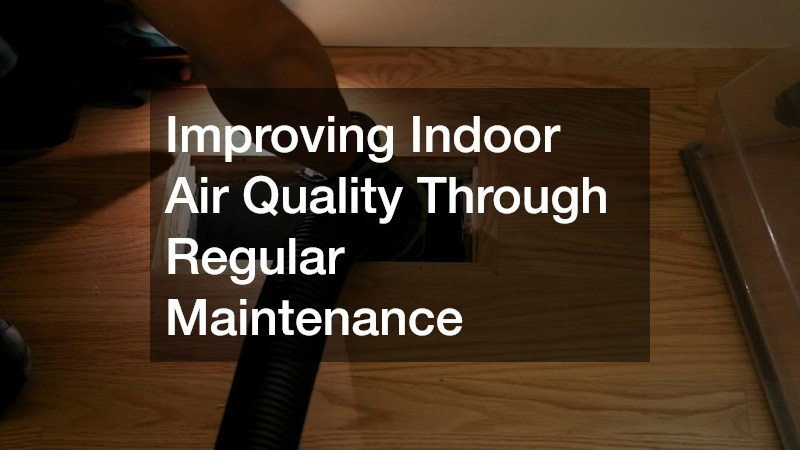
Air ducts are part of a home’s heating and cooling system, carrying conditioned air throughout different rooms. Dust, dirt, and other particles can accumulate within the system over time. When excessive debris is present, it can affect indoor cleanliness and potentially restrict airflow.
Professional air duct cleaners can inspect and clean ductwork when maintenance is appropriate. Keeping these components in good condition can help support efficient airflow and reduce the amount of accumulated debris circulating through the system.
Homeowners should also replace HVAC filters according to the manufacturer’s recommendations. A dirty filter can restrict airflow and force the system to work harder. Regularly checking vents and keeping them free from furniture, dust, and other obstructions can further support proper airflow.
Duct maintenance is particularly worth considering when there are visible signs of contamination, persistent dust accumulation, unexplained odors, or recent construction that introduced significant debris into the home. Professional evaluation can help determine whether cleaning is necessary.
Protecting Tile and Grout From Stubborn Buildup
Tile surfaces can remain attractive for years when they’re maintained properly, but grout can be particularly vulnerable to dirt and staining. Because grout is porous, it can absorb moisture and debris more readily than many tile surfaces.
Regular grout cleaning can remove accumulated dirt and help maintain the appearance of tiled areas. Bathrooms and kitchens often need particular attention because they experience frequent exposure to moisture, food particles, soap residue, and other contaminants.
Routine cleaning can also make it easier to identify damaged or deteriorating grout. Cracked or missing grout can allow moisture to reach areas beneath the tile, potentially contributing to more extensive problems.
Homeowners should use cleaning products appropriate for the specific tile and grout materials. Harsh products or abrasive techniques can damage some surfaces. For heavily soiled areas or difficult stains, professional cleaning can provide a more thorough approach while reducing the risk of accidental surface damage.
Removing Dirt and Debris From Exterior Surfaces
Exterior surfaces are continuously exposed to rain, wind, pollen, dirt, and other environmental contaminants. Over time, this buildup can make siding, walkways, patios, driveways, and other areas look worn even when the underlying materials remain in good condition.
A pressure washing service can remove accumulated dirt and grime from appropriate exterior surfaces. Keeping these areas clean can improve the appearance of the property while making it easier to spot cracks, stains, damaged materials, or other maintenance concerns.
However, not every surface should be cleaned using the same pressure level. Wood, painted surfaces, masonry, and other materials have different cleaning requirements. Excessive pressure or improper techniques can damage certain materials, making professional assessment valuable when homeowners aren’t sure how a surface should be cleaned.
Regular exterior cleaning can also complement other maintenance tasks. Once dirt and debris are removed, homeowners can more easily identify areas that need sealing, repainting, repair, or replacement.
Keeping Rugs Clean and Well Maintained
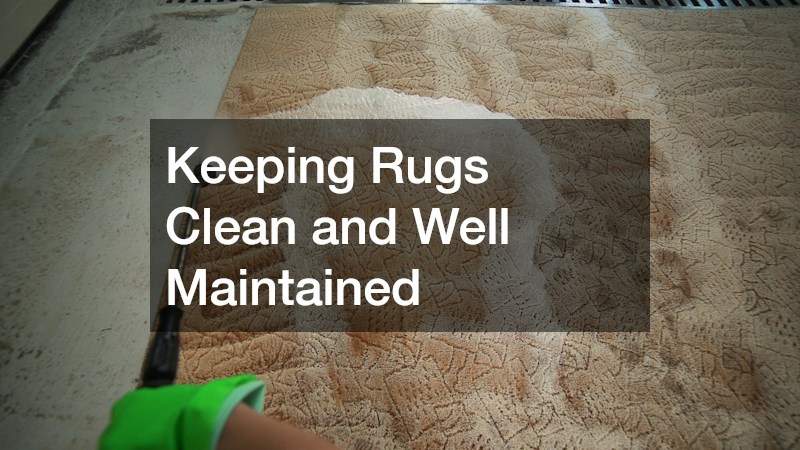
Rugs can collect dust, dirt, pet hair, food particles, and other debris through everyday use. Foot traffic can push these materials deeper into rug fibers, making routine vacuuming less effective at removing everything that has accumulated.
A professional rug washing service can provide a deeper cleaning approach for rugs that require more than routine maintenance. Professional cleaning can be especially useful for heavily used rugs, visible stains, or materials that require specialized care.
Regular maintenance can also help homeowners notice problems before they worsen. Stains that aren’t addressed promptly can become more difficult to remove, while moisture trapped within a rug can create unpleasant odors or contribute to material damage.
The proper cleaning method depends on the rug’s fibers, construction, dyes, and backing. Following manufacturer recommendations and using appropriate cleaning techniques can help preserve the material rather than causing accidental damage.
Preventing Water Damage Around Your Home
Gutters play an important role in directing rainwater away from the home’s roof and foundation. When gutters become clogged with leaves, twigs, and other debris, water can overflow rather than moving through the intended drainage path. Regular maintenance is important to ensure that gutters function properly, preventing potential water damage to the home.
Regular gutter service can help keep the system clear and functioning properly. Homeowners should watch for overflowing water, sagging gutters, detached sections, or water pooling near the foundation. These signs can indicate that the drainage system needs attention.
Keeping gutters clear can help reduce unnecessary moisture exposure around the roofline, siding, foundation, and landscaping. It can also make it easier to identify damaged sections before they contribute to more extensive water-related problems.
The frequency of gutter maintenance depends partly on the property’s surroundings. Homes near trees may collect leaves and debris more quickly than homes with little vegetation nearby. Checking gutters after periods of heavy weather can also help identify problems caused by wind or storms.
Maintaining a Reliable Private Water Supply
Homes that use private wells depend on the condition of their well systems for access to water. Unlike properties connected to a municipal water supply, well owners are responsible for maintaining and monitoring their own systems.
Regular well services can help homeowners identify potential concerns involving pumps, pressure systems, water quality, and other components. Routine inspections can provide an opportunity to address minor issues before they interfere with the household’s water supply.
Water testing is another important part of responsible well maintenance. Changes in taste, odor, appearance, or water pressure can indicate that a system needs attention, although some water quality concerns aren’t immediately noticeable.
Homeowners should maintain records of inspections, repairs, and water testing so they can identify changes over time. Professional guidance can also help determine an appropriate maintenance schedule based on the type and age of the well system.
Protecting Your Home From Roof Damage

The roof protects the interior of the home from rain, snow, wind, sunlight, and other weather conditions. Because it receives constant exposure to the elements, even a relatively small roofing problem can become more serious if it’s ignored.
Professional roofing services can help homeowners inspect the roof, identify damaged materials, and address problems before they spread. Missing or damaged shingles, cracked flashing, deteriorating seals, sagging areas, and signs of water intrusion all deserve prompt attention.
Homeowners should also look at the areas surrounding the roof. Overhanging branches can damage roofing materials during storms, while clogged gutters can contribute to water-related issues along the roofline. Keeping nearby trees maintained and drainage systems clear can complement regular roof maintenance.
Roof inspections are particularly valuable after severe weather. Wind and hail can cause damage that isn’t always obvious from ground level. Having concerns evaluated promptly can help prevent a small defect from developing into interior water damage or structural deterioration.
Home upkeep is an ongoing responsibility, but consistent attention can help homeowners identify problems before they become costly repairs. Many major issues begin with relatively minor signs, such as a slow drain, clogged gutter, dirty surface, unusual odor, or damaged roofing material. Recognizing these warning signs and addressing them promptly can help protect the home and its systems over time.
Preventive maintenance also provides an opportunity to extend the useful life of important components. Keeping plumbing lines clear, maintaining septic systems, caring for HVAC components, cleaning tiled surfaces, and protecting exterior materials can all contribute to a home that remains functional and comfortable. Regular attention to private wells and roofing can be just as important for protecting essential systems from premature deterioration.
The key is to develop a maintenance routine based on the home’s specific needs. Factors such as climate, property age, building materials, household size, and surrounding landscape can all influence how frequently different tasks should be completed. Some maintenance can be handled as part of regular household care, while other jobs require trained professionals and specialized equipment.
Rather than waiting for a major failure to occur, homeowners can use routine upkeep as an opportunity to catch potential concerns early. A proactive approach can help reduce unexpected disruptions, protect the property’s condition, and potentially limit the cost and scope of future repairs.