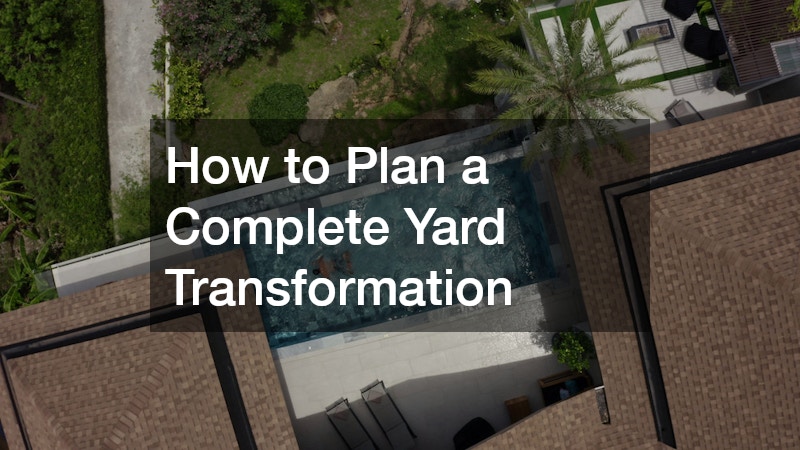
A complete yard transformation is one of the most impactful upgrades a homeowner can make. It changes not only how a property looks, but how it functions, feels, and supports everyday life. Whether the goal is creating an outdoor entertainment space, improving curb appeal, or building a more usable landscape for family activities, success depends on careful planning rather than scattered improvements.
Many homeowners rush into individual projects—like adding a patio or planting trees—without seeing the bigger picture. The result is often a disconnected yard that lacks flow and long-term value. A true transformation requires a structured approach that considers safety, layout, infrastructure, materials, and maintenance as part of a unified plan.
This guide walks through each stage of planning a full yard transformation, from initial assessment to final finishing touches, helping you create a space that is both beautiful and functional for years to come.
1. Defining Your Vision and Evaluating the Property
Before any physical work begins, it’s essential to understand what you want your yard to become. A successful transformation always starts with clarity.
Begin by walking your property and observing it from multiple angles and at different times of day. Pay attention to how sunlight moves, where water collects, and which areas feel underutilized.
Ask yourself:
- What do I want to use this space for?
- Do I need more privacy or openness?
- Should this yard support entertainment, relaxation, or both?
- What problems currently exist?
Then evaluate physical conditions:
- Drainage and slope issues
- Soil quality and vegetation health
- Existing structures worth keeping
- Areas that feel unsafe or unused
At this stage, it helps to divide your yard into rough zones:
- Social or entertainment space
- Garden or green areas
- Pathways and transitions
- Functional or utility zones
A clear vision at the beginning prevents costly changes later and ensures every decision supports the final outcome.
2. Clearing Unsafe or Unwanted Vegetation
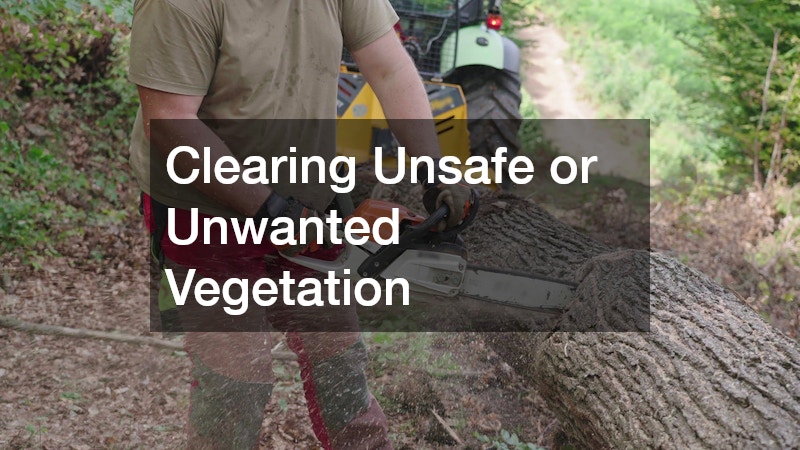
Once the vision is defined, the next step is addressing existing vegetation that may interfere with the transformation. Overgrown or unstable plant life can block sunlight, limit usable space, or create safety risks.
Large or damaged trees should be evaluated carefully to determine whether they can be preserved or need professional tree removals. Structural integrity, root spread, and proximity to buildings are all key factors.
Key considerations include:
- Dead or diseased growth posing hazards
- Trees interfering with construction zones
- Roots affecting underground systems
- Overcrowded planting that limits growth
Proper clearing helps:
- Improve light distribution across the yard
- Open space for new design elements
- Reduce safety risks during construction
- Create a clean foundation for planning
Handling tree services early prevents disruptions during later phases of the transformation.
3. Creating a Professional Landscape Blueprint
With the site cleared and evaluated, the next step is turning ideas into a structured design plan. This phase acts as the blueprint for the entire project.
A well-developed plan considers both aesthetics and function. It ensures that all elements—plants, pathways, structures, and elevations—work together cohesively.
Key components of a strong design plan:
- Clear zoning of yard functions
- Flow between different outdoor areas
- Material recommendations for durability from expert stone suppliers
- Long-term maintenance planning
- Drainage and grading considerations
Collaboration is important here, as professional input helps prevent design flaws that could become expensive later.
A strong blueprint ensures:
- Efficient construction sequencing
- Better use of available space
- Consistent visual design
- Reduced long-term maintenance issues
This step transforms ideas into a realistic, buildable strategy.
4. Preparing and Reshaping the Ground Structure
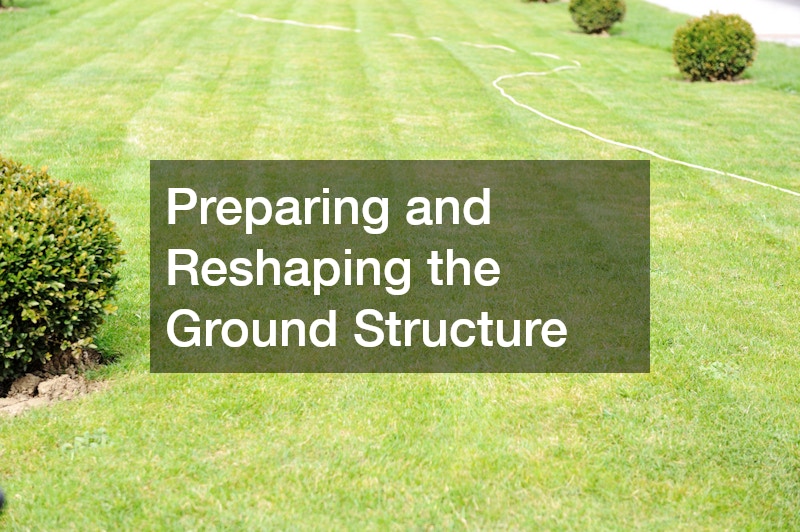
Before any visible features are installed, the ground itself must be properly prepared. This is one of the most important phases because it determines the stability of everything built on top of it. Which is why you should use a professional landscaping contractor.
Land grading helps create proper drainage and prevents future water damage. Uneven terrain is reshaped to support structures, pathways, and landscaping features.
Key tasks include:
- Excavating unstable or uneven areas
- Correcting drainage flow
- Compacting soil for structural support
- Preparing space for large installations
If a pool or similar feature is part of the plan, this stage becomes even more critical. Depth, slope, and safety requirements must be addressed early and pool builders should be consulted.
Proper groundwork ensures:
- Long-term structural stability
- Reduced erosion risks
- Proper water management
- Smoother construction phases
Without this foundation, even the best design will eventually fail.
5. Constructing Durable Outdoor Surfaces and Features
Once the foundation is ready, construction begins on visible structural elements such as patios, walkways, and retaining features. These components define how the yard looks and functions. Hiring contractors for professional hardscaping services and landscape contracting services can help with a seamless process.
Material selection plays a major role in durability and aesthetics. Natural stone, concrete, and pavers each offer different advantages depending on design goals.
Important factors to consider:
- Weather resistance and durability
- Maintenance requirements
- Visual harmony with the home
- Safety and surface traction
Key design principles:
- Maintain consistent material themes
- Ensure smooth traffic flow
- Avoid overcrowding hardscape elements
- Incorporate elevation changes naturally
Well-designed surfaces enhance usability while increasing property value.
6. Improving Comfort, Safety, and Nighttime Usability
A complete yard transformation must also focus on comfort and livability. A beautiful space is only valuable if it can be enjoyed safely and comfortably on a daily basis. This means thinking beyond design and aesthetics and considering how the space functions in real-world conditions such as heat, humidity, rain, and nighttime use.
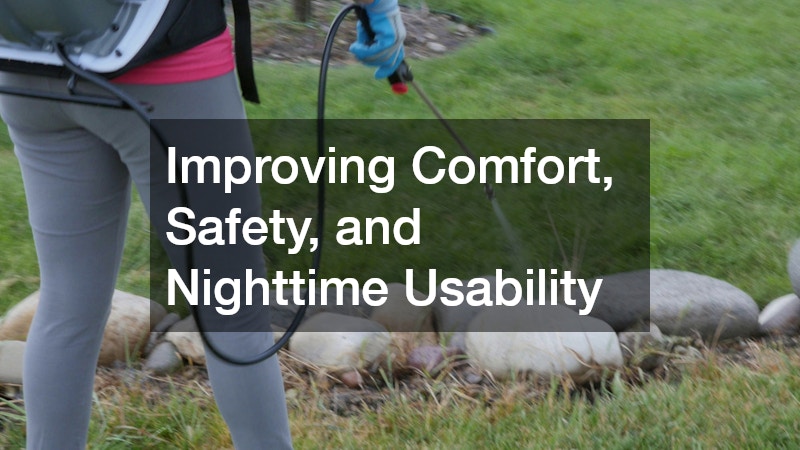
Outdoor environments often face challenges such as pests, uneven terrain, and poor visibility after dark. If these issues are not addressed early, they can significantly reduce how often the space is actually used. A well-designed yard should feel just as inviting at night as it does during the day.
Temperature comfort is another often-overlooked factor. Strategic shade placement using trees, pergolas, or shade sails can reduce heat in high-use areas, while open layouts can allow for better airflow. Wind patterns should also be considered when positioning seating or entertainment zones to avoid uncomfortable conditions.
Key improvements include:
- Preventing insect breeding areas
- Maintaining clean, dry zones
- Using deterrent landscaping strategies
- Creating structured lighting layouts
- Improving airflow through thoughtful spacing
- Reducing standing water that attracts pests
Each of these adjustments contributes to a safer, more enjoyable environment. For example, eliminating stagnant water not only reduces mosquito activity but also helps protect plant health and prevents soil issues. Clean, dry zones reduce slip hazards and keep high-traffic areas more usable throughout the year. If pests are still a problem, it may require consulting a local pest control expert.
Local landscape lighting plays a critical role in both safety and ambiance. A well-lit yard naturally feels more secure and inviting, encouraging more frequent use in the evenings.
Effective lighting applications include:
- Illuminating pathways, stairs, and elevation changes for safety
- Highlighting key landscape features such as trees or water elements
- Improving overall nighttime visibility across the yard
- Creating warm, relaxing environments for evening gatherings
- Enhancing architectural features of the home exterior
Layered lighting—combining task, accent, and ambient sources—creates depth and prevents the yard from feeling flat or overly bright. Energy-efficient LED systems and smart timers can further improve usability while keeping energy costs low.
Together, these enhancements ensure the yard is not only visually appealing but also functional, safe, and comfortable across all hours and seasons.
7. Finishing Plantings and Establishing Long-Term Growth
Once structural work is complete, planting brings life, texture, and softness to the yard. This stage is where the transformation begins to feel complete, as rigid construction elements are balanced with natural growth. While hardscaping defines structure, planting defines atmosphere, helping the space feel more welcoming, organic, and connected to nature.
Plant selection should focus on sustainability, growth behavior, and environmental compatibility. Native plants often require less maintenance and adapt better over time because they are suited to local soil conditions, rainfall patterns, and seasonal temperature changes. Choosing the right mix of trees, shrubs, ornamental grasses, and flowering plants ensures year-round interest and reduces long-term upkeep.
It is also important to think beyond immediate appearance. Many homeowners make the mistake of planting based on how things look at installation rather than how they will mature. Plants that appear small and manageable today may expand significantly over time, impacting spacing, shade, and overall yard balance. Planning for maturity is essential to prevent overcrowding and future redesign needs.
Key planting considerations:
- Sunlight and shade patterns
- Soil compatibility
- Growth spacing and maturity size
- Seasonal color variation
Each of these factors influences not only aesthetics but also long-term plant health. Proper spacing prevents competition for nutrients and reduces the risk of disease, while understanding sunlight exposure ensures each plant is placed where it can thrive naturally. Seasonal variation adds visual interest throughout the year, keeping the landscape dynamic instead of static.
Ongoing care is essential to maintain this stage of the transformation. Even the best-designed planting layout will decline without consistent attention and seasonal adjustments.
Maintenance practices include:
- Regular trimming and shaping to encourage healthy growth
- Seasonal fertilization to replenish soil nutrients
- Irrigation adjustments based on weather and plant maturity
- Monitoring plant health for early signs of pests or disease
Mulching and soil conditioning can also play a major role in retaining moisture and reducing weed growth, making long-term maintenance easier. Over time, as plants mature and fill in the space, the yard becomes more self-sustaining and visually cohesive.
A well-maintained landscape continues to improve over time rather than deteriorate, evolving into a balanced ecosystem that enhances both property value and everyday enjoyment.
8. Building Outdoor Living and Entertainment Areas
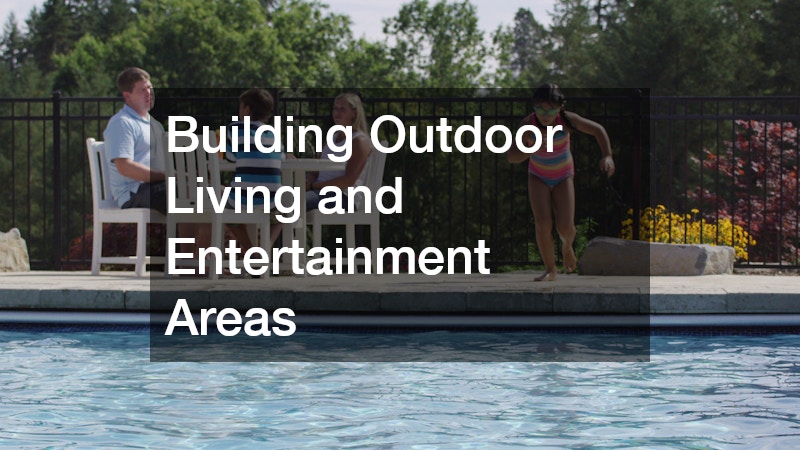
A key part of modern yard transformations is creating usable living space outdoors. These areas extend the home and provide space for relaxation, social gatherings, and everyday enjoyment. Instead of viewing the yard as separate from the house, it becomes an integrated extension of daily living.
Swimming and recreation features are often central to these designs. When properly integrated, they blend seamlessly into the surrounding environment rather than appearing as isolated structures. The goal is to create a natural flow between water features, seating areas, and open green space so that the entire yard feels cohesive.
Beyond pools and recreation zones, homeowners should also think about how the space will be used throughout different times of day and seasons. Shade structures, wind protection, and transitional areas between indoor and outdoor living all contribute to comfort and usability. A well-planned outdoor space should support both quiet relaxation and larger social gatherings without feeling overcrowded or underutilized.
Design priorities include:
- Safe access and movement
- Functional seating arrangements
- Visual integration with landscape
- Balanced open and structured space
Each of these priorities ensures the yard remains both attractive and practical. Safe movement paths are especially important when guests are present, while seating should be arranged to encourage conversation without blocking key pathways or views. Visual harmony ensures that entertainment areas feel like a natural extension of the home rather than an afterthought.
Hardscape elements also play a major role in supporting usability:
- Define entertainment zones
- Provide durable surfaces for gatherings
- Create natural gathering points
- Support furniture and outdoor appliances
When combined thoughtfully, these structural elements anchor the design and give the yard clear purpose. Materials should be chosen not only for appearance but also for durability under frequent use, weather exposure, and furniture weight.
Lighting, shade structures, and subtle transitions between zones further enhance the experience, making the space usable both day and night. When all these components come together, the yard transforms into a true outdoor living environment that supports relaxation, entertainment, and long-term enjoyment.
9. Managing Costs and Coordinating Project Phases
A complete yard transformation is not just about adding features—it is about creating a cohesive, functional outdoor environment that enhances daily living. When planned properly, every element works together, from the foundation beneath the soil to the final layer of plants and lighting.
Large yard transformations require careful coordination and budgeting. Breaking the project into phases helps avoid overwhelm and financial strain. Instead of treating the project as one massive expense, it becomes a series of manageable steps that are easier to plan, fund, and execute.
Each phase must follow a logical order:
- Ground preparation first
- Structural installation second
- Finishing and planting last
This sequencing is critical because each stage depends on the one before it. For example, it would be inefficient to install decorative surfaces or plant landscaping before drainage and grading are properly completed. When phases are respected, the entire project becomes more efficient and far less prone to costly corrections.
Key management strategies include more than just setting a budget. Homeowners should break down total costs into category-specific estimates such as labor, materials, permits, and contingency funds. This helps identify where money is being allocated and where adjustments can be made without sacrificing quality.
Additional strategies:
- Request detailed estimates from multiple contractors to compare pricing and scope
- Monitor invoices and receipts throughout each phase to avoid surprise expenses
- Confirm timelines before work begins to reduce idle labor costs
- Prioritize essential structural work before aesthetic upgrades if budgets shift
Scheduling is equally important. Contractors should be coordinated in a way that avoids downtime or overlap between phases. For example, excavation service teams must complete their work before installation crews arrive, and planting should only occur once heavy construction is fully finished.
It is also important to allow buffer time for unexpected delays. Weather conditions, material shortages, or permit approvals can all impact scheduling. Building flexibility into the timeline prevents frustration and rushed decisions that could compromise quality.
Good planning prevents:
- Overlapping construction conflicts
- Budget overruns
- Project delays
- Design inconsistencies
A structured approach ensures steady progress from start to finish, allowing homeowners to maintain control over both cost and quality while steadily moving toward a fully completed outdoor transformation.
A complete yard transformation is not just about adding features—it is about creating a cohesive, functional outdoor environment that enhances daily living. When planned properly, every element works together, from the foundation beneath the soil to the final layer of plants and lighting.
The most successful projects follow a clear process: define goals, prepare the land, build structure, refine design elements, and maintain long-term care. When each phase is approached thoughtfully, the result is a yard that continues to grow in beauty, value, and usability over time.
A well-designed outdoor space becomes more than just part of a property—it becomes an extension of the home itself.