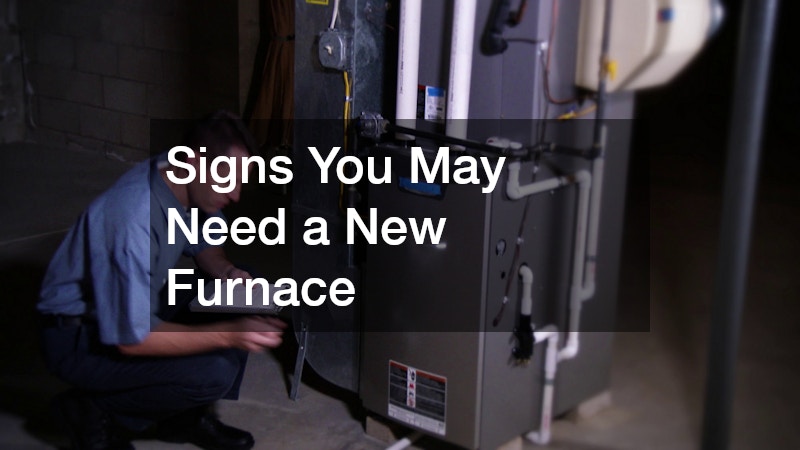
A reliable furnace is essential for maintaining comfort, safety, and energy efficiency during colder months. However, furnaces do not last forever, and performance often declines gradually rather than failing all at once. Recognizing early warning signs can help homeowners avoid emergency breakdowns, rising utility costs, and uneven heating. Understanding when replacement makes more sense than continued repairs allows for better planning, improved comfort, and long-term savings.
Many homeowners delay replacement because the system is still “working,” but declining efficiency and reliability can quietly erode performance and increase costs. Evaluating the furnace proactively—before a complete failure—offers greater control over timing, budget, and equipment selection.
Is Your Furnace No Longer Providing Sufficient Heat?
One of the most common indicators of furnace trouble is inconsistent temperatures throughout the home. If some rooms feel adequately warm while others remain cold, the system may be struggling to distribute heat evenly. This can stem from internal wear, airflow issues, or declining output capacity. Over time, these inconsistencies often worsen rather than resolve on their own, especially during prolonged cold spells.
Furnaces typically operate with a steady, low-level sound. When new noises appear—such as rattling, banging, grinding, or squealing—they often signal mechanical deterioration. Loose components, worn bearings, or failing motors are common in aging systems. While individual parts may be repairable, frequent or escalating noises usually indicate a furnace nearing the end of its service life.
If you find yourself repeatedly adjusting the thermostat to maintain comfort, the furnace may no longer be capable of regulating temperature effectively. This loss of control can point to sensor issues, reduced heating capacity, or overall inefficiency. A properly functioning system should maintain stable temperatures without constant manual intervention.
Are Your Energy Bills Increasing Significantly?
A noticeable rise in heating bills without a corresponding increase in usage, seasonal demand, or utility rates is often tied to furnace inefficiency. As internal components wear down over time, the system must work harder and longer to produce the same level of heat. This increased workload directly translates into higher energy consumption, reduced efficiency margins, and higher monthly operating costs.
Short cycling or extended run times are both common signs of declining efficiency. A furnace that turns on and off frequently or runs almost continuously may be compensating for heat loss, airflow restrictions, or reduced overall performance. Beyond higher bills, this operating pattern places added stress on internal components, increasing wear, maintenance needs, and the risk of sudden failure.
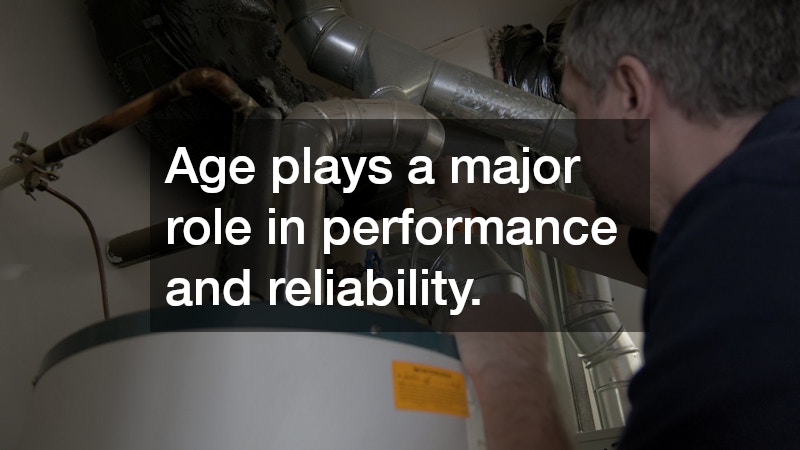
Age plays a major role in performance and reliability. Furnaces over 15–20 years old were built to older efficiency standards and often lack modern energy-saving features such as variable-speed blowers, sealed combustion, or advanced controls. Even if they remain operational, their efficiency ratings are typically far below current models. Upgrading through professional furnace installations can significantly improve energy efficiency, reduce long-term operating costs, enhance overall comfort, and improve system reliability year-round.
Are Noticeable Damages or Repairs Becoming Frequent?
Visible damage is a clear red flag. Rust, corrosion, or cracks—especially in the heat exchanger—can compromise both performance and safety. Cracked heat exchangers, in particular, pose serious risks due to potential carbon monoxide leaks and usually warrant immediate replacement rather than repair.
An increase in repair frequency often signals that a furnace is reaching the end of its usable lifespan. While occasional maintenance is normal, repeated service calls for different issues suggest systemic decline. At a certain point, the cumulative cost of repairs, downtime, and inconvenience can exceed the value of replacing the system altogether.
Once a furnace warranty expires, repair costs become entirely out-of-pocket. This often shifts the cost-benefit analysis toward replacement, especially if major components fail. New systems typically include manufacturer warranties that provide financial protection, predictable costs, and peace of mind.
Knowing when to replace a furnace is not always about a single issue but rather a pattern of declining performance, rising costs, and increasing inconvenience. Uneven heating, unusual noises, higher energy bills, visible damage, and frequent repairs all point toward a system that may no longer be reliable or cost-effective. Proactively evaluating these signs allows homeowners to avoid emergency failures and plan replacements on their own timeline. Consulting a qualified professional to assess your system and discuss modern furnace installations can help ensure a warm, efficient, and dependable home for years to come.