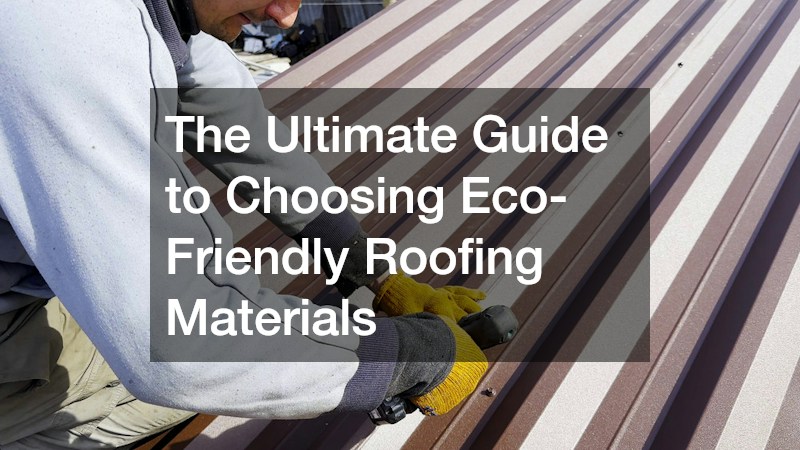
Many homeowners today are actively searching for effective ways to reduce their overall environmental footprint. One of the most impactful upgrades you can make is selecting sustainable materials for the top of your house. The right roofing system can significantly decrease your monthly energy bills while keeping harmful waste out of local landfills. Advanced eco-friendly options also frequently outlast traditional materials by several decades.
By making a conscious decision now, you are investing heavily in both your home and the health of the planet.
Assess Your Environmental Impact
Before making any major purchases, you must evaluate how your current setup directly affects the surrounding environment. Traditional asphalt shingles are common, but they contribute heavily to global landfill waste when they are replaced. Transitioning away from these petroleum-based products strongly supports a much healthier and more balanced global ecosystem. Evaluating a product’s full lifecycle reveals its true ecological cost from initial manufacturing to final disposal. You should thoroughly investigate the specific production processes behind any building materials you are currently considering.
There are numerous fantastic alternatives available today that prioritize sustainability without sacrificing visual appeal or structural integrity. Metal covers are highly durable and can often be recycled completely at the absolute end of their long lifespan. Another excellent option involves utilizing reclaimed clay tiles to repurpose existing resources beautifully and elegantly. Additionally, advanced composite shingles made from upcycled plastics offer an incredibly rugged barrier against severe seasonal weather. Finding the perfect eco-friendly roofing solution requires carefully balancing personal aesthetics with strict environmental performance standards.
Homeowners must also carefully consider the carbon footprint associated with transporting heavy structural supplies. Sourcing your necessary components from local manufacturers drastically reduces greenhouse gas emissions generated during regional delivery. Furthermore, supporting local businesses ensures the purchased products are perfectly suited for your specific local climate. Buying locally also directly stimulates the regional economy and fosters much stronger overall community relationships. Taking these crucial geographical factors into account makes your upcoming renovation project genuinely and holistically sustainable.
Compare Popular Sustainable Options
Several distinct categories of green materials have gained immense popularity among conscious property owners. Solar tiles represent a cutting-edge advancement that generates renewable electricity directly from the sun. Alternatively, living green roofs utilize real plants to provide excellent natural insulation. These biological installations even provide vital habitats for local pollinators and small urban wildlife. Exploring these diverse roofing choices helps you discover the ideal fit for your specific architectural style.
Rubber shingles manufactured from recycled tires offer a fantastic avenue for reducing industrial waste. These synthetic products mimic the appearance of natural slate while remaining much lighter. Wood shakes harvested from sustainably managed forests provide a beautifully rustic aesthetic. Specialized treatments can easily be applied to these wooden elements to enhance fire resistance. Each of these unique selections carries its own distinct advantages regarding installation complexity.
You must request detailed specification sheets from suppliers to verify their sustainability claims. Reputable manufacturers will gladly provide documentation detailing the exact percentage of recycled content. Independent certifications from recognized environmental organizations serve as a trustworthy indicator of a green product. These official verifications guarantee that the items meet rigorous ecological benchmarks. Scrutinizing these crucial details prevents you from falling victim to deceptive marketing tactics.
Maximize Your Energy Efficiency
Beyond simply selecting recycled resources, you must ensure your new installation reduces energy consumption. Light-colored materials reflect harsh solar radiation away from the building to lower cooling costs. This highly reflective property is particularly beneficial for residences located in consistently hot climates. Conversely, darker materials might be preferable in colder regions where passive solar heating is desirable. Optimizing your residential roofing assembly for thermal performance guarantees long-term financial savings.
Proper insulation and adequate ventilation are equally critical components of a highly efficient overhead system. Failing to ventilate the attic properly can completely negate the benefits of eco-friendly materials. Trapped moisture and excessive heat will rapidly degrade structural supports and cause premature replacements. A professional energy audit can precisely identify any existing weak points in your thermal envelope. Working closely with knowledgeable professionals guarantees that your entire system functions harmoniously to conserve energy.
Transitioning to sustainable building practices is a rewarding endeavor that benefits the natural world. Taking the time to research different materials ensures a financially sound and ecologically responsible choice. Whether you opt for sleek metal panels or a green canopy, your upgraded roofing investment provides reliable protection. The initial upfront costs are frequently offset by resulting energy savings and minimal maintenance. Ultimately, embracing these environmentally friendly solutions represents a powerful step toward a greener future.